







Complete Guide of DIN Globe Valves for Steam, Oil, and Industrial Systems
What Are DIN Globe Valves
DIN globe valves are industrial shut-off and regulating valves designed according to German DIN (Deutsches Institut für Normung) standards. They are widely used in pipelines where reliable flow control, throttling, and tight shut-off are required. The valve operates through a linear motion disc that moves perpendicular to the valve seat, allowing precise adjustment of fluid flow.
DIN globe valves are commonly manufactured from materials such as carbon steel, stainless steel, and alloy steel, making them suitable for applications involving water, steam, oil, gas, and corrosive media. Typical designs include flanged end, threaded end, and bellows sealed configurations.
These valves are widely applied in power plants, chemical industries, petrochemical systems, and industrial processing facilities. With standardized dimensions, pressure ratings, and testing requirements, DIN globe valves provide excellent interchangeability, durability, and safe operation in demanding industrial environments.
🔬 Materials of DIN Globe Valves for Steam Conditions
DIN globe valves used in high-pressure steam systems require carefully selected materials to withstand extreme temperature, pressure, thermal cycling, and corrosion conditions. Material selection directly affects valve safety, service life, sealing performance, and operational reliability. Depending on the steam pressure class, temperature range, and application environment, DIN globe valves are commonly manufactured from carbon steel, alloy steel, stainless steel, and special high-temperature materials.
Carbon steel is one of the most widely used materials for DIN globe valves in steam applications due to its excellent mechanical strength and cost efficiency. Materials such as 1.0619 (GS-C25) are commonly used for Cast Steel Globe Valve bodies.
GS-C25 carbon steel provides:
DIN globe valves made from GS-C25 are commonly applied in heating systems, power plants, boiler pipelines, and general industrial steam services. However, carbon steel has limitations at very high temperatures because its strength decreases as temperature rises.
For high-pressure and high-temperature steam systems, alloy steel materials are preferred. Common materials include 1.7335 (13CrMo4-5) and 1.7380 (10CrMo5-5).
These chromium-molybdenum alloy steels provide:
Cr-Mo alloy steel DIN globe valves are widely used in:
The addition of chromium improves corrosion resistance, while molybdenum increases high-temperature strength.
Stainless steel DIN globe valves are selected when steam systems involve corrosive environments, high purity requirements, or aggressive media. Common stainless steel grades include:
This material is equivalent to cast stainless steel commonly used for industrial globe valves. It offers:
CF8M stainless steel contains molybdenum, providing improved resistance against chloride corrosion and chemical attack. It is suitable for chemical plants, pharmaceutical systems, and marine environments.
For ultra-high-pressure steam applications, special alloy materials may be required. Nickel-based alloys and advanced heat-resistant steels provide superior performance under extreme conditions.
Typical advantages include:
These materials are often applied in supercritical and ultra-supercritical power generation systems.
Besides the valve body, the internal trim materials are critical for high-pressure steam service. DIN globe valves commonly use stainless steel trim materials such as:
The valve seat and disc surfaces may receive hard-facing treatment to improve:
When selecting DIN globe valve materials for high-pressure steam conditions, engineers consider:
A properly selected material ensures safe operation and prevents common failures such as body cracking, seat erosion, and leakage.
DIN globe valves for high-pressure steam applications require materials with excellent strength, heat resistance, and corrosion protection. Carbon steel such as GS-C25 is suitable for general steam systems, while Cr-Mo alloy steel is preferred for high-temperature and high-pressure applications. Stainless steel and special alloys provide reliable solutions for corrosive or extreme operating conditions. Choosing the correct material combination for the valve body, trim, and sealing components is essential for achieving long-term performance and safety in demanding steam systems.
🏆 Why European Standard DIN Globe Valves Excel in Steam Service?
European standard DIN globe valves are widely recognized for their excellent performance in steam service due to their robust design, reliable sealing capability, and suitability for high-temperature and high-pressure applications. Designed according to German DIN and related EN standards, these valves provide safe and efficient flow control in demanding industrial environments.
One of the key advantages of DIN globe valves in steam systems is their excellent throttling performance. Unlike simple shut-off valves, globe valves are designed with a linear motion disc that allows precise regulation of steam flow. This makes them ideal for applications requiring accurate pressure and flow adjustment, such as boiler systems, power plants, and process industries.
Another important feature is their high-pressure and high-temperature resistance. DIN globe valves are commonly manufactured from high-strength materials such as carbon steel, alloy steel, and stainless steel. Materials like GS-C25, 13CrMo4-5, and stainless steel grades provide excellent mechanical strength, oxidation resistance, and durability under continuous steam operation.
DIN globe valves also offer superior sealing reliability. The disc and seat design creates a strong shut-off function, reducing steam leakage and improving system efficiency. For applications where zero external leakage is critical, bellows sealed DIN globe valves provide additional protection by eliminating stem leakage through a welded metal bellows system.
In addition, DIN globe valves are manufactured with standardized dimensions, pressure ratings, and testing requirements, ensuring consistent quality and compatibility with international pipeline systems. Features such as outside screw and yoke (OS&Y) structures, hard-faced sealing surfaces, and precision machining further enhance service life.
DIN globe valves are commonly used in steam applications including power generation, chemical processing, petrochemical plants, heating systems, and industrial boiler networks. Their combination of durability, precise control, and dependable sealing performance makes them one of the preferred valve solutions for steam service worldwide.
Overall, European standard DIN globe valves excel in steam applications because they provide reliable operation, long service life, and safe performance under challenging temperature and pressure conditions.
⚙️ Why Are DIN Globe Valves Ideal for Steam Systems?
DIN globe valves are widely used in steam systems because they provide excellent flow control, reliable shut-off performance, and long-term durability under high-temperature and high-pressure conditions. Manufactured according to European DIN standards, these valves are designed to meet the demanding requirements of industrial steam applications, including power plants, boiler systems, chemical plants, and process industries.
One of the main reasons DIN globe valves are ideal for steam service is their superior throttling capability. The globe valve design uses a movable disc that travels perpendicular to the seat, allowing precise adjustment of steam flow. This makes them suitable not only for isolation but also for regulating pressure and flow rates in steam pipelines.
Another important advantage is their high temperature and pressure resistance. DIN globe valves are available in materials such as carbon steel, alloy steel, and stainless steel, which maintain excellent mechanical strength under severe operating conditions. Materials like GS-C25 and chromium-molybdenum alloy steel provide good creep resistance and oxidation protection, ensuring dependable performance in high-pressure steam environments.
DIN globe valves also offer excellent sealing reliability. The disc and seat structure creates a tight shut-off, minimizing steam leakage and improving energy efficiency. For applications requiring enhanced safety, bellows sealed DIN globe valves prevent external leakage through the stem, making them suitable for toxic, hazardous, or high-purity steam systems.
In addition, DIN globe valves feature robust construction, precision machining, and standardized dimensions, ensuring compatibility with European and international piping systems. Hard-faced sealing surfaces, durable valve trims, and optimized flow passages contribute to reduced wear and extended service life.
Typical steam applications for DIN globe valves include boiler feed systems, superheated steam pipelines, heat exchangers, power generation equipment, and industrial heating networks. Their ability to withstand thermal cycling, pressure fluctuations, and continuous operation makes them a reliable choice for critical steam services.
In summary, DIN globe valves are ideal for steam systems because they combine precise flow regulation, strong pressure resistance, dependable sealing, and excellent durability. Their proven design and material flexibility make them a preferred solution for safe and efficient steam control in modern industries.
⭐ Top Benefits of DIN Globe Valves in Industrial Steam Applications
DIN globe valves are widely used in industrial steam applications because of their reliable performance, precise flow control capability, and strong resistance to high-temperature and high-pressure operating conditions. Designed according to European DIN standards, these valves provide safe and efficient operation in industries such as power generation, petrochemical processing, chemical production, heating systems, and manufacturing plants.
One of the biggest advantages of DIN globe valves is their excellent throttling capability. Unlike simple shut-off valves, globe valves are designed to regulate steam flow accurately through the linear movement of the disc. This allows operators to control pressure, temperature, and flow rates effectively.
In industrial steam systems, precise regulation is essential for improving energy efficiency and maintaining stable process conditions. DIN globe valves are commonly installed in boiler systems, steam distribution pipelines, and heat exchanger circuits where accurate flow adjustment is required.
Steam systems often operate under severe conditions with elevated temperatures and pressures. DIN globe valves are manufactured from high-quality materials, including carbon steel, alloy steel, and stainless steel, to withstand demanding environments.
Common materials include:
These materials provide excellent mechanical strength, thermal stability, and resistance to deformation during long-term operation.
Steam leakage can lead to energy loss, safety risks, and reduced system efficiency. DIN globe valves feature optimized disc and seat designs that provide dependable shut-off performance.
Many DIN globe valves use hardened sealing surfaces or stainless steel trim to improve wear resistance and maintain tight sealing after repeated operation. For applications requiring zero stem leakage protection, bellows sealed DIN globe valves provide an additional safety advantage by isolating the stem from the process medium.
Industrial steam systems require valves that can operate continuously with minimal maintenance. DIN globe valves are built with robust bodies, precision-machined components, and durable internal parts to ensure long service life.
Features such as corrosion-resistant materials, reinforced valve structures, and hard-faced seating surfaces help reduce:
This results in lower maintenance costs and improved system reliability.
DIN globe valves are manufactured according to recognized European standards, ensuring consistent quality, dimensional accuracy, and safety performance. Standardized designs make them easier to integrate into industrial piping systems and replace existing valves when necessary.
Compliance with DIN and EN standards also provides confidence in pressure ratings, material quality, testing procedures, and manufacturing processes.
Due to their versatility, DIN globe valves are suitable for various steam applications, including:
Their ability to handle clean steam, saturated steam, and superheated steam makes them a preferred choice for many industries.
DIN globe valves offer significant advantages in industrial steam applications, including precise flow control, excellent sealing performance, high-temperature resistance, durability, and compliance with international standards. Their reliable design and flexible material options make them an ideal solution for controlling steam safely and efficiently in demanding industrial environments.
📊 How DIN Globe Valves Improve Steam Flow Control?
DIN globe valves play an important role in improving steam flow control in industrial piping systems. Designed according to European DIN standards, these valves provide accurate regulation, stable operation, and reliable shut-off performance, making them widely used in power plants, boiler systems, chemical plants, and other steam applications.
The main reason DIN globe valves provide excellent steam flow control is their linear motion operating design. The valve disc moves vertically away from or toward the seat, allowing operators to adjust the opening area precisely. Compared with simple isolation valves, globe valves can control the amount of steam passing through the pipeline, helping maintain stable pressure, temperature, and flow rates.
Another important advantage is the optimized flow path design. DIN globe valves are engineered to create predictable flow characteristics, allowing smooth adjustment across different operating conditions. This reduces sudden pressure fluctuations and improves the efficiency of steam distribution systems. Proper flow regulation also helps protect downstream equipment, such as turbines, heat exchangers, and process machinery, from damage caused by unstable steam supply.
DIN globe valves also improve steam system performance through their excellent throttling capability. The disc and seat arrangement allows gradual opening and closing, preventing water hammer and excessive pressure shocks that may occur during rapid valve operation. This is especially important in high-pressure steam pipelines where safety and reliability are critical.
Material selection further enhances steam flow control performance. DIN globe valves manufactured from carbon steel, alloy steel, or stainless steel maintain structural integrity under high temperatures and pressures. Durable sealing surfaces reduce leakage, ensuring that the controlled steam flow remains accurate throughout the valve’s service life.
For demanding applications, bellows sealed DIN globe valves provide additional benefits by preventing external stem leakage and maintaining system safety, especially when handling high-temperature or hazardous steam media.
In summary, DIN globe valves improve steam flow control through precise regulation, stable throttling, reliable sealing, and strong resistance to extreme operating conditions. Their proven design makes them an ideal choice for achieving safe, efficient, and accurate steam management in modern industrial systems.
🎯 Choosing the Right DIN Globe Valve for High-Temperature Steam Service
Selecting the right DIN globe valve for high-temperature steam service is essential to ensure safe operation, energy efficiency, and long service life. Steam systems often involve high pressure, elevated temperatures, and continuous operation, requiring valves with suitable materials, pressure ratings, and sealing designs.
The first consideration is valve material selection. For general steam applications, carbon steel materials such as 1.0619 (GS-C25) provide good strength and reliability. However, for high-temperature and high-pressure steam systems, alloy steel materials such as 1.7335 (13CrMo4-5) are preferred due to their excellent creep resistance, thermal stability, and oxidation resistance. Stainless steel DIN globe valves are suitable for corrosive steam environments where additional corrosion resistance is required.
The pressure and temperature rating of the valve must match the operating conditions of the steam system. Choosing a valve with an appropriate pressure class helps prevent leakage, deformation, and premature failure during long-term service.
The sealing design is another important factor. Standard DIN globe valves provide reliable shut-off performance, while Bellows Sealed Globe Valves are recommended for applications requiring zero external leakage protection. This design is especially suitable for hazardous steam systems, high-purity processes, and environments where safety is critical.
The valve trim material should also be carefully selected. Stainless steel trim, hard-faced seats, and wear-resistant surfaces improve resistance to erosion caused by high-velocity steam flow and frequent operation.
In addition, consider factors such as valve size, installation position, maintenance requirements, and compliance with DIN/EN standards. A properly selected DIN globe valve can provide accurate steam flow control, excellent sealing performance, and dependable operation under extreme conditions.
By evaluating material, pressure rating, sealing structure, and operating environment, engineers can choose the most suitable DIN globe valve to achieve maximum reliability and efficiency in high-temperature steam service.
🛡️ Corrosion Resistance of DIN Globe Valves in Steam Applications
Corrosion resistance is a critical factor when selecting DIN globe valves for steam applications, as steam systems often operate under high temperatures, pressures, and challenging chemical conditions. Proper material selection and valve design help prevent corrosion-related failures, ensuring safe operation and extended service life.
DIN globe valves are available in a variety of materials to meet different steam environments. Carbon steel materials such as 1.0619 (GS-C25) are commonly used for general industrial steam systems due to their good mechanical strength and cost efficiency. For higher-temperature steam applications, chromium-molybdenum alloy steels, such as 13CrMo4-5, provide improved resistance to oxidation, thermal stress, and high-temperature corrosion.
For more corrosive steam conditions, stainless steel DIN globe valves offer superior protection. Materials such as 1.4308 (CF8) and 1.4408 (CF8M) provide excellent corrosion resistance against moisture, chemical contaminants, and chloride-containing environments. CF8M stainless steel, with added molybdenum, is particularly suitable for applications requiring enhanced resistance to pitting and crevice corrosion.
The valve trim and sealing components also influence corrosion performance. Stainless steel trim, hard-faced seats, and corrosion-resistant alloys help reduce wear, erosion, and surface degradation caused by high-velocity steam flow. For critical applications, special surface treatments and alloy overlays can further improve durability.
Bellows sealed DIN globe valves provide additional protection by preventing external leakage through the valve stem, reducing the risk of corrosion caused by escaping steam and protecting the surrounding environment.
By selecting the correct body material, trim design, and sealing structure, DIN globe valves can maintain reliable performance in steam systems for many years. Their excellent corrosion resistance makes them suitable for demanding industries including power generation, petrochemical processing, chemical plants, and industrial heating systems.
🔮 Future Trends in DIN Globe Valve Technology for Steam Systems
The future development of DIN globe valve technology for steam systems is focused on improving efficiency, reliability, safety, and environmental performance. As industrial steam systems become more advanced, valve manufacturers are continuously developing new designs, materials, and smart technologies to meet increasingly demanding operating conditions.
One major trend is the increased use of advanced materials. High-performance alloy steels, stainless steels, and special alloys are being applied to DIN globe valves to improve resistance against high temperatures, pressure fluctuations, corrosion, and thermal fatigue. These materials help extend valve service life in power generation, petrochemical, and process industries.
Another important trend is the development of smart and automated valve solutions. Modern DIN globe valves are increasingly integrated with electric, pneumatic, and intelligent actuators equipped with sensors and digital monitoring systems. These technologies enable real-time tracking of valve position, operating conditions, and maintenance requirements, improving system efficiency and reducing downtime.
Energy efficiency is also driving innovation. Improved flow path designs, low-emission packing systems, and advanced sealing technologies help minimize steam leakage and energy losses. Bellows sealed DIN globe valves are becoming more popular in applications requiring strict emission control and environmental protection.
In addition, manufacturers are focusing on lightweight designs, easier maintenance, and compliance with international standards. Advanced manufacturing methods, including precision machining and improved quality control processes, are helping produce more reliable valves.
Overall, future DIN globe valve technology will combine durable materials, intelligent control systems, and energy-saving designs to provide safer, more efficient, and more sustainable solutions for modern steam systems.
🔧 Maintenance Tips for DIN Globe Valves in Steam Systems
Proper maintenance of DIN globe valves in steam systems is essential for ensuring safe operation, preventing unexpected failures, and extending valve service life. Since steam systems often operate under high temperature and pressure conditions, regular inspection and maintenance help maintain reliable sealing, smooth operation, and efficient flow control.
Routine visual inspection is the first step in DIN globe valve maintenance. Operators should regularly check the valve body, bonnet, flange connections, and surrounding areas for signs of leakage, corrosion, or damage.
Special attention should be given to:
Early detection of these issues can prevent more serious valve failures and reduce maintenance costs.
Reliable sealing is critical for steam applications because leakage can cause energy loss, safety risks, and reduced system efficiency. The disc and seat of DIN globe valves should be inspected periodically to ensure proper shut-off performance.
Common causes of sealing problems include:
If leakage occurs, the valve seat may require cleaning, grinding, or replacement depending on the level of damage.
The valve stem is a key moving component in globe valves. Proper lubrication and inspection help ensure smooth operation and prevent excessive wear.
For packed DIN globe valves, maintenance should include:
For bellows sealed DIN globe valves, the bellows should be inspected for damage because they provide the primary barrier against external leakage.
The internal trim, including the disc, seat, and stem, directly affects valve performance. During scheduled maintenance, these components should be checked for corrosion, erosion, and mechanical damage.
Using high-quality trim materials such as stainless steel or hard-faced alloys can improve resistance to steam erosion and extend service intervals.
Incorrect operation is one of the main causes of premature valve failure. DIN globe valves should not be used for applications beyond their design limits.
Operators should avoid:
Proper operation helps reduce stress on valve components and improves service life.
Poor steam quality can accelerate corrosion and erosion inside DIN globe valves. Maintaining proper water treatment and steam purity helps protect valve materials.
Regular monitoring of:
can reduce internal corrosion and improve system reliability.
A preventive maintenance program should include periodic testing, inspection, and replacement of worn components. Maintenance intervals should be determined based on operating temperature, pressure, valve size, service frequency, and application conditions.
Keeping accurate maintenance records helps identify performance trends and allows operators to plan repairs before failures occur.
DIN globe valves are reliable solutions for industrial steam systems, but proper maintenance is necessary to maximize their performance. Regular inspections, sealing checks, stem maintenance, trim inspection, and correct operation can significantly extend valve life. With an effective maintenance strategy, DIN globe valves can provide safe, efficient, and dependable steam control for many years.
🏭 Choose BOPIN DIN Globe Valves for Your Steam System
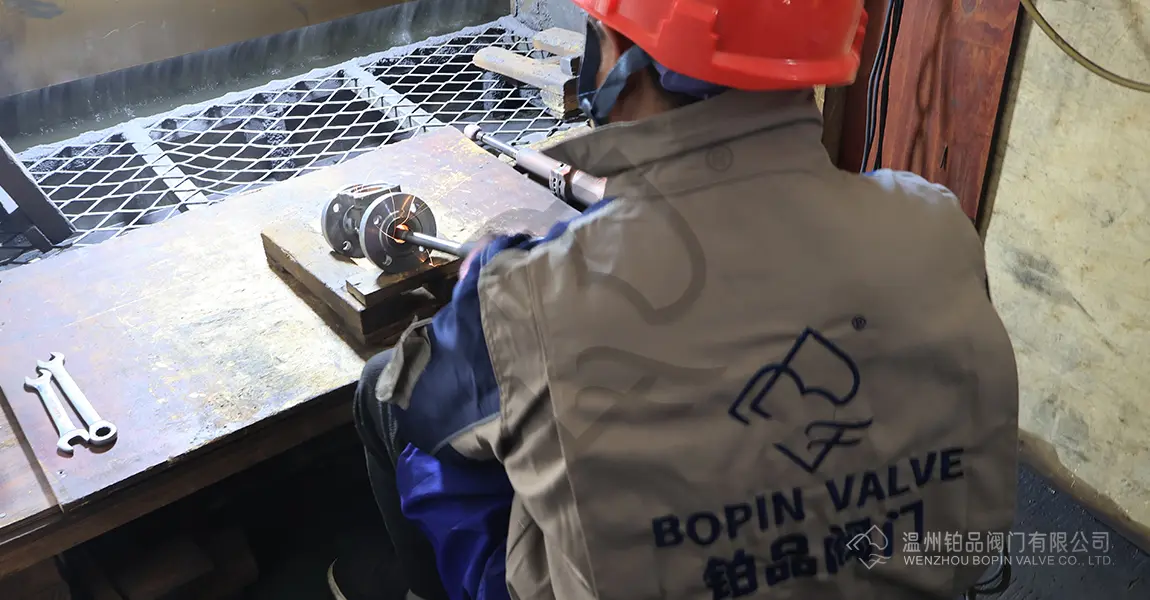
Choosing the right valve is essential for the safety, efficiency, and reliability of any steam system. BOPIN DIN Globe Valves are designed to provide excellent flow regulation, dependable shut-off performance, and long service life in demanding industrial steam applications.
Manufactured according to European DIN standards, BOPIN DIN globe valves feature robust construction, precision machining, and high-quality materials to withstand high temperatures and pressures. Options including carbon steel, alloy steel, and stainless steel materials allow the valves to meet different steam service requirements, from general industrial applications to high-temperature and corrosive environments.
BOPIN DIN globe valves offer excellent throttling capability, making them ideal for applications requiring accurate steam flow control. The optimized disc and seat design ensures reliable sealing, reduces leakage, and improves system energy efficiency. For critical applications, bellows sealed designs provide enhanced protection against external leakage and support safe operation.
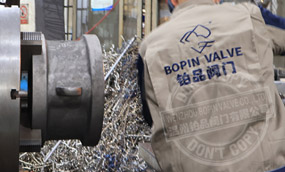
With strict quality control, advanced manufacturing processes, and professional valve engineering experience, BOPIN provides customized solutions to meet customer requirements for pressure ratings, materials, end connections, and operating conditions.
Whether used in power plants, boiler systems, chemical facilities, or industrial heating networks, BOPIN DIN globe valves deliver reliable performance, durability, and safety. Selecting BOPIN means choosing a trusted valve solution for efficient and stable steam system operation.