





INDUSTRIAL NEWS
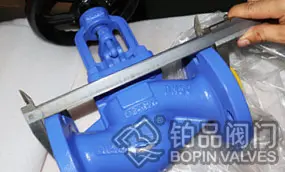
Inspection Steps Required for DIN Globe Valves Before Entering the Warehouse of Finished Goods
The final inspection of DIN-standard globe valves without bellows requires more than checking appearance. It should provide comprehensive verification of the valve's materials, dimensions, pressure integrity, seat sealing, stem packing, operation, marking, coating, cleanliness, documentation, and packaging. Because conventional globe valves depend on packing rather than bellows to seal around the stem, packing and gland inspection is particularly important. Proper packing compression must provide reliable external sealing while still allowing smooth valve operation. A disciplined final inspection process helps manufacturers prevent nonconforming products from entering finished goods storage and ensures that every DIN globe valve delivered to customers is properly tested, identified, protected, and ready for installation.
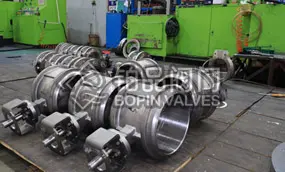
Why Choose Butt-Welded End Valves for Your Piping System?
Butt-welded end valves are widely used in high-pressure, high-temperature, and critical piping systems where reliability, compact construction, and long-term leak resistance are essential. Unlike flanged valves, butt-welded valves are connected directly to the pipeline by welding the valve ends to the pipe. Once properly installed, the welded joint creates a continuous connection with excellent mechanical integrity and minimal external leakage risk. For demanding applications in oil and gas, petrochemical plants, power generation, chemical processing, steam systems, and other industrial facilities, butt-welded end valves can provide an effective combination of strength, sealing performance, and durability.
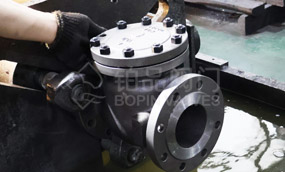
A Discussion on API 600 Check Valves
Some clients ask for an “API 600 check valve” because of common terminology in the valve industry, especially in petroleum, refinery, and EPC projects. Technically, API 600 is a standard for steel gate valves, not check valves. However, clients may use this term when they want a heavy-duty cast-steel check valve with specifications similar to an API 600 gate valve, such as heavy wall thickness, petroleum-industry materials, pressure classes, and robust construction. Another reason is that a customer's existing valve specification may group API 600 gate valves and check valves under the same procurement package. Over time, this can lead to the informal expression “API 600 check valve.”
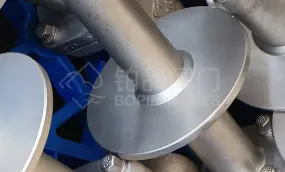
About Drip Tray Design of Cryogenic Valves
Cryogenic valves are specially designed to control and isolate fluids at extremely low temperatures. They are widely used in LNG terminals, natural gas processing plants, industrial gas facilities, hydrogen systems, petrochemical plants, aerospace applications, and other low-temperature processes. Unlike conventional valves, cryogenic valves must deal with severe thermal contraction, frost formation, condensation, material embrittlement, and special sealing requirements.
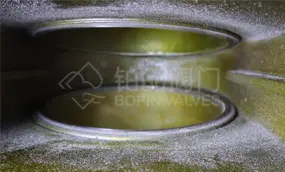
Continues to Supply API 600 Gate Valves with Genuine Replaceable Seat Design
In industrial valve applications, seat design has a direct influence on sealing performance, service life, maintenance cost, and overall equipment reliability. For this reason, BOPIN remains firmly committed to supplying API 600 gate valves with genuine replaceable seats, providing customers with a practical and maintainable solution for demanding oil, gas, petrochemical, power generation, and industrial pipeline applications.
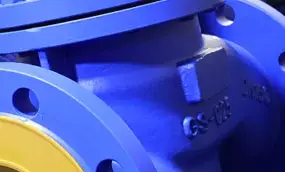
Complete Guide of DIN Globe Valves for Steam, Oil, and Industrial Systems
DIN globe valves are industrial shut-off and regulating valves designed according to German DIN (Deutsches Institut für Normung) standards. They are widely used in pipelines where reliable flow control, throttling, and tight shut-off are required. The valve operates through a linear motion disc that moves perpendicular to the valve seat, allowing precise adjustment of fluid flow.
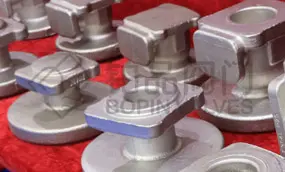
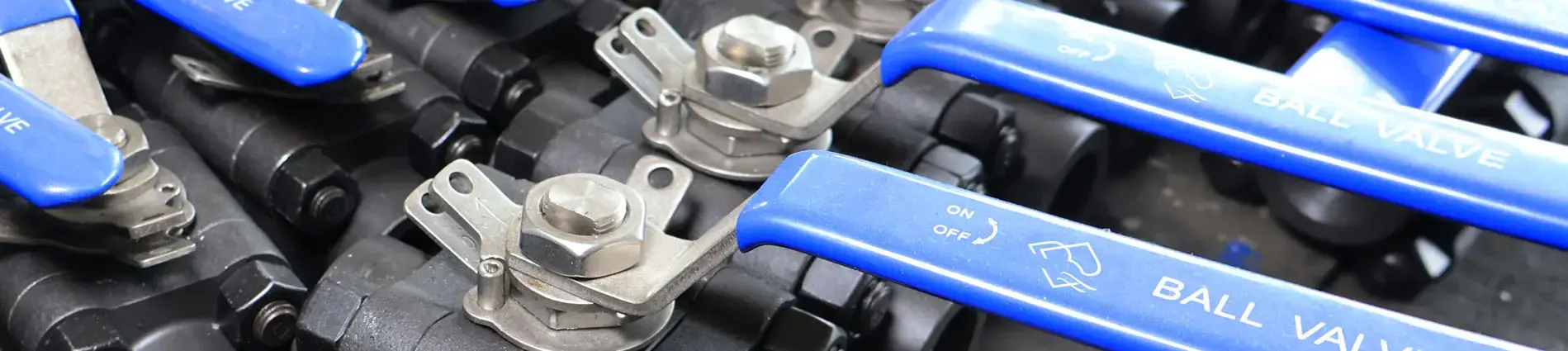
Manufacturing Process, Advantages, Materials, Applications & Selection Guide of Die Forged Floating Type Ball Valves.
Die forged floating type ball valves are widely used in demanding industrial piping systems where reliable shutoff, mechanical strength, and long service life are essential. Unlike cast valves, die forged ball valves are manufactured by forming heated metal under controlled pressure inside a forging die. This process produces a dense and strong valve body that is particularly suitable for high-pressure and critical-service applications. ....
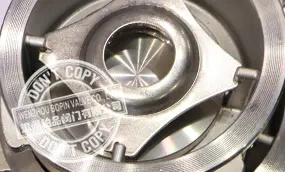
Wafer Type Stainless Steel Disco Check Valve for Pipelines
For modern industrial piping systems, preventing reverse flow is essential for protecting pumps, compressors, pipelines, and other critical equipment. Among the various types of non-return valves available, the Wafer Type Stainless Steel Disco Check Valve has earned a strong reputation for its compact design, reliable operation, and excellent flow performance. Designed to provide automatic backflow prevention while minimizing pressure loss, this valve is widely used across industries such as oil and gas, chemical processing, power generation, water treatment, food production, and marine engineering.
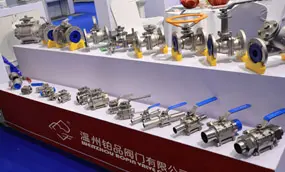
Connecting Global Markets with BOPIN Quality Stainless Steel Ball Valves
In today's rapidly evolving industrial landscape, reliable flow control solutions play a critical role in ensuring the safe and efficient operation of pipelines and processing systems. From oil and gas facilities to chemical plants, water treatment systems, power stations, food processing factories, and pharmaceutical industries, the demand for high-quality valves continues to grow worldwide. As a trusted manufacturer and supplier of industrial valves, BOPIN Valve is committed to connecting global markets with premium stainless steel ball valves that deliver exceptional performance, durability, and value.
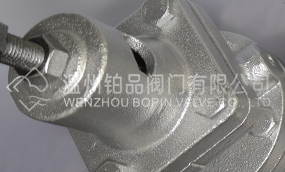
TYPES OF PRESSURE RELIEF VALVES FOR STEAM SYSTEM
Pressure Relief Valves (PRVs) are essential safety devices used in steam systems to protect equipment from overpressure conditions that could otherwise cause catastrophic damage. Overpressure situations can arise from various factors, including system malfunctions, temperature fluctuations, or blocked lines. In a steam system, where high pressures and temperatures are typical, the right type of pressure relief valve is crucial for ensuring the integrity and safety of the system.