






About Drip Tray Design of Cryogenic Valves
Cryogenic valves are specially designed to control and isolate fluids at extremely low temperatures. They are widely used in LNG terminals, natural gas processing plants, industrial gas facilities, hydrogen systems, petrochemical plants, aerospace applications, and other low-temperature processes. Unlike conventional valves, cryogenic valves must deal with severe thermal contraction, frost formation, condensation, material embrittlement, and special sealing requirements.
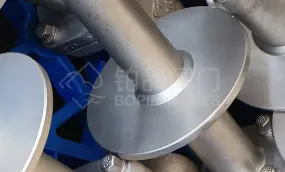
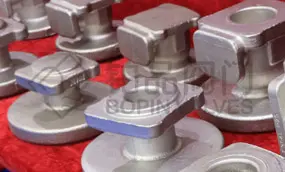
One useful structural feature found on certain cryogenic valve designs is the drip tray. The drip tray is generally arranged around the lower portion of the extended bonnet or stem area and is designed to collect and manage condensation, frost melt, or controlled external discharge. Although relatively simple in appearance, this component can contribute to safer, cleaner, and more reliable valve operation when properly engineered.
1. What Is a Drip Tray Design?
A drip tray is a protective collection structure incorporated into or attached to a cryogenic valve assembly. Its primary purpose is to prevent liquid generated around the cold valve from falling uncontrolled onto the surrounding pipeline, equipment, insulation, platform, or operating area.
During cryogenic operation, the valve body and connected piping can reach very low temperatures. When these cold surfaces come into contact with humid atmospheric air, moisture can condense and freeze. This produces frost or ice around the valve. When the valve warms up during shutdown, maintenance, or changing operating conditions, the accumulated frost may melt.
Without suitable drainage or collection, this liquid can fall directly onto the surrounding equipment or floor. A drip tray provides a defined area for collecting and managing this liquid.
The drip tray should therefore be considered as part of the overall valve installation and drainage concept rather than as a replacement for the valve's pressure-boundary sealing system.
2. Why Is a Drip Tray Important for Cryogenic Valves?
Cryogenic systems operate under conditions that are very different from ordinary industrial piping. Even when a valve has excellent internal and external sealing performance, atmospheric condensation can still occur on its cold external surfaces.
The presence of water and ice around a valve may create several problems. Ice accumulation can make the operating area slippery, interfere with access to the handwheel or actuator, and increase the possibility of damage to insulation. In some installations, uncontrolled liquid may also reach instruments, supports, electrical equipment, or other components that are not designed for cryogenic exposure.
A drip tray helps provide controlled collection and drainage.
For flammable cryogenic fluids such as LNG, good control of liquid and vapor release is particularly important. For oxidizing services such as liquid oxygen, material compatibility, cleanliness, and controlled drainage are also critical.
The exact design requirements depend on the medium, installation arrangement, applicable codes, and customer specifications.
3. Main Functions of the Drip Tray
Condensation Collection
The first function is to collect water resulting from atmospheric condensation. When the valve surface is below the surrounding air's dew point, moisture may condense on exposed surfaces. At sufficiently low temperatures, this moisture freezes into frost.
As operating conditions change, the frost can melt. The drip tray collects this water and helps prevent it from spreading around the installation.
Frost and Ice Management
Cryogenic valves may develop significant frost during continuous operation. Although frost itself is not necessarily evidence of valve leakage, uncontrolled frost accumulation can become a maintenance and safety concern.
A drip tray can help manage meltwater when the valve returns toward ambient temperature.
Controlled Drainage
A well-designed drip tray can guide collected liquid toward a designated drainage point. This is particularly useful in installations where liquid must not be allowed to fall onto insulation, platforms, instruments, or electrical components.
The drainage arrangement should be designed according to the properties of the actual fluid and the site's safety requirements.
Protection of Insulation
Cryogenic valves are frequently insulated to reduce heat transfer and improve thermal efficiency. Uncontrolled moisture can penetrate or damage insulation systems. A drip tray can help keep meltwater away from vulnerable areas.
Improved Workplace Safety
Water or other liquid accumulating below a valve can create slippery conditions. A controlled collection and drainage arrangement helps maintain a cleaner and safer operating environment.
4. Relationship Between Drip Tray and Extended Bonnet
The drip tray is often associated with an extended bonnet or extended stem arrangement.
A cryogenic valve's stem packing should be kept away from the extremely cold region as much as practical. The extended bonnet creates a longer thermal path between the cold valve body and the packing area. This helps maintain the packing at a more suitable temperature and reduces the risk of sealing problems caused by extremely low temperatures.
The drip tray can be incorporated around the lower portion of this extended structure. This allows condensation or frost melt from the external cold area to be collected without interfering with the stem and operating mechanism.
The dimensions of the tray, its location, and the drainage outlet should be coordinated with the valve bonnet, stem, insulation, and surrounding piping.
5. Typical Construction of a Cryogenic Drip Tray
A drip tray normally consists of a collection surface, supporting structure, and, where required, a drainage outlet.
The collection surface should be shaped to prevent unnecessary liquid accumulation. The design should also avoid sharp edges that could create installation or maintenance hazards.
Material selection is important because the tray may be exposed to low temperatures, condensation, frost, cleaning chemicals, and the surrounding environment.
Stainless steel is frequently considered for cryogenic applications because of its corrosion resistance and suitable low-temperature properties. The exact grade should be selected according to the project specification and environmental conditions.
The tray should be mechanically secure but should not impose unacceptable loads on the valve bonnet or stem assembly.
6. Drip Tray Design Considerations
Several factors should be considered when designing a drip tray for a cryogenic valve.
Valve Size
Larger valves may generate more external condensation and frost because of their larger cold surface area. The tray dimensions should therefore be appropriate for the valve size and installation.
Operating Temperature
The minimum operating temperature has a direct influence on frost formation and material selection. Extremely low-temperature applications may require specialized materials and construction.
Fluid Medium
The design must consider whether the service is LNG, liquid nitrogen, liquid oxygen, liquid hydrogen, or another cryogenic medium. Each fluid presents different safety and compatibility considerations.
Drainage Direction
Collected liquid should be directed toward an appropriate safe location. The drainage path should not create a secondary hazard.
Thermal Expansion and Contraction
Cryogenic equipment experiences significant dimensional changes during cooling and warming. The drip tray and its supports should accommodate these changes without excessive stress or distortion.
Insulation
The tray must be compatible with the insulation arrangement. Poor coordination between tray and insulation can result in thermal bridges, water accumulation, or difficult maintenance.
Accessibility
The drip tray should not prevent operators from accessing the handwheel, actuator, bonnet, packing area, or other components requiring inspection.
7. Materials for Drip Tray Construction
Stainless steel is a common choice for drip tray construction because it offers good corrosion resistance and can be suitable for low-temperature environments.
Grades such as 304/304L or 316/316L may be considered depending on the application. 316/316L may be preferred where greater corrosion resistance is required.
For special cryogenic installations, the material may be specified by the customer or engineering company. The selected material should have adequate mechanical properties at the minimum design temperature.
Welding and fabrication procedures should also be controlled. Poor fabrication quality can result in distortion, cracks, sharp edges, or inadequate drainage.
8. Manufacturing and Quality Control
The quality of the drip tray should be considered together with the quality of the complete cryogenic valve.
During manufacturing, dimensional accuracy should be checked to ensure that the tray does not interfere with the stem, bonnet, actuator, insulation, or pipeline.
Welded joints should be inspected according to the applicable quality requirements. Surface finishing should be suitable for the service environment.
For valves used in oxygen service, special cleaning and packaging requirements may apply. Contamination from oil, grease, metal particles, or other foreign substances must be prevented where required by the applicable specification.
The completed valve assembly should also undergo the required pressure, leakage, and functional testing.
9. Applications of Cryogenic Valves with Drip Tray Design
Cryogenic valves equipped with drip tray arrangements can be used in many low-temperature applications.
LNG facilities: Used on LNG storage, loading, unloading, transportation, and process pipelines.
Industrial gas plants: Applicable to liquid nitrogen, liquid oxygen, liquid argon, and other cryogenic gases.
Hydrogen facilities: Useful for low-temperature hydrogen storage and transfer systems where special attention is required for leakage and material compatibility.
Petrochemical plants: Suitable for low-temperature hydrocarbon processing and storage.
Aerospace systems: Cryogenic valves are used for liquid oxygen, hydrogen, and other propellants.
Cryogenic storage tanks: Valves may be installed on tank inlet, outlet, filling, and isolation lines.
10. Advantages of Drip Tray Design
A properly designed drip tray offers several practical benefits:
Helps collect condensation and frost melt.
Reduces uncontrolled liquid accumulation.
Protects nearby insulation and equipment.
Helps maintain cleaner operating areas.
Supports safer drainage arrangements.
Can reduce the risk of slippery surfaces.
Integrates effectively with extended-bonnet cryogenic valve designs.
Provides an additional layer of environmental and installation protection.
However, the drip tray should never be interpreted as a primary leak-containment device unless it has specifically been engineered and certified for that purpose.
11. BOPIN Cryogenic Valve Drip Tray Design
For cryogenic valve projects, BOPIN can configure valve construction according to customer requirements, including extended-stem designs, suitable low-temperature materials, specialized sealing arrangements, and drip tray structures.
For an RFQ, customers should provide valve type, nominal size, pressure class, design and operating temperature, medium, body and trim materials, end connection, operating method, applicable standards, testing requirements, and whether a drip tray and dedicated drain connection are required.
A detailed technical specification allows the manufacturer to determine the appropriate drip tray dimensions and ensure compatibility with the valve, insulation, pipeline, and installation environment.
Conclusion
The drip tray is a practical design feature for selected cryogenic valves. Its main purpose is to manage condensation, frost melt, and controlled external liquid collection around the cold portion of the valve. When properly integrated with an extended bonnet, insulation system, drainage arrangement, and suitable low-temperature materials, it can improve installation cleanliness, equipment protection, and operational safety.
For LNG, industrial gases, hydrogen, petrochemical, aerospace, and cryogenic storage applications, drip tray design should be considered as part of the complete valve engineering package. Correct material selection, dimensional design, drainage, thermal movement, accessibility, testing, and quality control are essential to achieving reliable long-term performance.