







API 608 Flanged ISO 5211 High Platform Floating Type Stainless Steel Ball Valve
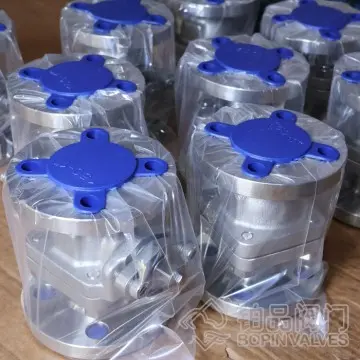
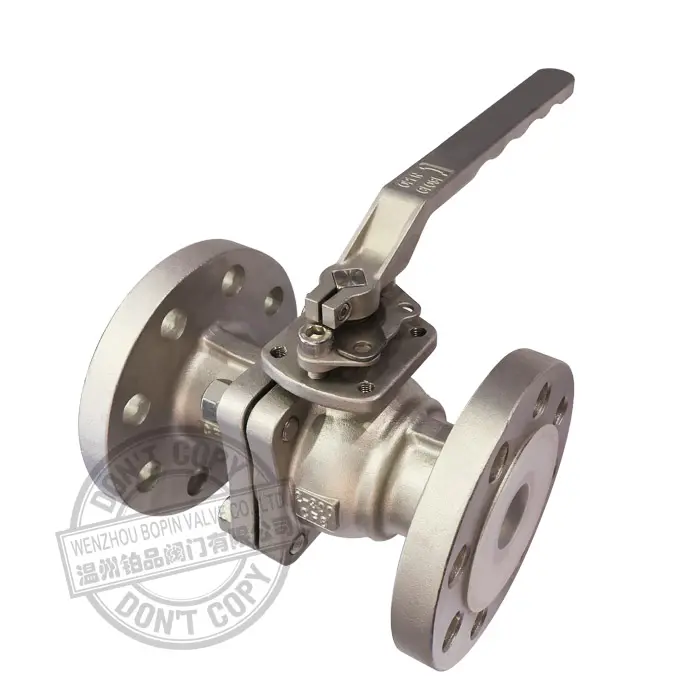
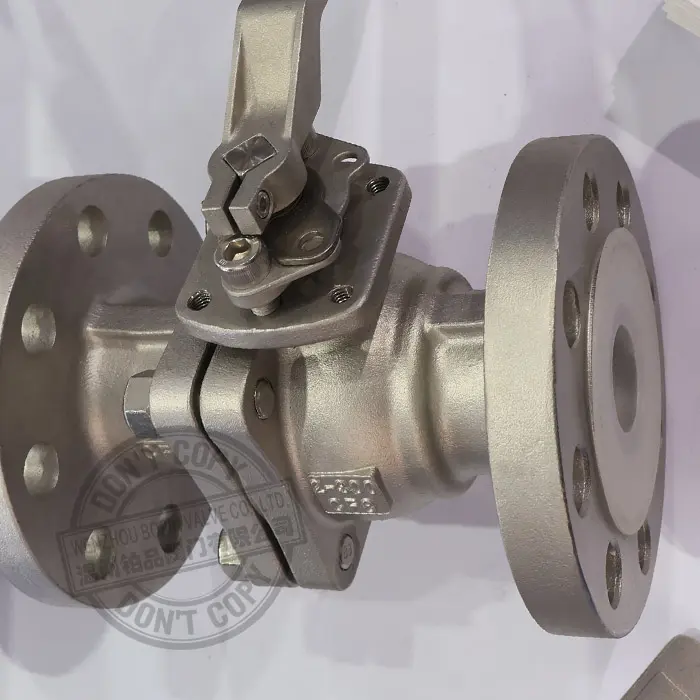
The API flange end 2-piece split body ISO 5211 high platform floating type stainless steel ball valve is a widely used industrial shut-off valve designed for efficient flow control in pipelines handling water, oil, gas, steam, chemical media, and general industrial fluids. With its robust construction, reliable sealing performance, and standardized mounting interface, it has become one of the most preferred valve types in modern process industries, petrochemical plants, and water treatment systems.
Manufactured in accordance with international standards such as API 6D, API 608, and ISO 5211, this stainless steel floating ball valve ensures excellent compatibility with actuators, long service life, and safe operation under demanding working conditions.
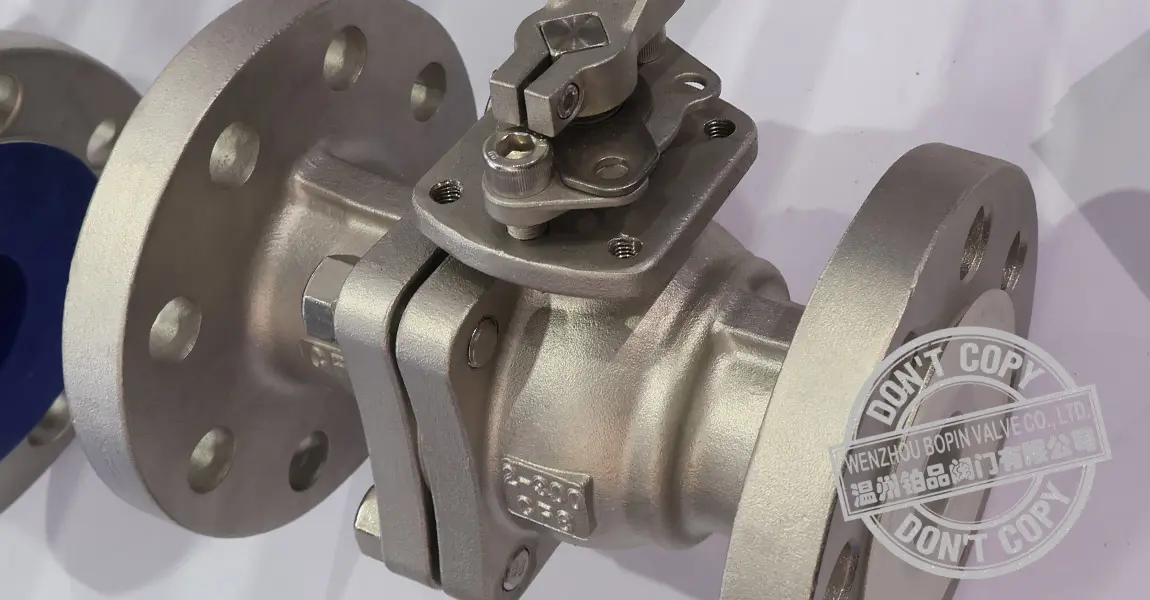
1. Product Structure and Design Features
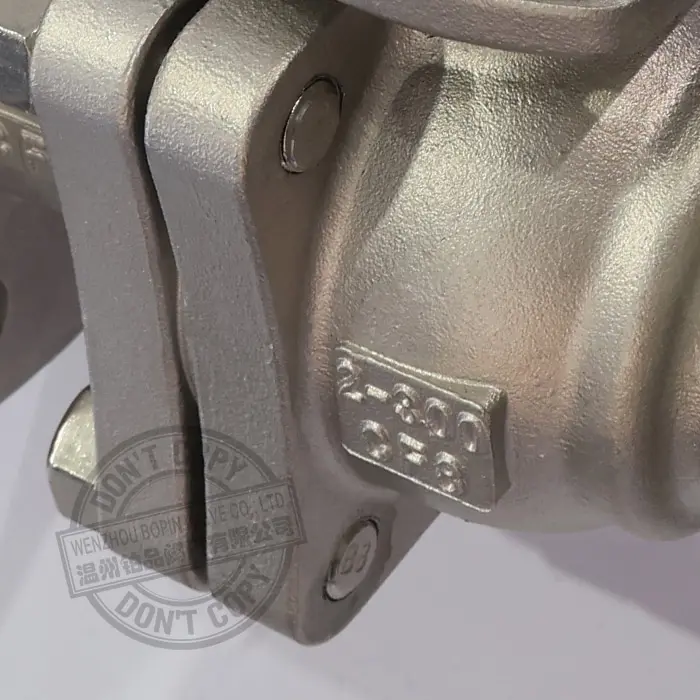
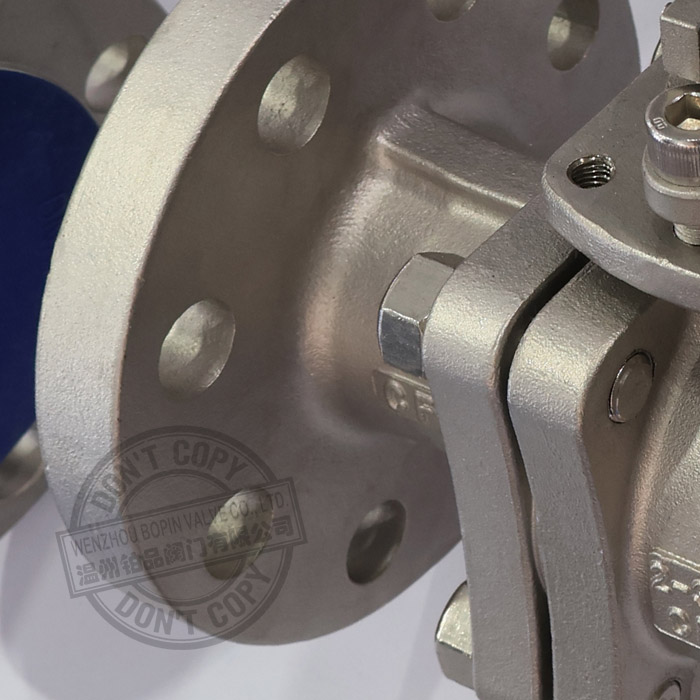
The valve adopts a 2-piece split body construction, which provides better strength, easier maintenance, and reduced leakage risk compared with single-body designs. The split body is bolted together, ensuring tight sealing and stable mechanical performance even under high pressure.
The floating ball design means the ball is not fixed by trunnions; instead, it is held in position by two PTFE or RPTFE seats. When pressure is applied from the upstream side, the ball is pushed against the downstream seat, achieving a tight sealing effect. This structure provides excellent sealing performance, especially for medium and low-pressure applications.
Key structural features include:
- 2-piece split body for easy maintenance and repair
- Floating ball structure for tight sealing performance
- Full bore or reduced bore design options
- Blow-out proof stem for operational safety
- Anti-static device for safe operation in flammable media
- Fire-safe design available upon request
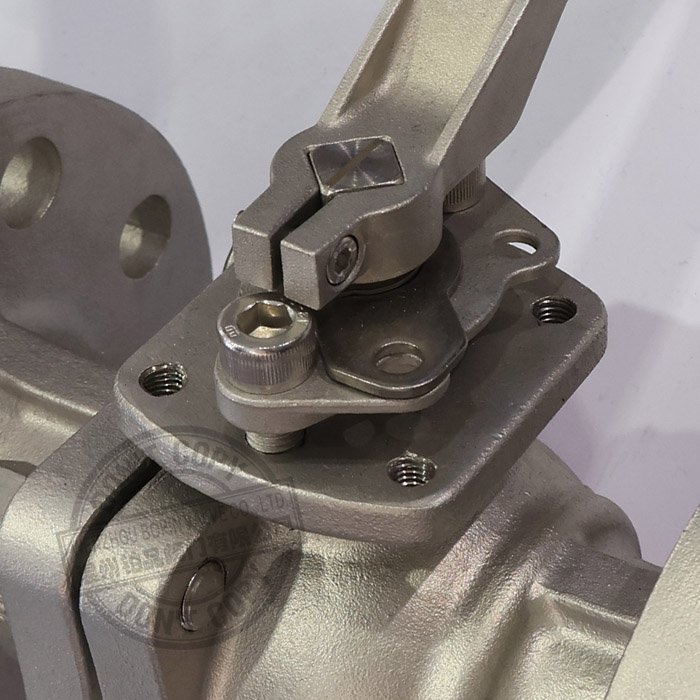
- ISO 5211 high platform for actuator mounting
2. ISO 5211 High Platform Design
One of the most important features of this valve is the ISO 5211 mounting platform, also known as the high platform design. This standardized interface allows direct installation of pneumatic actuators, electric actuators, or gear operators without additional mounting brackets.
Advantages of ISO 5211 platform include:
- Direct actuator installation without modification
- Stronger torque transmission
- Reduced installation time and cost
- Improved alignment and stability
- Suitable for automation systems
This design is particularly suitable for modern industrial automation systems where remote control and smart operation are required.
3. Materials and Construction
The valve body and key components are typically manufactured from high-quality stainless steel materials such as:
- ASTM A351 CF8 (304 stainless steel)
- ASTM A351 CF8M (316 stainless steel)
- Duplex stainless steel options available upon request
These materials provide excellent resistance to corrosion, oxidation, and chemical attack, making the valve suitable for aggressive media and outdoor environments.
Other internal components include:
- Ball: stainless steel polished or hard chrome plated
- Stem: anti-blowout stainless steel
- Seats: PTFE, RPTFE, or reinforced PTFE
- Gasket: graphite or PTFE sealing material
The combination of these materials ensures long-term reliability and stable sealing performance.
4. Working Principle
The floating ball valve operates through a simple 90-degree rotation mechanism. When the handle or actuator turns the stem, the ball rotates accordingly:
- When the bore aligns with the pipeline → valve is open
- When the ball rotates 90 degrees → valve is closed
During closure, the upstream pressure pushes the floating ball against the downstream seat, creating a tight seal. This self-energizing sealing effect is one of the main reasons why floating ball valves are widely used in shut-off applications.
5. Performance Advantages
This API flange end stainless steel ball valve offers multiple advantages in industrial applications:
1. Excellent sealing performance
The floating ball design ensures tight sealing even under low pressure conditions.
2. Compact and robust structure
The 2-piece split body provides high strength and easy maintenance.
3. Easy automation
ISO 5211 platform allows quick installation of electric or pneumatic actuators.
4. Wide applicability
Suitable for water, oil, gas, chemical liquids, and steam systems.
5. Low torque operation
Smooth operation reduces actuator load and energy consumption.
6. Long service life
High-quality stainless steel materials ensure corrosion resistance and durability.
6. Standards Compliance
This valve is designed and manufactured according to internationally recognized standards, ensuring quality and compatibility:
- API 6D – Pipeline valve specification
- API 608 – Metal ball valve standard
- ISO 5211 – Actuator mounting interface
- ASME B16.34 – Pressure-temperature ratings
- EN 1092-1 – Flange end connection standard (optional)
Compliance with these standards ensures that the valve can be used in global engineering projects and industrial systems.
7. Applications
The API flange end 2pc floating ball valve is widely used in various industries, including:
- Petrochemical and chemical processing plants
- Oil and gas transmission systems
- Water treatment and desalination plants
- HVAC and district energy systems
- Pharmaceutical and food processing industries
- Power generation and boiler systems
- General industrial pipeline systems
Its corrosion resistance and reliable shut-off performance make it suitable for both clean and mildly aggressive media.
8. Actuation Options
Thanks to the ISO 5211 high platform, this valve supports multiple operation methods:
- Manual lever operation (standard)
- Worm gear operator (for larger sizes)
- Electric actuator (on/off or modulating control)
- Pneumatic actuator (spring return or double acting)
Automation systems can be easily integrated for remote control, making it ideal for smart industrial plants.
9. Quality Control and Testing
Each valve is subjected to strict quality control and testing procedures before delivery:
- Shell pressure test
- Seat leakage test
- Air pressure test
- Torque test
- Visual and dimensional inspection
These tests ensure that every valve meets industrial safety and performance requirements.