





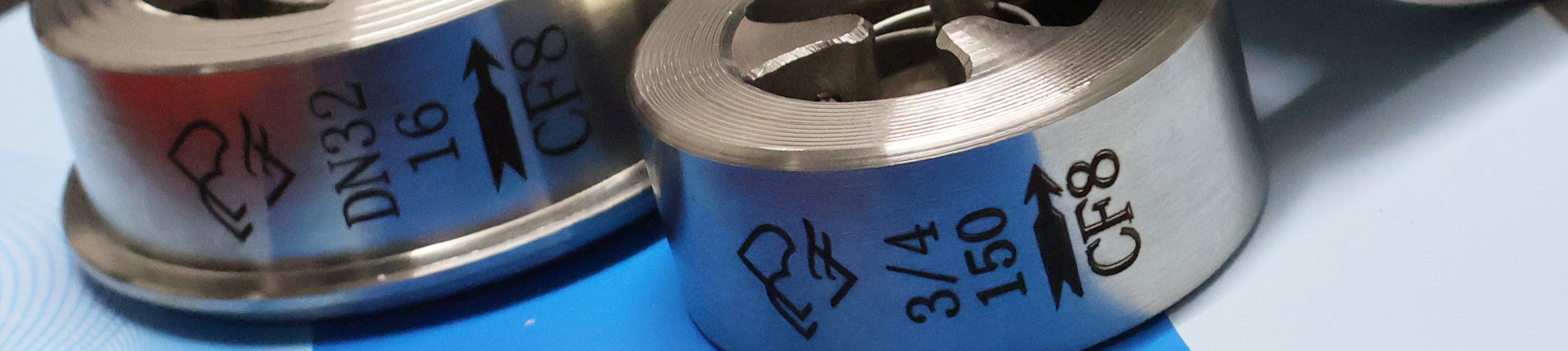
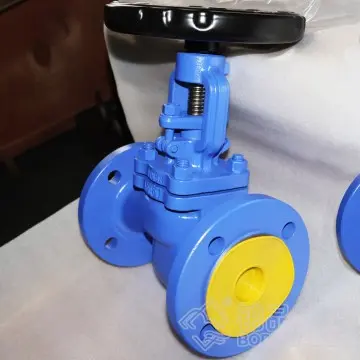
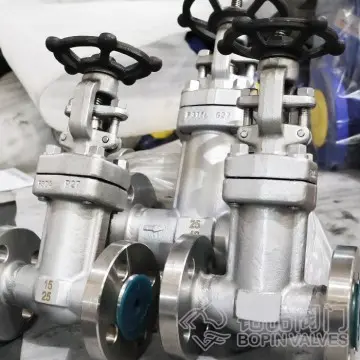
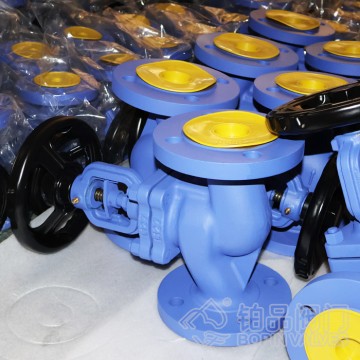


Forged Steel Bellows Sealed Gate Valve Manufacturer
1. Design Features
- Forged stainless steel body
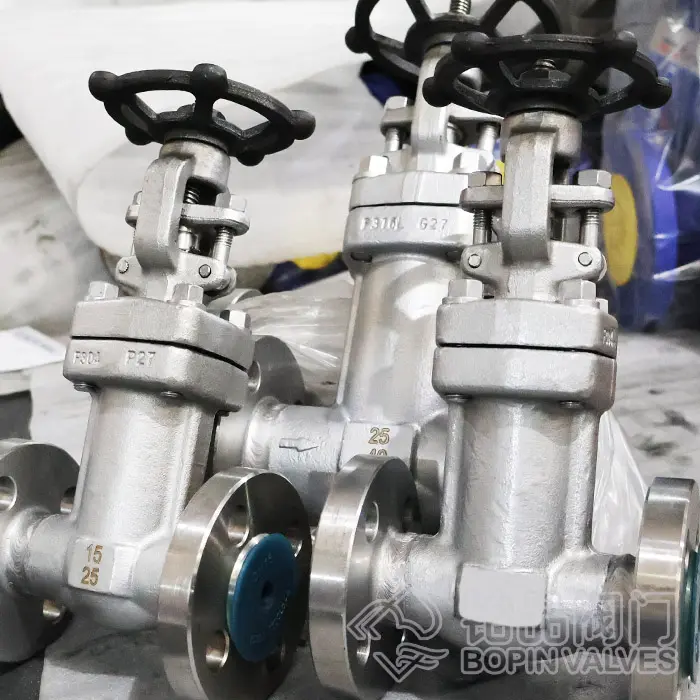
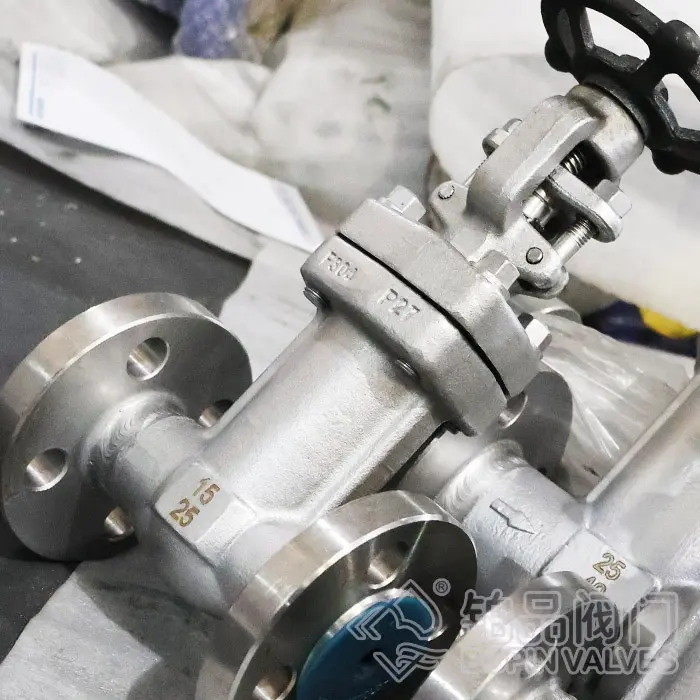
The valve body is manufactured from forged stainless steel F304/ASTM A182 F304 or an equivalent specified material. Forging provides a dense and mechanically strong pressure boundary suitable for high-pressure piping applications.
- Bellows stem sealing
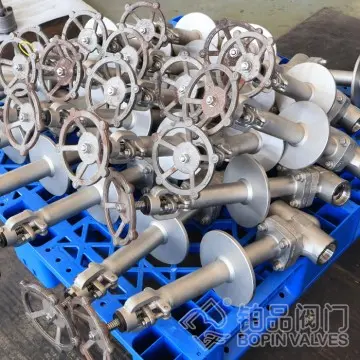
The welded metal bellows forms a dynamic sealing barrier between the valve stem and bonnet. Unlike conventional packing-only designs, the bellows helps prevent process fluid from reaching the external atmosphere during normal operation.
This makes the valve particularly attractive for applications where fugitive-emission control is important.
- Flange end connection
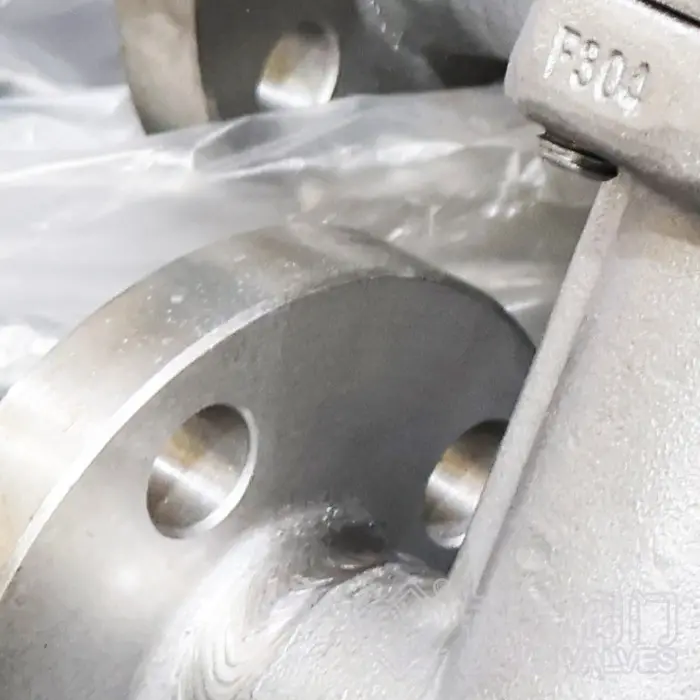
Flanged ends provide convenient installation and removal compared with permanently welded valves. Depending on the project specification, the flange dimensions can be manufactured to applicable standards such as ASME B16.5 or other specified international standards.
- Rising stem design
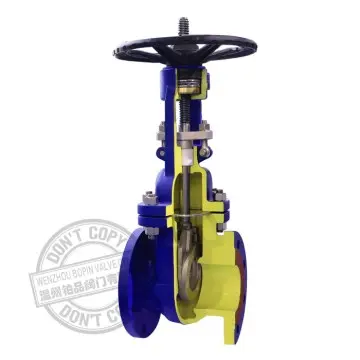
The rising stem allows operators to visually identify the approximate valve position. As the handwheel is rotated, the stem moves upward or downward to open or close the gate.
- Wedge gate design
The wedge-shaped gate provides tight shutoff when the valve is fully closed. The specific wedge and seat configuration can be selected according to pressure class, temperature, media, and project requirements.
- Low-emission construction
The bellows is engineered to accommodate repeated stem movement while maintaining a reliable seal. Proper bellows design, welding quality, and testing are essential for long-term performance.
- Robust bonnet connection
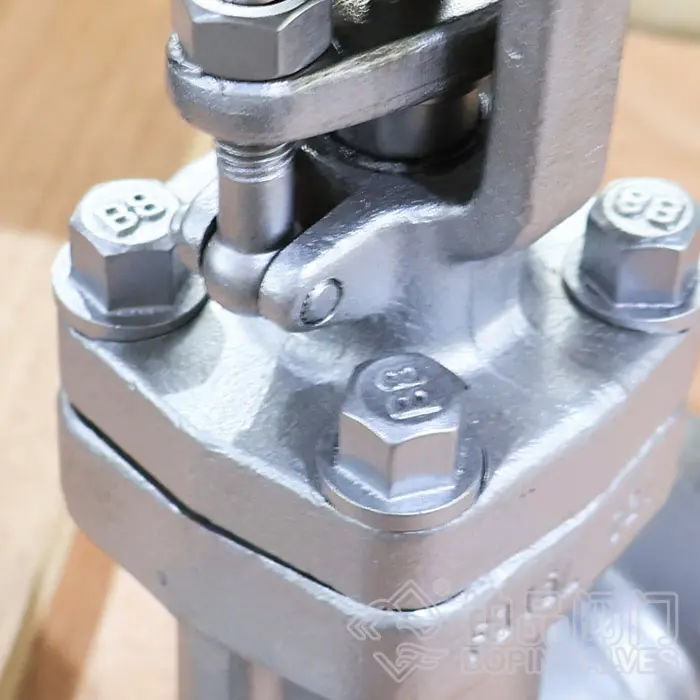
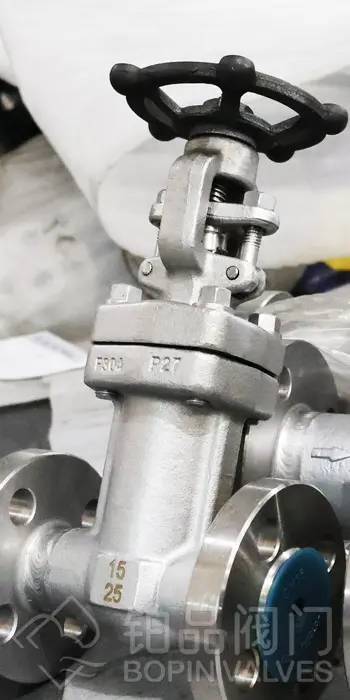
The bonnet and body connection is designed to withstand the internal pressure and operating temperature of the pipeline. Depending on the valve design, a bolted or welded bonnet arrangement can be supplied.
- Replaceable internal components
Seat rings, stem, gate, gasket, and other serviceable components can be designed for maintenance or replacement, depending on the valve specification.
2. Why Choose F304 Stainless Steel?
F304 is one of the most widely used austenitic stainless steels for industrial valve manufacturing. Its combination of corrosion resistance, mechanical properties, availability, and weldability makes it a practical choice for many process applications.
Excellent corrosion resistance
F304 contains chromium and nickel, producing a passive oxide layer that protects the material from many atmospheric and process environments. It is particularly useful for general chemical service, water, clean process fluids, and many non-chloride applications.
However, F304 should not automatically be selected for every corrosive medium. High chloride concentrations, certain acids, and elevated temperatures may require F316/F316L, duplex stainless steel, or more specialized alloys.
Good mechanical properties
Forged F304 provides a strong pressure-containing structure. It is suitable for valve bodies, bonnets, stems, and other components when the applicable pressure-temperature rating is properly considered.
Good toughness
Austenitic stainless steel maintains useful toughness across a broad temperature range, making F304 suitable for many low- and moderate-temperature services.
Good manufacturability
F304 can be forged, machined, and welded using established industrial manufacturing processes. This helps manufacturers produce precision valve components with consistent dimensional control.
Hygienic and clean-service advantages
Its corrosion resistance and relatively clean surface characteristics make stainless steel attractive for certain food, pharmaceutical, water-treatment, and clean-process applications, provided the complete valve design meets the required sanitary specification.
3. Typical Applications
The F304 bellows sealed gate valve can be used wherever dependable isolation and improved stem sealing are required.
Chemical Processing
Chemical plants often handle corrosive or potentially hazardous media. F304 can provide suitable corrosion resistance for many general chemical services, while the bellows helps minimize external leakage.
Petrochemical Plants
The valve can be applied to process pipelines, auxiliary systems, and isolation duties where stainless steel construction and emission control are beneficial.
Oil and Gas
Bellows sealed gate valves can be considered for hydrocarbon and process applications where reducing potential stem leakage is an important design objective.
The valve may be used for steam isolation when the selected material, pressure class, bellows design, gasket, seats, and temperature rating are appropriate for the service conditions.
Power Plants
Typical applications include auxiliary steam, condensate, feedwater-related systems, and other process isolation duties, subject to the project specification.
Water Treatment
F304 offers good resistance to many water-service environments, although chloride concentration and other water chemistry parameters should be evaluated before selection.
Pharmaceutical and Clean-process Systems
Stainless steel valves can be used in controlled process environments where corrosion resistance and reduced external leakage are important.
4. Operation Manual
Correct installation and operation are essential for achieving the expected service life of a FORGED STAINLESS STEEL BELLOWS GATE VALVE.
Step 1: Inspect the valve
Before installation, inspect the valve for transportation damage. Confirm:
- Valve size and pressure class
- Body and trim materials
- Flow passage condition
- Flange dimensions
- Handwheel operation
- Bellows and stem condition
- Identification and nameplate information
Do not install a valve with visible damage to the body, flange, stem, or bellows assembly.
Step 2: Clean the pipeline
Remove welding slag, dirt, rust, scale, and other foreign material from the pipeline. Contamination can damage the sealing surfaces and prevent the gate from achieving proper shutoff.
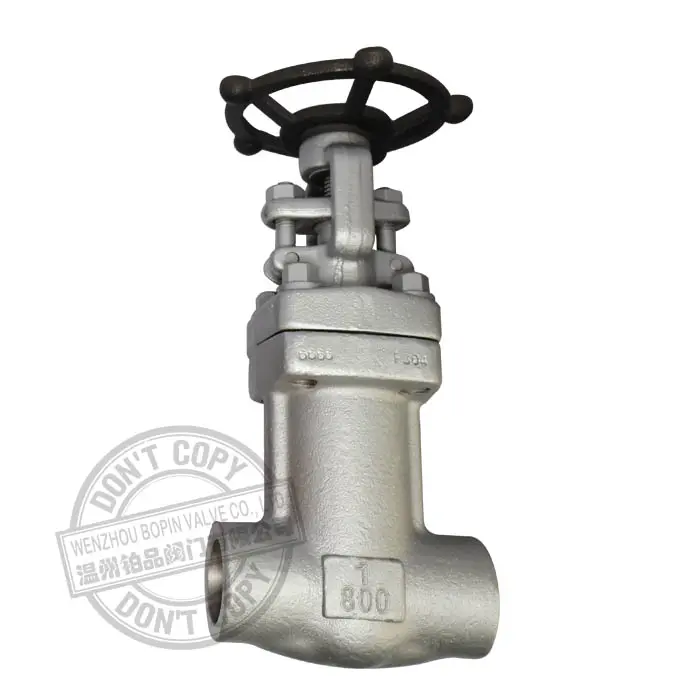
Step 3: Align the flanges
Position the valve between correctly aligned pipe flanges. Avoid using the valve to compensate for pipeline misalignment.
Install the appropriate gasket and tighten flange bolts gradually in a crosswise sequence. Excessive bolt loading should be avoided.
Step 4: Check valve operation
Before introducing pressure, manually operate the handwheel.
For a typical rising-stem gate valve:
- Turn the handwheel in the specified direction to open.
- Turn it in the opposite direction to close.
- Do not use an extension bar or excessive force.
- Do not force the handwheel after the valve reaches its fully open or fully closed position.
Step 5: Pressurize gradually
Introduce process pressure gradually and inspect the body, bonnet, flange joints, and pipeline connections for leakage.
If leakage is detected, depressurize the system before attempting maintenance.
Step 6: Normal operation
Gate valves are primarily intended for isolation service, rather than continuous throttling. Keeping the gate partially open can cause turbulence, vibration, seat damage, and accelerated wear.
For normal operation, the valve should generally be either fully open or fully closed.
Step 7: Maintenance
During scheduled maintenance:
- Isolate the valve from the pipeline.
- Release pressure from the valve cavity as required by the system design.
- Drain or purge hazardous media.
- Confirm zero pressure before disassembly.
- Inspect the gate and seat surfaces.
- Check stem condition.
- Inspect the bellows for deformation, cracking, corrosion, or fatigue.
- Replace damaged gaskets and components.
- Reassemble according to the manufacturer's procedures.
- Perform the required pressure and leakage tests before returning the valve to service.
Important: The bellows should not be repaired by unqualified field welding. Bellows assemblies are precision components, and welding or replacement should follow the manufacturer's approved procedure.
5. RFQs for F304 Bellows Sealed Gate Valves
When requesting a quotation, customers should provide sufficient technical information to ensure the correct valve is selected.
Recommended RFQ information
Valve type: Bellows sealed gate valve
Connection: Flange end
Body: Forged stainless steel F304
Nominal size: DN/NPS
Pressure class: PN/Class
Medium: Steam, water, gas, oil, chemical media, etc.
Operating temperature: Minimum/normal/maximum
Operating pressure: Minimum/normal/maximum
Seat: Metal seated or specified alternative
Stem: Stainless steel grade according to specification
Bellows: Required material and cycle requirement if specified
Flange standard: ASME B16.5, EN 1092-1, or customer specification
Face-to-face: Applicable project standard
Operation: Handwheel, gearbox, actuator, or other
Testing: API 598, EN 12266-1, or specified standard
Inspection: Manufacturer inspection, third-party inspection, PMI, NDE, etc.
Surface treatment: Customer specification
Certificates: Material certificates, test certificates, dimensional reports, etc.
For demanding projects, customers should also specify the required bellows cycle life, fugitive-emission standard, end connection standard, pressure-temperature conditions, and applicable project codes.
6. Why Choose BOPIN Valve?
Choosing a bellows sealed gate valve is not simply a matter of selecting body material and valve size. Manufacturing quality, welding, machining, assembly, testing, and quality control all influence final valve performance. As a Forged Steel A182 F304 Bellows Sealed Gate Valve Manufacturer, BOPIN Valve focuses on industrial valve manufacturing and international supply, providing customized valve solutions for different piping systems and project requirements.

Professional valve manufacturing
BOPIN can supply forged stainless steel valves in different configurations according to customer requirements, including material grades, pressure classes, connection dimensions, operating methods, and special inspection requirements.
Material traceability
For stainless steel valves, material identification and traceability are important. Material certificates and inspection documentation can be provided according to the order requirements.
Strict machining
Precision machining of the body, bonnet, gate, seat, and stem helps ensure correct assembly and reliable sealing.
Bellows quality control
Because the bellows is one of the most important components of this valve, its forming, welding, dimensional accuracy, and integrity require particular attention. Appropriate testing can be arranged according to the customer's technical specification.
Pressure and sealing tests
Finished valves can be tested according to applicable standards and customer requirements. Typical inspection may include shell testing, seat leakage testing, dimensional inspection, visual inspection, and other specified examinations.
OEM and customized service
BOPIN can support OEM requirements, including customer-specific nameplates, markings, materials, dimensions, inspection documents, packaging, and other project requirements.
Export-oriented packaging
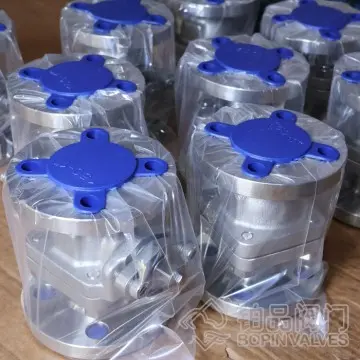
Industrial valves must be protected against moisture, corrosion, impact, and contamination during transportation. Appropriate packaging can include protective flange covers, sealed plastic protection, wooden cases, pallets, and customized export packaging.
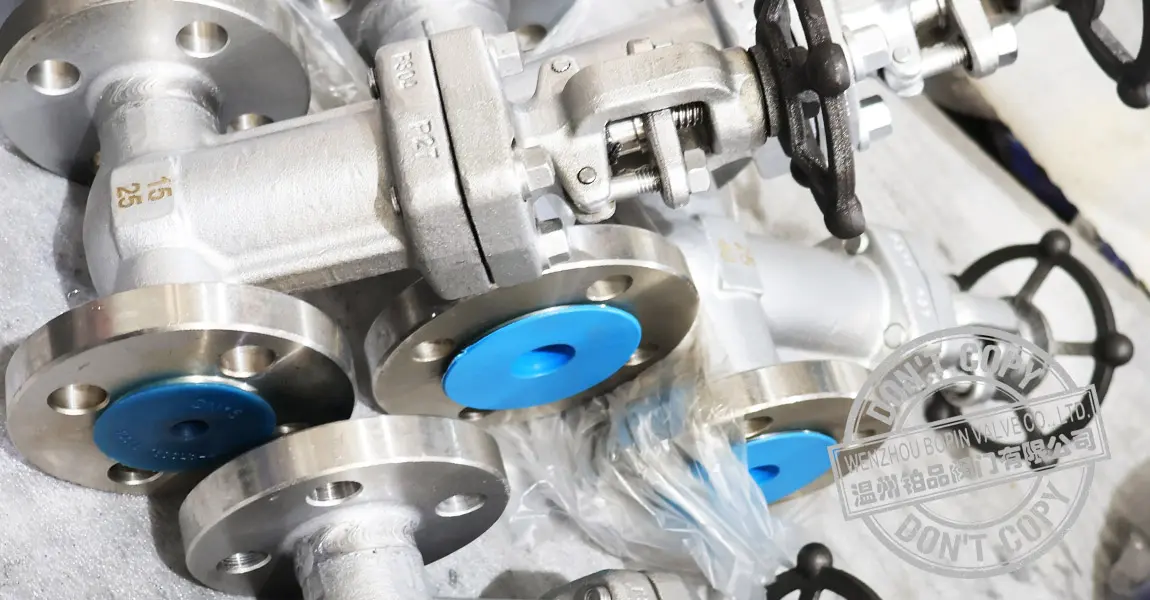
The Flange End Forged Stainless Steel F304 Bellows Sealed Gate Valve combines the mechanical strength of forged stainless steel with the corrosion resistance of F304 and the low-emission advantages of bellows stem sealing. Its flanged construction makes it convenient for installation and maintenance, while the gate design provides dependable pipeline isolation.
For chemical processing, petrochemical facilities, steam systems, power plants, water treatment, and other industrial applications, F304 can be an economical and reliable material when its corrosion and temperature limitations are compatible with the process.
For the best valve selection, always confirm size, pressure class, temperature, medium, flange standard, seat design, bellows requirements, testing standard, and applicable project specifications before placing an order.