







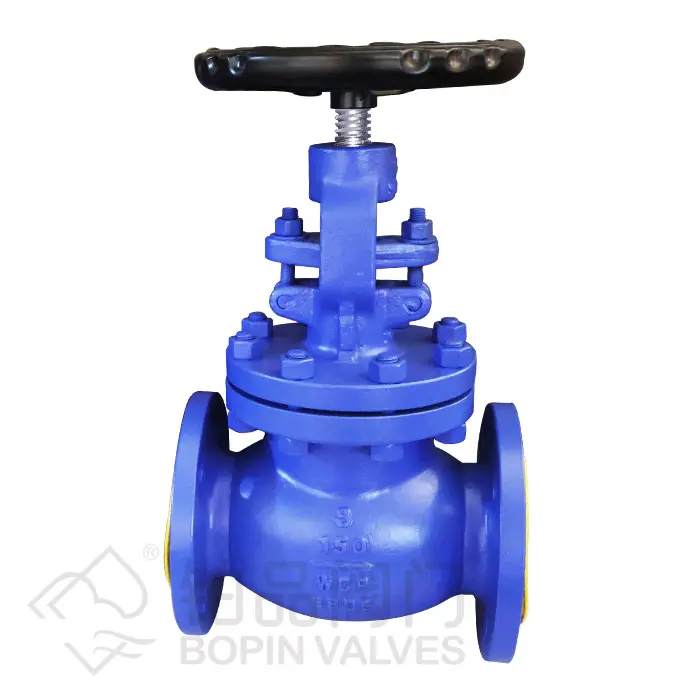
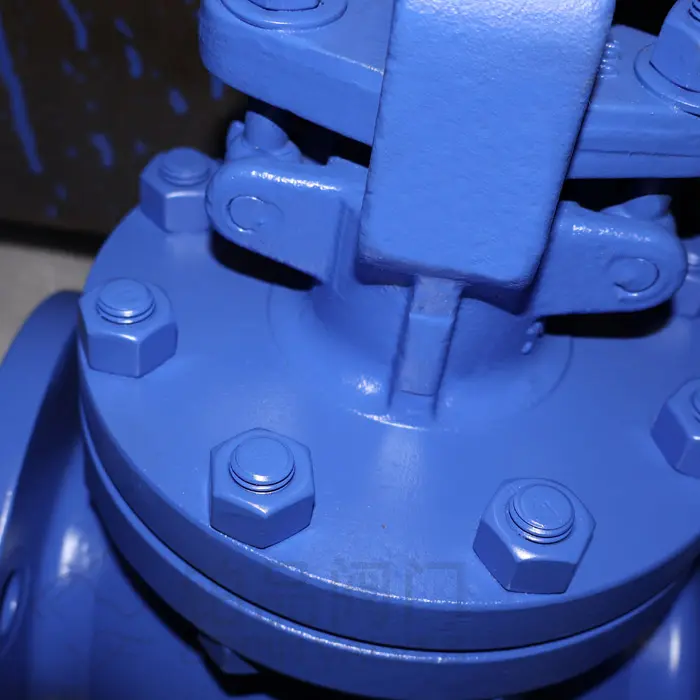
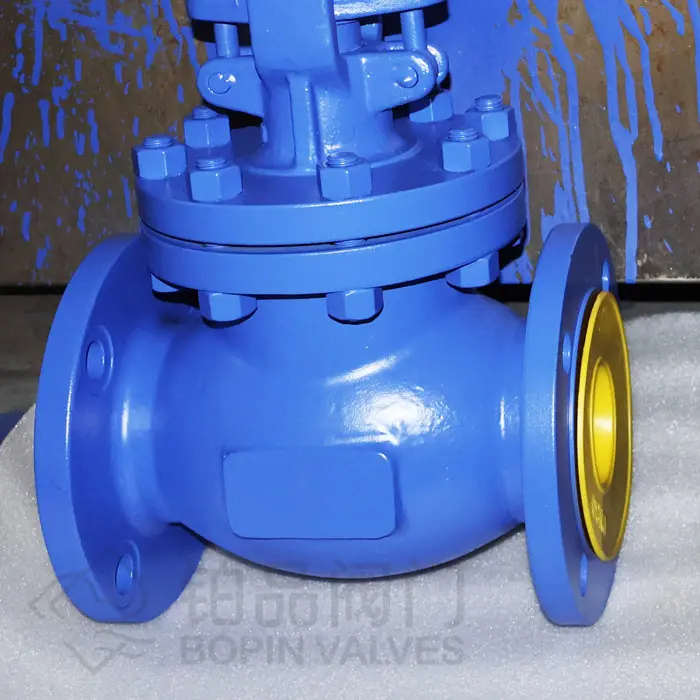
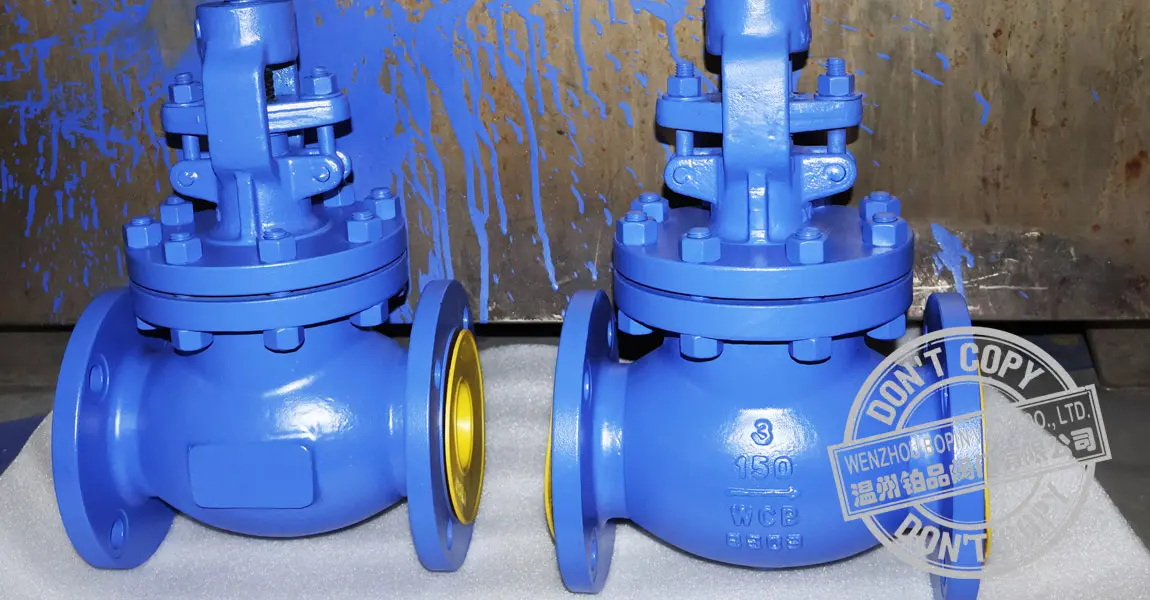
API 623 Cast Steel Globe Valve
Introduction of API 623 Cast Steel Globe Valve
An API 623 Cast Steel Globe Valve is a high-performance industrial valve designed according to the requirements of API 623 – Specification for Steel Globe Valves, widely used for high-temperature, high-pressure, and critical shut-off applications. It is commonly applied in oil and gas, petrochemical, power generation, steam systems, refining plants, and chemical processing industries.
Compared with standard globe valves, API 623 globe valves feature optimized flow characteristics, robust cast steel construction, reliable sealing performance, and excellent durability under severe operating conditions. The valve is mainly used for throttling, isolation, and flow regulation of liquids, gases, and steam.
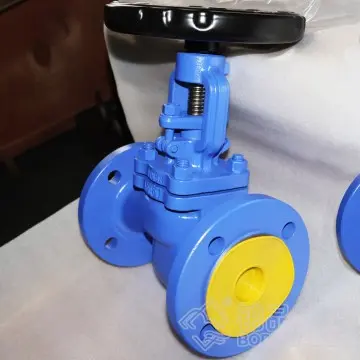
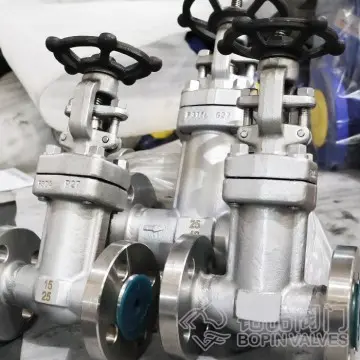
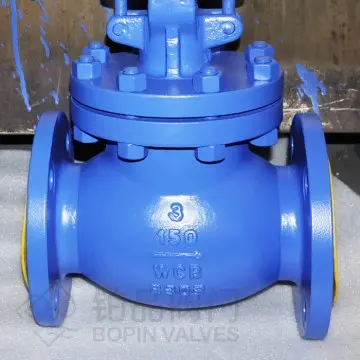
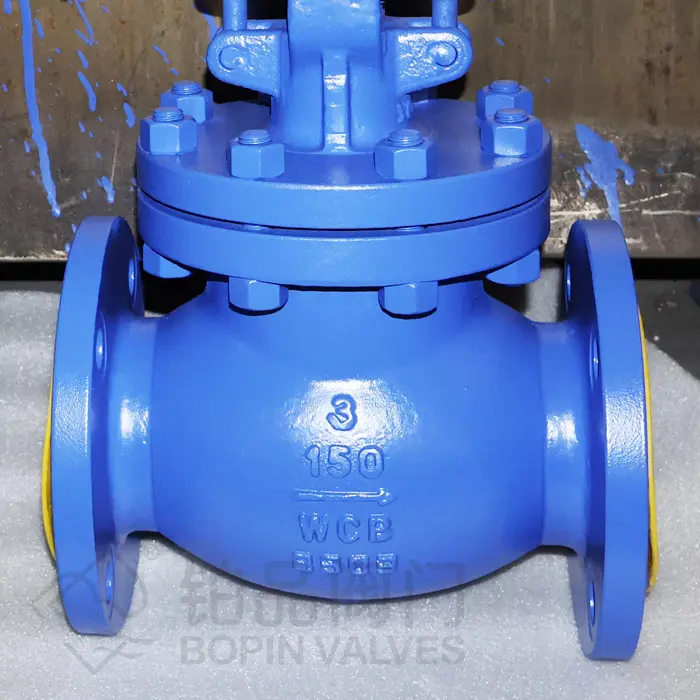
A typical API 623 cast steel globe valve consists of a cast steel body, bonnet, stem, disc, seat rings, packing system, and handwheel or actuator. The body and bonnet are manufactured through precision casting processes to ensure strength, dimensional accuracy, and long service life.
Common materials include:
- ASTM A216 WCB carbon steel
- ASTM A217 WC6 / WC9 alloy steel
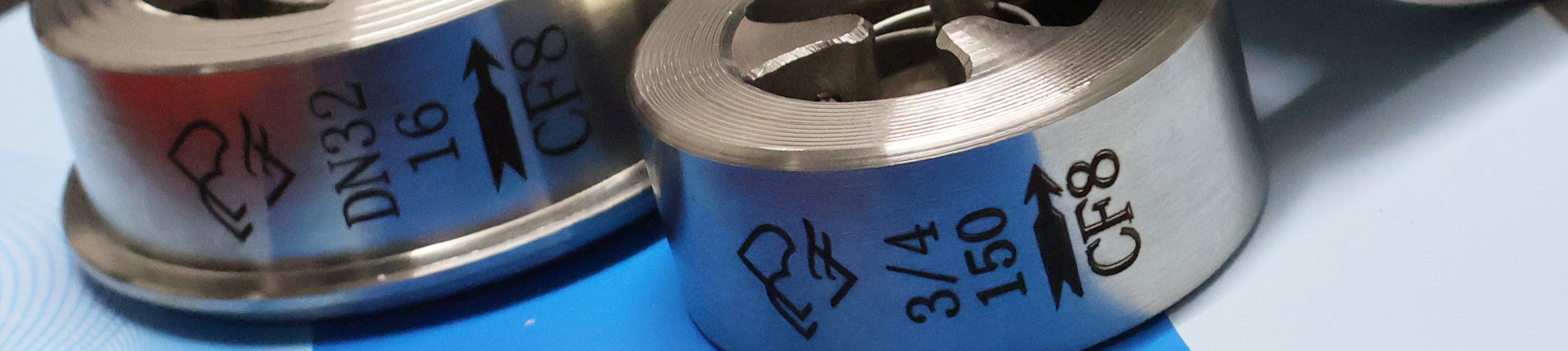
- ASTM A351 CF8 / CF8M stainless steel
- Duplex stainless steel
- Special alloy materials for corrosive or high-temperature services
BOPIN Valve provides OEM manufacturing solutions for API 623 globe valves with customized materials, pressure ratings, end connections, coatings, and inspection requirements.
1. Main Features of API 623 Cast Steel Globe Valve
1.1 Heavy-Duty Cast Steel Construction
API 623 globe valves are manufactured with a strong cast steel body designed to withstand high-pressure and high-temperature operating environments.
The cast body provides:
- High mechanical strength
- Excellent pressure resistance
- Good dimensional stability
- Long service life under continuous operation
The wall thickness is designed according to API 623 and ASME B16.34 requirements to ensure safe operation.
1.2 Excellent Shut-Off Performance
The globe valve uses a disc-to-seat sealing structure. When the valve closes, the disc presses against the seat surface to create a tight shut-off.
Typical sealing designs include:
- Flat seat disc
- Plug-type disc
- Parabolic throttling disc
The sealing surfaces are normally hardened through:
- Stellite overlay welding
- Hard chrome coating
- Surface grinding and lapping
These treatments improve:
- Wear resistance
- Erosion resistance
- Leakage prevention
1.3 Suitable for High Temperature Steam Service
API 623 cast steel globe valves are widely used in steam systems because of their reliable performance under high temperatures.
Typical applications:
- Main steam lines
- Boiler systems
- Power plants
- Heat exchangers
- Superheated steam pipelines
For high-temperature applications, alloy steel materials such as WC6 and WC9 are commonly selected.
2. Casting Process of API 623 Cast Steel Globe Valve
The casting process directly affects the mechanical properties, pressure capability, and service life of the valve body and bonnet.
2.1 Pattern Manufacturing
The first step is producing a casting pattern according to the valve design drawing.
The pattern determines:
- Body dimensions
- Bonnet shape
- Wall thickness
- Machining allowance
Modern valve manufacturers commonly use:
- CAD modeling
- CNC pattern processing
- 3D inspection technology
to improve casting accuracy.
2.2 Sand Mold Preparation
Most API 623 cast steel globe valves are manufactured using sand casting.
The process includes:
- Preparing molding sand
- Installing the pattern
- Creating the mold cavity
- Installing cores
- Closing the mold
The core creates internal passages such as:
- Flow channels
- Valve cavities
- Bonnet chambers
High-quality molding materials help prevent:
- Sand inclusion
- Porosity
- Surface defects
2.3 Steel Melting and Pouring
The selected steel material is melted in an electric furnace.
During melting, manufacturers control:
- Chemical composition
- Carbon content
- Alloy elements
- Temperature
Common inspection methods include:
- Spectrometer analysis
- Chemical testing
- Temperature monitoring
After reaching the required temperature, molten steel is poured into the mold.
2.4 Heat Treatment
After casting, the valve body undergoes heat treatment to improve mechanical properties.
Common processes include:
Normalizing
Used for carbon steel valves.
Benefits:
- Improves grain structure
- Increases strength
- Reduces casting stress
Quenching and Tempering
Used for alloy steel valves.
Benefits:
- Higher toughness
- Better high-temperature performance
- Improved durability
Solution Treatment
Used for stainless steel materials.
Benefits:
- Improved corrosion resistance
- Stabilized structure
2.5 Machining Process
After heat treatment, the casting enters machining.
Main machining operations include:
- CNC turning
- Milling
- Drilling
- Grinding
- Thread processing
Precision machining ensures:
- Correct flange dimensions
- Accurate stem movement
- Proper seat alignment
- Reliable sealing
2.6 Inspection and Testing
API 623 globe valves require strict inspection before delivery.
Typical tests include:
Chemical Analysis
Confirms material grade.
Mechanical Testing
Includes:
- Tensile test
- Impact test
- Hardness test
Non-Destructive Testing (NDT)
Common methods:
- Radiographic testing (RT)
- Ultrasonic testing (UT)
- Magnetic particle testing (MT)
- Liquid penetrant testing (PT)
Pressure Testing
According to API and ASME requirements:
- Shell test
- Seat leakage test
3. Painting Process of API 623 Cast Steel Globe Valve
Proper coating protection prevents corrosion during transportation, storage, and operation.
3.1 Surface Preparation
Before painting, the valve surface must be cleaned.
The standard preparation process includes:
- Degreasing
- Sand blasting
- Dust removal
Usually, the surface is treated to:
- Sa 2.5 near-white metal finish
- SSPC-SP10 standard
A clean surface improves paint adhesion.
3.2 Primer Coating
The first coating layer is primer.
Common primers include:
- Zinc-rich epoxy primer
- Epoxy anticorrosion primer
Functions:
- Prevent rust formation
- Improve coating adhesion
- Protect steel surface
3.3 Intermediate Coating
The intermediate layer increases coating thickness and protection.
Common materials:
- Epoxy intermediate paint
- High-build epoxy coating
It provides:
- Chemical resistance
- Moisture protection
- Mechanical strength
3.4 Final Painting
The final coat provides environmental protection and appearance.
Common top coatings:
- Polyurethane paint
- Alkyd paint
- Heat-resistant coating
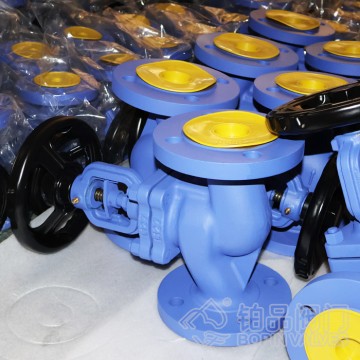
Customers may request customized colors according to:
- RAL standards
- Project requirements
- Company identification
4. Material Comparison of API 623 Cast Steel Globe Valve
| Material | Characteristics | Applications |
|---|---|---|
| ASTM A216 WCB | Good strength, economical, widely used | Water, oil, steam, general industrial service |
| ASTM A217 WC6 | Excellent high-temperature resistance | Power plants, steam systems |
| ASTM A217 WC9 | Better creep resistance than WC6 | High-temperature pressure systems |
| ASTM A351 CF8 | Good corrosion resistance | Chemical industries |
| ASTM A351 CF8M | Superior chloride resistance | Marine, chemical applications |
| Duplex Stainless Steel | High strength and corrosion resistance | Offshore, aggressive media |
WCB Carbon Steel
WCB is the most common material for API 623 globe valves.
Advantages:
- Cost-effective
- Strong mechanical properties
- Easy availability
Suitable for:
- Steam
- Water
- Oil
- Gas
WC6/WC9 Alloy Steel
Alloy steel is selected for high-temperature applications.
Advantages:
- Better creep resistance
- Higher temperature capability
- Longer service life
Common industries:
- Thermal power plants
- Petrochemical plants
Stainless Steel
Stainless steel provides excellent corrosion resistance.
Suitable for:
- Acidic media
- Chemical fluids
- Food processing
- Pharmaceutical industries
5. Selection Tips for API 623 Globe Valve
5.1 Confirm Operating Conditions
Before selection, determine:
- Medium type
- Pressure
- Temperature
- Flow rate
Incorrect selection may cause:
- Leakage
- Material failure
- Short service life
5.2 Select Proper Material
Material selection depends on:
- Corrosion level
- Temperature
- Pressure
- Chemical compatibility
Examples:
- Steam → WCB, WC6, WC9
- Corrosive chemicals → CF8M
- High-temperature service → Alloy steel
5.3 Choose Correct Pressure Class
Common pressure ratings:
- Class 150
- Class 300
- Class 600
- Class 900
- Class 1500
Higher pressure systems require stronger valve designs.
5.4 Consider End Connection
Common connection types:
- Flanged ends
- Butt weld ends
Flanged valves are easier for maintenance, while butt weld valves provide stronger pipeline connections.
5.5 Consider Actuation Requirements
API 623 globe valves can be operated by:
- Handwheel
- Gear operator
- Pneumatic actuator
- Electric actuator
Automatic operation is recommended for:
- Remote control systems
- Large size valves
- Critical processes
6. Applications of API 623 Cast Steel Globe Valve
API 623 globe valves are widely used in:
Oil and Gas Industry
Applications:
- Refinery pipelines
- Processing units
- Oil transportation systems
Power Generation
Applications:
- Boiler feed systems
- Steam pipelines
- Turbine systems
Chemical Industry
Applications:
- Chemical processing
- Corrosive fluid control
- High-pressure systems
Petrochemical Industry
Applications:
- Hydrocarbon processing
- High-temperature service
7. FAQ of API 623 Cast Steel Globe Valve
Q1: What is API 623 globe valve?
API 623 globe valve is a steel globe valve designed according to API 623 requirements for industrial applications requiring reliable shut-off and throttling performance.
Q2: What is the difference between API 623 and API 600 valves?
API 600 mainly covers steel gate valves, while API 623 specifically covers steel globe valves.
The main differences are:
- Gate valve → isolation service
- Globe valve → throttling and regulation service
Q3: Which materials are commonly used for API 623 globe valves?
Common materials include:
- ASTM A216 WCB
- ASTM A217 WC6
- ASTM A217 WC9
- ASTM A351 CF8M
Q4: Can API 623 globe valves be used for steam?
Yes. API 623 globe valves are widely used for steam applications due to their excellent pressure and temperature resistance.
Q5: How can the service life of API 623 globe valves be improved?
Service life can be improved through:
- Correct material selection
- Proper coating protection
- Regular maintenance
- High-quality sealing surface treatment