





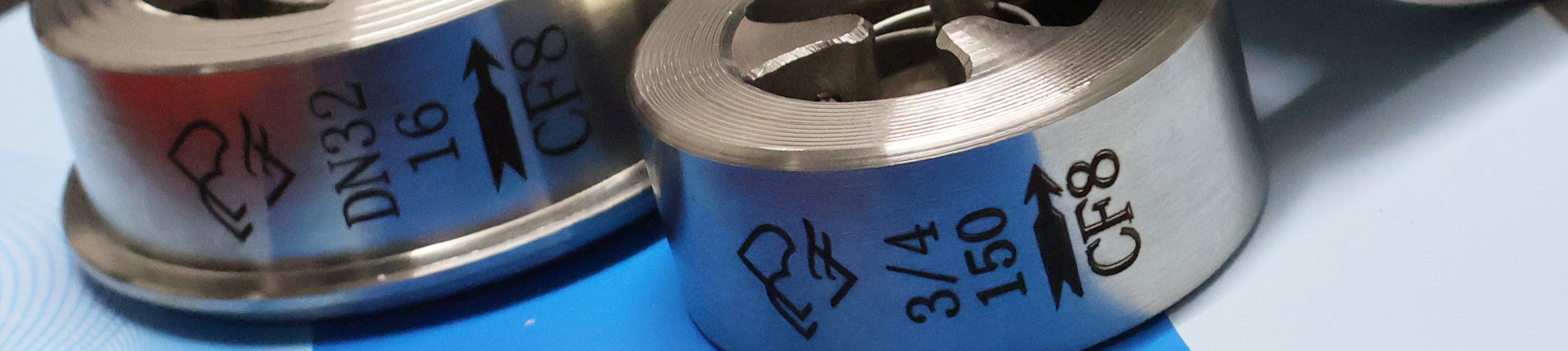
GLOBE VALVES
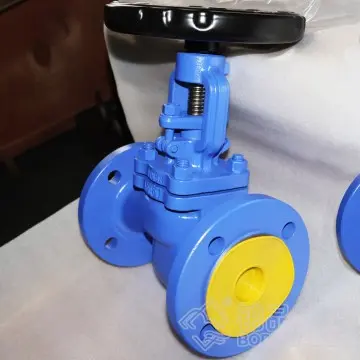
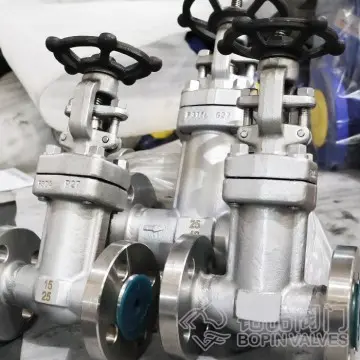
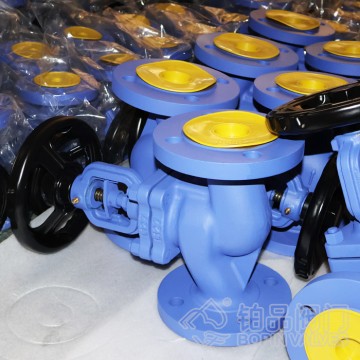
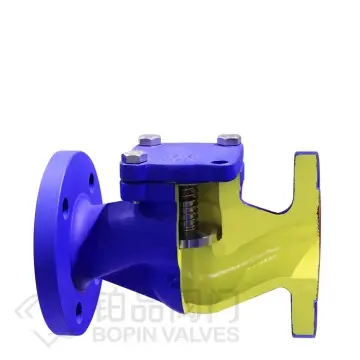
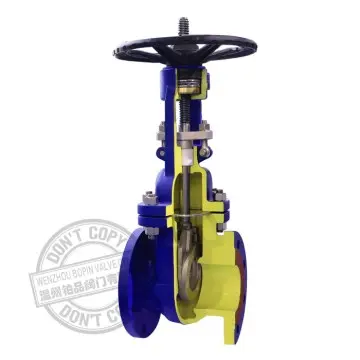
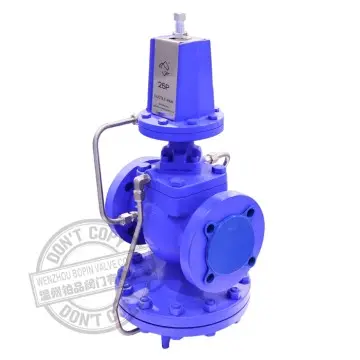


Bellows Sealed Valves Manufacturers
1. What Is a Bellows Valve?
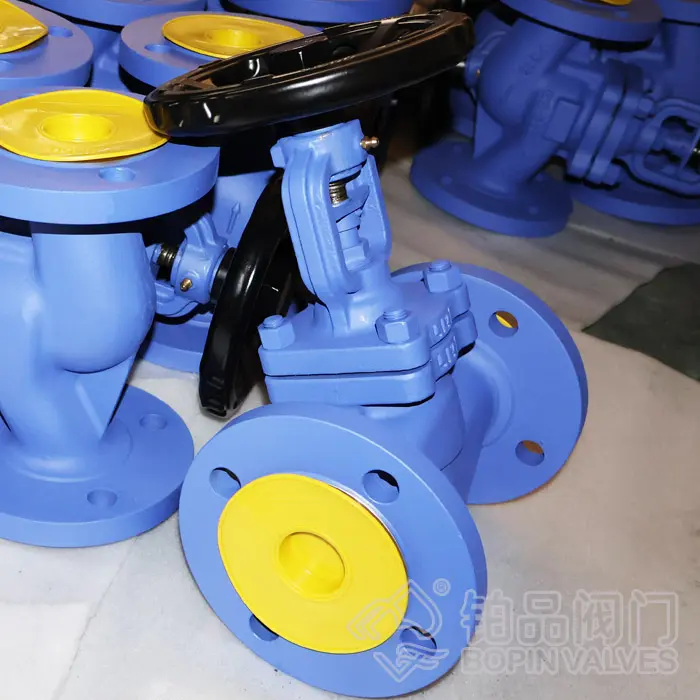
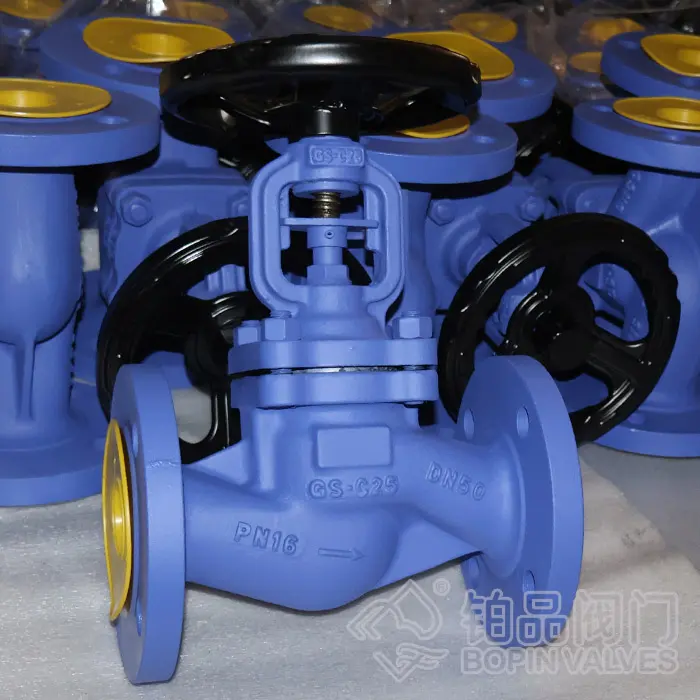
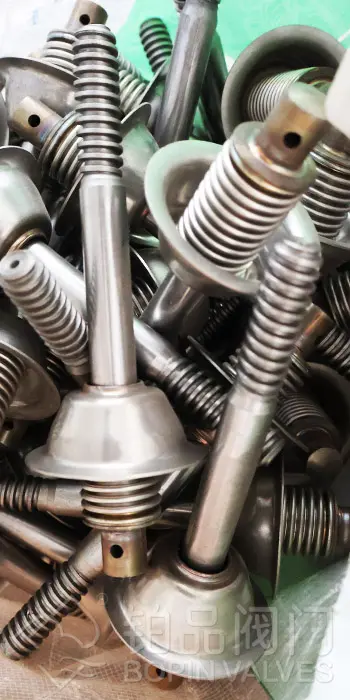
A bellows valve is generally a globe or gate valve incorporating a metallic bellows seal around the stem. The bellows is welded or otherwise integrated between the stem/bonnet assembly so that the process fluid does not normally contact the conventional packing area.
The major advantage is the additional sealing barrier. A conventional globe valve relies on packing around the stem, while a bellows sealed design uses the metallic bellows as the primary dynamic sealing barrier. Many industrial designs also retain packing as a secondary seal, creating a double-sealing arrangement.
Typical bellows valve configurations include:
● Bellows sealed globe valves
● Bellows sealed gate valves
● DIN bellows globe valves
● API 602 forged bellows globe valves
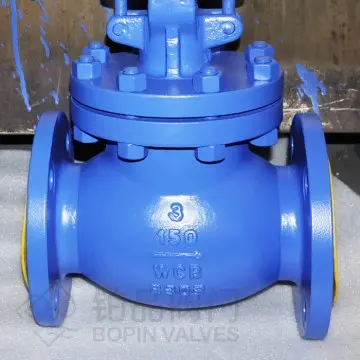
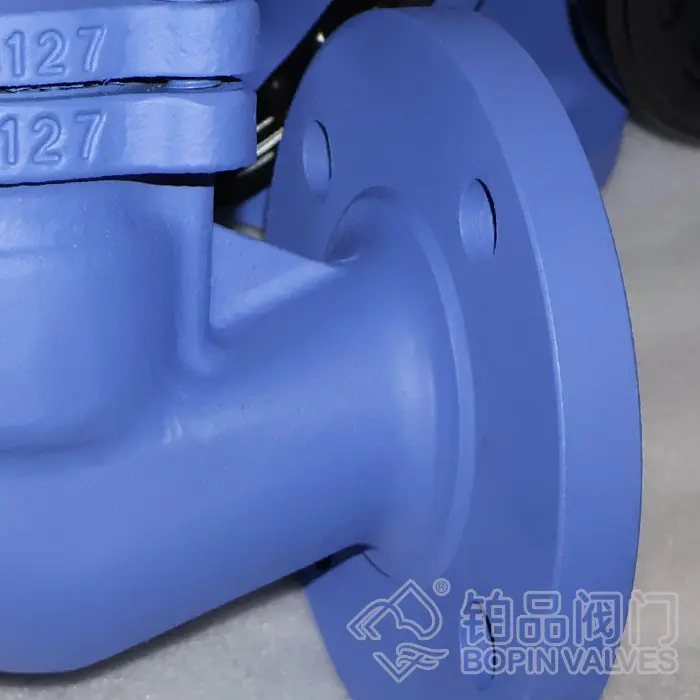
● Flanged bellows globe valves
● Socket-weld bellows globe valves
● Threaded-end bellows valves
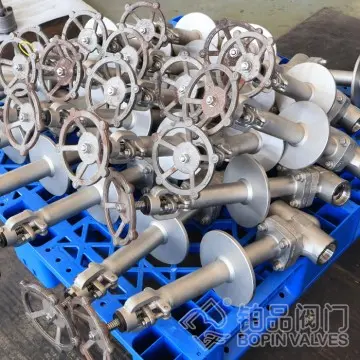
● Cryogenic bellows valves with extended stems
● Manual and actuated bellows valves
For steam and thermal-oil systems, globe-type bellows valves are particularly common because they provide reliable isolation while helping control stem emissions.
The major advantage is the additional sealing barrier. A conventional globe valve relies on packing around the stem, while a bellows sealed design uses the metallic bellows as the primary dynamic sealing barrier. Many industrial designs also retain packing as a secondary seal, creating a double-sealing arrangement.
Typical bellows valve configurations include:
● Bellows sealed globe valves
● Bellows sealed gate valves
● DIN bellows globe valves
● API 602 forged bellows globe valves
● Flanged bellows globe valves
● Socket-weld bellows globe valves
● Threaded-end bellows valves
● Cryogenic bellows valves with extended stems
● Manual and actuated bellows valves
For steam and thermal-oil systems, globe-type bellows valves are particularly common because they provide reliable isolation while helping control stem emissions.
2. Standards for Bellows Valves
Selecting the correct standard is essential because the design, dimensions, pressure-temperature ratings, connections and testing requirements depend on the applicable specification.
Common standards include:
API 602
API 602 is widely applied to compact forged steel gate, globe and check valves. Bellows sealed forged globe valves may also be designed around API 602 requirements. Related specifications commonly include ASME B16.34 and MSS SP-117.
DIN 3356 / EN 13709
DIN 3356 and EN 13709 are important standards for industrial globe valves, particularly in European-style steam and process systems. BOPIN offers DIN bellows sealed globe valves in stainless steel and other materials.
MSS SP-117
MSS SP-117 is specifically associated with bellows-sealed valves and can be referenced for bellows construction and performance requirements.
ASME B16.34
ASME B16.34 is commonly applied to valve pressure-temperature ratings, materials, dimensions and other design requirements.
Connection and testing standards
Depending on the valve configuration, other standards may include:
● ASME B16.5 – flanged connections
● ASME B16.10 – face-to-face dimensions
● ASME B16.11 – socket-weld and threaded forged fittings/connections
● ASME B16.25 – butt-weld ends
● API 598 – valve inspection and pressure testing
● ISO 15848 – fugitive-emission testing, when specified
Actual standards should always be confirmed against the individual purchase specification.
Common standards include:
API 602
API 602 is widely applied to compact forged steel gate, globe and check valves. Bellows sealed forged globe valves may also be designed around API 602 requirements. Related specifications commonly include ASME B16.34 and MSS SP-117.
DIN 3356 / EN 13709
DIN 3356 and EN 13709 are important standards for industrial globe valves, particularly in European-style steam and process systems. BOPIN offers DIN bellows sealed globe valves in stainless steel and other materials.
MSS SP-117
MSS SP-117 is specifically associated with bellows-sealed valves and can be referenced for bellows construction and performance requirements.
ASME B16.34
ASME B16.34 is commonly applied to valve pressure-temperature ratings, materials, dimensions and other design requirements.
Connection and testing standards
Depending on the valve configuration, other standards may include:
● ASME B16.5 – flanged connections
● ASME B16.10 – face-to-face dimensions
● ASME B16.11 – socket-weld and threaded forged fittings/connections
● ASME B16.25 – butt-weld ends
● API 598 – valve inspection and pressure testing
● ISO 15848 – fugitive-emission testing, when specified
Actual standards should always be confirmed against the individual purchase specification.
In the API 600 valve, the stem is typically made from stainless steel or other corrosion-resistant materials to prevent failure due to exposure to harsh fluids or high temperatures.
3. Main Features of Bellows Valves
The principal features include:
Metallic bellows sealing: The bellows isolates the valve stem from the process fluid and helps prevent atmospheric leakage.
Low fugitive emissions: Bellows construction is particularly valuable for chemical, petrochemical and hazardous-media applications where emissions must be minimized.
Double sealing: Many designs incorporate both bellows and packing, providing a secondary sealing barrier.
Outside screw and yoke: Common in industrial globe valve designs and facilitates visual inspection of stem movement.
Rising stem: Provides a clear indication of valve position.
Backseat arrangement: A backseat can provide additional sealing when the valve is fully open, depending on the design.
Replaceable seat options: Certain globe valve designs can incorporate renewable seat rings to facilitate maintenance.
Multiple end connections: Depending on size and standard, valves can be supplied with RF flanges, RTJ flanges, socket-weld, threaded or butt-weld ends.
Manual or automatic operation: Handwheel operation is standard for many smaller valves, while gearboxes, electric actuators and pneumatic actuators can be supplied for larger or automated systems.
Metallic bellows sealing: The bellows isolates the valve stem from the process fluid and helps prevent atmospheric leakage.
Low fugitive emissions: Bellows construction is particularly valuable for chemical, petrochemical and hazardous-media applications where emissions must be minimized.
Double sealing: Many designs incorporate both bellows and packing, providing a secondary sealing barrier.
Outside screw and yoke: Common in industrial globe valve designs and facilitates visual inspection of stem movement.
Rising stem: Provides a clear indication of valve position.
Backseat arrangement: A backseat can provide additional sealing when the valve is fully open, depending on the design.
Replaceable seat options: Certain globe valve designs can incorporate renewable seat rings to facilitate maintenance.
Multiple end connections: Depending on size and standard, valves can be supplied with RF flanges, RTJ flanges, socket-weld, threaded or butt-weld ends.
Manual or automatic operation: Handwheel operation is standard for many smaller valves, while gearboxes, electric actuators and pneumatic actuators can be supplied for larger or automated systems.
4. Materials Used by Chinese Bellows Valve Manufacturers
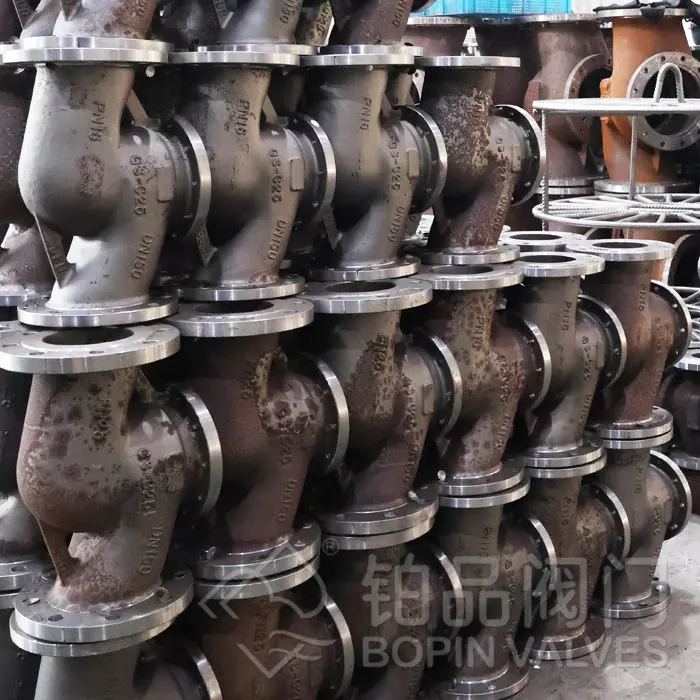
Material selection depends on pressure, temperature, corrosion resistance and process medium.
Carbon steel
Common body materials include:
• ASTM A216 WCB
• ASTM A105/A105N for forged designs
• ASTM A350 LF2 for low-temperature
service Carbon steel is widely used for steam, water, oil and general industrial services.
Stainless steel
Typical grades include:
• ASTM A351 CF8 / EN 1.4308
• ASTM A351 CF8M
• CF3 / CF3M
• ASTM A182 F304/F304L
• ASTM A182 F316/F316L
BOPIN lists DIN stainless steel bellows sealed globe valve products using EN 1.4308/ASTM A351 CF8 materials.
Alloy and special materials
For demanding environments, manufacturers may provide:
• F11
• F22
• WC6
• WC9
• Duplex stainless steel
• Super duplex stainless steel
• Hastelloy
• Inconel
The bellows itself is commonly manufactured from corrosion-resistant stainless steel such as 304, 316, 316L or special alloys. Some manufacturers also offer Inconel bellows for demanding temperature and corrosion conditions.
Carbon steel
Common body materials include:
• ASTM A216 WCB
• ASTM A105/A105N for forged designs
• ASTM A350 LF2 for low-temperature
service Carbon steel is widely used for steam, water, oil and general industrial services.
Stainless steel
Typical grades include:
• ASTM A351 CF8 / EN 1.4308
• ASTM A351 CF8M
• CF3 / CF3M
• ASTM A182 F304/F304L
• ASTM A182 F316/F316L
BOPIN lists DIN stainless steel bellows sealed globe valve products using EN 1.4308/ASTM A351 CF8 materials.
Alloy and special materials
For demanding environments, manufacturers may provide:
• F11
• F22
• WC6
• WC9
• Duplex stainless steel
• Super duplex stainless steel
• Hastelloy
• Inconel
The bellows itself is commonly manufactured from corrosion-resistant stainless steel such as 304, 316, 316L or special alloys. Some manufacturers also offer Inconel bellows for demanding temperature and corrosion conditions.
5. Applications of Bellows Valves
Bellows valves are selected when reliable shutoff and low external leakage are important.
Steam systems
They are widely used on steam distribution pipelines, boiler systems, condensate systems and steam equipment because the bellows helps prevent stem leakage at elevated temperatures.
Chemical industry
For toxic, corrosive or hazardous chemicals, minimizing external emissions is a major consideration.
Petrochemical and oil & gas
Bellows valves can be used for hydrocarbon, thermal-oil and auxiliary process systems where fugitive-emission control is important.
Power plants
Applications include steam, feedwater auxiliary systems, turbine-related services and high-temperature piping.
Pharmaceutical and food processing
Where cleanliness and controlled emissions are important, stainless-steel bellows valves can be considered.
Thermal-oil systems
The double-seal concept and high-temperature capability make bellows globe valves suitable for thermal-fluid systems.
BOPIN identifies oil & gas, steam systems, water treatment, power generation and chemical processing among its application sectors.
Steam systems
They are widely used on steam distribution pipelines, boiler systems, condensate systems and steam equipment because the bellows helps prevent stem leakage at elevated temperatures.
Chemical industry
For toxic, corrosive or hazardous chemicals, minimizing external emissions is a major consideration.
Petrochemical and oil & gas
Bellows valves can be used for hydrocarbon, thermal-oil and auxiliary process systems where fugitive-emission control is important.
Power plants
Applications include steam, feedwater auxiliary systems, turbine-related services and high-temperature piping.
Pharmaceutical and food processing
Where cleanliness and controlled emissions are important, stainless-steel bellows valves can be considered.
Thermal-oil systems
The double-seal concept and high-temperature capability make bellows globe valves suitable for thermal-fluid systems.
BOPIN identifies oil & gas, steam systems, water treatment, power generation and chemical processing among its application sectors.
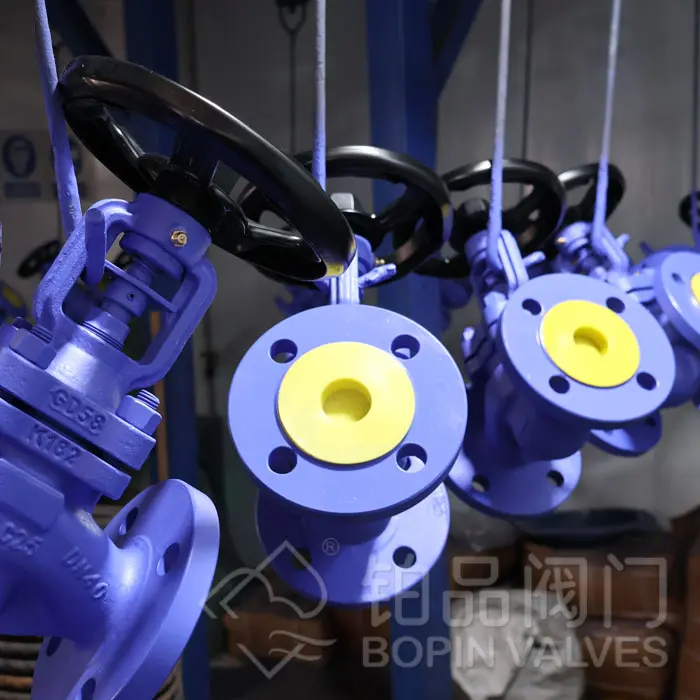
6. Painting and Surface Treatment
Proper surface treatment protects the valve during storage, transportation and operation.
For carbon-steel valves, a typical process may include:
● Surface cleaning
● Shot blasting
● Removal of dust and contaminants
● Primer application
● Intermediate coating where required
● Final industrial paint
● Paint thickness inspection
● Visual inspection and touch-up
The external coating should be selected according to the customer's environmental requirements. Standard industrial painting may be sufficient for indoor applications, while marine, offshore or highly corrosive environments may require a more sophisticated coating system.
For stainless steel valves, the body is generally not treated in the same manner as carbon steel. Depending on the specification, cleaning, polishing, pickling or passivation may be required. Valve identification markings, flow arrows, nameplates and other required information should remain clearly visible after painting.
For carbon-steel valves, a typical process may include:
● Surface cleaning
● Shot blasting
● Removal of dust and contaminants
● Primer application
● Intermediate coating where required
● Final industrial paint
● Paint thickness inspection
● Visual inspection and touch-up
The external coating should be selected according to the customer's environmental requirements. Standard industrial painting may be sufficient for indoor applications, while marine, offshore or highly corrosive environments may require a more sophisticated coating system.
For stainless steel valves, the body is generally not treated in the same manner as carbon steel. Depending on the specification, cleaning, polishing, pickling or passivation may be required. Valve identification markings, flow arrows, nameplates and other required information should remain clearly visible after painting.
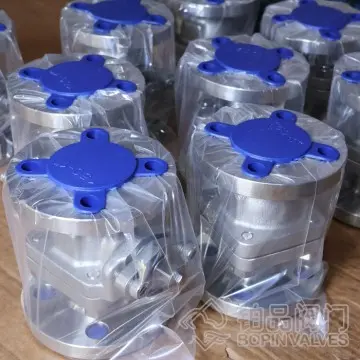
7. Packing Details for Export
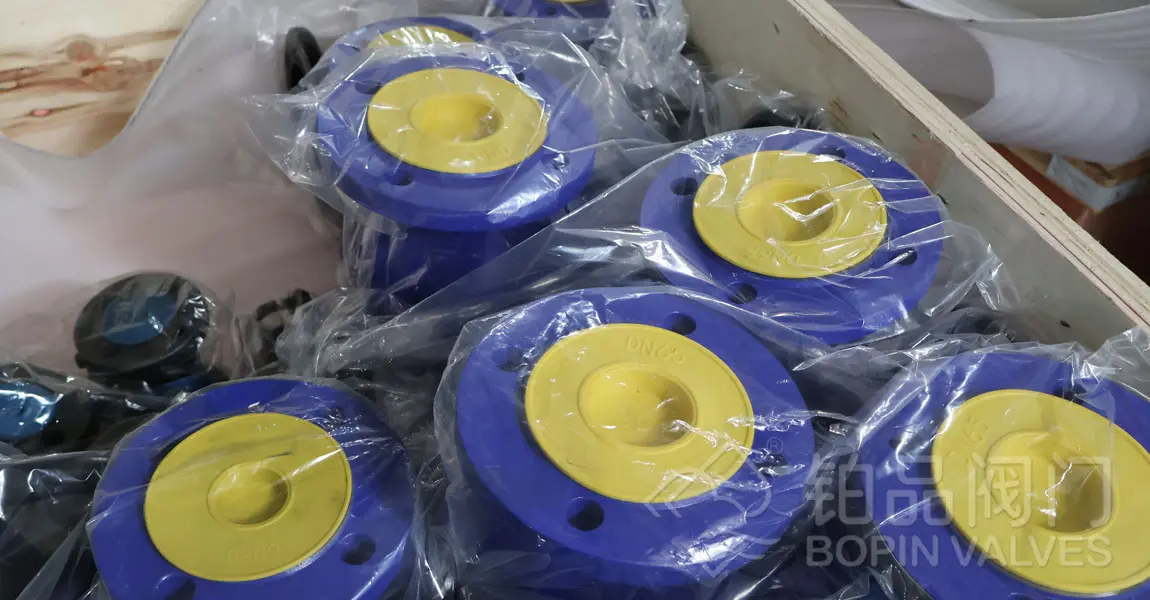
Professional packaging is important because bellows valves may contain precision-machined sealing components that must be protected from impact, moisture and contamination.
A typical export packing procedure includes:
● Fully closing the valve before packing
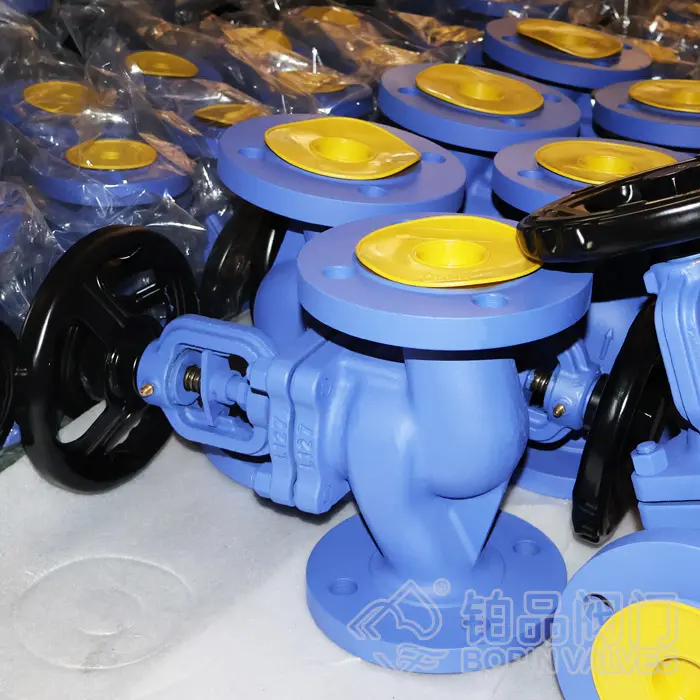
● Protecting flange faces with caps or covers
● Protecting threaded and welded ends
● Covering the stem and handwheel where appropriate
● Using plastic bags or other moisture-resistant protection
● Individual wrapping for smaller valves
● Carton or plywood-box packaging for appropriate sizes
● Strong plywood cases for heavier valves
● Internal cushioning to prevent movement
● External product labels and shipping marks
For long-distance transportation, the valve should be firmly secured inside the wooden case. Packing should prevent the handwheel, stem, flange faces and other vulnerable components from contacting the case directly.
A typical export packing procedure includes:
● Fully closing the valve before packing
● Protecting flange faces with caps or covers
● Protecting threaded and welded ends
● Covering the stem and handwheel where appropriate
● Using plastic bags or other moisture-resistant protection
● Individual wrapping for smaller valves
● Carton or plywood-box packaging for appropriate sizes
● Strong plywood cases for heavier valves
● Internal cushioning to prevent movement
● External product labels and shipping marks
For long-distance transportation, the valve should be firmly secured inside the wooden case. Packing should prevent the handwheel, stem, flange faces and other vulnerable components from contacting the case directly.
8. Basic Operation Manual
Before operation, confirm that the valve model, pressure rating, material and flow direction correspond to the piping system.
Opening
• Inspect the valve and pipeline.
• Confirm that the valve is correctly installed.
• Remove transportation protection.
• Turn the handwheel gradually in the opening direction.
• Avoid excessive force when the valve reaches the fully open position.
• Check the bellows/bonnet area for abnormal leakage.
Closing
• Turn the handwheel gradually in the closing direction.
• Do not use excessive tools or extensions unless specifically permitted.
• Close until the disc contacts the seat and the required shutoff is achieved.
• Avoid unnecessary over-tightening.
Maintenance
Periodically inspect:
• Bellows area
• Bonnet connection
• Packing/secondary seal
• Stem condition
• Handwheel
• Seat sealing performance
• External corrosion
• Bolting
If abnormal leakage, unusual operating torque or mechanical damage is detected, isolate the valve and investigate before returning it to service.
For actuated valves, the actuator should be operated according to the actuator manufacturer's instructions.
Opening
• Inspect the valve and pipeline.
• Confirm that the valve is correctly installed.
• Remove transportation protection.
• Turn the handwheel gradually in the opening direction.
• Avoid excessive force when the valve reaches the fully open position.
• Check the bellows/bonnet area for abnormal leakage.
Closing
• Turn the handwheel gradually in the closing direction.
• Do not use excessive tools or extensions unless specifically permitted.
• Close until the disc contacts the seat and the required shutoff is achieved.
• Avoid unnecessary over-tightening.
Maintenance
Periodically inspect:
• Bellows area
• Bonnet connection
• Packing/secondary seal
• Stem condition
• Handwheel
• Seat sealing performance
• External corrosion
• Bolting
If abnormal leakage, unusual operating torque or mechanical damage is detected, isolate the valve and investigate before returning it to service.
For actuated valves, the actuator should be operated according to the actuator manufacturer's instructions.
9. Why Choose BOPIN Bellows Valves?
BOPIN Valve is a Wenzhou-based Chinese industrial valve manufacturer with production covering bellows sealed valves, DIN valves, API valves, forged steel bellows sealed valve, forged steel valves and other industrial valve categories. Its website states that its international business department was established in 2023 and that it combines its own production with cooperation across the domestic valve supply chain.
Key reasons to consider BOPIN include:
Specialized bellows valve production
Bellows sealed valves are one of BOPIN's major product categories rather than simply an occasional customized product.
DIN and API product experience
BOPIN supplies DIN and API valve products, allowing customers to source different valve standards from one supplier.
Multiple material options
Carbon steel, stainless steel and higher-alloy materials can be selected according to the application and specification.
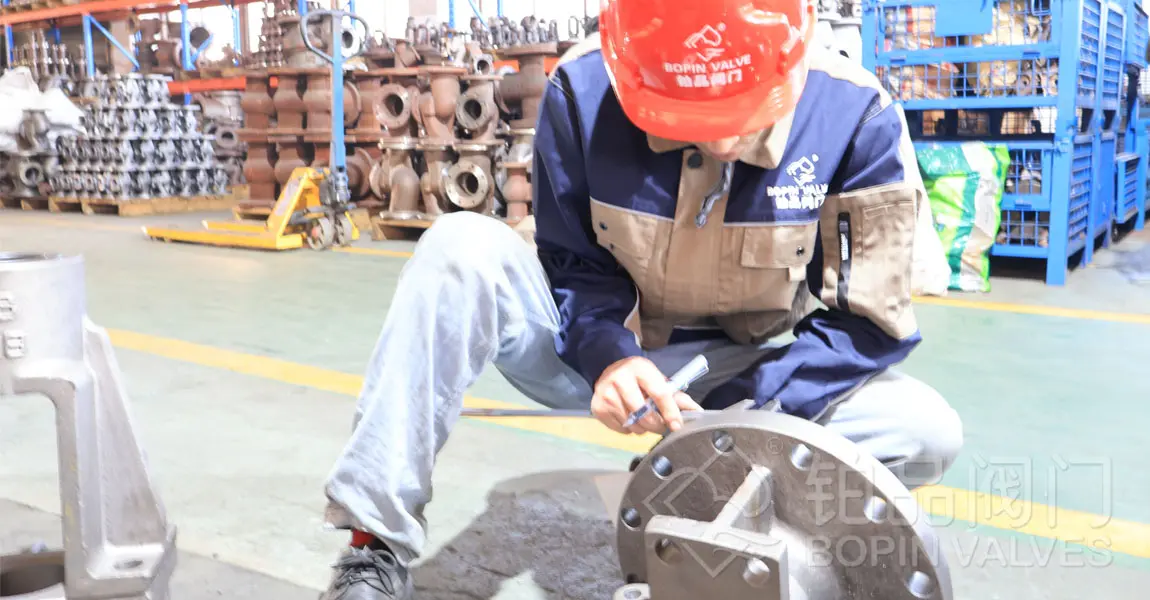
Production and inspection
BOPIN describes processes including CNC machining, dimensional inspection, pressure testing and performance inspection. It also states that its valves undergo performance inspection before shipment.
Stock availability
BOPIN states that it maintains finished-stock bellows valves for selected sizes and DIN pressure ratings, which can help shorten delivery time for standard models. OEM and customized supply
Customers can specify standards, materials, end connections, pressure classes, dimensions, painting, markings, packaging and inspection requirements.
Key reasons to consider BOPIN include:
Specialized bellows valve production
Bellows sealed valves are one of BOPIN's major product categories rather than simply an occasional customized product.
DIN and API product experience
BOPIN supplies DIN and API valve products, allowing customers to source different valve standards from one supplier.
Multiple material options
Carbon steel, stainless steel and higher-alloy materials can be selected according to the application and specification.
Production and inspection
BOPIN describes processes including CNC machining, dimensional inspection, pressure testing and performance inspection. It also states that its valves undergo performance inspection before shipment.
Stock availability
BOPIN states that it maintains finished-stock bellows valves for selected sizes and DIN pressure ratings, which can help shorten delivery time for standard models. OEM and customized supply
Customers can specify standards, materials, end connections, pressure classes, dimensions, painting, markings, packaging and inspection requirements.
10. How to Send an RFQ for Bellows Valves
A complete RFQ helps a Chinese manufacturer provide an accurate quotation quickly.
Customers should provide:
Product: Bellows sealed globe valve
Standard: API 602, DIN 3356, EN 13709, etc.
Size: DN15–DN500 or NPS size
Pressure: PN16/PN25/PN40 or Class 150/300/600/800
Body material: WCB, CF8, CF8M, F304, F316L, etc.
Bellows material: 304/316L/Inconel or specified grade
End connection: RF, RTJ, SW, NPT, BW
Operation: Handwheel, gearbox, pneumatic or electric
Temperature: Minimum and maximum operating temperature
Medium: Steam, oil, gas, chemical, water, etc.
Special requirements: Fugitive emission, NACE, oxygen service, cryogenic service, special testing, PMI, NDE, etc.
Painting: Customer coating specification or standard BOPIN coating
Inspection: Third-party inspection, material certificates, pressure-test reports, etc.
Packing: Export plywood case or other specified packaging
Quantity: Required quantity and delivery schedule
Destination: Port or final delivery location
For larger projects, the RFQ should also include the datasheet, valve schedule, P&ID, applicable specifications and any purchaser's inspection requirements.
 Bellows valves provide an important solution for industrial applications where stem leakage control, reliable shutoff and low fugitive emissions are critical. Chinese manufacturers can supply bellows sealed globe and gate valves in DIN, API and other international-standard configurations, with carbon steel, stainless steel and special-alloy materials available.
For buyers seeking a DIN BELLOWS SEALED GLOBE VALVE MANUFACTURER, BOPIN offers a combination of bellows valve manufacturing, DIN/API product capability, multiple materials, inspection support, export packaging, stock availability and customized RFQ service. Its product range includes DIN stainless-steel and other bellows sealed globe valves, while its broader manufacturing capabilities cover forged steel, check, butterfly, gate and other industrial valves.
Customers should provide:
Product: Bellows sealed globe valve
Standard: API 602, DIN 3356, EN 13709, etc.
Size: DN15–DN500 or NPS size
Pressure: PN16/PN25/PN40 or Class 150/300/600/800
Body material: WCB, CF8, CF8M, F304, F316L, etc.
Bellows material: 304/316L/Inconel or specified grade
End connection: RF, RTJ, SW, NPT, BW
Operation: Handwheel, gearbox, pneumatic or electric
Temperature: Minimum and maximum operating temperature
Medium: Steam, oil, gas, chemical, water, etc.
Special requirements: Fugitive emission, NACE, oxygen service, cryogenic service, special testing, PMI, NDE, etc.
Painting: Customer coating specification or standard BOPIN coating
Inspection: Third-party inspection, material certificates, pressure-test reports, etc.
Packing: Export plywood case or other specified packaging
Quantity: Required quantity and delivery schedule
Destination: Port or final delivery location
For larger projects, the RFQ should also include the datasheet, valve schedule, P&ID, applicable specifications and any purchaser's inspection requirements.
Bellows valves provide an important solution for industrial applications where stem leakage control, reliable shutoff and low fugitive emissions are critical. Chinese manufacturers can supply bellows sealed globe and gate valves in DIN, API and other international-standard configurations, with carbon steel, stainless steel and special-alloy materials available.For buyers seeking a DIN BELLOWS SEALED GLOBE VALVE MANUFACTURER, BOPIN offers a combination of bellows valve manufacturing, DIN/API product capability, multiple materials, inspection support, export packaging, stock availability and customized RFQ service. Its product range includes DIN stainless-steel and other bellows sealed globe valves, while its broader manufacturing capabilities cover forged steel, check, butterfly, gate and other industrial valves.