







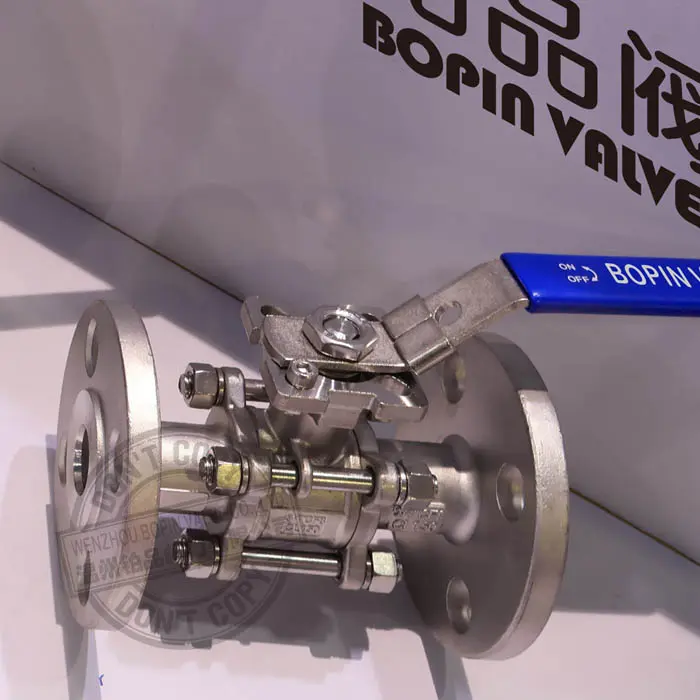
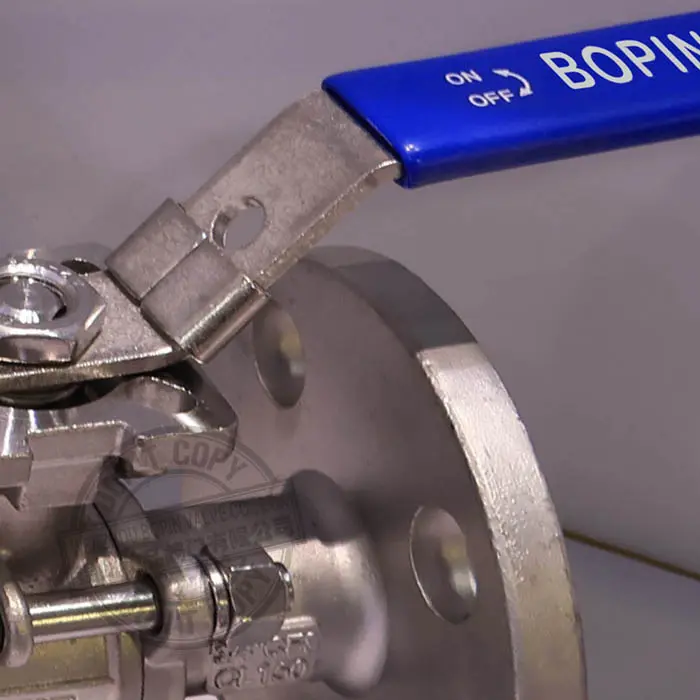
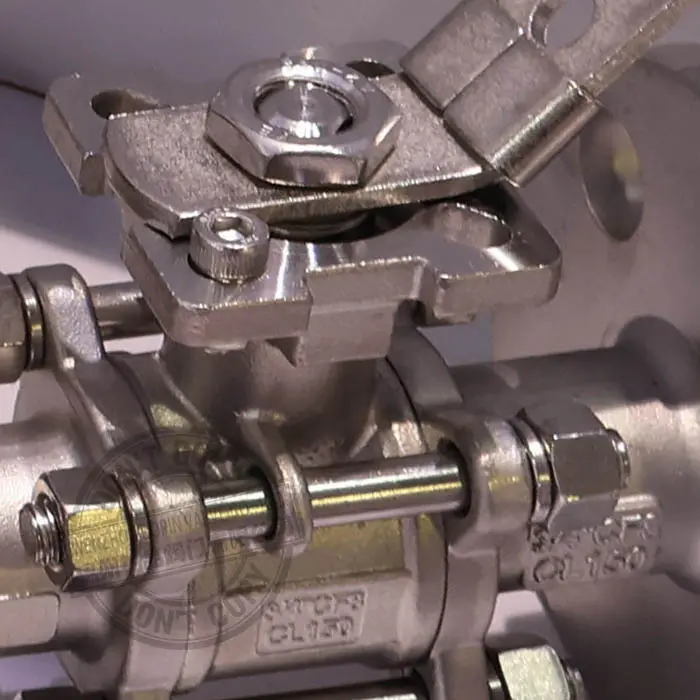
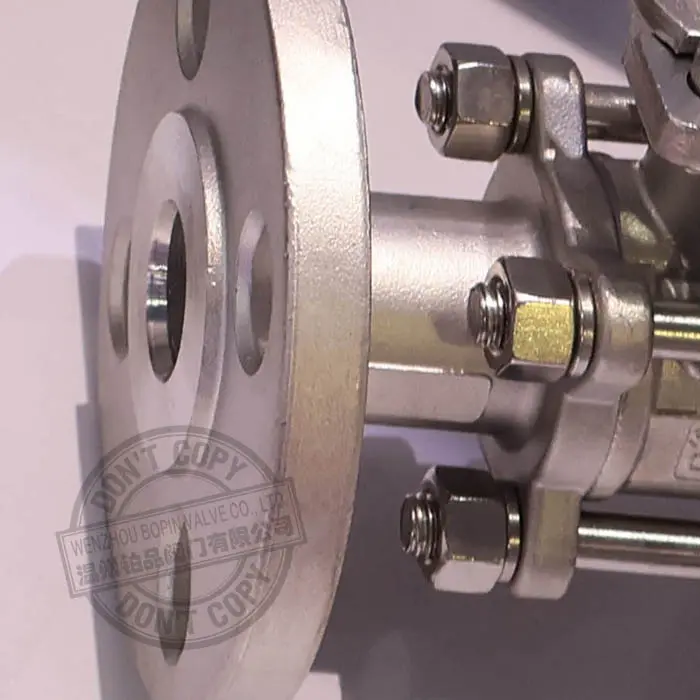
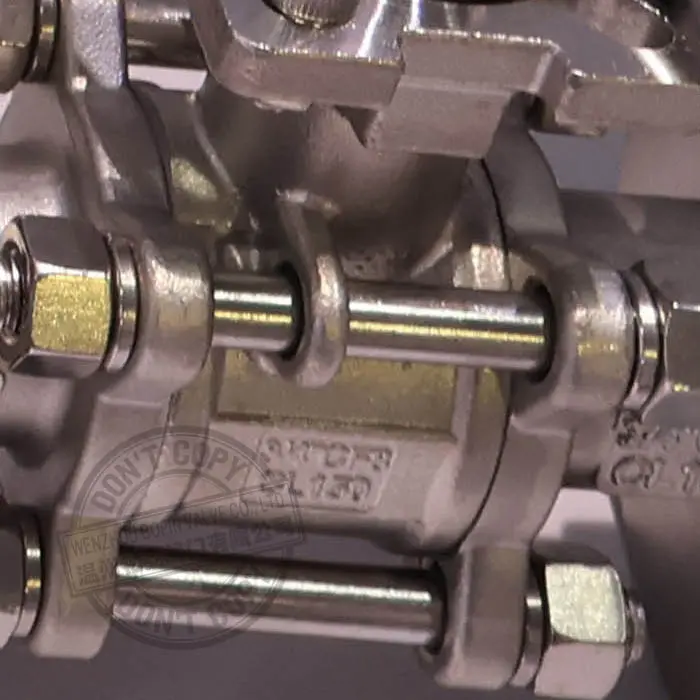
3pc Flange End Stainless Steel Ball Valve
The API Standard 3-PC Split Body Flange End Stainless Steel Ball Valve is one of the most widely used industrial valves in modern pipeline systems. Known for its excellent sealing performance, easy maintenance, corrosion resistance, and reliable operation, this type of ball valve is commonly applied in industries such as oil & gas, petrochemical, chemical processing, water treatment, marine engineering, pharmaceutical production, and power generation.
Designed according to international API standards, the 3-piece split body stainless steel ball valve offers superior durability and operational efficiency under high-pressure and high-temperature working conditions. Its modular body construction also allows easier repair and replacement of internal components, making it a preferred solution for demanding industrial applications.
Introduction to 3-PC Split Body Ball Valve
A 3-PC split body ball valve consists of three main body sections bolted together. The valve contains a precision-machined ball with a bore through its center. When the valve handle or actuator rotates the ball 90 degrees, the valve opens or closes to control media flow.
Compared with one-piece or two-piece ball valves, the three-piece body design provides easier disassembly for maintenance, cleaning, and replacement of seats and seals without removing the entire valve from the pipeline.
The flange end connection allows secure installation between pipeline flanges, ensuring strong mechanical stability and leak-free operation in industrial systems.
API Standard Design
API standard ball valves are manufactured according to internationally recognized specifications established by the American Petroleum Institute (API). Common standards applicable to flange end stainless steel ball valves include:
- API 6D
- API 608
- API 607 Fire Safe Standard
- ASME B16.34
- ASME B16.5
- ANSI Standards
These standards ensure the valve meets strict requirements for:
- Pressure-temperature ratings
- Wall thickness
- Fire safety performance
- Leakage control
- Structural strength
- Material quality
- Testing procedures
API-compliant valves are widely accepted in international industrial projects because they provide reliable safety and performance under critical operating conditions.
Structure of 3-PC Split Body Ball Valve
The 3-piece split body design offers several structural advantages compared with conventional valve constructions.
Three-Piece Body Construction
The valve body is divided into three sections:
- Center body section
- Left side end cap
- Right side end cap
These sections are connected using high-strength bolts and nuts. The split body design simplifies maintenance and enables replacement of internal parts without disconnecting the valve from the pipeline.
Floating Ball Design
Most stainless steel ball valves use a floating ball structure. The ball is supported by valve seats and moves slightly under pressure to achieve tight sealing performance.
Blowout-Proof Stem
The valve stem is designed with anti-blowout protection to improve operational safety. This prevents accidental stem ejection during high-pressure service.
Anti-Static Device
API standard ball valves often include anti-static features to eliminate electrostatic discharge between the ball, stem, and body during operation.
Fire Safe Construction
Fire-safe design ensures sealing performance even under fire conditions. Secondary metal-to-metal sealing surfaces help prevent leakage if soft seats are damaged by extreme heat.
Stainless Steel Material Advantages
Stainless steel is one of the most commonly used materials for industrial ball valves because of its excellent corrosion resistance and mechanical strength.
Common stainless steel grades include:
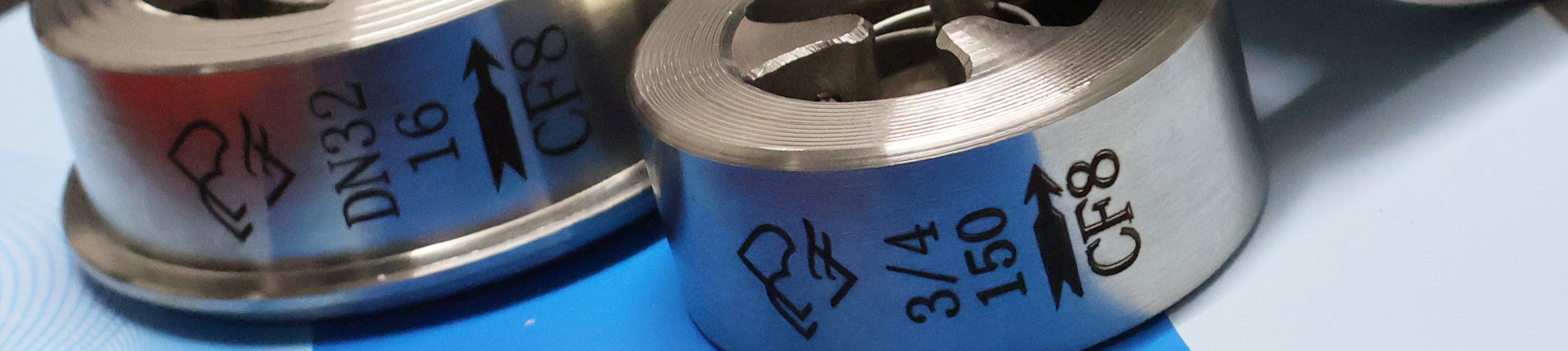
- ASTM A351 CF8
- ASTM A351 CF8M
- ASTM A182 F304
- ASTM A182 F316
- Duplex Stainless Steel
Corrosion Resistance
Stainless steel offers excellent resistance against:
- Chemical corrosion
- Saltwater corrosion
- Acidic media
- Oxidation
- High humidity environments
This makes stainless steel ball valves suitable for chemical plants, marine systems, and water treatment facilities.
High Mechanical Strength
Stainless steel maintains strong mechanical properties under high pressure and temperature conditions.
Hygienic Properties
The smooth surface finish of stainless steel reduces contamination risks, making it suitable for food, beverage, and pharmaceutical industries.
Long Service Life
Stainless steel ball valves generally provide longer operational life with lower maintenance requirements compared with ordinary carbon steel valves.
Flange End Connection
Flange end ball valves are designed for secure installation in industrial pipelines.
Advantages of Flanged Connections
- Easy installation and removal
- Strong sealing capability
- Suitable for large-size pipelines
- Reliable under high-pressure conditions
- Convenient maintenance access
Flange drilling standards usually comply with:
- ANSI B16.5
- DIN Standards
- JIS Standards
- BS Standards
Different flange pressure classes are available, including:
- Class 150
- Class 300
- Class 600
- PN16
- PN25
- PN40
Working Principle
The operation of a 3-PC split body ball valve is relatively simple and efficient.
When the valve handle or actuator rotates the stem 90 degrees:
- The bore of the ball aligns with the pipeline to allow flow.
- Rotating the ball perpendicular to the pipeline stops flow completely.
Because the ball valve provides quarter-turn operation, it allows fast opening and closing with minimal pressure drop.
Main Applications
API standard stainless steel ball valves are widely used across numerous industrial sectors.
Oil and Gas Industry
In oil and gas pipelines, stainless steel ball valves are used for:
- Crude oil transportation
- Natural gas systems
- Refinery processing
- Offshore platforms
Their fire-safe design and high-pressure capability make them suitable for hazardous environments.
Chemical Industry
Chemical plants require corrosion-resistant valves capable of handling aggressive media such as acids, solvents, and chemicals.
Water Treatment Systems
Stainless steel ball valves are commonly installed in:
- Municipal water systems
- Wastewater treatment plants
- Desalination facilities
- Industrial water pipelines
Marine Industry
Marine applications require excellent resistance to seawater corrosion. Stainless steel valves are widely used in shipbuilding and offshore systems.
Pharmaceutical and Food Industry
Because stainless steel is hygienic and easy to clean, these valves are suitable for sanitary processing systems.
Power Plants
Power generation facilities use stainless steel ball valves in cooling water systems, steam systems, and chemical treatment pipelines.
Advantages of API 3-PC Split Body Ball Valve
Easy Maintenance
The three-piece design allows easy access to internal parts without removing the valve body from the pipeline.
Tight Shut-Off Performance
Soft seats such as PTFE provide bubble-tight sealing and excellent leak prevention.
Low Operating Torque
Ball valves require relatively low torque for operation compared with other valve types.
Quick Operation
Quarter-turn rotation allows rapid opening and closing.
Wide Temperature Range
Different seat materials allow operation under various temperature conditions.
Long Service Life
Durable materials and simple operation contribute to extended valve lifespan.
Available Operation Methods
API flange end ball valves are available with different operation options:
Manual Lever Operation
Suitable for smaller valve sizes and general industrial service.
Gear Operation
Used for larger valves requiring higher operating torque.
Pneumatic Actuator
Provides automated operation using compressed air.
Electric Actuator
Allows remote control and automation in industrial systems.
Testing and Inspection
Before shipment, API standard stainless steel ball valves undergo strict quality inspections and testing procedures.
Typical testing includes:
- Shell pressure testing
- Seat leakage testing
- Air leakage testing
- Material inspection
- Dimensional inspection
- Fire-safe testing
Testing standards usually comply with API 598 requirements.