





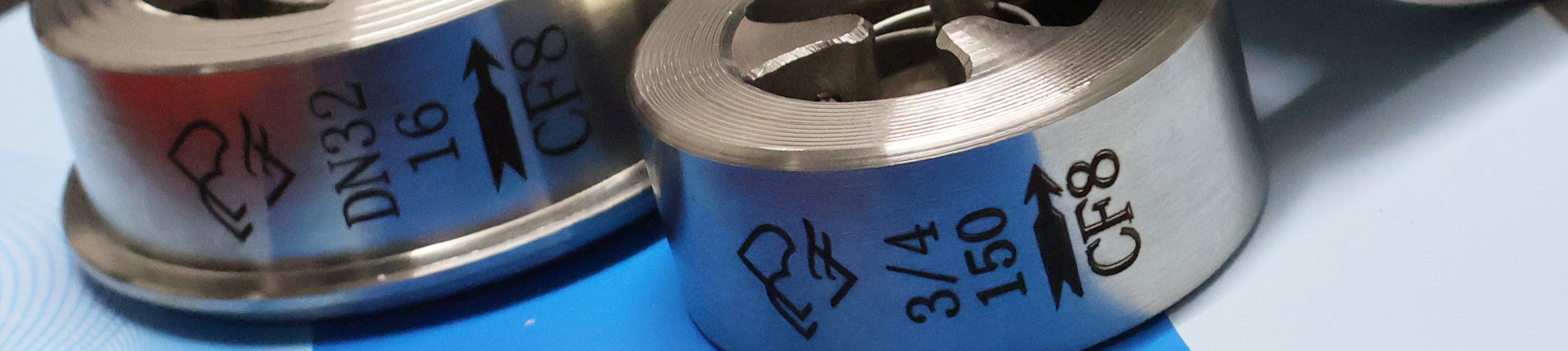
WATER SYSTEM
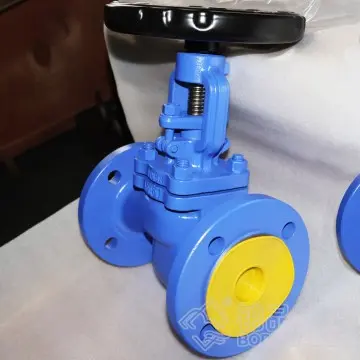
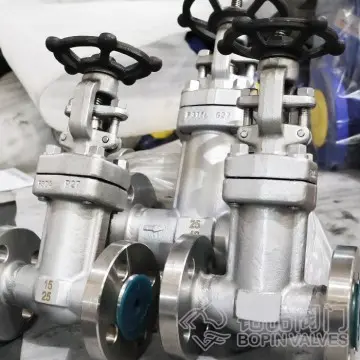
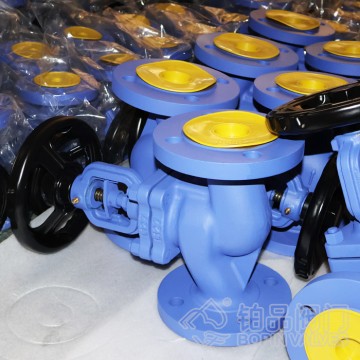
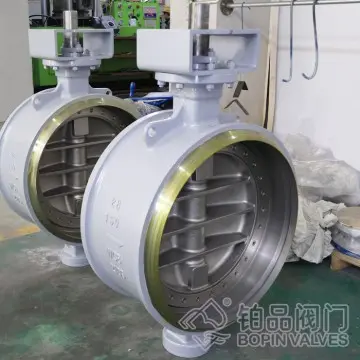
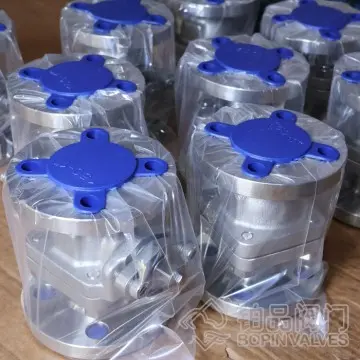
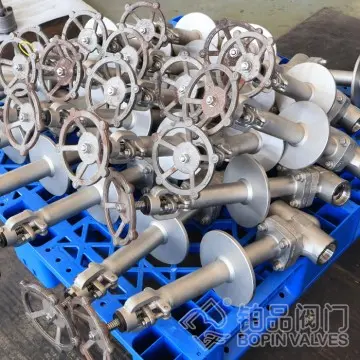
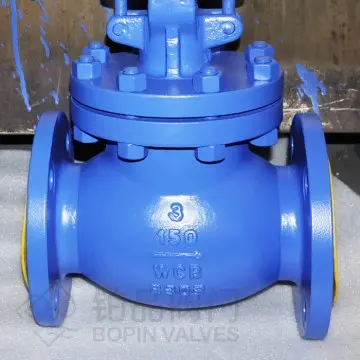
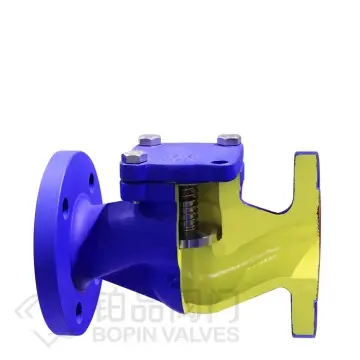
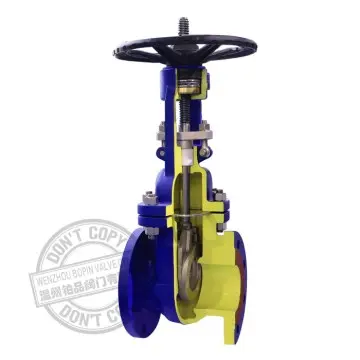
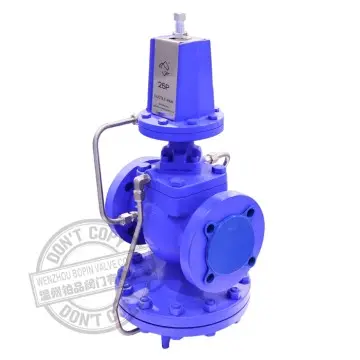
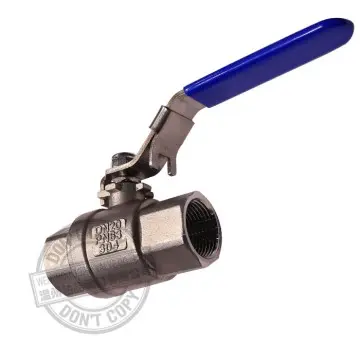
2PC BSPT Threaded End CF8 Stainless Steel Ball Valve
The 2PC stainless steel CF8 BSPT threaded end ball valve is a reliable and versatile solution for flow control in a wide range of applications. Its robust construction, corrosion resistance, and ease of installation make it a popular choice across industries. While it may not be suitable for extremely high temperatures or abrasive media, it performs exceptionally well in standard fluid handling systems. By combining durability, efficiency, and cost-effectiveness, this type of valve continues to be an essential component in modern piping systems.
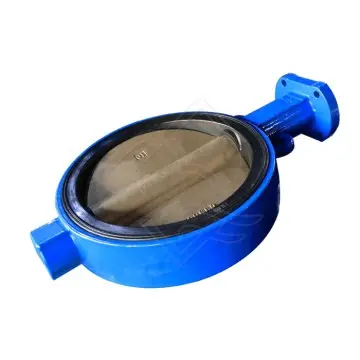
API 609 Ductile Iron DI Bare Stem Pinless Design Tongue & Groove Seat Wafer Type Butterfly Valve
The API 609 Ductile Iron Bare Stem Pinless Design Tongue & Groove Seat Wafer Type Butterfly Valve is designed to meet industry standards for both performance and reliability. This valve is commonly used in a variety of applications, including those in water treatment, chemical processing, power plants, and HVAC systems. It provides an ideal solution for managing the flow of fluids and gases within pipelines and process systems.
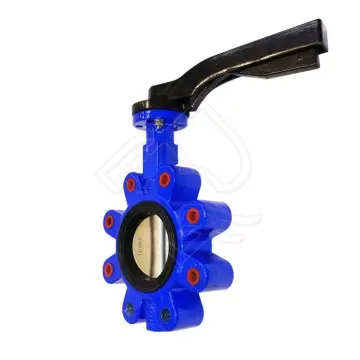
Lugged Concentric Butterfly Valve
The API 609 manual type lugged concentric butterfly valve is an essential component in modern piping systems. Its compact design, ease of maintenance, and cost-effectiveness make it an excellent choice for a variety of industries. While it may not be suitable for extreme pressure or temperature conditions, it excels in applications that require reliable flow control, easy installation, and manual operation. The lugged configuration provides additional flexibility, making it an ideal solution for pipelines where frequent maintenance or removal of valves is necessary.
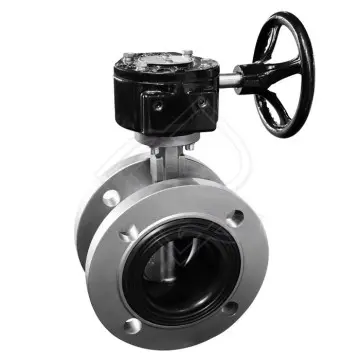
Flange Type Concentric Butterfly Valve
A flange-end concentric butterfly valve is a type of valve primarily used for regulating or isolating the flow of liquids and gases in pipelines. It is widely used in various industries, including water treatment, HVAC, chemical processing, and oil & gas. This type of valve is known for its simple design, lightweight construction, and effective performance in a wide range of applications. The flange-end concentric butterfly valve is an essential component for fluid flow control in various industries. Its simple, compact design, ease of operation, and cost-effectiveness make it a preferred choice for a wide range of applications. While it may not be suitable for extreme pressures and temperatures, its versatility, ease of maintenance, and performance in many common industrial applications make it an ideal solution for fluid control.
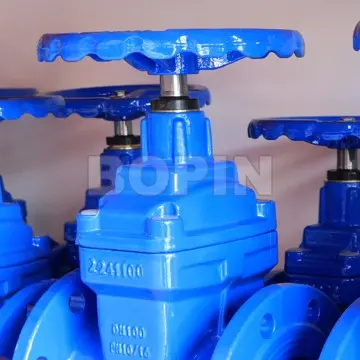
Cast Iron GGG50 DIN 3352 F4 F5 & BS 5163 Resilient Seated Gate Valves
A resilient seated gate valve is a type of valve commonly used in water distribution and wastewater systems to control the flow of water or other fluids. The primary feature of this valve is its resilient seat, which is typically made of elastomeric materials like rubber or synthetic compounds, designed to provide a tight, leak-free seal when the valve is closed. The valve consists of a gate (or wedge) that moves up and down within the valve body. When the gate is raised, it allows fluid to pass through the valve, and when it is lowered, the gate seals against the resilient seat to block the flow. The resilient seat ensures a superior sealing performance, especially in situations where there may be irregularities in the valve body or the gate. Resilient seated gate valves are known for their durability, ease of operation, and low maintenance. They are typically operated manually using a handwheel or automatically in more complex systems.
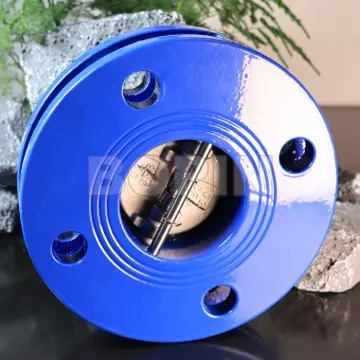
Cast Iron Wafer Type Dual Plate Check Valve
Cast Iron Dual Plate Check Valve is a type of check valve designed to allow fluid (typically liquid or gas) to flow in only one direction and prevent backflow. The "dual plate" refers to the valve's internal mechanism, which consists of two hinged plates that open to allow fluid flow and close to prevent reverse flow. As a check valve, its primary function is to prevent backflow. The dual plates open when the flow is in the intended direction, and they automatically close when the flow reverses, preventing reverse flow or siphoning.