





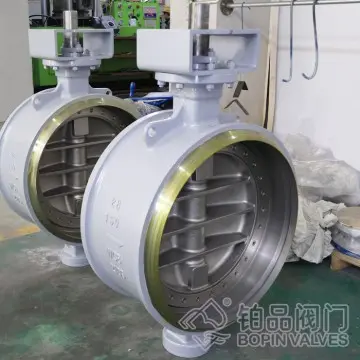
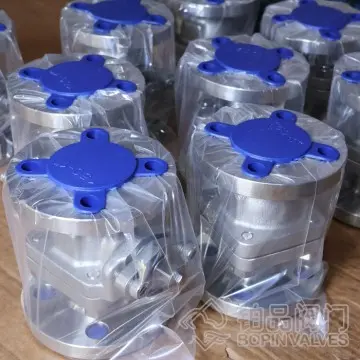
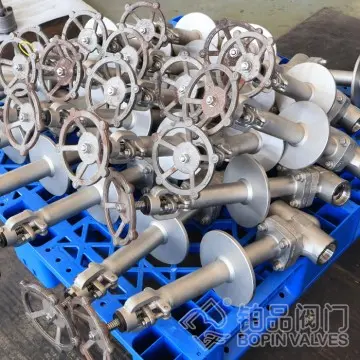
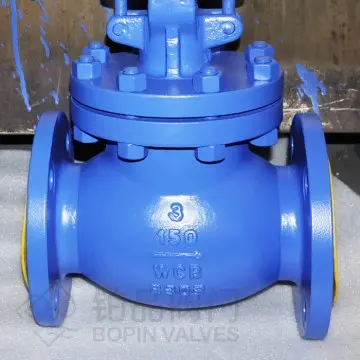


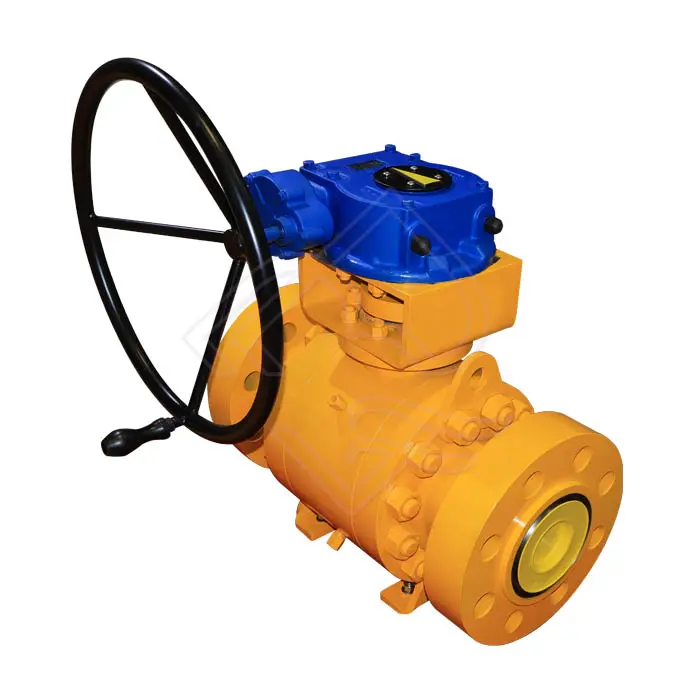
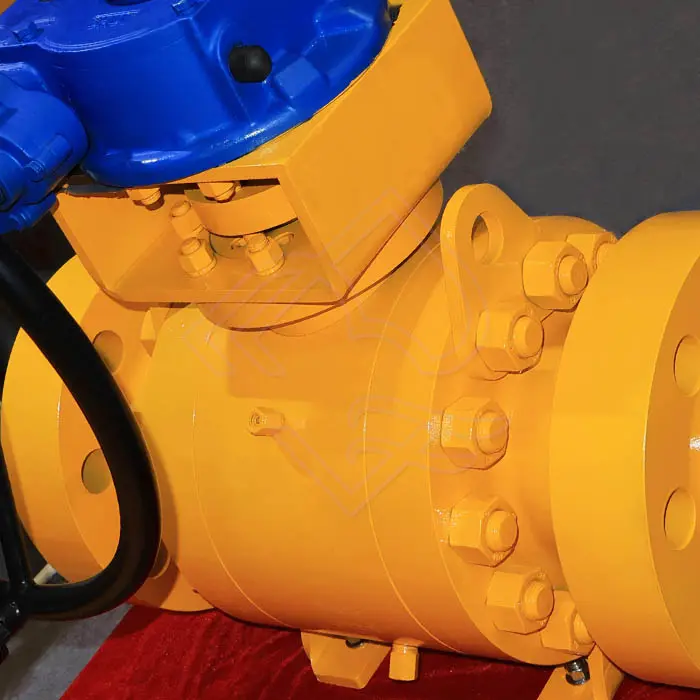
FORGED STEEL METAL SEATED BALL VALVE MANUFACTURER
Design Features
1.Forged Steel Construction:
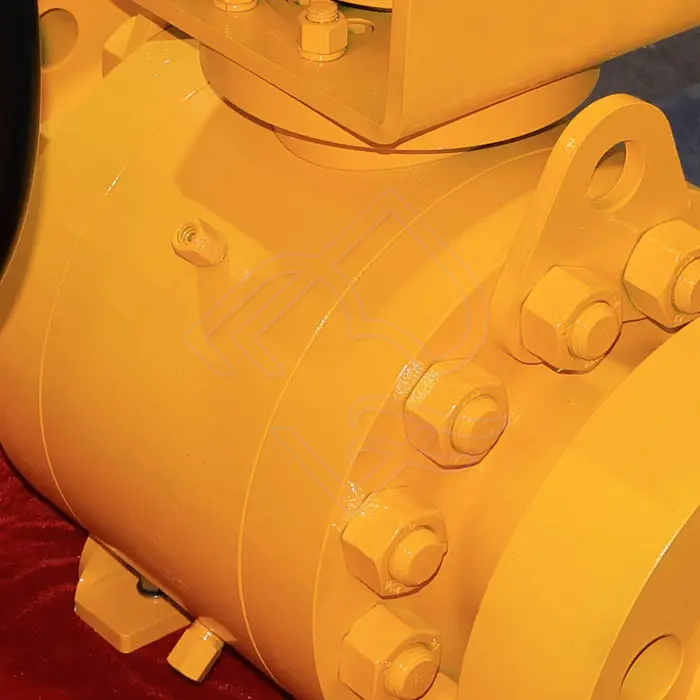
The body of the valve is made from high-quality forged steel, a material known for its robustness and strength. Forged steel construction is preferred in applications where high pressure, high temperature, and mechanical stress are prevalent. The material ensures that the valve can withstand the challenging conditions typically encountered in critical pipeline systems.
2.3-Piece Split Body Design:
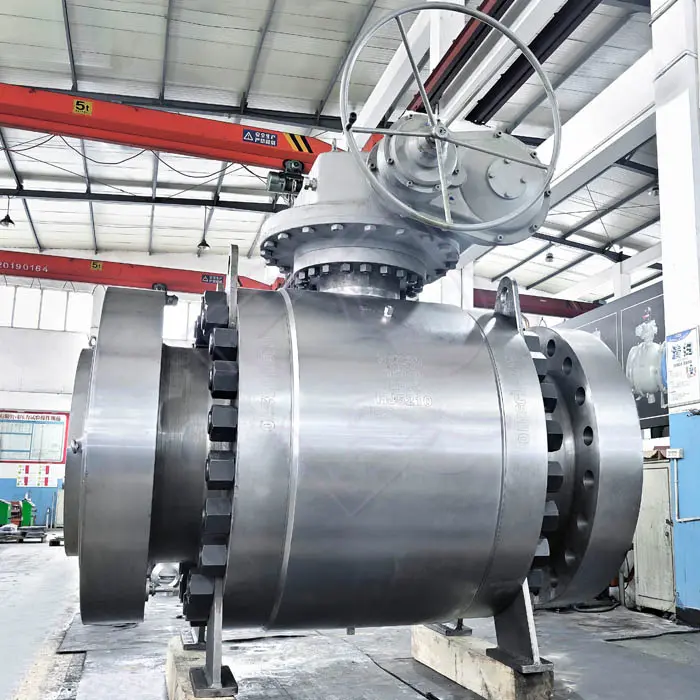
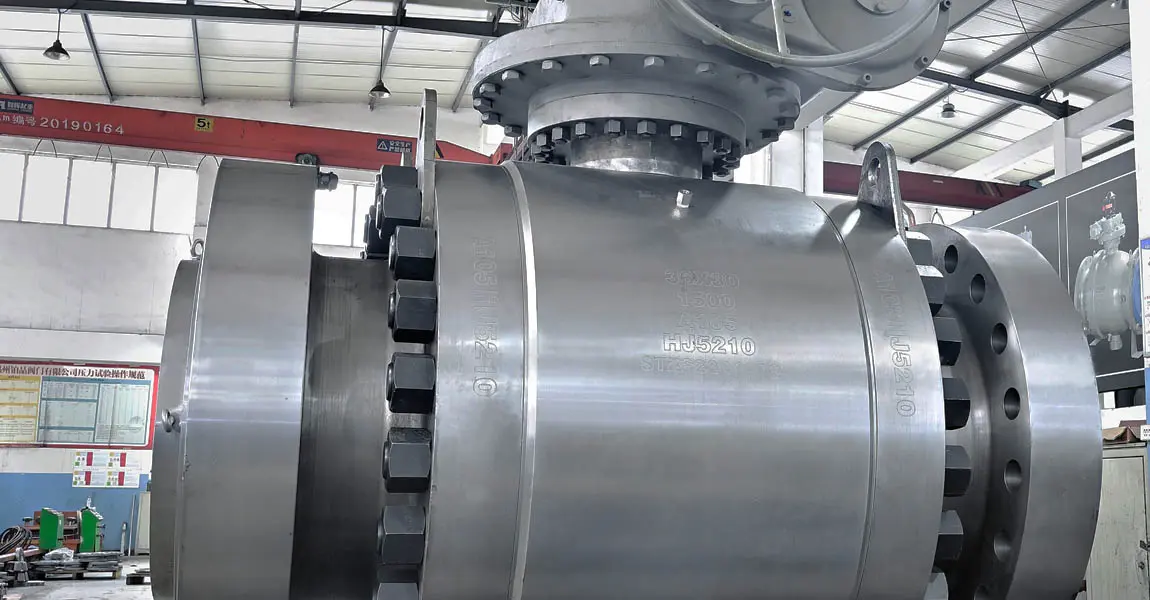
One of the most significant advantages of this valve is its 3-piece split body design, which allows for easy maintenance and repair. The body consists of three parts: the two end pieces (or bodies) and a central body, which houses the ball and other internal components. This modular design facilitates easier disassembly, reassembly, and replacement of components without requiring full valve removal from the pipeline.
The split body design allows for in-line maintenance, which significantly reduces downtime during servicing. It also ensures that the valve can be easily replaced or upgraded without the need to disconnect the entire piping system.
3.Metal-Seated Ball:
The ball in this valve is metal-seated, which provides superior sealing performance under high-temperature and high-pressure conditions. Metal-seated valves are ideal for applications that involve abrasive, slurry, or high-temperature media. Unlike soft-seated valves, metal-seated valves do not rely on elastomeric materials for sealing, which means they can withstand higher temperatures and pressure without degradation. The metal-to-metal seating ensures long service life even in the harshest environments.
4.Gear Operated:
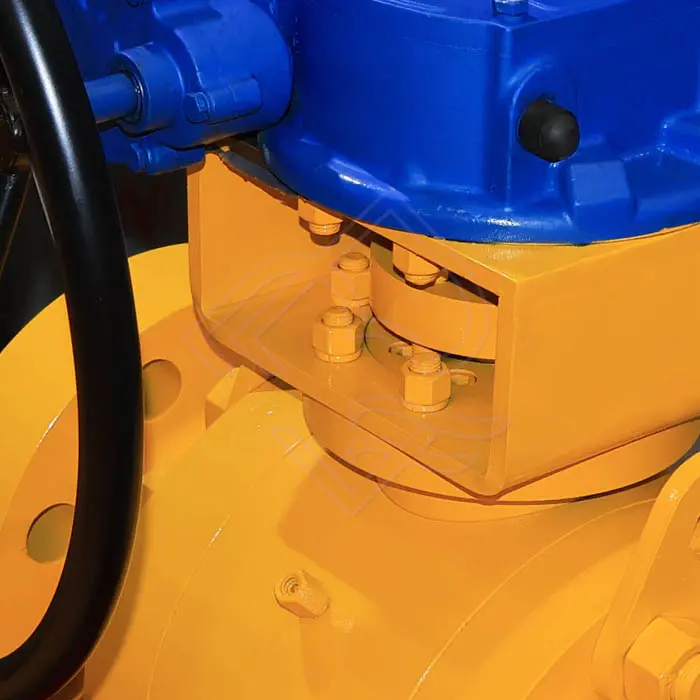
The gear operation provides mechanical advantage, making it easier to open and close the valve, especially in larger sizes where manual operation might be difficult. Gear operators are ideal for remote or automated valve operation in locations with limited accessibility. The gear mechanism ensures a smooth and controlled opening and closing action, reducing the risk of valve damage from sudden or rough movements.
The gear operator is equipped with a handwheel, allowing operators to manually control the valve’s position. Additionally, it is designed to be robust and can function under extreme temperatures and harsh working environments.
5.API 6D Compliance:
The API 6D standard for pipeline valves is a critical guideline for ensuring that valves meet the necessary safety, performance, and design requirements. This valve complies fully with the API 6D standard, ensuring that it is suitable for use in pipeline systems carrying liquids and gases. API 6D compliance assures operators that the valve can perform reliably under both normal and extreme conditions, such as those found in high-pressure pipeline systems, without leaking or failing prematurely.
The valve also adheres to industry regulations concerning dimensions, testing, and operational characteristics. As a result, it is a highly trusted solution for critical pipelines that demand maximum integrity and performance.
Application Areas
The API 6D Gear Operated Forged Steel 3-Piece Split Body Metal Seated Ball Valve is ideally suited for industries where flow control is paramount, and the system is exposed to high pressure and temperature. Common application areas include:
Oil and Gas Industry: It is widely used in upstream and downstream applications, including pipelines for crude oil, natural gas, and refined products. The valve ensures tight sealing and reliable flow control, even in highly corrosive environments.
Petrochemical and Chemical Processing: These industries require valves that can handle high temperatures, corrosive chemicals, and abrasive fluids. The metal-seated ball valve offers excellent durability in such conditions, ensuring that it can operate in high-stress environments for extended periods.
Power Generation: In thermal power plants, valves are used to control the flow of steam, water, and other fluids under high pressure and temperature. The metal-seated design ensures that the valve can operate without leakage even in high-energy systems.
Water Treatment Plants: The valve is also used in critical systems for water treatment and desalination, where reliability and performance are essential.
Technical Specifications
Body Material: Forged Steel (A105, A350 LF2, or equivalent)
Size Range: Typically 2” to 36” (larger sizes available on request)
Pressure Rating: ANSI 150, 300, 600, or higher
Temperature Range: -46°C to 538°C (-50°F to 1000°F), depending on the material
Sealing Type: Metal-to-metal seat
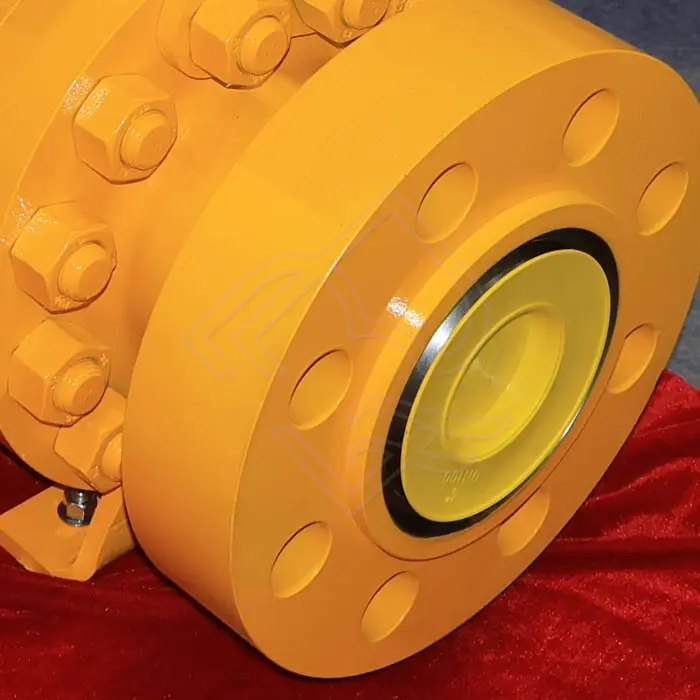
End Connections: Flanged (RF, RTJ, or butt weld) or other custom connections as required
Operation Type: Gear operated, handwheel
Design Standard: API 6D, ASME B16.34
Testing Standards: API 6D, API 598, and other relevant pipeline testing standards
Advantages
1.High Durability and Long Service Life:
The forged steel construction, combined with the metal-seated design, ensures that this valve will perform well over time, even in challenging conditions such as high pressure, high temperature, or abrasive media. The valve’s durability significantly reduces the frequency and cost of replacements and repairs.
2.Easy Maintenance:
Thanks to the 3-piece split body design, maintenance is quick and easy. Operators can remove and replace individual parts without the need to remove the entire valve from the pipeline. This reduces downtime and service costs.
3.Versatility:
This valve is suitable for a wide range of fluids, including both liquids and gases, making it a versatile choice for different industries. Its ability to handle high temperatures and pressures further enhances its flexibility.
4.Safe and Reliable Operation:
The gear operation ensures smooth and safe valve operation, particularly in larger valve sizes. The mechanical advantage offered by the gear operator reduces the effort needed to operate the valve, making it safer and more efficient to use.
5.Compliance with Industry Standards:
By meeting API 6D standards, this valve assures users that it adheres to the highest industry benchmarks for performance, safety, and reliability in pipeline systems. Compliance ensures that the valve meets stringent safety requirements and is capable of withstanding challenging conditions.