







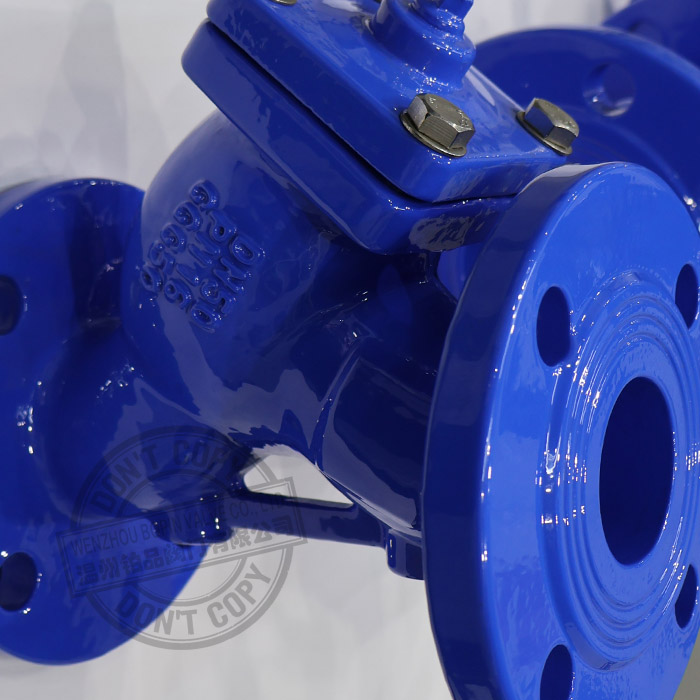
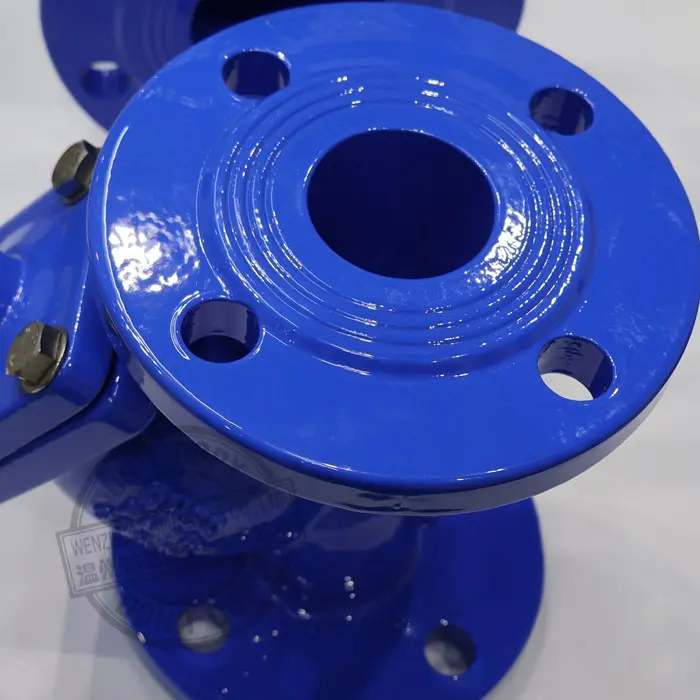
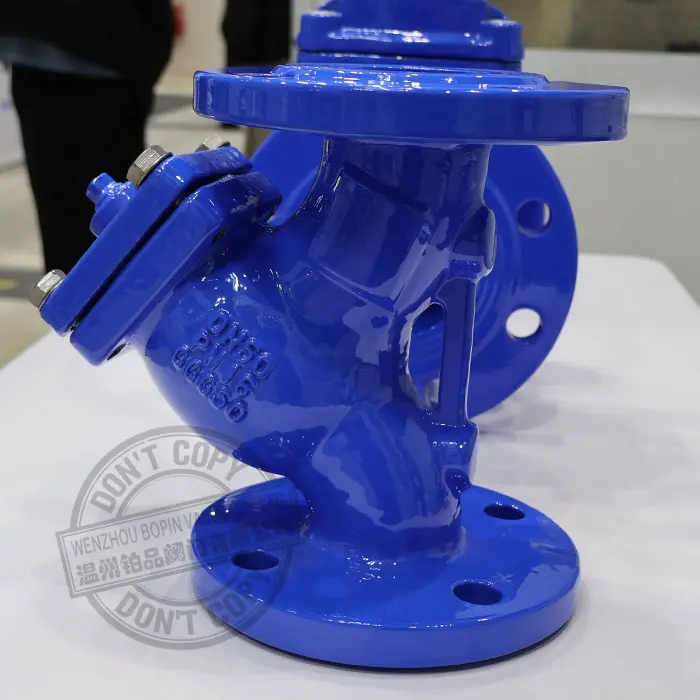
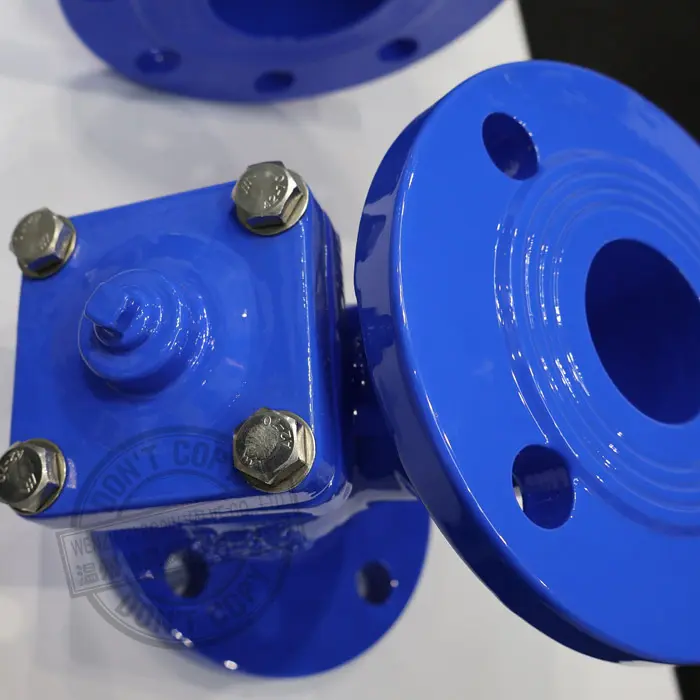
DIN EN 1092-2 Ductile Iron GGG50 Flange End Y Type Strainer
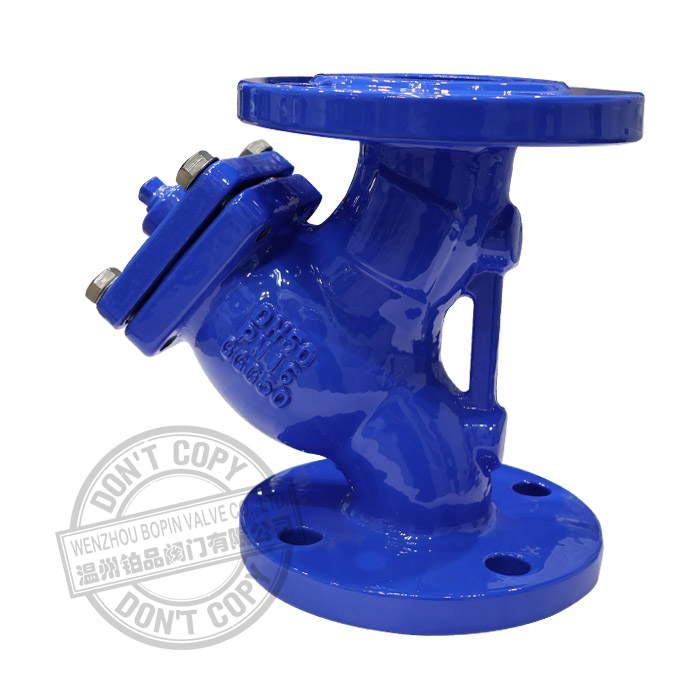
The DIN EN 1092-2 Ductile Iron GGG50 Flange End Y Type Strainer is a highly reliable pipeline filtration device designed to remove unwanted solid particles from liquids, gases, steam, and other process media. Installed upstream of pumps, control valves, meters, pressure reducing valves, and other sensitive equipment, the Y type strainer effectively protects system components from damage caused by debris, rust, welding slag, scale, and other contaminants.
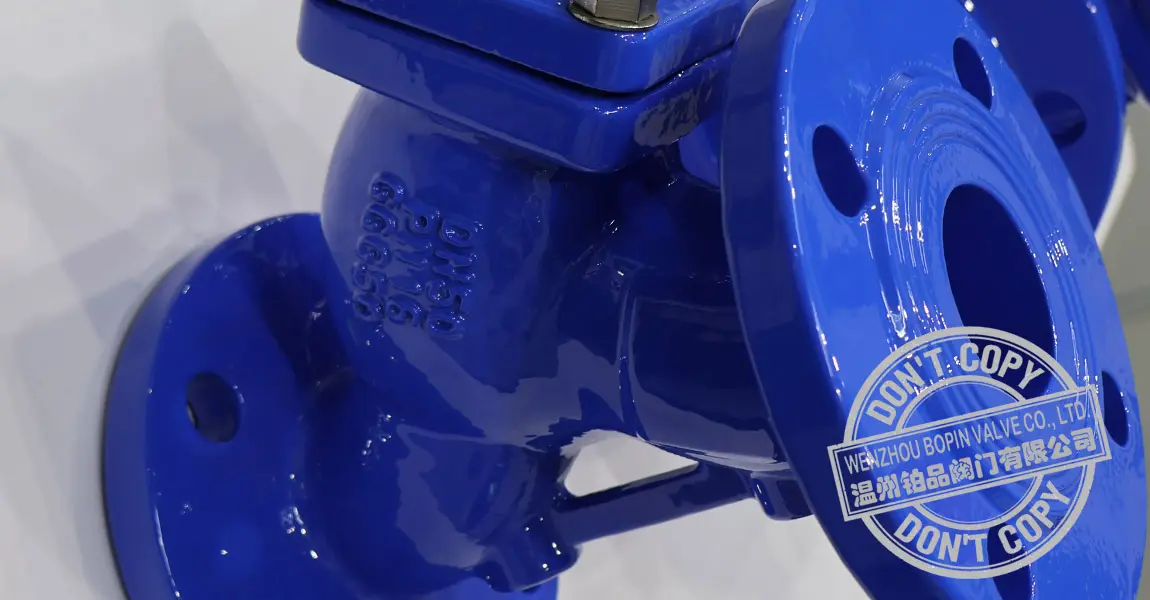
Manufactured from high-strength GGG50 ductile iron, this type of strainer combines excellent mechanical properties with outstanding durability and corrosion resistance. The flange connections conform to DIN EN 1092-2 standards, ensuring compatibility with European piping systems and facilitating easy installation and maintenance. Due to its robust construction and efficient filtration performance, the DIN EN 1092-2 Ductile Iron GGG50 Flange End Y Type Strainer is widely used in water treatment plants, HVAC systems, industrial process lines, power stations, chemical plants, and municipal infrastructure projects.
Design Features
High-Strength GGG50 Ductile Iron Body
The body and cover of the strainer are manufactured from GGG50 ductile iron, also known as EN-GJS-500-7. Compared with traditional gray cast iron, GGG50 offers:
- Higher tensile strength
- Excellent impact resistance
- Superior ductility
- Better pressure-bearing capability
- Longer service life
These characteristics make the strainer suitable for demanding industrial applications where reliability and safety are essential.
Y-Type Body Configuration
The Y-shaped design provides an efficient flow path while allowing debris to be collected in the strainer screen chamber. This configuration offers several advantages:
- Minimal pressure loss
- Compact installation space
- Easy screen removal and cleaning
- Improved flow efficiency
- Reduced operational costs
The Y-type design is particularly suitable for horizontal pipelines, although it can also be installed in vertical systems under appropriate flow conditions.
DIN EN 1092-2 Flanged Connections
The flanges comply with DIN EN 1092-2 standards, ensuring dimensional consistency and interchangeability throughout European piping systems.
Available pressure ratings include:
- PN10
- PN16
- PN25
The standardized flange dimensions simplify installation and replacement while ensuring secure and leak-free connections.
Stainless Steel Strainer Screen
The filtration element is typically manufactured from stainless steel materials such as:
- SS304
- SS316
- SS316L
The screen provides excellent corrosion resistance and long-term filtration performance. Different mesh sizes and perforation diameters are available according to customer requirements and process conditions.
Working Principle
The operating principle of the DIN EN 1092-2 Y Type Strainer is simple yet highly effective.
As the fluid enters the strainer body, it flows through the stainless steel screen. Solid particles larger than the screen openings are trapped inside the filtration chamber, while the clean fluid continues downstream.
Over time, contaminants accumulate on the screen surface. When pressure differential increases or maintenance schedules require cleaning, the cover can be removed to access the screen for inspection and cleaning.
This continuous filtration process protects critical pipeline equipment from damage and helps maintain stable system performance.
Main Components
A standard DIN EN 1092-2 GGG50 Y Type Strainer consists of:
Body
Constructed from GGG50 ductile iron, providing structural strength and pressure resistance.
Cover
Bolted cover design allows convenient access to the filter screen for maintenance.
Stainless Steel Screen
The filtration element responsible for trapping solid particles.
Gasket
Provides reliable sealing between the body and cover to prevent leakage.
Drain Plug
Facilitates removal of accumulated debris and simplifies maintenance procedures.
Bolts and Nuts
High-strength fasteners secure the cover and ensure safe operation under pressure.
Technical Specifications
Typical specifications include:
| Item | Specification |
|---|---|
| Design Standard | DIN EN 1092-2 |
| Body Material | GGG50 Ductile Iron |
| Screen Material | SS304 / SS316 / SS316L |
| Pressure Rating | PN10, PN16, PN25 |
| Size Range | DN15 – DN600 |
| Connection Type | Flanged End |
| Temperature Range | -10°C to 120°C (standard) |
| Applicable Media | Water, Air, Steam, Oil, Gas |
| Screen Mesh | Customized |
Actual specifications may vary according to project requirements and manufacturer designs.
Advantages
Excellent Mechanical Strength
GGG50 ductile iron provides significantly higher strength than conventional cast iron, making the strainer suitable for high-pressure applications.
Efficient Filtration
The stainless steel screen effectively captures contaminants, protecting downstream equipment and extending operational life.
Low Pressure Drop
The streamlined Y-pattern body minimizes flow resistance and energy consumption.
Easy Maintenance
The removable cover allows rapid cleaning or replacement of the filter element, reducing downtime.
Long Service Life
The combination of ductile iron construction and stainless steel filtration components ensures outstanding durability.
Cost-Effective Solution
Compared with fabricated steel strainers, ductile iron Y strainers offer excellent performance at a competitive cost.
Applications
Water Treatment Plants
Y strainers protect pumps, valves, flow meters, and treatment equipment from solid particles present in raw or processed water.
HVAC Systems
Heating, ventilation, and air-conditioning systems utilize Y strainers to remove debris from circulating water and protect system components.
Municipal Water Supply
They are widely installed in water distribution networks to ensure clean water delivery and reliable equipment operation.
Power Generation
Power plants use Y strainers in cooling water, condensate, and auxiliary piping systems.
Chemical Processing
The strainer helps maintain process reliability by preventing contaminants from entering sensitive equipment.
Industrial Manufacturing
Manufacturing facilities use Y strainers in process pipelines, utility systems, and equipment protection applications.
Fire Protection Systems
Fire water networks often incorporate Y strainers to prevent debris from impairing sprinkler systems and control valves.
Installation Recommendations
For optimum performance, several installation practices should be followed:
- Install the strainer according to the flow direction arrow marked on the body.
- Position the screen chamber downward in horizontal pipelines.
- Provide sufficient clearance for screen removal and maintenance.
- Install pressure gauges upstream and downstream if differential pressure monitoring is required.
- Perform regular inspections and cleaning to maintain filtration efficiency.
- Ensure flange alignment during installation to prevent mechanical stress.
Proper installation contributes significantly to the operational efficiency and longevity of the strainer.
Maintenance
Routine maintenance is essential to ensure reliable operation.
Recommended maintenance procedures include:
- Monitor pressure differential across the strainer.
- Shut down and isolate the pipeline before maintenance.
- Remove the cover carefully.
- Extract and inspect the stainless steel screen.
- Clean accumulated debris using water or compressed air.
- Replace damaged screens if necessary.
- Inspect gaskets and replace worn sealing components.
- Reassemble and pressure-test before returning to service.
Regular maintenance reduces the risk of system interruptions and extends equipment life.