





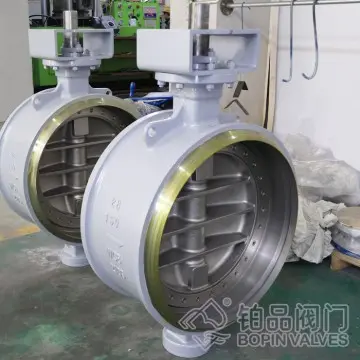
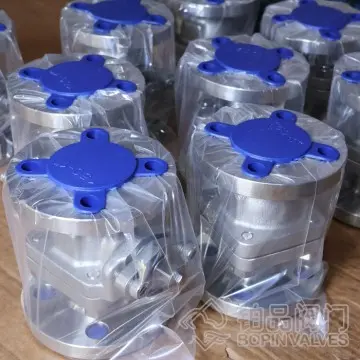
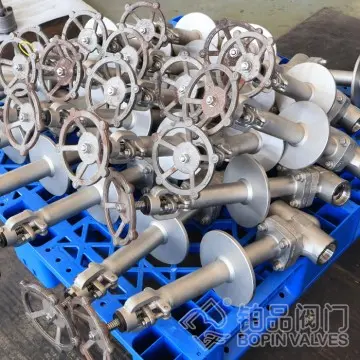
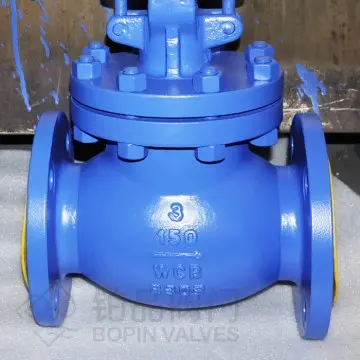


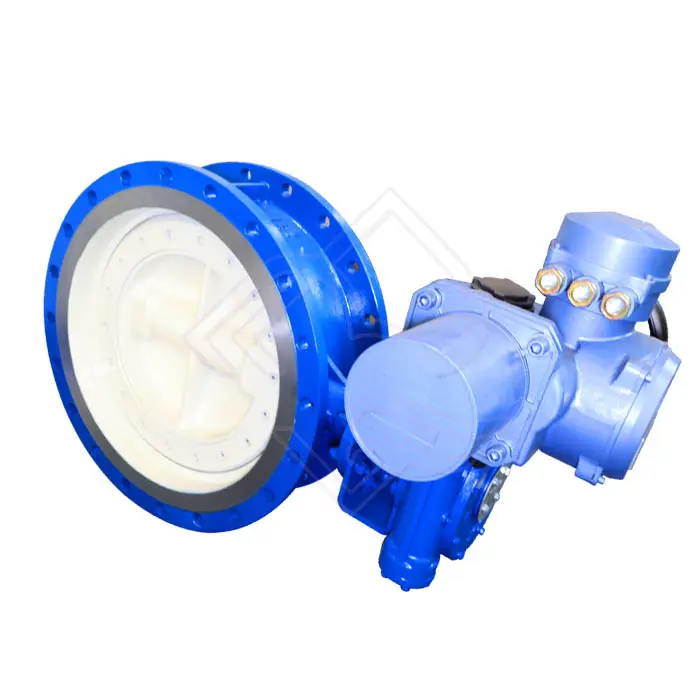
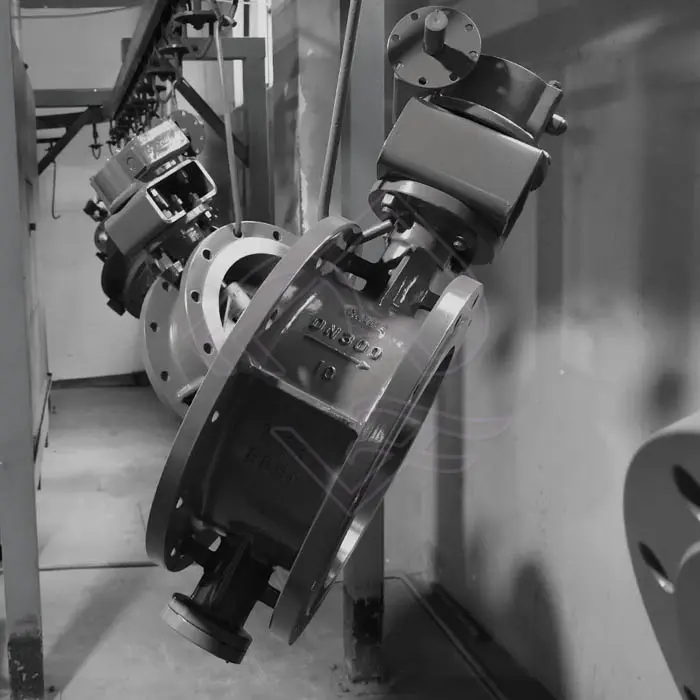
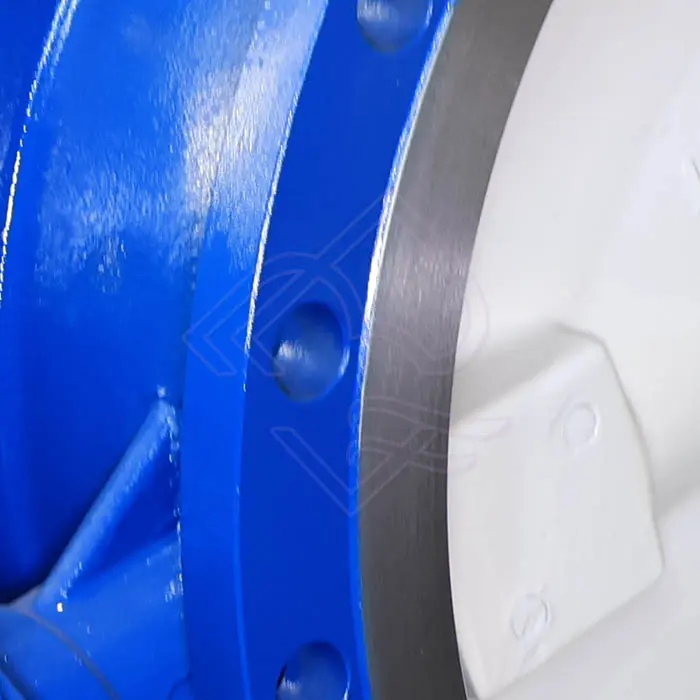
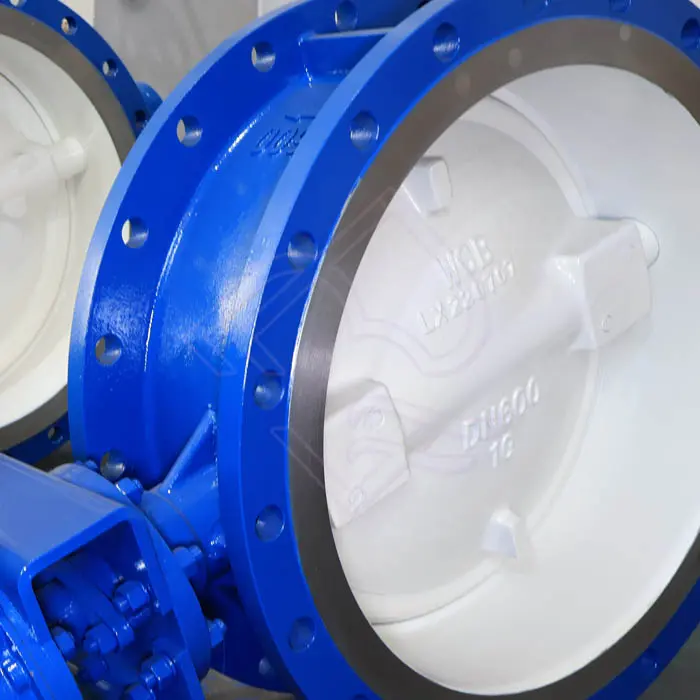
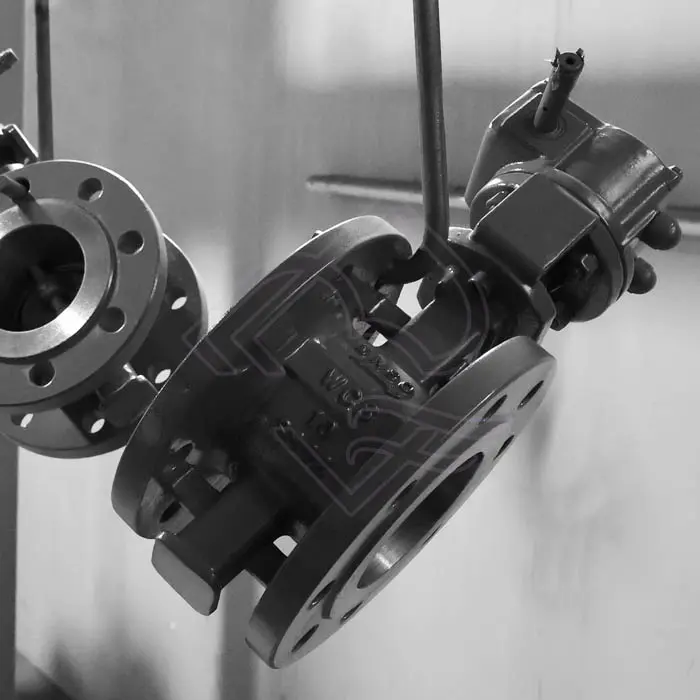
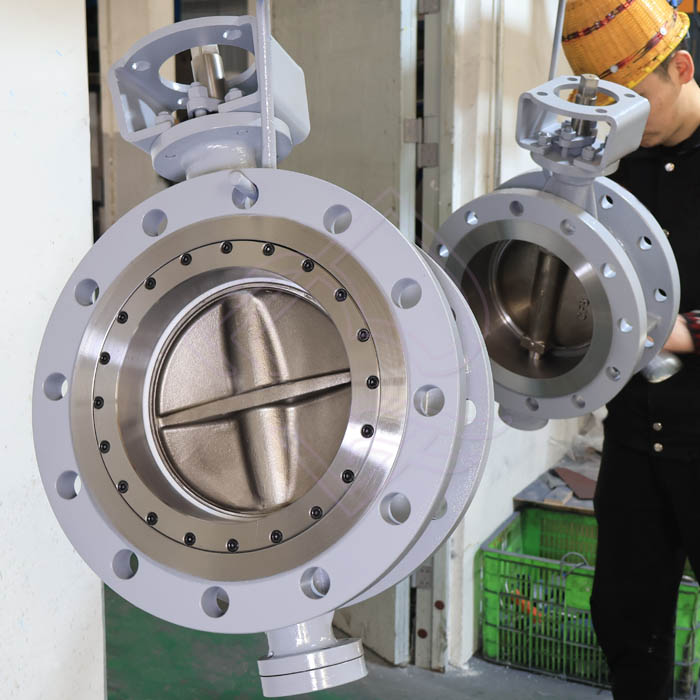
CAST STEEL FLANGED TRIPLE OFFSET BUTTERFLY VALVE MANUFACTURER
About GB Standards
GB standards (Guobiao Standards) are national standards issued by China for industrial products. For butterfly valves, relevant GB standards typically cover:
Design and manufacturing requirements
Face-to-face dimensions
Pressure-temperature ratings
Flange dimensions
Testing and inspection procedures
Common related standards may include:
GB/T 12238 (butterfly valves)
GB/T 9113 (flange dimensions)
GB/T 12224 (steel valve general requirements)
Compliance ensures interchangeability, safety, and performance consistency within GB-based pipeline systems.
What Is a Triple Offset Butterfly Valve?
A triple offset butterfly valve differs from conventional concentric or double offset designs due to three distinct offsets in its geometry. These offsets eliminate friction between the disc and seat during operation, providing torque-seated, metal-to-metal sealing.
2.1 First Offset
The shaft is positioned behind the seat plane to reduce seat contact during opening.
2.2 Second Offset
The shaft is offset from the pipeline centerline, allowing the disc to rotate away from the seat immediately upon opening.
2.3 Third Offset
The sealing surface is designed as a conical profile rather than a simple circular seat. This creates a cam-like action that ensures friction-free sealing and unseating.
The result is a non-rubbing, torque-seated valve capable of achieving bidirectional, zero leakage performance.
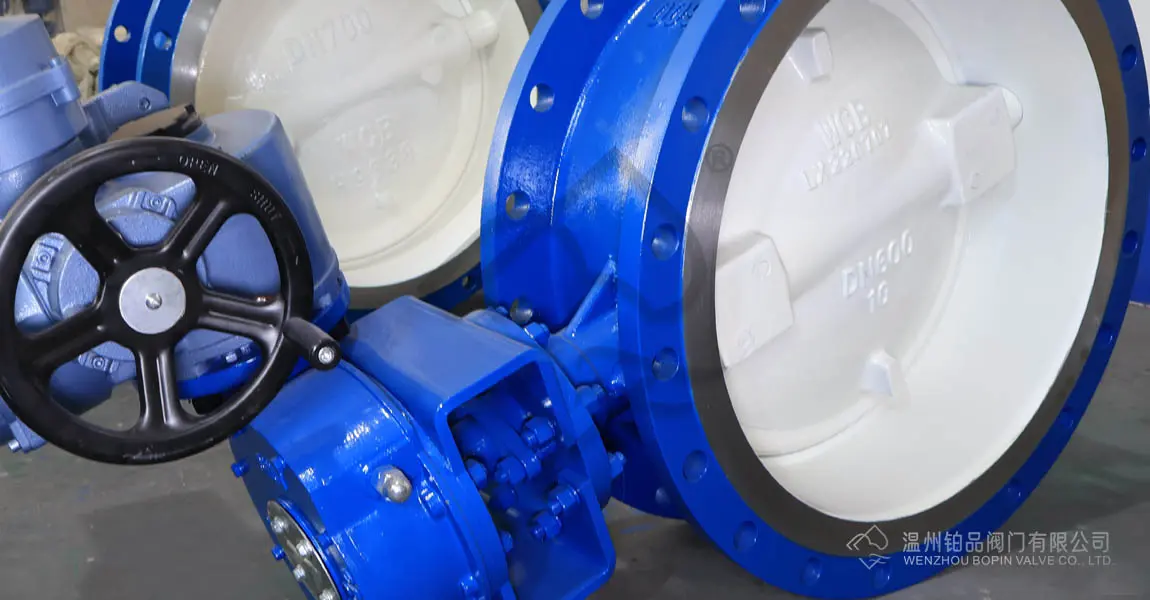
Construction and Materials
3.1 Valve Body
The body is typically manufactured from cast steel materials such as:
WCB (carbon steel)
WC6 or WC9 (alloy steel)
CF8 or CF8M (stainless steel)
Cast steel construction provides:
High mechanical strength
Resistance to high pressure
Suitability for elevated temperatures
Structural durability
The flanged ends comply with GB flange standards for easy installation in industrial pipelines.
3.2 Disc
The disc is precision-machined to maintain accurate triple offset geometry. It is often made from stainless steel or alloy steel for improved corrosion and wear resistance.
3.3 Sealing System
The sealing system typically consists of:
Metal laminated seal ring
Stainless steel seat
Hard-facing materials such as Stellite
This metal-to-metal sealing allows the valve to operate in high-temperature and high-pressure conditions.
3.4 Stem and Bearings
The stem is designed to transmit torque efficiently while minimizing deflection. Bearings reduce friction and improve operational smoothness.
Working Principle
The triple offset butterfly valve operates with a quarter-turn rotation:
When the valve begins to open, the disc lifts away from the seat without friction.
As it rotates 90 degrees, it aligns parallel to the flow, allowing full passage.
During closing, the disc contacts the seat only at the final stage.
Torque applied at closure creates a tight seal.
Unlike soft-seated butterfly valves, sealing is achieved through mechanical torque rather than elastic deformation.
Key Features
5.1 Zero Leakage Performance
The triple offset geometry provides tight shutoff meeting high leakage standards, including API 598 or GB testing requirements.
5.2 High Temperature Capability
Metal-seated triple offset valves can operate at temperatures exceeding 400°C, depending on materials.
5.3 Bidirectional Sealing
The valve provides reliable sealing in both flow directions, suitable for complex pipeline layouts.
5.4 Low Torque Operation
Due to friction-free design, operating torque is significantly reduced compared to traditional metal-seated valves.
5.5 Long Service Life
Minimal seat wear extends operational lifespan and reduces maintenance frequency.
Pressure Ratings
GB standard triple offset butterfly valves are available in various pressure classes, such as PN10, PN16, PN25, PN40, PN64, PN100. The pressure rating depends on body material and design specifications.
Applications
These valves are ideal for severe service environments.
7.1 Oil and Gas Industry
Crude oil pipelines
Natural gas transmission
Offshore platforms
7.2 Power Generation
High-temperature steam systems
Boiler feed lines
Turbine bypass systems
7.3 Petrochemical Plants
Hydrocarbon processing
Refining operations
7.4 Metallurgical Industry
Blast furnace gas systems
High-temperature process lines
7.5 Water Treatment and Utilities
Industrial water systems
Cooling water lines
Advantages Over Other Valve Types
Feature Triple Offset Butterfly Valve Concentric Butterfly Valve
Sealing Type Metal-to-metal Soft seat
Temperature Resistance Very high Limited
Service Life Long Moderate
Leakage Rate Near zero Low but seat dependent
Suitable for Severe Service Yes Limited
Compared to gate valves, triple offset butterfly valves are lighter, more compact, and require less installation space.
Installation Considerations
To ensure optimal performance:
Confirm flange compatibility with GB standards.
Ensure correct alignment during installation.
Tighten bolts evenly to avoid distortion.
Avoid excessive welding heat near the valve.
Verify actuator settings if automated.
Proper installation prevents seat misalignment and leakage.
Maintenance Guidelines
Although designed for durability, periodic inspection is recommended:
Check sealing surfaces for wear.
Inspect stem packing for leakage.
Verify actuator calibration.
Ensure smooth operation.
Metal-seated valves require minimal maintenance compared to soft-seated types.