





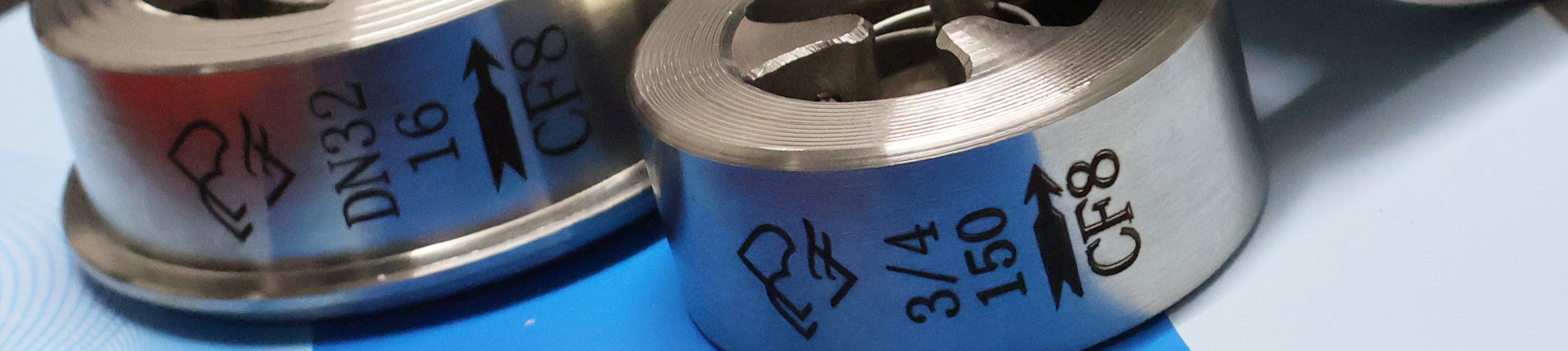
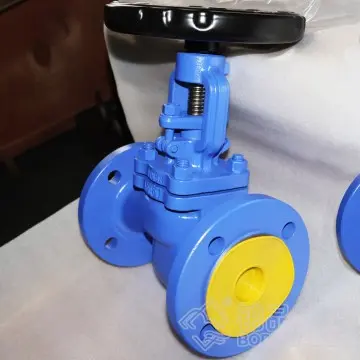
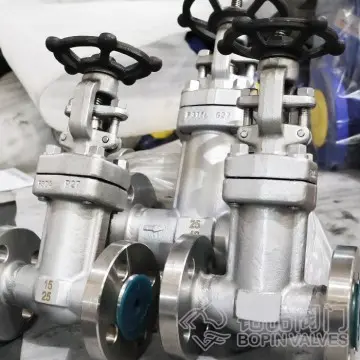
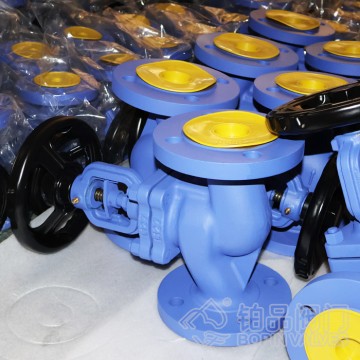
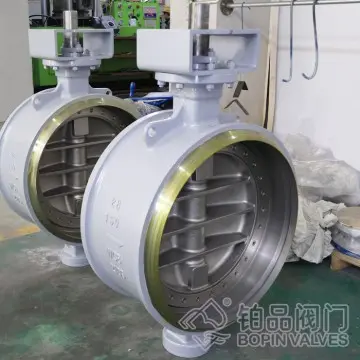
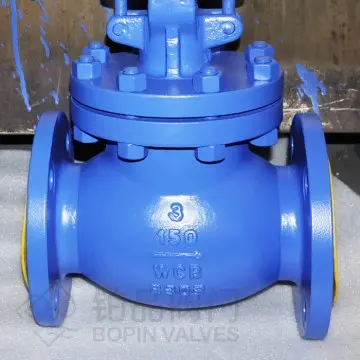
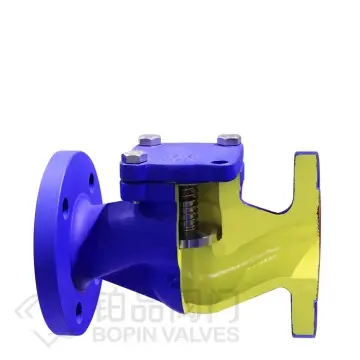
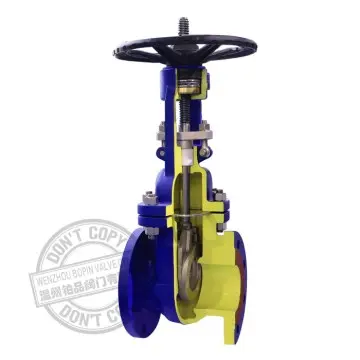
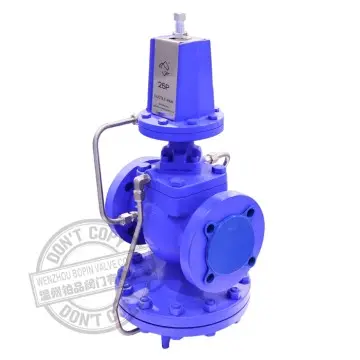


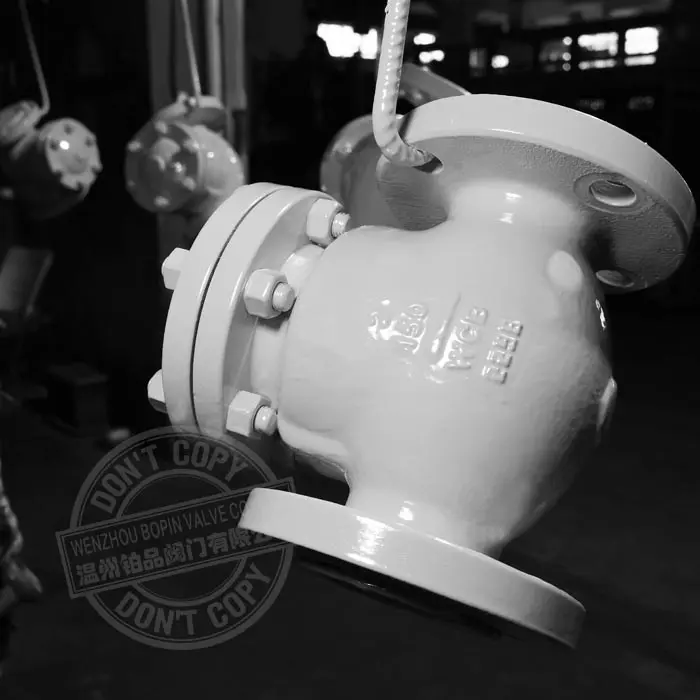
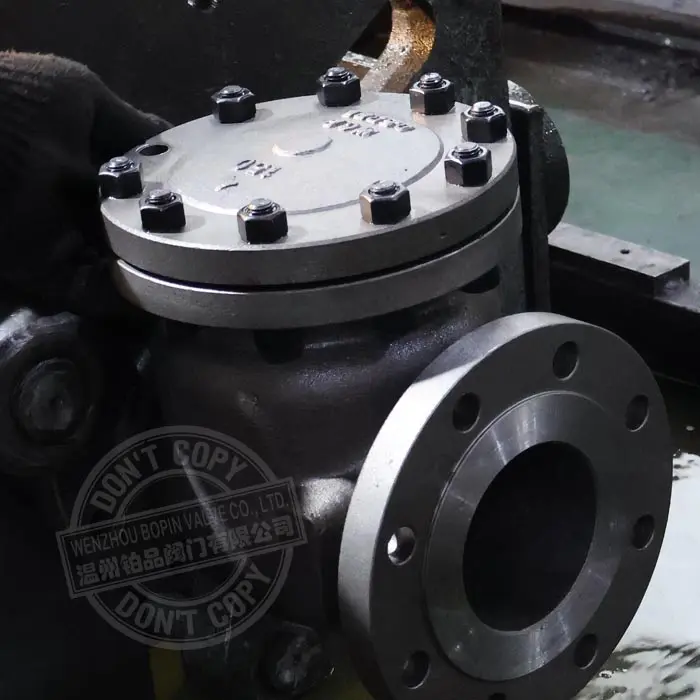
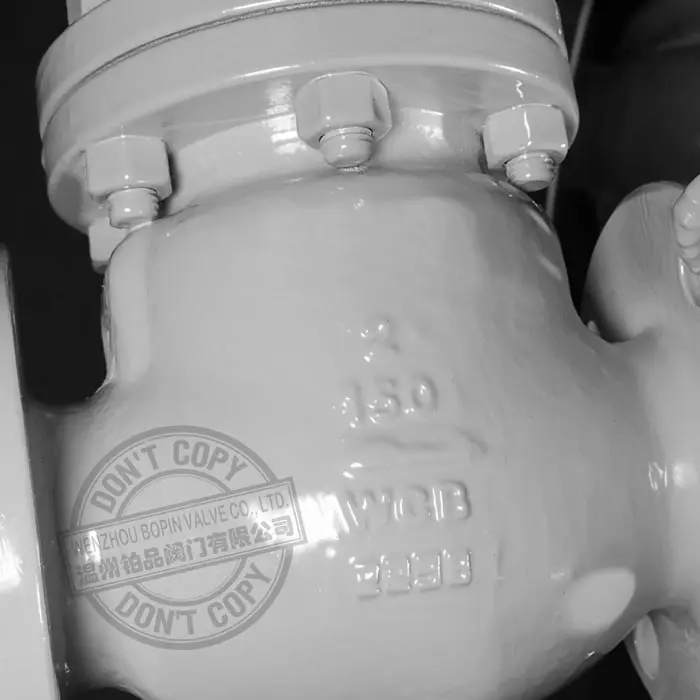
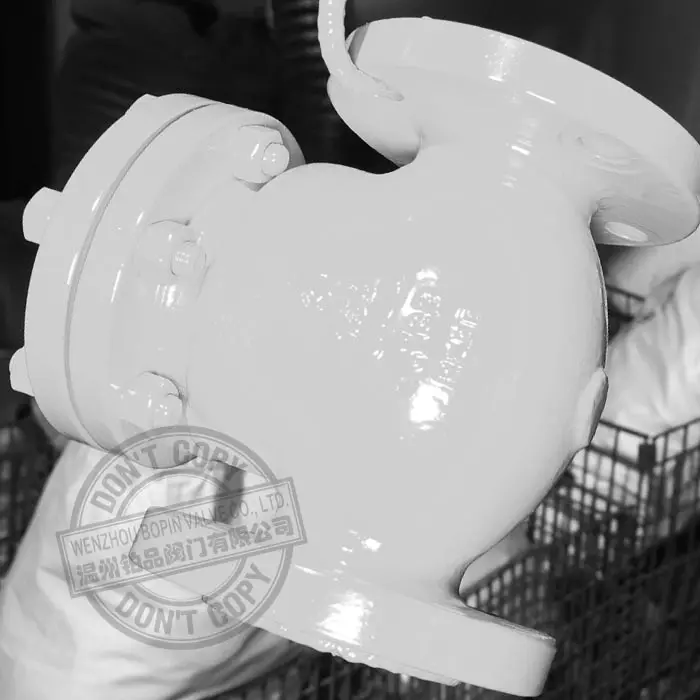
BS 1868 FLANGE SWING CHECK VALVE
The API Cast Steel A216 WCB Flange End Swing Check Valve is one of the most widely used non-return valves in industrial piping systems. Designed to prevent reverse flow automatically, this type of check valve plays a critical role in protecting pumps, compressors, pipelines, and other equipment from damage caused by backflow. Manufactured according to international API and ASME standards, the cast steel swing check valve offers reliable sealing performance, strong mechanical strength, and excellent durability in demanding industrial applications.
Constructed from ASTM A216 WCB carbon steel, the valve is suitable for medium and high-pressure services involving water, oil, gas, steam, petrochemical fluids, and other non-corrosive media. Its flange end connection ensures secure installation and compatibility with standard industrial piping systems.
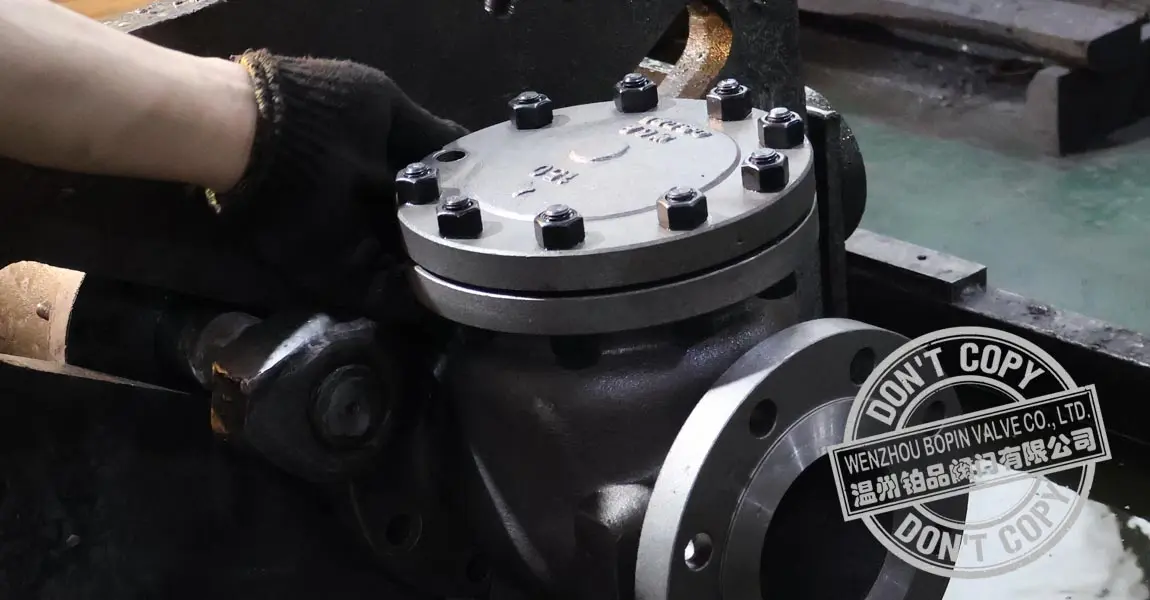
Structure and Working Principle
The swing check valve operates automatically through the pressure of the flowing medium. Inside the valve body, a hinged disc swings open when fluid flows in the forward direction. When the flow stops or reverses, the disc automatically swings back to the closed position under gravity and reverse pressure, preventing backflow in the pipeline.
The valve mainly consists of:
- Valve body
- Valve bonnet
- Swing disc
- Hinge arm
- Seat ring
- Gasket
- Bolts and nuts
The simple internal structure ensures low pressure loss and stable operation. Compared with lift-type check valves, swing check valves are especially suitable for horizontal pipelines with large flow capacity.
Material of ASTM A216 WCB
ASTM A216 WCB is a standard carbon steel material widely used for valve bodies and pressure-containing parts in high-temperature and high-pressure services. It provides good mechanical properties, weldability, and cost efficiency.
Main Features of A216 WCB Material
- Excellent strength and toughness
- Good machinability
- Suitable for temperatures from approximately -29°C to 425°C
- Economical solution for industrial applications
- High resistance to pressure loads
Because of these advantages, A216 WCB cast steel is extensively used in oil refineries, chemical plants, power stations, and industrial process systems.
API Standards for Swing Check Valves
API swing check valves are generally manufactured according to several international standards to guarantee safety, interchangeability, and performance.
Common Standards Include
- API 6D – Pipeline valves
- BS 1868 – Steel check valves
- ASME B16.34 – Valves flanged, threaded, and welding end
- ASME B16.5 – Pipe flanges and flanged fittings
- API 598 – Valve inspection and testing
- MSS SP-25 – Standard marking system
Compliance with these standards ensures the valve meets strict industrial requirements for pressure, temperature, testing, and dimensional accuracy.
Design Features
Robust Cast Steel Body
The heavy-duty cast steel body provides excellent structural integrity and long service life under high-pressure conditions. The thick wall design improves operational safety and durability.
Bolted Bonnet Construction
The bolted bonnet design allows easy maintenance and inspection. High-strength bolting ensures reliable sealing between the body and bonnet.
Renewable Seat Ring
Many API swing check valves feature renewable seat rings, allowing replacement after long-term wear. This extends valve lifespan and reduces maintenance costs.
Low Pressure Drop
The full bore design and swinging disc mechanism create minimal resistance to flow, reducing energy loss within the pipeline system.
Automatic Operation
The valve operates automatically without external power or manual assistance, making it highly reliable for continuous industrial service.
Flanged End Connection
Flanged ends provide secure installation and easy integration into standard piping systems. Common flange standards include ASME Class 150, 300, 600, and higher pressure ratings.
Pressure Ratings and Sizes
API cast steel swing check valves are available in a wide range of sizes and pressure classes.
Typical Size Range
- 2” to 48” (DN50 to DN1200)
Common Pressure Classes
- Class 150
- Class 300
- Class 600
- Class 900
- Class 1500
- Class 2500
The selection depends on pipeline operating pressure, temperature, and flow conditions.
Sealing Types
Different seat materials can be selected according to working conditions.
Metal Seated
Metal-to-metal seating provides high durability and is suitable for high-temperature applications such as steam and oil systems.
Soft Seated
Soft seat materials such as PTFE offer bubble-tight sealing for clean fluid services and lower temperature applications.
Applications
The API A216 WCB flange end swing check valve is widely used across numerous industries due to its versatility and reliable operation.
Oil and Gas Industry
Used in crude oil pipelines, natural gas systems, refinery units, and offshore platforms to prevent reverse flow and protect pumps.
Petrochemical Industry
Suitable for chemical processing pipelines handling hydrocarbons, solvents, and industrial fluids.
Power Plants
Applied in steam lines, boiler feedwater systems, cooling water systems, and turbine auxiliary pipelines.
Water Treatment Systems
Used in water supply networks, sewage treatment plants, and industrial water circulation systems.
Marine Industry
Installed in shipbuilding systems and offshore piping applications for fluid flow control.
Industrial Manufacturing
Widely utilized in general industrial piping systems for safe and reliable non-return operation.
Advantages of Swing Check Valves
Simple Structure
The uncomplicated internal design minimizes maintenance requirements and ensures dependable operation.
Long Service Life
Durable cast steel construction provides excellent wear resistance and operational longevity.
Reliable Backflow Prevention
Automatic closing action effectively prevents reverse flow and protects upstream equipment.
Easy Maintenance
Bolted bonnet construction allows convenient internal inspection and repair.
Suitable for High Pressure
API cast steel check valves can withstand demanding high-pressure and high-temperature conditions.
Wide Application Range
Compatible with water, oil, gas, steam, and many industrial fluids.
Installation Considerations
Proper installation is important for achieving optimal valve performance and service life.
Flow Direction
The valve must be installed according to the flow direction arrow marked on the valve body.
Horizontal Installation
Swing check valves are generally recommended for horizontal pipelines. Vertical installation may affect disc operation unless specifically designed for it.
Adequate Space
Sufficient maintenance space should be reserved around the valve for inspection and servicing.
Avoid Excessive Vibration
Pipeline vibration can damage internal components over time, so proper support is recommended.
Inspection and Testing
API cast steel swing check valves undergo strict inspection and testing procedures before delivery.
Common Tests Include
- Shell pressure test
- Seat leakage test
- Hydrostatic test
- Material inspection
- Dimensional inspection
Testing is typically performed according to API 598 standards to ensure product reliability and safety.
Maintenance
Routine maintenance can significantly extend valve service life.
Recommended Maintenance Practices
- Regular inspection for leakage
- Cleaning internal deposits
- Checking seat wear
- Inspecting hinge pin condition
- Replacing damaged gaskets
Preventive maintenance helps avoid unexpected system downtime and improves operational efficiency.