







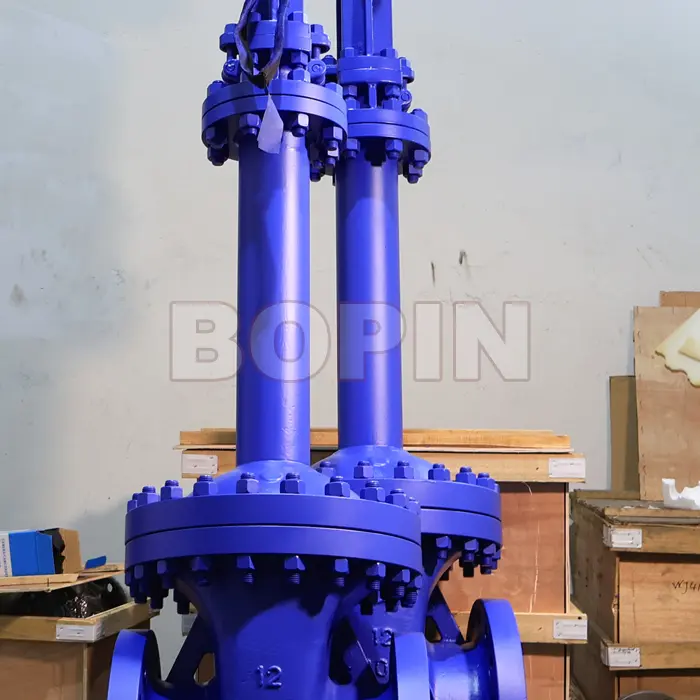
Bellows Sealed Valves
Bellows sealed valves are specialized industrial valves designed to eliminate stem leakage and fugitive emissions, making them essential in applications where safety, environmental protection, and process integrity are critical. Unlike conventional valves that rely on graphite or PTFE packing systems, bellows sealed valves use a metallic bellows assembly welded between the valve body and stem. This flexible, hermetically sealed structure ensures that process fluids cannot escape through the stem area even under high pressure, high temperature, or toxic service conditions.
These valves are widely used in chemical plants, petrochemical refineries, power stations, pharmaceutical systems, cryogenic processes, and steam networks, where leakage is unacceptable. Over time, bellows sealing technology has been integrated into several valve types, forming a complete family of bellows sealed valves.
1. Basic Principle of Bellows Sealing Technology
The core of a bellows sealed valve is the metal bellows cartridge, typically made from stainless steel (such as SS304, SS316L, or Inconel alloys for extreme conditions). The bellows is welded at one end to the valve bonnet and at the other end to the valve stem.
Working concept:
- The bellows expands and compresses as the valve opens and closes
- It creates a hermetic barrier between the process fluid and atmosphere
- The valve stem operates without direct exposure to the medium
- A secondary packing system is often included as a backup safety seal
This design eliminates a major failure point in traditional valves: stem leakage through gland packing.
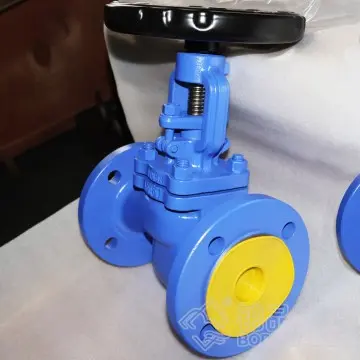
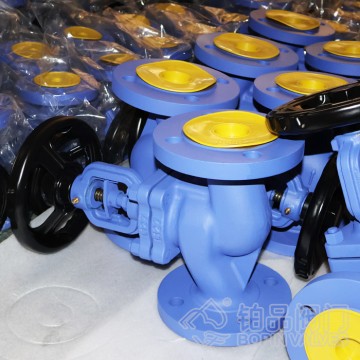
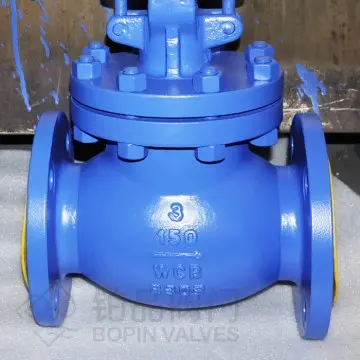
2. Bellows Sealed Globe Valves
The most common type of bellows sealed valve is the globe valve, widely used for flow regulation.
Features:
- Linear motion for precise throttling
- Excellent sealing performance due to bellows system
- Suitable for steam, oil, and chemical media
- Rising stem design for visual position indication
Applications:
- Steam distribution systems
- Chemical dosing pipelines
- Thermal oil systems
- High-temperature process lines
Bellows sealed globe valves are preferred when accurate flow control and zero leakage are both required. They are commonly designed according to standards such as EN 13709 or DIN 3356.
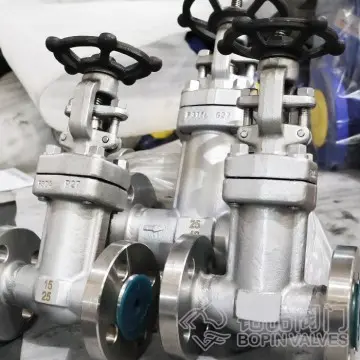
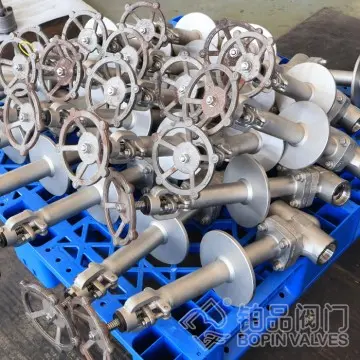
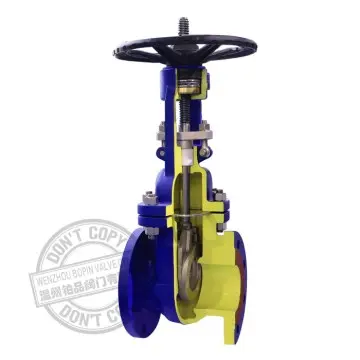
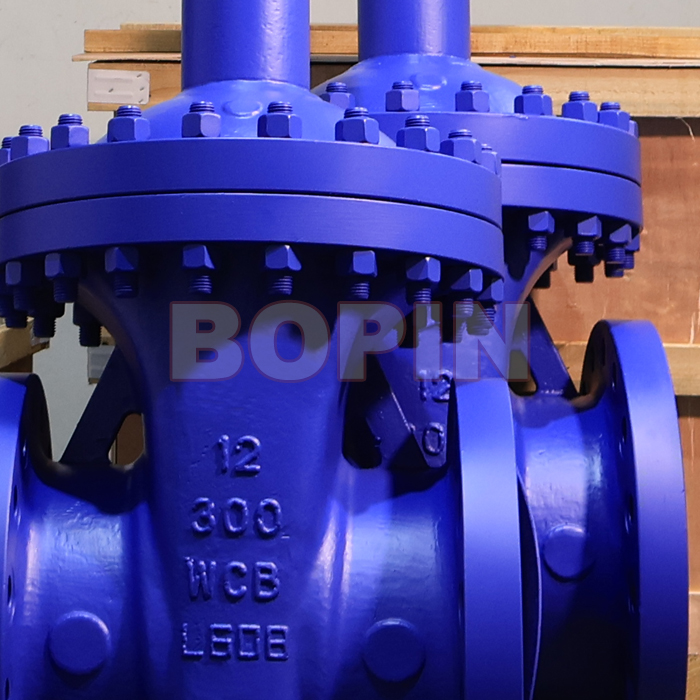
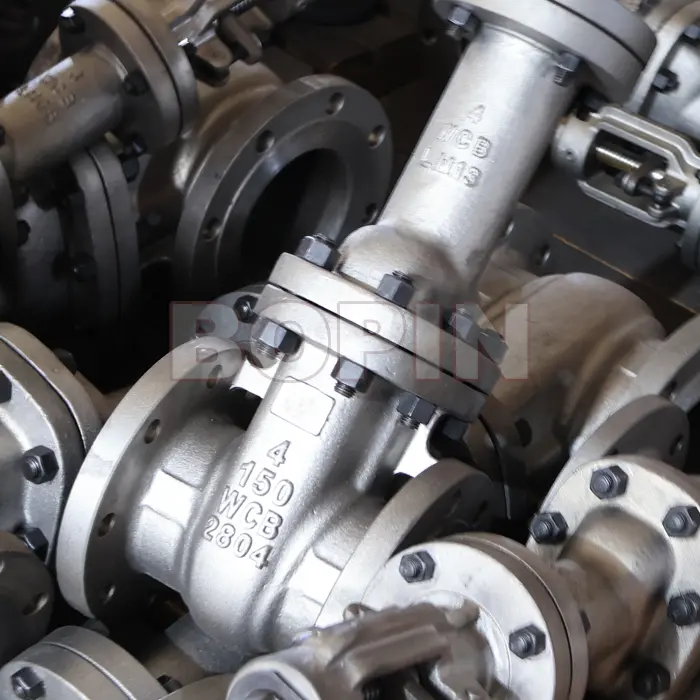
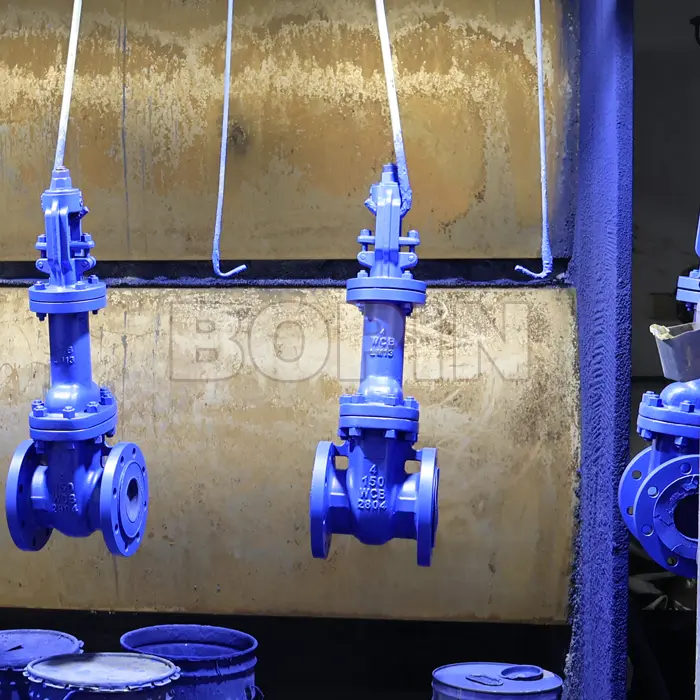
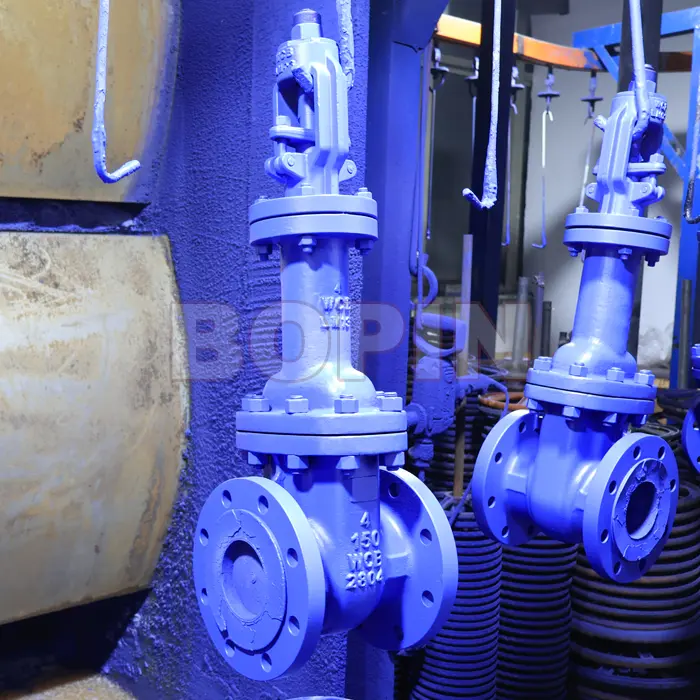
3. Bellows Sealed Gate Valves
Bellows sealed gate valves are designed for on/off isolation service, where full flow or complete shut-off is required.
Features:
- Parallel or wedge-shaped gate mechanism
- Minimal pressure drop when fully open
- Bellows seal prevents stem leakage
- Suitable for large pipeline diameters
Applications:
- Refinery isolation systems
- Water and steam main pipelines
- Oil and gas transmission lines
Unlike globe valves, gate valves are not used for throttling but are ideal for long-term isolation with tight shut-off performance.
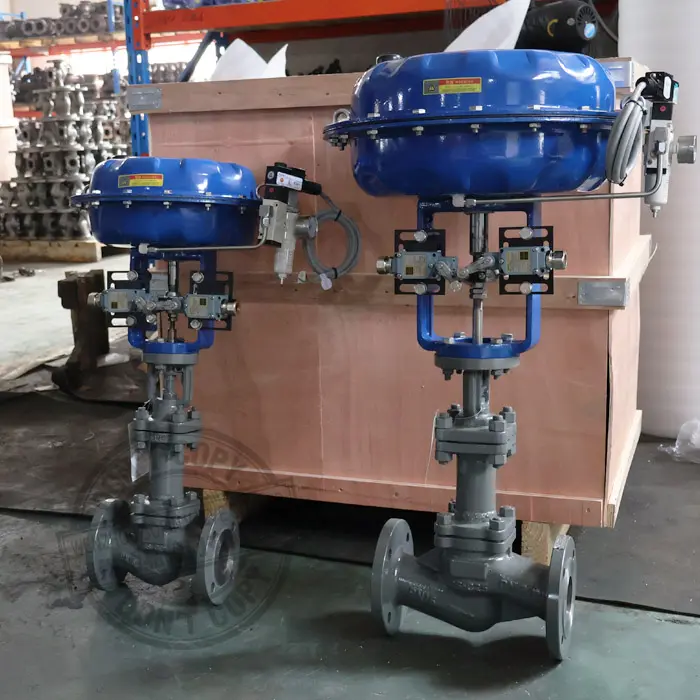
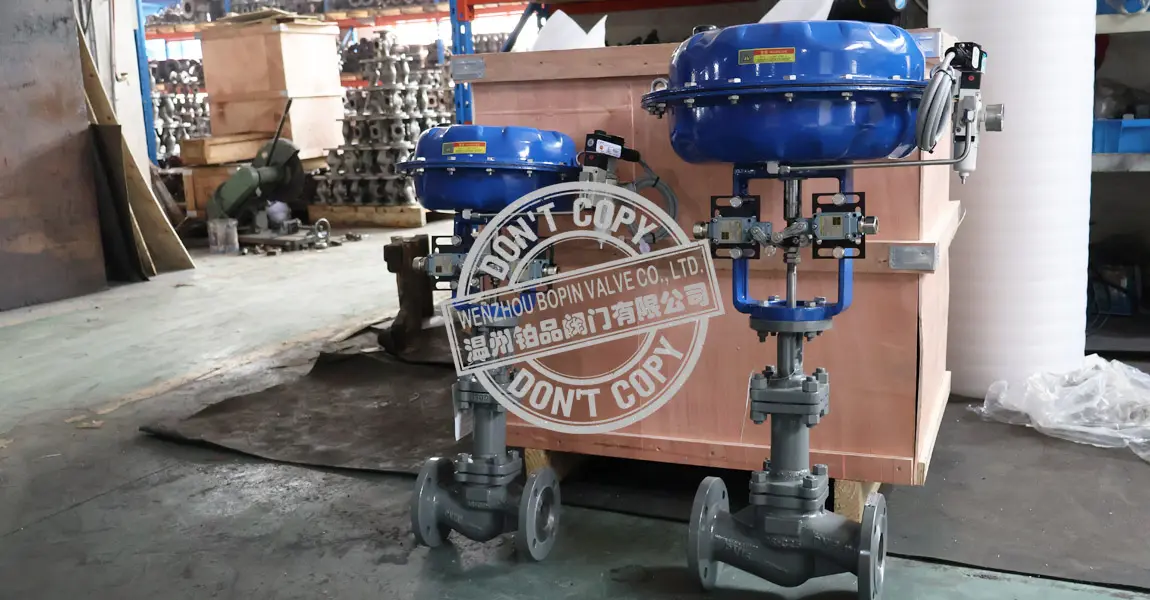
4. Bellows Sealed Control Valves
Control valves with bellows sealing integrate automatic flow regulation systems with leakage-free stem design.
Features:
- Equipped with pneumatic or electric actuators
- Precise modulation of flow rate
- Bellows ensures zero emission during dynamic operation
- Suitable for continuous process control
Applications:
- Chemical reaction control systems
- Power plant feedwater regulation
- Industrial automation pipelines
These valves combine process automation with environmental safety, making them essential in modern smart industries.
5. Bellows Sealed Angle Valves
Angle-type bellows sealed valves are designed with a 90-degree flow path, allowing efficient handling of viscous or high-pressure fluids.
Features:
- Compact design with reduced piping stress
- Efficient flow direction change
- Strong resistance to flashing and cavitation
- Bellows sealing for hazardous media
Applications:
- Steam condensate systems
- Boiler drainage lines
- High-pressure liquid transfer
They are particularly useful in systems where space constraints and flow direction changes are important.
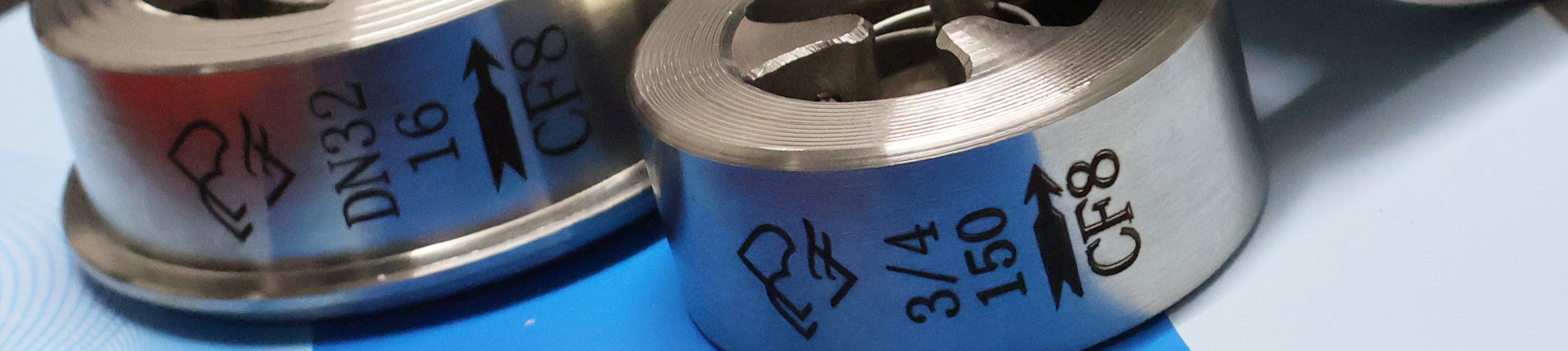
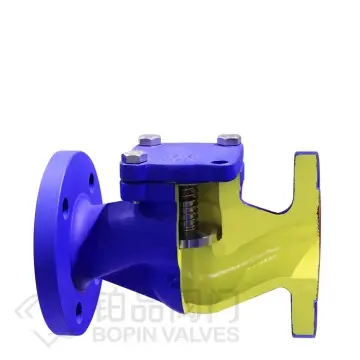
6. Bellows Sealed Check Valves (Special Designs)
Although traditional check valves do not have stems, some advanced systems incorporate bellows-assisted sealing elements in specific designs, especially in critical non-return applications.
Features:
- Prevents reverse flow automatically
- Enhanced sealing in high-temperature environments
- Used in combination with safety systems
Applications:
- Steam trap systems
- Boiler protection circuits
- Chemical backflow prevention
While not all check valves use bellows, specialized designs exist for high-integrity process safety systems.
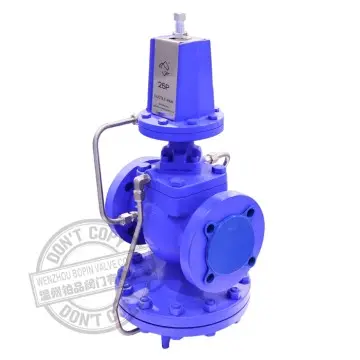
7. Bellows Sealed Pressure Relief and Safety Valves
In high-risk industries, bellows are used in pressure relief valves (PRVs) and safety valves to protect against pressure build-up.
Features:
- Bellows isolates spring chamber from process fluid
- Prevents corrosion and fouling of internal components
- Improves set pressure accuracy
- Reduces emission leakage
Applications:
- Refineries and petrochemical plants
- LNG and cryogenic systems
- High-pressure steam boilers
These valves are critical in ensuring system safety under overpressure conditions.
8. Cryogenic Bellows Sealed Valves
Cryogenic systems require valves that can operate at extremely low temperatures such as -196°C (liquid nitrogen or LNG).
Features:
- Extended bonnet design
- Stainless steel or special alloy bellows
- Resistance to thermal contraction
- Zero leakage under extreme cold
Applications:
- LNG terminals
- Air separation plants
- Industrial gas storage systems
Cryogenic bellows valves ensure safety where material brittleness and leakage risks are high.
9. Materials Used in Bellows Sealed Valves
Material selection is critical for performance and durability.
Common materials:
- Body: Carbon steel (WCB, GS-C25), stainless steel (CF8, CF8M)
- Bellows: SS304, SS316L, Inconel, Hastelloy
- Trim: Stainless steel or hardened alloys
- Gasket: Graphite or spiral wound materials
High-performance alloys are used in aggressive chemical or high-temperature environments.
10. Advantages of Bellows Sealed Valves
Bellows sealed valves offer significant benefits over conventional packed valves:
1. Zero Fugitive Emissions
They eliminate stem leakage completely, making them environmentally friendly.
2. Enhanced Safety
Critical for handling toxic, flammable, or corrosive fluids.
3. Reduced Maintenance
No frequent gland packing replacement required.
4. Long Service Life
Bellows are designed for millions of operating cycles.
5. Regulatory Compliance
Meets strict emission standards such as ISO 15848 and TA-Luft requirements.
11. Limitations of Bellows Sealed Valves
Despite their advantages, they also have limitations:
- Higher manufacturing cost compared to standard valves
- Limited flexibility in extreme pressure cycling if not properly designed
- Bellows fatigue risk over very long service life
- Not suitable for highly abrasive slurries
Proper selection and engineering design are essential for long-term reliability.
12. Industrial Applications Overview
Bellows sealed valves are used across many industries:
- Oil & gas refining and distribution
- Chemical and petrochemical processing
- Power generation (thermal and nuclear)
- Pharmaceutical manufacturing
- Food and beverage steam systems
- Cryogenic and LNG systems
Their role is especially critical wherever leak-free operation is mandatory.