





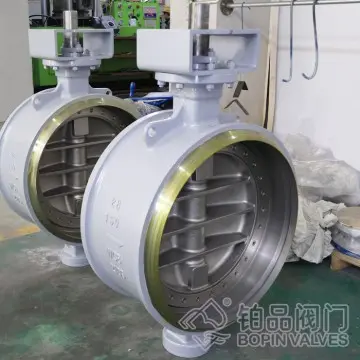
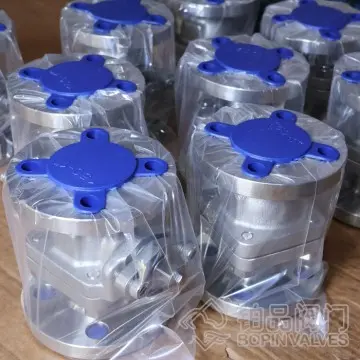
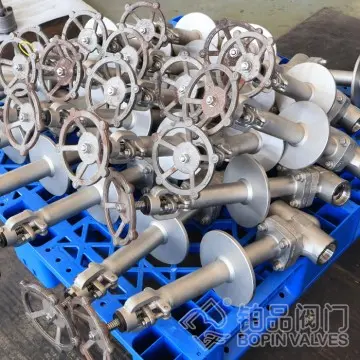
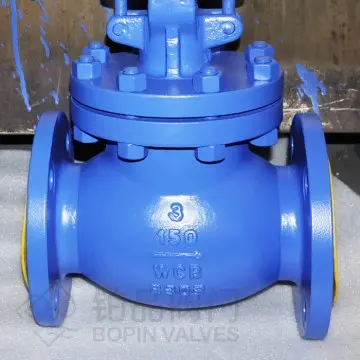


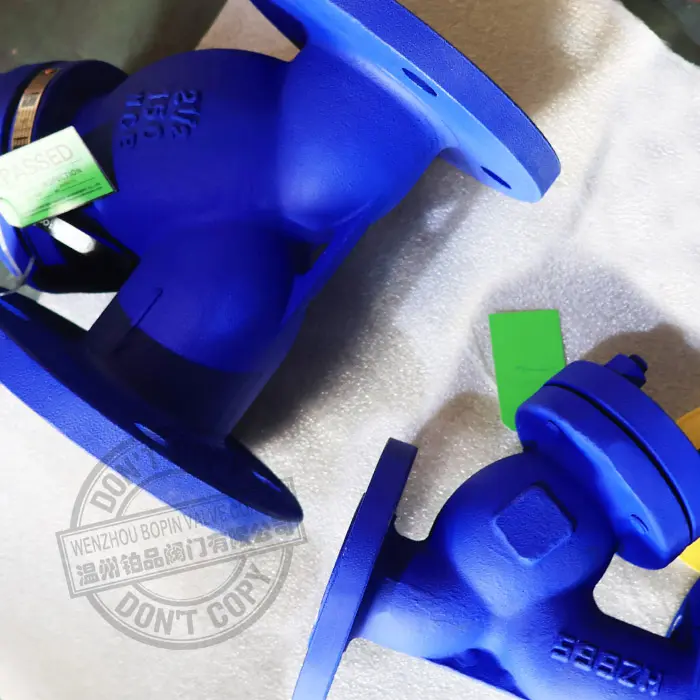
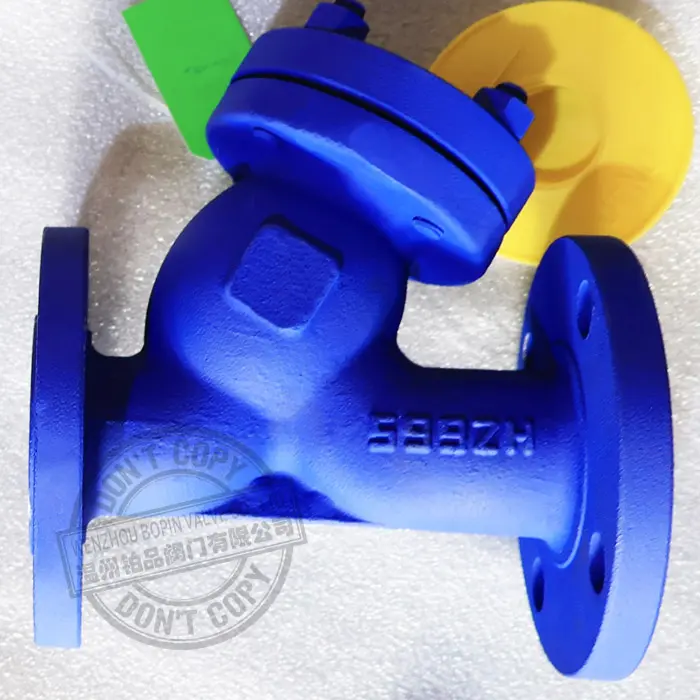
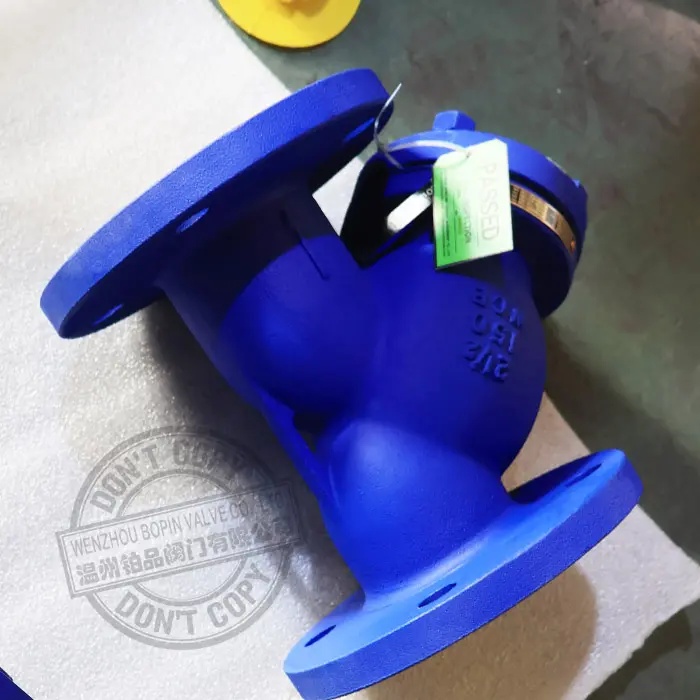
ASME B16.34 Cast Steel Flanged Y Type Strainer
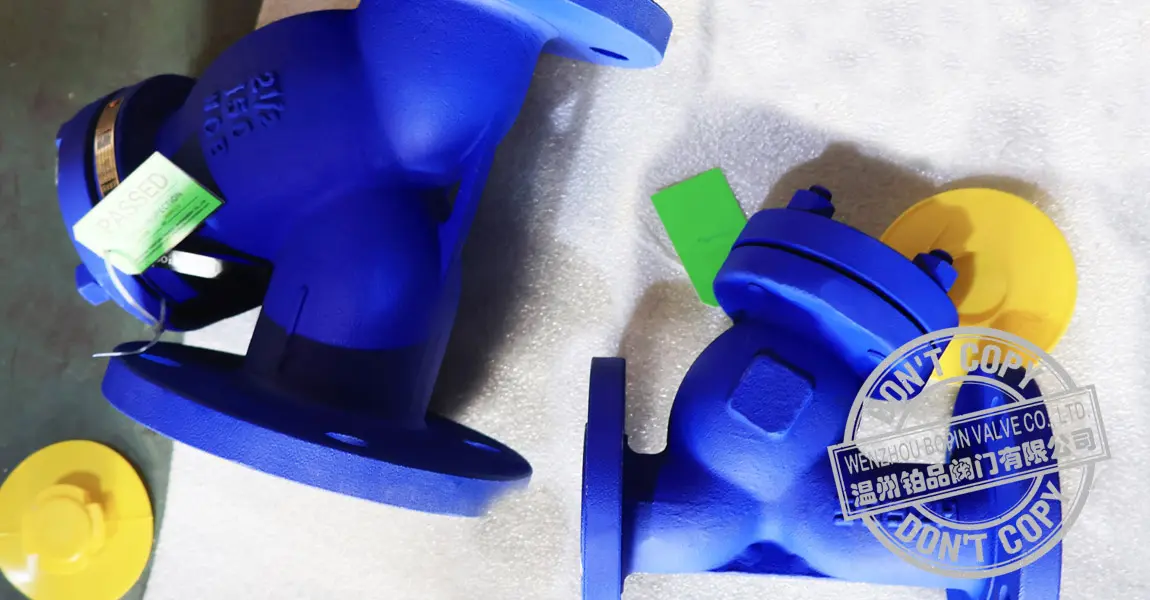
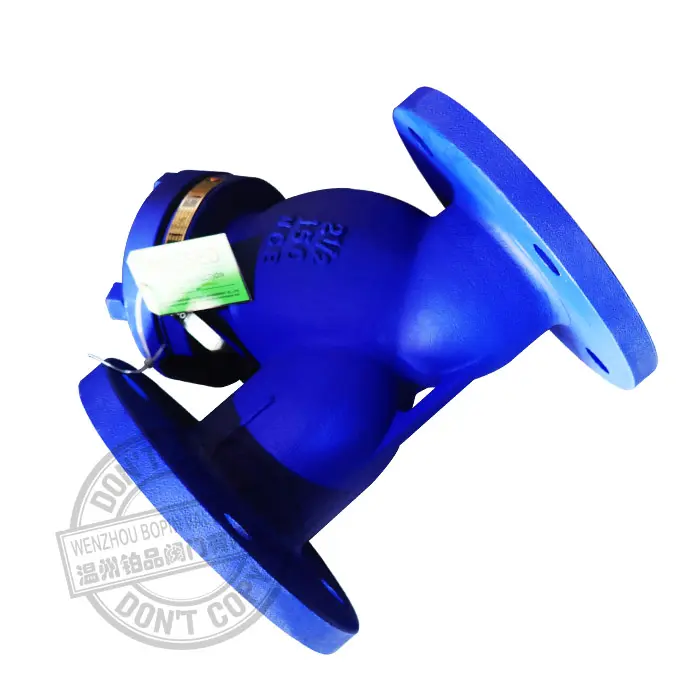
An ASME B16.34 Cast Steel Flanged Y Type Strainer is a high-performance pipeline filtration device designed to remove unwanted solid particles, debris, rust, scale, and foreign materials from industrial fluid systems. It is widely used in steam, oil, gas, chemical, power generation, and process industries to protect important downstream equipment such as control valves, pumps, pressure reducing valves, heat exchangers, and flow meters.
Y type strainers are named because of their unique Y-shaped body configuration, which allows the main flow passage to continue through the pipeline while contaminants are collected inside a removable filtering screen. Compared with other filtration equipment, Y strainers provide a compact design, low pressure loss, easy maintenance, and reliable operation under high-pressure and high-temperature conditions.
Although ASME B16.34 is primarily a standard for industrial valves rather than strainers, many manufacturers apply ASME B16.34 design requirements to cast steel Y strainers because they contain pressure-retaining components similar to valves. The standard provides guidance regarding pressure-temperature ratings, wall thickness, materials, pressure-containing parts, and manufacturing quality.
For steam systems, cast steel flanged Y strainers are especially suitable because they can withstand high temperatures, mechanical stress, and continuous operation.
Design Features of Cast Steel Flanged Y Type Strainer
1. Robust Cast Steel Body Construction
The body is the primary pressure-containing component of a Y strainer. Cast steel construction provides excellent strength, impact resistance, and durability.
Common body materials include:
ASTM A216 WCB Carbon Steel
ASTM A216 WCB is one of the most widely used materials for industrial Y strainers. It provides:
- High mechanical strength
- Good weldability
- Reliable performance under medium and high-temperature conditions
- Cost-effective operation
It is commonly selected for steam pipelines, oil systems, and general industrial applications.
ASTM A351 CF8 / CF8M Stainless Steel
For corrosive environments, stainless steel bodies are preferred.
Advantages include:
- Excellent corrosion resistance
- Better chemical compatibility
- Longer service life
- Suitable for aggressive media
CF8M stainless steel with molybdenum content provides improved resistance against chloride corrosion.
2. Flanged End Connection Design
The flanged connection is one of the most common designs for industrial Y strainers because it allows simple installation, removal, and maintenance.
Typical flange standards include:
- ASME B16.5 for flange dimensions
- ASME Class 150
- ASME Class 300
- ASME Class 600
Common flange facing options include:
- Raised Face (RF)
- Flat Face (FF)
- Ring Type Joint (RTJ)
The standardized flange design allows the Y strainer to be installed easily into existing piping systems without special modifications.
3. Stainless Steel Filtering Screen
The filter screen is the key working component of a Y type strainer. It captures solid contaminants while allowing clean fluid to pass through.
Typical screen materials:
- Stainless steel 304
- Stainless steel 316
- Stainless steel 316L
The screen can be customized according to customer requirements:
- Mesh size
- Perforation diameter
- Filtration accuracy
- Open area percentage
A properly designed screen provides an ideal balance between filtration efficiency and pressure drop.
For steam systems, stainless steel screens are preferred because they maintain strength and corrosion resistance at elevated temperatures.
4. Bolted Cover and Easy Maintenance
The cover design allows operators to remove and clean the screen without replacing the complete strainer.
Common cover designs include:
- Bolted cover
- Threaded cover (small sizes)
The sealing gasket between the body and cover ensures reliable operation.
Common gasket materials:
- Flexible graphite
- Spiral wound gasket
- PTFE
For high-temperature steam applications, graphite gaskets are commonly selected due to their excellent heat resistance.
Applicable Standards for ASME B16.34 Cast Steel Y Type Strainer
A high-quality industrial Y strainer is normally manufactured according to several international standards.
ASME B16.34 – Valve Design Standard
ASME B16.34 provides requirements related to:
- Pressure-temperature ratings
- Pressure-containing components
- Minimum wall thickness
- Material requirements
- Testing considerations
Applying ASME B16.34 principles helps ensure that the cast steel Y strainer has sufficient mechanical strength for industrial pressure systems.
ASME B16.5 – Flange Standard
ASME B16.5 defines:
- Flange dimensions
- Pressure classes
- Bolt hole dimensions
- Facing types
This ensures compatibility between the Y strainer and standard industrial pipelines.
API 598 – Pressure Testing
Many industrial Y strainers follow API 598 testing procedures.
Testing normally includes:
Shell Test
The complete body is tested under pressure to verify:
- No leakage
- No casting defects
- Sufficient pressure resistance
Visual and Leakage Inspection
The sealing areas and pressure-containing parts are inspected to ensure reliable operation.
ASTM Material Standards
Common ASTM material specifications include:
| Component | Material Standard |
|---|---|
| Carbon Steel Body | ASTM A216 WCB |
| Stainless Steel Body | ASTM A351 CF8 / CF8M |
| Stainless Steel Screen | ASTM A240 |
| Low Temperature Steel Body | ASTM A352 |
Material traceability documents can be supplied for industrial projects requiring quality control.
Applications of Cast Steel Flanged Y Type Strainer
Steam System Applications
Steam systems require clean and stable flow conditions. Contaminants such as rust, welding slag, and pipe scale can damage equipment.
Y strainers are commonly installed:
- Before steam control valves
- Before pressure reducing valves
- Before steam traps
- Before heat exchangers
They help maintain system efficiency and reduce unexpected downtime.
Oil and Gas Industry
In oil and gas facilities, Y strainers protect:
- Pumps
- Compressors
- Metering equipment
- Control valves
The strong cast steel construction makes them suitable for demanding process conditions.
Chemical Processing Plants
Chemical systems often require corrosion-resistant filtration equipment. Stainless steel Y strainers are widely used where chemical compatibility is important.
Applications include:
- Chemical pipelines
- Solvent systems
- Process equipment protection
Power Generation Industry
Power plants use Y strainers in:
- Boiler systems
- Cooling water systems
- Steam distribution systems
- Auxiliary pipelines
Reliable filtration helps improve equipment availability and operating efficiency.
Advantages of ASME B16.34 Cast Steel Flanged Y Type Strainer
High Strength and Reliability
Cast steel construction provides excellent resistance to:
- Pressure stress
- Temperature fluctuations
- Mechanical impact
This makes the strainer suitable for continuous industrial operation.
Compact Installation
The Y pattern design requires less space compared with some larger filtration systems.
Easy Cleaning and Maintenance
The removable screen allows quick cleaning and reduces maintenance time.
Reduced Equipment Damage
By removing contaminants before they reach sensitive equipment, Y strainers help:
- Extend valve life
- Reduce repair costs
- Improve system reliability
Wide Range of Applications
Available materials and pressure classes allow Y strainers to be used in various industries.
Manufacturing and Quality Inspection
Professional manufacturers apply strict quality control procedures during production.
Typical inspection processes include:
Material Inspection
- Chemical composition testing
- Mechanical property testing
- Material certificate verification
Casting Inspection
- Visual examination
- Dimensional inspection
- Surface quality inspection
Machining Inspection
- Flange dimension checking
- Screen fitting inspection
- Component measurement
Pressure Testing
- Shell pressure test
- Leakage test
Final Inspection
Before shipment, each Y strainer is inspected to ensure:
- Correct dimensions
- Proper marking
- Reliable sealing
- Compliance with customer requirements