
+86 19720579616
+86 19720579616
Zalo
Selecting Forged Steel Valves starts with the actual service, not the catalog photo. A valve for hot steam faces different demands from one handling clean water. Pressure, temperature, media, flow, and operating frequency all matter. So do the pipe connection and available installation space. Small details can change the right choice.
Quality-management expert W. Edwards Deming is often quoted as saying, “Quality is everyone’s responsibility.” That principle fits valve selection: confirm the specifications, manufacturing records, and inspection requirements before purchase. Check the pressure class and material grade against the system conditions. Review the trim, bonnet design, and end connections. For demanding service, ask how the manufacturer verifies material identity and pressure performance. Request documents you can trace to the supplied valve.
A compact forged valve may suit a tight pipeline and repeated operation. But compact does not automatically mean suitable. Match the design to the process, maintenance plan, and applicable project standards. Then compare suppliers on documentation and support, not price alone. This guide explains the key checks and trade-offs. It also addresses a less comfortable point: a correct specification cannot compensate for unclear records or assumptions made during selection. Verify before you install.
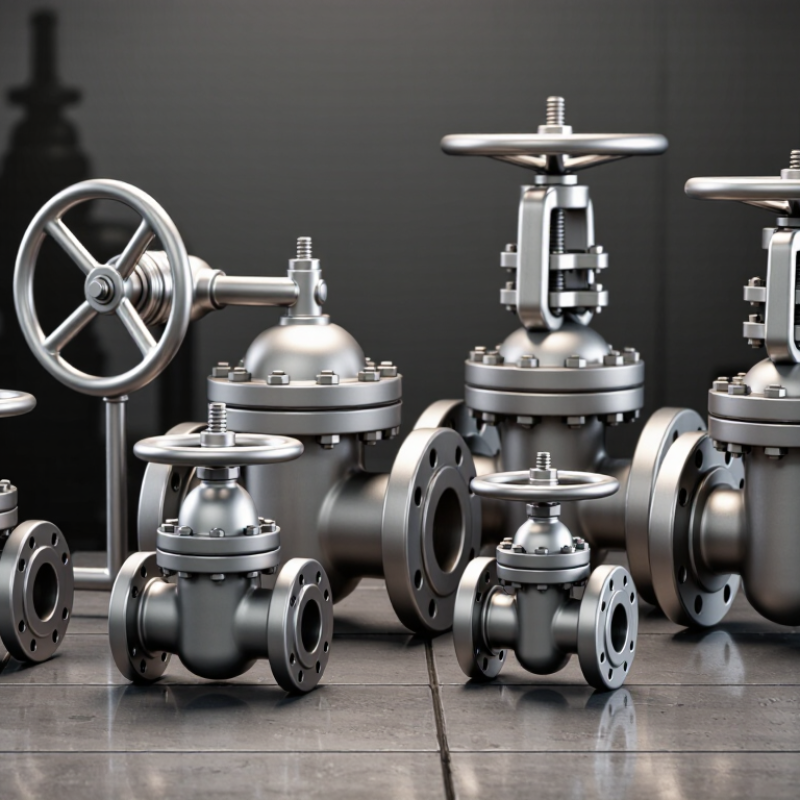
Before choosing a forged steel valve, record the system’s normal and worst-case pressure and temperature. Include startup, shutdown, pressure surges, and steam-out conditions. A valve suitable at steady state may not suit a brief temperature spike. Check the medium, too: water, steam, hydrocarbons, and corrosive fluids impose different material and sealing demands. Small details matter. Note the flow rate, pressure drop, operating frequency, and whether the valve must isolate or throttle. ASME B16.34 provides pressure-temperature ratings for applicable valves; confirm the rating against the governing system code, not just the nominal pressure class.
System requirements affect both performance and energy use. The U.S. Department of Energy’s 2006 Improving Pumping System Performance: A Sourcebook for Industry reports that pumping systems account for nearly 20% of global electricity use. That makes unnecessary pressure loss worth examining, especially in continuously operated lines. Avoid oversizing by comparing required flow with the valve’s capacity and expected operating position. Specify end connections, face-to-face dimensions, material grade, and inspection needs before procurement. A common gap is overlooking cycling: frequent operation can change wear and maintenance expectations. No checklist captures every transient. Review the actual process data, and verify uncertain assumptions with the design engineer.
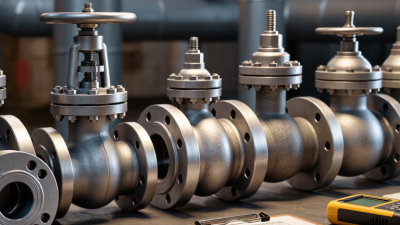
Forged steel valves suit compact, high-pressure lines where thick walls and small bore sizes are common. API 602 covers forged gate, globe, and check valves up to NPS 4, with pressure classes including 150, 800, and 2500. These ratings are not interchangeable: ASME B16.34 pressure-temperature tables vary by material group and operating temperature. Check the actual service conditions, not just the class stamped on the body.
Gate valves provide a relatively direct flow path and work well for isolation, but they are poor choices for routine throttling. Globe valves offer finer flow control, often with greater pressure drop. Check valves prevent reverse flow; select swing, lift, or piston designs according to flow direction, space, and pulsation. Small details matter. A lift check may suit a steady vertical line, while a swing type needs room for its disc to travel.
End connections also change installation and maintenance. Threaded and socket-weld ends are common on smaller lines; flanged ends allow easier removal. Compare body and bonnet construction, trim material, seat design, and packing access. For example, a hot steam line needs temperature-appropriate materials and verified pressure ratings, not merely a compact valve. I’ve seen selection discussions focus too heavily on pressure class; that shortcut misses cycling, fluid cleanliness, and maintenance access. Check the applicable API 602 and ASME B16.34 editions with a qualified engineer before specifying.
Reading the chart: API 602 includes Class 150, 300, 600, 800, 1500, and 2500 designations for compact steel gate valves. These are class labels, not pressure values in psi. The allowable pressure depends on the valve material and operating temperature; confirm the rating for the specific valve before selection.
Forged steel valves are often chosen for compact, high-pressure piping, but material selection should start with the fluid and operating conditions. Carbon steel, such as ASTM A105, suits many non-corrosive services. Stainless steel forgings, such as ASTM A182 F316, may better resist corrosion, though they are not suitable for every chemical. Check fluid composition, temperature, and possible contaminants against the material’s documented limits. Small details matter.
Pressure class alone does not confirm suitability. ASME B16.34 provides pressure-temperature ratings, so compare the valve’s rating at your actual operating temperature, not just the pressure shown on a line diagram. Allow for pressure surges and cycling where relevant. A valve near its limit may leave little margin. Do not guess.
Match the valve design and documentation to the project specification. API 602 is commonly referenced for compact steel gate, globe, and check valves; confirm that its scope fits the required design. For sour service, review applicable material requirements, such as NACE MR0175/ISO 15156, with a qualified engineer. Ask for material test reports, heat identification, and traceable pressure-test records. I would recheck these details against the latest project documents; specifications can differ, and a familiar standard may not cover every service condition.
Choose End Connections, Actuation, and Valve Features
Start with the piping layout and how the valve will be serviced. Threaded ends can suit compact, lower-pressure lines when the piping specification allows them. Socket-weld ends create a permanent joint, but welding access and inspection requirements matter. For larger or frequently maintained systems, flanged ends may make removal easier. Check the pressure class, material compatibility, and temperature range against the actual operating conditions—not just the line size.
Then choose actuation based on access and operating frequency. A handwheel is straightforward for occasional adjustment, while a gearbox can reduce effort on larger valves. Pneumatic or electric actuators may suit remote operation, but they add controls, power needs, and maintenance. Think about what happens during a power or air failure. That detail is easy to miss.
Valve features should match the job. A locking device can help prevent unintended operation; a position indicator makes remote checks clearer. For throttling, confirm that the valve design is suitable—many isolation valves are not intended for precise flow control. Ask for pressure-temperature ratings, trim and seat details, and applicable test documentation. In practice, selection gets messy when specifications conflict, so record the assumptions and verify them with the project engineer or supplier before ordering. A small mismatch can mean costly rework.
Forged steel valves are only as dependable as the process behind them. Ask how the body material is identified, forged, heat-treated, and machined. Request material test reports that match the valve’s heat or batch number, not a sample document from another order. Check that pressure and temperature ratings suit your operating conditions.
Look for documented inspection at meaningful stages. Pressure tests should identify the test medium, pressure, duration, and acceptance criteria. Non-destructive examination may be appropriate for critical service; ask which method was used and who reviewed the results. A neat certificate is not the whole story. Compare serial numbers, dates, and product descriptions across records. Even careful paperwork can contain a mismatch.
Supplier credentials deserve the same scrutiny. Verify that quality-system certificates are current and cover the manufacturing site and relevant product scope. Ask for inspection procedures, calibration records, and evidence of staff qualifications where needed. A site visit can reveal practical details: marked material racks, controlled heat-treatment records, and gauges with visible calibration labels. If visiting is not feasible, request a live video walkthrough or a recent independent inspection report. Do not treat a polished presentation as proof; I would still check how the supplier handles a failed test or a traceability gap.
| Selection Area | What to Specify or Check | How to Verify It | Why It Matters |
|---|---|---|---|
| Service conditions | Define the fluid, operating pressure and temperature, flow direction, cycling frequency, and any corrosive or hazardous constituents. | Compare the stated service conditions with the valve design limits and applicable project specifications. | Material, pressure class, end connections, and valve design must suit the actual operating conditions. |
| Valve type and size | Select the required function—such as isolation or throttling—and specify nominal pipe size, port arrangement, and flow direction where applicable. | Review the product drawing, datasheet, and connection dimensions against the piping design. | Forged steel valves are available in different designs; the right choice depends on the intended duty and installation. |
| Pressure and design standard | Identify the required pressure class and applicable design standard. ASME B16.34 covers pressure-temperature ratings and other requirements for many flanged, threaded, and welding-end valves. | Check the nameplate, datasheet, and design documentation for the specified standard and class. | A class designation alone does not establish suitability for every material, temperature, or service condition. |
| Material selection | Match the body, trim, stem, and seating materials to the fluid, temperature range, and corrosion requirements. Common forged body material specifications include ASTM A105, ASTM A182 F316, and ASTM A350 LF2 for applicable low-temperature service. | Review the bill of materials and material test reports; confirm that each material grade matches the purchase specification. | Material names are not interchangeable. Suitability depends on the exact grade, component, service, and design limits. |
| End connections | Specify threaded, socket-weld, butt-weld, or flanged ends, along with the required dimensions and facing details. | Check connection details against the piping class and relevant dimensional standards, such as ASME B16.5 for applicable flanges. | Correct end connections support fit-up, pressure integrity, and compatibility with adjacent piping. |
| Manufacturing quality | Ask for defined controls covering forging, heat treatment, machining, assembly, inspection, and identification of materials and finished valves. | Review the quality plan, inspection records, traceability markings, and documented procedures relevant to the order. | A documented process helps demonstrate that the supplied valve conforms to the agreed requirements. |
| Material traceability | Require material test reports that identify the material grade and relevant chemical and mechanical test results. | Match report heat or batch numbers to component markings and the valve’s traceability records. Specify the required certificate type in the purchase order. | Traceability links material documentation to the components installed in the valve. |
| Pressure and leakage testing | Specify the required shell and seat or closure tests and acceptance criteria. API 598 and ISO 5208 are commonly used valve inspection and testing standards. | Request test reports identifying the standard and edition, test medium, test pressure, duration, results, and valve identification. | Testing requirements vary by valve type, size, pressure class, and governing specification; confirm the applicable criteria before purchase. |
| Special service requirements | State any additional requirements, such as low-temperature impact testing, fire testing, or sour-service material controls. | Check that the applicable specification is explicitly named and that supporting reports cover the supplied configuration and materials. | Additional service requirements should be confirmed separately; they are not implied by a general valve standard. |
| Supplier credentials | Assess the supplier’s quality-management documentation, relevant product experience, inspection capability, and ability to provide complete records. | Verify certificate scope and validity with the issuing body where practical; review sample inspection and test documentation before placing an order. | A quality-system certificate can support confidence in documented processes, but it does not replace product-specific verification. |
| Order documentation and delivery | List the datasheet, drawings, material reports, test reports, inspection points, marking, preservation, and packaging requirements in the purchase order. | Use a document checklist and confirm that records and identification match the ordered valve before shipment or installation. | Clear documentation requirements reduce omissions and make acceptance checks more consistent. |
Note: Confirm the current editions of applicable standards and the project’s governing specifications. Final valve selection should be reviewed against the complete operating conditions and applicable engineering requirements.