
+86 19720579616
+86 19720579616
Zalo
Choosing Forged Steel Globe Valves requires more than comparing pressure ratings or purchase prices. These valves control, isolate, and regulate demanding fluid services where leakage, erosion, and thermal cycling can quickly become expensive. Grand View Research estimates that the global industrial valves market will continue expanding through 2030, driven by energy, chemical processing, water, and infrastructure projects. That growth increases product variety. It also makes selection less obvious.
The MarketsandMarkets Industrial Valves Market report identifies oil and gas, power generation, and chemical processing as major demand sectors. In these environments, forged bodies can offer compact geometry, strong grain structure, and reliable performance under high pressure. However, “forged” does not automatically mean “best.” Body material, trim compatibility, pressure class, end connection, seat design, and operating temperature still require careful review. Small details matter. A damaged stem thread can stop a critical line.
Robert W. Zappe, author of Valve Selection Handbook, wrote, “The selection of valves for a process plant is a complex task.” That warning remains practical. The right Forged Steel Globe Valves should match the actual medium, cycling frequency, installation position, maintenance plan, and applicable standards, including API 602 and ASME B16.34 where relevant. Manufacturer certificates, pressure-test records, and traceability documents strengthen confidence.
There is no perfect shortcut. A lower-cost valve may create higher lifecycle expenses through packing adjustments, difficult access, or premature seat wear. This guide examines material grades, pressure classes, bonnet designs, testing requirements, and supplier credibility, helping engineers make a defensible choice rather than a merely convenient one.
How to Choose China Top Forged Steel Globe Valves?
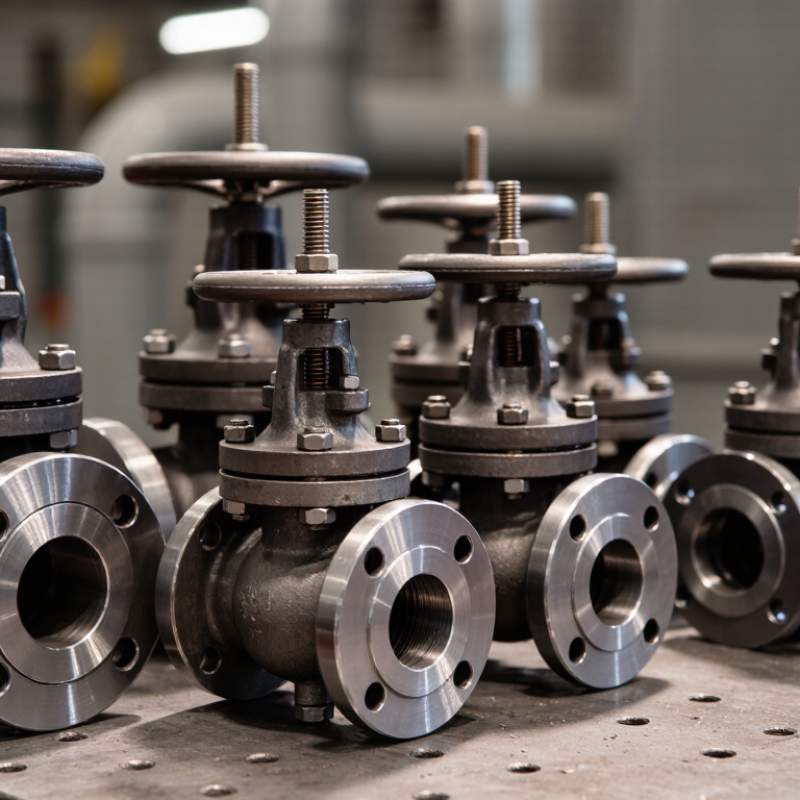
Forged steel globe valves are selected by construction, pressure rating, temperature, and flow duty. Their compact bodies suit high-pressure piping where casting defects and bulky dimensions create concern. Common types include T-pattern, Y-pattern, angle, bellows-sealed, and cryogenic designs.
T-pattern valves provide reliable shutoff and moderate throttling. They often serve steam lines, boiler systems, and process piping. Y-pattern valves reduce pressure loss through a straighter flow path. This makes them useful for high-pressure steam and continuous service. Angle globe valves change flow direction by ninety degrees. They can simplify piping around vessels and heat exchangers. Bellows-sealed valves limit stem emissions and protect sensitive media. Chemical plants and vacuum systems may require this design. Cryogenic globe valves use extended bonnets and suitable stainless materials for very low temperatures.
Material selection must match the medium. Forged carbon steel fits many water and steam services. Alloy steel handles elevated temperatures more confidently. Stainless steel supports corrosive or cleaner process conditions. Check the trim, seat arrangement, end connection, and pressure class together. They must work as a system.
Field inspection often reveals a practical mistake: choosing by pressure rating alone. A valve may withstand pressure but throttle poorly. Another issue is oversizing, which can cause unstable control and seat damage. I would verify actual flow, cycling frequency, and installation space before ordering. Data sheets sometimes look complete. They are not always enough.
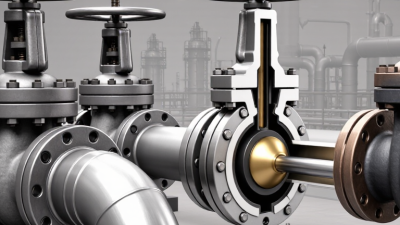
Set performance, material, pressure, and temperature requirements before comparing forged steel globe valves. Field engineers often start with media behavior, not price. Steam, oxygen, sour gas, and seawater demand different sealing and body materials. Carbon steel may suit dry steam, while stainless steel offers stronger corrosion resistance. However, stainless steel is not automatically safer. Chloride concentration, flow velocity, and welding quality still matter.
Pressure and temperature must match the actual operating range. Check the pressure-temperature tables in ASME B16.34, then verify wall thickness, end connections, and bonnet design.
A valve rated for 600 class service can still fail under thermal cycling or water hammer. The NACE IMPACT study estimated global corrosion costs at 3.4% of worldwide GDP. That figure makes material selection a financial decision, not merely a technical preference.
Performance testing should include seat leakage, shell strength, torque, and cycle durability. For hazardous or low-emission service, request fugitive-emission testing under ISO 15848-1.
The International Energy Agency reported more than 3 trillion dollars in global energy investment for 2024, increasing demand for reliable process equipment. Yet specifications are often overbuilt.
A careful buyer should compare design margin, maintenance access, test records, and traceability. One overlooked detail can be the drain orientation. A practical review with operating engineers is still necessary.
Evaluate the manufacturer, not only the valve price. The ISO Survey 2023 counted more than one million ISO 9001 certificates worldwide. Certification helps, but it does not prove consistent valve performance. Request the certificate number, issuing body, scope, and latest audit status. The scope should cover forged steel valves, not only general trading activities.
Ask for API 602 and ASME B16.34 compliance evidence when the service requires it. Review pressure-test procedures, material traceability, and heat-treatment records. A reliable supplier should provide EN 10204 3.1 certificates, chemical analysis, and mechanical-test results for each heat. Look for controlled forging, machining, lapping, and assembly areas. Check whether calibration records cover pressure gauges and torque tools.
Request recent factory videos, inspection plans, nonconformance records, and sample test reports. Confirm monthly output against your delivery schedule. A crowded workshop may signal active production, or poor control. It is easy to misread. For sour service, verify material selection against ISO 15156 requirements and ask for hardness data. For low-emission applications, review ISO 15848-1 testing. Factory audits remain valuable, but remote evidence can be incomplete. That deserves careful doubt.
Choosing a top forged steel globe valve requires more than comparing prices. Examine the body design, pressure class, end connections, and flow direction. Forged construction should show consistent grain structure and clean machining around the seat area. A compact bonnet may reduce leakage paths, but it can complicate maintenance.
Quality control deserves hard evidence. Request material certificates, heat-number traceability, and positive material identification records. Check whether the manufacturer controls forging temperature, heat treatment, and dimensional inspection. Testing should include shell and seat pressure tests under recognized standards, such as API 598 or ISO 5208. Ask for actual test reports, not only a certificate template. Good records matter.
Small details reveal reliability. Inspect stem straightness, packing compression, surface finish, and handwheel operation. Confirm the trim matches the fluid, temperature, and corrosion conditions. Total cost includes purchase price, inspection, installation, spare parts, downtime, and future packing replacement. A cheaper valve can become expensive after one shutdown. However, no checklist catches every defect. Over-specifying materials may also waste money without improving service life. Compare complete lifecycle costs with an engineer’s review, especially for high-pressure steam or corrosive lines.
A strong supplier proves quality before receiving a large order. Request production samples from the same forged steel grade and process. Check the material test report, heat number, dimensions, and pressure class. Independent inspection should verify chemical composition and hardness through positive material identification. This step is practical, not decorative.
Fortune Business Insights valued the global industrial valves market at USD 78.16 billion in 2023. Growing demand also increases the risk of inconsistent subcontracting.
Ask inspectors to witness shell and seat tests according to ISO 5208 requirements. Review stem alignment, disc movement, packing compression, and surface finish. For critical service, confirm fugitive-emission testing under ISO 15848. A sample can pass visually and still fail after repeated cycling.
Test at least one valve through a realistic operating sequence. I would also compare torque readings, because oversized actuators can reveal hidden friction. Small details matter.
After-sales support separates a capable manufacturer from a low-cost seller. Require traceable spare seals, packing, drawings, inspection records, and installation guidance. Define response times for leakage, delayed delivery, and warranty claims.
A useful supplier should provide root-cause analysis, not only replacement parts. The 2024 industrial valve market outlook from Fortune Business Insights projects continued expansion through 2032, making service capacity increasingly important.
Some buyers focus too heavily on factory photographs. That is a mistake. Photographs cannot repair a valve.