
Inquiry
Form loading...

7 Tips for Buying Forged Steel Globe Valves

Choosing the right Forged Steel Globe Valves requires more than comparing prices or reading a product sheet. These valves often control high-pressure steam, oil, water, and chemical services. A small mistake can cause leakage, flow restriction, or costly maintenance. The purchase decision deserves practical attention.

This guide presents seven useful tips for evaluating valve quality, design, and supplier reliability. It considers pressure ratings, temperature limits, body materials, trim selection, end connections, and operating conditions. Experienced engineers also inspect manufacturing standards, testing records, and traceability documents. These details reveal whether a valve can perform beyond a clean showroom sample.

Look closely.

Real projects rarely match catalog conditions perfectly. A valve may face vibration, thermal cycling, dirty media, or limited installation space. I have learned that overlooked details often create the largest problems later. A perfect checklist does not exist, but a disciplined review reduces avoidable risk. The following guidance helps buyers ask clearer questions, compare credible manufacturers, and select Forged Steel Globe Valves with greater confidence. It also encourages careful reflection before approval, because the lowest initial cost may not represent the lowest lifecycle cost. Reliable performance depends on correct sizing, honest documentation, qualified production, and suitable service support. Review every assumption.
7 Tips for Buying Forged Steel Globe Valves

Define the Valve’s Service Requirements and Operating Conditions

Before buying a forged steel globe valve, define the service clearly. Identify the fluid, pressure, temperature, flow rate, and operating frequency. A valve handling hot steam faces different stresses than one controlling clean water. Write down the normal and worst-case conditions. “Normal” is not enough.

Check whether the fluid is corrosive, abrasive, toxic, or prone to flashing. These details affect body material, trim selection, seat design, and packing. For throttling service, estimate the required flow coefficient and pressure drop. An oversized valve may hunt, vibrate, and control poorly. It can also waste energy. A smaller valve may create excessive velocity and erosion.

Consider the real operating routine. Will the valve open twice a year or cycle every few minutes? Frequent movement may require a stronger actuator and suitable stem lubrication. Confirm the installation direction, available space, connection standard, and maintenance access. In cold environments, external sealing deserves careful attention. In high-temperature lines, thermal expansion can change alignment.

A field inspection often reveals missing information. Pipe vibration, nearby pumps, and sudden pressure surges are easy to overlook. I have seen specifications built around average data, while the valve later faced the maximum temperature daily. That shortcut caused trouble. Ask operators for start-up and shutdown details. Their practical observations may correct the design sheet. Check applicable pressure and material standards before approval.
Select Suitable Forged Steel Materials and Pressure Classes

7 Tips for Buying Forged Steel Globe Valves

Material selection starts with the fluid, temperature, and corrosion risk. Carbon steel suits many ordinary oil and water services. However, low-temperature systems may require impact-tested low-temperature carbon steel. Stainless steel performs better against chlorides and oxidizing media. Nickel alloys may be necessary for severe chemical exposure. I have seen buyers choose by purchase price alone. That mistake becomes expensive after the first shutdown.

Pressure class must match the full operating envelope, not only normal pressure. Use ASME B16.34 pressure-temperature tables when comparing Class 150, 300, 600, and higher ratings. A Class 600 valve handles substantially more pressure than Class 300 at the same temperature. The exact rating still depends on material grade and temperature. Check wall thickness, end connections, and test requirements together. Small details matter.

The IEA’s Oil 2024 report forecasts global oil demand reaching 105.4 million barrels per day by 2030. New and upgraded facilities will therefore face demanding service conditions.

For sour service, review ISO 15156 requirements before ordering. For compact forged valves, API 602 provides useful design guidance.

Ask for heat-treatment records, chemical analysis, pressure-test certificates, and traceability documents. Data should follow the valve, not sit in a forgotten email. I would also challenge an oversized class selection. More steel does not automatically mean better performance.

Compare Valve Designs, Sizes, End Connections, and Actuation

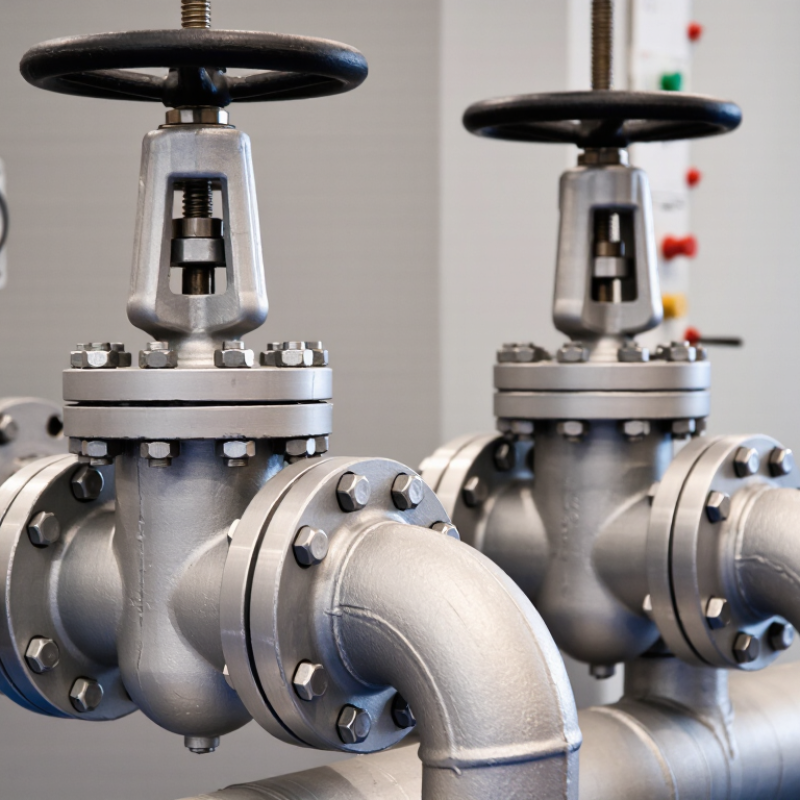
When buying a forged steel globe valve, compare the internal design before comparing prices. A Z-body design is common and easy to maintain. Its flow path creates a noticeable pressure drop. Y-pattern valves reduce turbulence and suit demanding flow control. Angle-pattern valves can change direction and save piping space. Small details matter.

Size the valve from flow rate, pressure, temperature, and the required control range. A larger valve is not automatically safer or better. Oversizing may cause unstable throttling and premature seat wear. Check the valve’s pressure class and temperature limits against your actual service conditions. Do not guess. Review pressure-drop data and material certificates with a qualified engineer.

End connections affect installation time and future maintenance. Threaded ends suit smaller lines, but they need careful sealing and alignment. Socket-weld ends provide compact, strong joints for high-pressure piping. Butt-weld ends reduce leakage paths but require skilled welding and inspection. Flanged ends simplify removal, although they add weight and space. Select manual, pneumatic, or electric actuation according to cycle frequency and control accuracy. Pneumatic units respond quickly, while electric actuators may simplify sites without instrument air. I have learned that actuator sizing is often rushed. Confirm torque, fail position, travel, and emergency requirements before ordering. A checklist can still miss unusual operating conditions, so record real valve behavior after installation.

Check Manufacturing Standards, Certifications, and Quality Controls

7 Tips for Buying Forged Steel Globe Valves

A forged steel globe valve should come with more than an attractive datasheet. Ask which manufacturing standards apply to its design, pressure rating, materials, and testing. API 602 and ASME B16.34 are common references, but their current editions and scopes must be confirmed. Do not assume one standard covers every detail.

Request material certificates showing the heat number, chemical composition, mechanical properties, and heat treatment records. The same number should appear on the valve body or be traceable through controlled records. Check the supplier’s quality certification, such as ISO 9001, and verify its validity and production scope. Paperwork matters.

Inspect the quality controls behind the documents. Hydrostatic testing should match the stated pressure class and approved procedure. Dimensional checks should cover the bonnet, stem, ends, and face-to-face length. For critical service, consider positive material identification and non-destructive examination. Ask whether an independent inspector can witness selected tests. This adds useful confidence, although it does not replace technical judgment.

I have seen complete inspection files that still left small traceability gaps. Those gaps deserve questions, not automatic rejection. A factory audit can reveal calibration practices, operator training, storage conditions, and how rejected parts are controlled. Confirm that test equipment is calibrated and records are retained. Be careful with certificates that look perfect but lack revision dates, signatures, or identifiable test results.

Evaluate Supplier Reliability, Maintenance Needs, and Total Cost

7 Tips for Buying Forged Steel Globe Valves

Evaluate supplier reliability before comparing prices. Ask for material certificates, pressure-test records, and clear heat-number traceability. A dependable supplier should explain forging quality, body materials, trim selection, and applicable testing procedures. Request recent delivery data, not vague promises. Delayed valves can hold up installation and create expensive storage or shutdown problems. Check whether technical staff can review pressure ratings, temperature limits, flow direction, and actuator requirements. Small specification errors become costly later.

Review maintenance needs before approval. Examine seat and stem construction, packing access, bonnet design, and replacement procedures. Ask which spare parts are normally stocked and how quickly they can ship. Practical suppliers provide drawings, inspection guidance, and service documentation. Confirm that operators can reach drain points and bolted connections safely. Maintenance is often overlooked.

Calculate total cost, not purchase cost alone. Include freight, testing, installation, spare parts, inspection labor, energy losses, and expected downtime. A valve with a lower quotation may require more frequent packing adjustments or earlier seat replacement. That assumption needs evidence. Compare quoted service life under your actual pressure, temperature, and cycling conditions. Request references from similar applications, but verify them independently. Also review warranty terms, exclusions, and response times in writing. Good procurement still has uncertainty. Allow a realistic contingency for changing site conditions and imperfect forecasts.