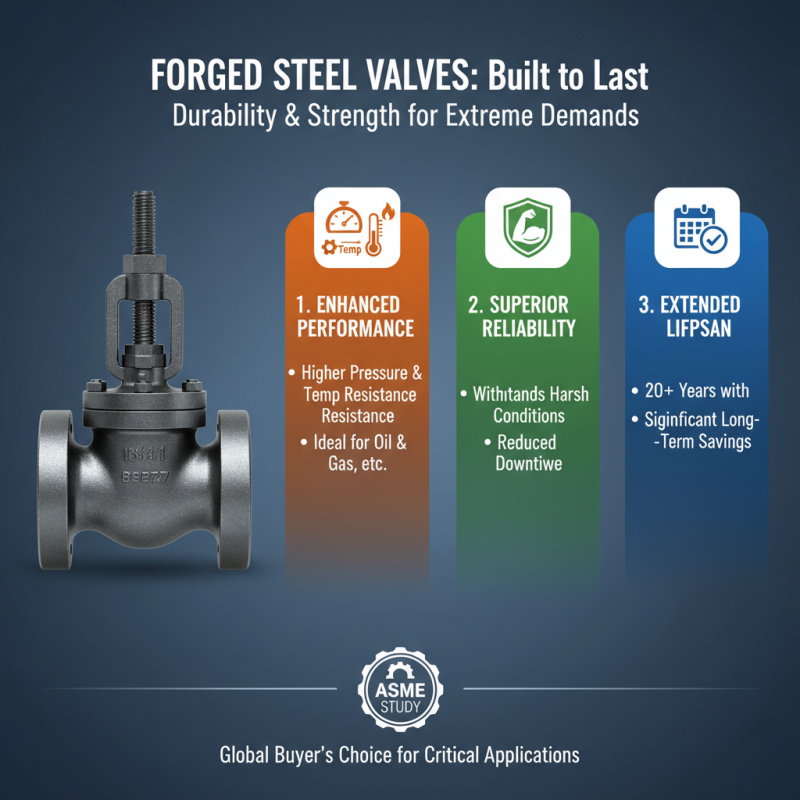
Top Forged Steel Valves Benefits for Global Buyers?
Forged Steel Valves are vital in various industries, including oil and gas, power generation, and water treatment. They offer superior strength and durability compared to cast valves. According to a recent market analysis by ResearchAndMarkets, the global forged steel valves market is expected to grow significantly, with a CAGR of 6.5% from 2021 to 2028. This growth is driven by the increasing demand for high-performance valves.
The unique properties of Forged Steel Valves make them suitable for high-pressure and high-temperature applications. They demonstrate excellent resistance to corrosion and wear. However, buyers must consider the initial cost, which can be higher than cast alternatives. This cost can be a barrier for some companies, yet the long-term savings and reliability often justify the investment.
Buyers also need to assess supplier credentials. Selecting a reputable manufacturer is crucial. Reliability and adherence to industry standards influence valve performance and safety. As the global market expands, understanding these factors is essential for buyers in making informed decisions about Forged Steel Valves.
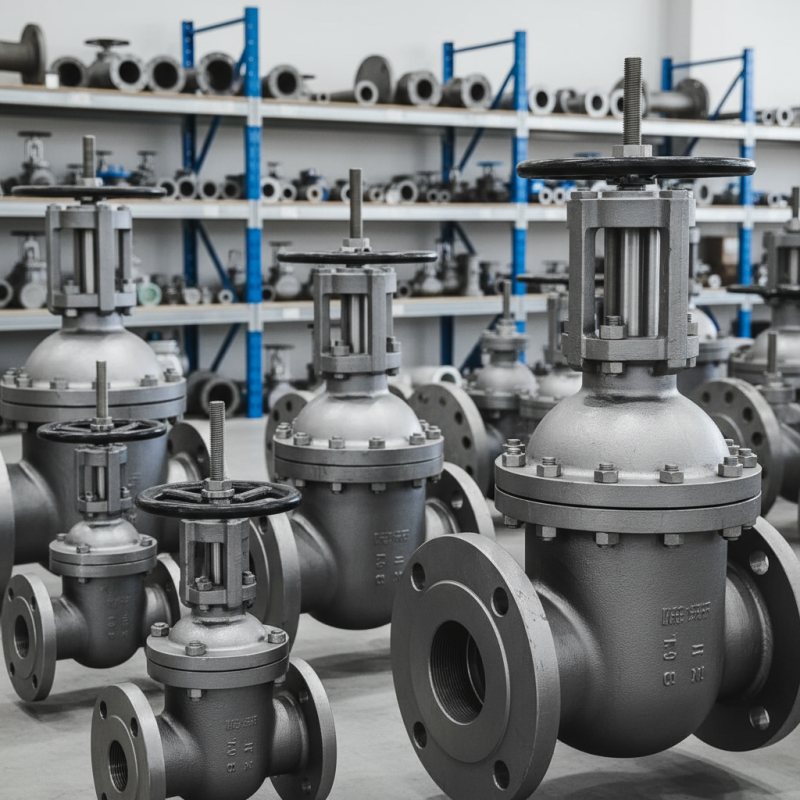
Overview of Forged Steel Valves and Their Applications
Forged steel valves are essential components in various industrial applications, offering significant advantages in performance and durability. They are known for their high strength and resistance to pressure. This makes them ideal for use in oil and gas, chemical processing, and power generation sectors. According to the latest industry reports, the global forged steel valve market is expected to grow at a CAGR of 5.8% from 2022 to 2032.
The applications of forged steel valves are wide-ranging. They facilitate the flow regulation of gases and liquids. Their design permits operation in extreme conditions, such as high temperature and pressure. Industries benefit from the longevity and reliability of these valves, which reduces downtime. A survey indicated that 78% of professionals prioritize valve material when selecting components for critical applications.
Tips: When selecting forged steel valves, consider the specific pressure requirements. This impacts efficiency and safety. Additionally, always evaluate the operating environment. Valves performing in harsh settings may need enhanced features. Regular maintenance is also crucial; it ensures optimal performance over time. A well-maintained valve can significantly extend its lifespan.
Top Forged Steel Valves Benefits for Global Buyers
The chart above illustrates the key benefits of forged steel valves, highlighting their durability, corrosion resistance, pressure handling capabilities, cost efficiency, and versatility. These advantages make forged steel valves a preferred choice for many global buyers across various industries.
Key Advantages of Forged Steel Valves for Industrial Use
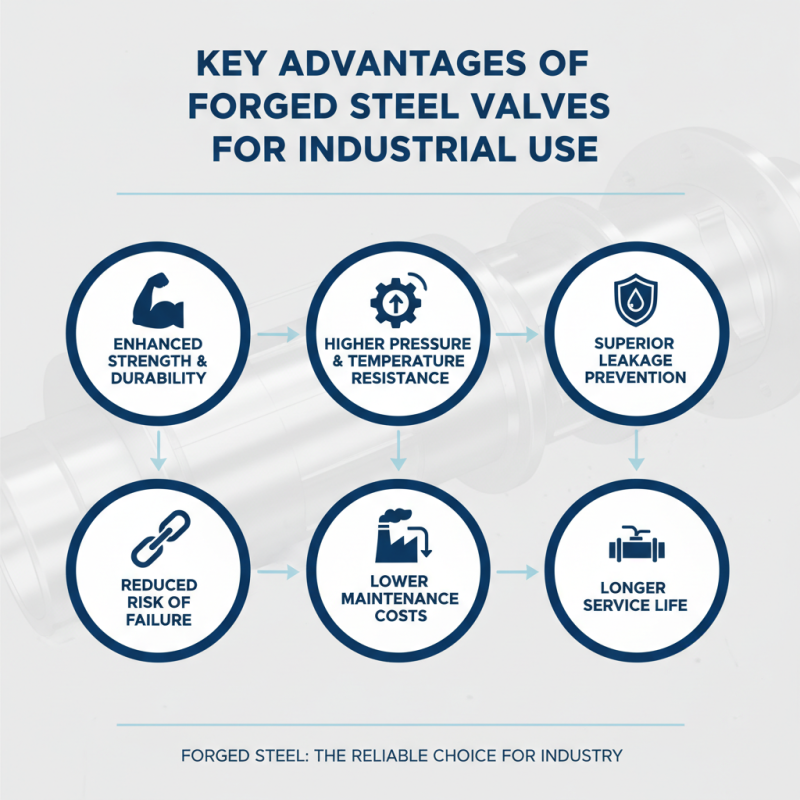
Forged steel valves are essential components in various industrial applications. They offer numerous advantages that make them a preferred choice among manufacturers. One key benefit is their enhanced strength and durability. The forging process aligns the grain structure of the steel. This results in higher tensile strength, making valves less prone to failures under pressure.
Another significant advantage is their resistance to stress and fatigue. Unlike cast valves, forged valves can withstand extreme conditions. This is crucial in industries like oil and gas, where pressure fluctuations are common. Users often report fewer maintenance issues with forged steel valves. Their reliability leads to reduced downtime, which is vital for production efficiency.
However, not all forged steel valves are created equal. Buyers must consider factors like material composition and design specifications. It’s essential to communicate with suppliers to ensure the product meets specific operational needs. Recognizing these critical elements can prevent costly mistakes down the line. Each application has unique requirements, and understanding them is key to finding the right solution.
Durability and Strength: The Core Benefits of Forged Steel Valves
Forged steel valves are increasingly favored in various industries due to their exceptional durability and strength. According to a study by the American Society of Mechanical Engineers, forged steel valves can withstand higher pressures and temperatures compared to cast counterparts. This makes them ideal for high-demand applications, such as oil and gas, where reliability is critical. In fact, the lifespan of forged steel valves can exceed 20 years with proper maintenance, a noteworthy statistic for global buyers.
The corrosion resistance of forged steel is another pivotal benefit. Data from the National Association of Corrosion Engineers indicates that nearly 20% of plant downtime is due to corrosion issues. Forged steel valves significantly reduce this risk, ensuring fewer maintenance costs over their operational life. However, potential drawbacks include the higher initial cost and the need for precise manufacturing processes. These factors can lead to variability in quality, prompting buyers to consider vendor credibility seriously.
Forged steel valves are not just about strength. Their design allows for more efficient fluid flow, increasing overall system performance. Industry reports show that optimizing valve performance can enhance energy efficiency by up to 15%. Despite these advantages, buyers must conduct thorough evaluations. The balance between upfront investment and long-term benefits remains a critical consideration.
Cost Efficiency: How Forged Steel Valves Save Money for Buyers
Forged steel valves offer impressive cost savings for global buyers. These valves typically feature higher strength and better durability compared to cast alternatives. This means reduced maintenance costs over time, leading to significant financial benefits. According to a recent industry report, maintenance expenses can consume up to 30% of a plant’s operational budget. By investing in higher-quality forged steel valves, companies can potentially lower these expenses.
Moreover, forged steel valves can handle extreme pressure and temperature conditions. This enhances operational efficiency and reduces the risk of failures. A study by the American Society of Mechanical Engineers (ASME) suggests that companies using forged valves experience 15% fewer operational downtimes. This higher reliability translates into fewer replacements and repairs, ultimately saving money and improving productivity.
However, buyers should consider initial procurement costs. Forged steel valves may pose a higher upfront investment. It’s crucial to analyze long-term savings rather than just immediate expenses. Understanding the total cost of ownership helps in making informed decisions. Therefore, establishing a comprehensive budget could yield insights into future financial benefits.
Comparative Analysis: Forged Steel Valves vs. Other Materials
Forged steel valves stand out in the industrial market due to their numerous advantages over valves made from other materials. These valves are known for their superior strength and durability. They can withstand extreme temperatures and pressures, making them suitable for demanding applications. For instance, industries such as oil and gas, power generation, and chemical processing rely heavily on forged steel valves for their critical operations.
In contrast, valves made from materials like cast iron or plastic may not offer the same level of performance. While cast iron is economical, it can be brittle and prone to cracking under stress. Plastic valves, although lightweight, often lack the robustness required for high-pressure systems. Choosing the right material is crucial. The wrong choice can lead to failures, downtime, and significant costs.
Despite the benefits, the use of forged steel valves comes with considerations. Their higher initial cost can be a barrier for some buyers. Additionally, the heavy weight of these valves may complicate installation or require additional support in some setups. Buyers must weigh these factors against the long-term benefits of durability and low maintenance requirements. Ultimately, informed decision-making is essential in selecting the most appropriate valve material for specific applications.




 Zalo
Zalo