
+86 19720579616
+86 19720579616
Zalo
China has become a major sourcing center for Din Globe Valves used in chemical plants, water systems, power stations, and industrial pipelines. However, finding a reliable manufacturer requires more than comparing prices. Buyers must examine material quality, pressure ratings, machining accuracy, testing procedures, and after-sales support.
A practical view comes from valve engineer Dr. Arun Mehta, who states, “A globe valve earns trust through repeatable sealing, not attractive paperwork.” This point matters when evaluating China’s top DIN Globe Valve manufacturers and suppliers. A strong factory should explain its inspection process clearly. It should also provide traceable certificates, pressure-test records, and dimensional reports.
Look closely at the details.
For example, stainless-steel trim should match the fluid, temperature, and operating pressure. The handwheel should turn smoothly, without rough resistance or unusual noise. Body castings need clean surfaces and consistent wall thickness. These small observations can reveal larger production problems.
Experienced suppliers usually support customized end connections, actuator options, packing materials, and international delivery requirements. Yet no supplier is perfect. Some product pages appear impressive but provide limited technical evidence. That deserves careful review.
This guide examines leading Chinese manufacturers and suppliers of Din Globe Valves. It considers factory capability, product range, certifications, testing discipline, customization, and customer service. The aim is not to praise every company. It is to help engineers, distributors, and purchasing teams make a more informed decision, with fewer costly surprises after installation.
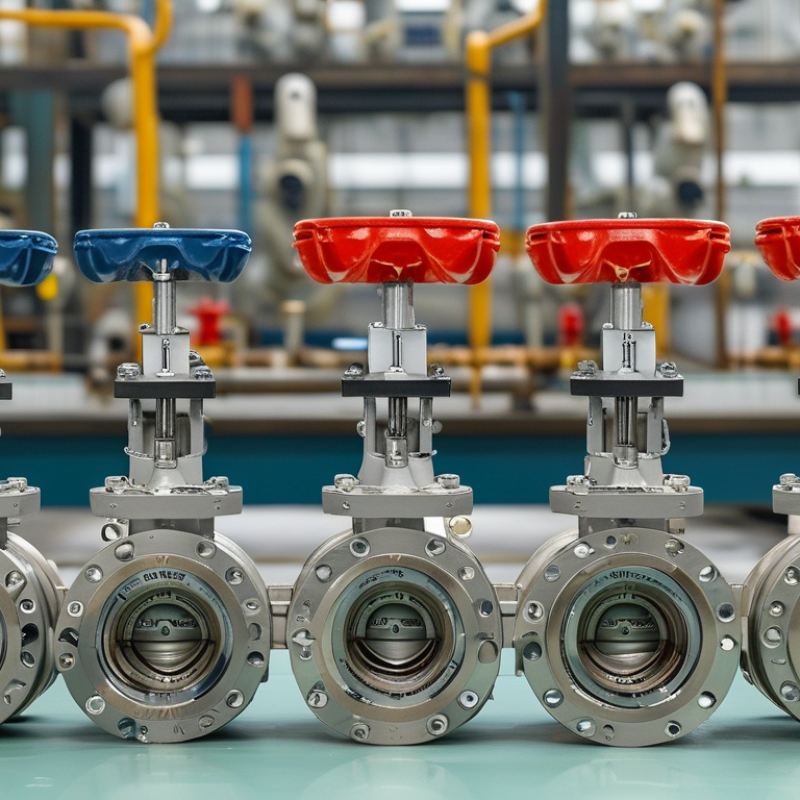
A DIN globe valve is a linear-motion valve designed for flow regulation and shutoff. Its disc moves vertically against a seat, creating controlled resistance. Unlike a gate valve, it manages changing flow rates more effectively. This feature suits steam, hot water, oil, chemical fluids, and compressed air systems.
DIN refers to German industrial standards, often aligned with European specifications. These standards define dimensions, pressure classes, materials, and testing requirements. A DIN globe valve may use flanged, threaded, or welded connections. Common installations include power stations, district heating networks, refineries, chemical plants, and industrial water systems. Control matters.
The broader industrial valve market shows strong demand. The 2024 Industrial Valves Global Market Report estimated market growth from about USD 78.5 billion in 2023, with continued expansion through 2028. Grand View Research also reported a global industrial valves market value near USD 77.7 billion in 2023. These figures include many valve types, not globe valves alone.
In practical maintenance, engineers check pressure loss, fluid temperature, corrosion risk, and actuator force. A valve that fits the pipe may still perform poorly. Globe valves usually create more pressure drop than gate valves. That disadvantage is sometimes overlooked. Material selection also needs careful review, especially with abrasive or chemically active media. DIN compliance helps, but it does not replace application-specific engineering, testing, and routine inspection.
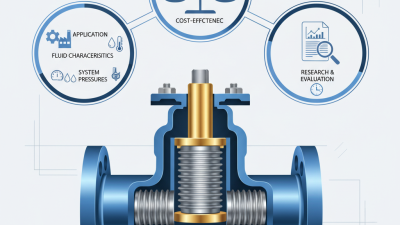
When evaluating Chinese globe valve manufacturers and suppliers, DIN compliance should guide the technical review. DIN EN 13709 defines requirements for steel globe valves used in industrial piping. It covers body design, pressure classes, materials, and operating conditions. A reliable supplier should provide drawings, material certificates, and traceable inspection records. Ask for the exact edition. Standards change.
Face-to-face dimensions should match DIN EN 558, especially when replacing a valve in a crowded skid. Flanged ends commonly follow DIN EN 1092-1, while pressure-temperature ratings require careful checking. Do not assume PN16 means identical performance at every temperature. Body material, trim, gasket, and bolting can change the allowable limit. DIN EN 12266-1 specifies procedures for shell and seat testing. Test pressure, duration, and leakage class should appear in the inspection plan. A witnessed test helps.
During a factory audit, inspect machining marks around the seat and stem packing area. Uneven contact can cause leakage after repeated cycling. Check handwheel torque, stroke smoothness, and valve identification against the approved drawing. Supplier experience matters for steam, hot water, or corrosive fluids. Request application references, not only a catalog. One practical weakness remains: documents may look complete while sampling is too narrow. Independent verification can expose that gap before shipment.
The chart shows nominal pressure designations commonly used for flange and valve selection under DIN EN 1092-1. The values are expressed in bar. Actual allowable working pressure depends on the valve material, temperature, pressure-temperature rating, and the applicable design and testing requirements of DIN EN 13709 and DIN EN 12266-1.
Evaluating Chinese DIN globe valve manufacturers requires more than comparing quotations. The 2024 Grand View Research report valued the global industrial valves market at about USD 78 billion in 2023. This demand attracts capable factories and inexperienced traders. Check whether the supplier actually manufactures pressure bodies, trim, and actuators. A warehouse is not a production system.
Request DIN EN 13709 compliance evidence, material certificates under EN 10204 3.1, and pressure-test records. ISO 5208 defines leakage testing methods, while EN 12266-1 specifies industrial valve testing requirements. Ask for serial-number traceability from casting heat number to final inspection. During an audit, inspect machining areas, calibration labels, welding procedures, and rejected parts. Small details matter. A clean showroom does not prove process control.
Compare the approved drawing with the delivered valve, including face-to-face dimensions, pressure class, graphite packing, and stainless-steel trim. Require inspection reports showing shell and seat tests, test pressure, duration, and acceptance criteria. The 2023 International Trade Centre trade data confirms China is a major global exporter of iron and steel valves, but export scale cannot replace technical verification. Video inspections help, though they can miss weak documentation or outsourced machining. I would also request two recent, independently verifiable references. That step is often overlooked. No evaluation is perfect; even a careful audit may miss fatigue risks that appear after years of thermal cycling.
China-Based DIN Globe Valve Manufacturers and Suppliers
China-based DIN globe valve manufacturers and suppliers serve power, chemical, water treatment, and process industries worldwide. Experienced buyers usually examine more than price. They verify pressure ratings, face-to-face dimensions, flange standards, and material certificates. A reliable factory should explain whether the valve follows DIN, EN, or a related international requirement. The wording matters.
Manufacturers commonly offer cast steel, stainless steel, and alloy body options. Internal trim may include stainless steel, hard-faced surfaces, or other specified materials. Ask for hydrostatic and seat leakage test records. Request drawings before production. Clear drawings prevent costly errors around handwheel position, flow direction, and installation space. Small details matter.
A serious supplier also maintains batch traceability from raw material to final inspection. Factory audits can reveal machining quality, welding controls, storage conditions, and calibration practices. ISO certification is useful, but it should not replace technical evidence. A polished catalog proves little by itself. It happens.
No supplier is perfect. Even an experienced manufacturer may need clarification on temperature, media, cycle frequency, or actuator requirements. Buyers should test communication before placing large orders. Slow replies, vague certificates, or changing specifications deserve attention. Strong cooperation often comes from technical staff who answer directly and admit limitations. That honesty is more valuable than a perfect sales promise.
| Data Dimension | Common DIN Globe Valve Specification | Applicable Standard or Reference | Purchasing and Quality Considerations |
|---|---|---|---|
| Valve type | Straight-pattern, angle-pattern, and globe stop-check configurations | DIN EN 13709 | Confirm flow direction, body pattern, bonnet design, and whether throttling or isolation is the primary duty. |
| Nominal diameter | Typically DN15 to DN600 for industrial applications | EN ISO 6708; project-specific design range | The available size range depends on pressure class, body material, end connection, and casting or forging capacity. |
| Nominal pressure | PN16, PN25, PN40, PN63, PN100, and PN160 | EN 1333; EN 1092-1 flange pressure designations | Rated pressure is not constant at all temperatures; verify the pressure-temperature rating for the selected material. |
| Body materials | Carbon steel, low-temperature carbon steel, austenitic stainless steel, and alloy steel | EN 10213; EN 10222; EN 10088 material designations | Request the material certificate, heat number traceability, chemical composition, and mechanical test results. |
| Typical material grades | 1.0619 cast carbon steel, 1.0460 forged carbon steel, 1.4408 cast stainless steel, and 1.4401 stainless steel | EN material numbering system | Material selection should consider corrosion, temperature, chloride exposure, erosion, and the process medium. |
| End connections | Flanged, butt-weld, socket-weld, and threaded ends | EN 1092-1; EN 12627; ISO 15761; project piping specification | For flanged valves, confirm flange type, facing, bolt-hole pattern, and face-to-face dimensions. |
| Face-to-face dimensions | Standardized dimensions selected according to valve type, DN, PN, and connection configuration | EN 558 | Confirm the exact series and dimension code before installation or replacement. |
| Pressure testing | Shell test, seat test, and backseat test where applicable | EN 12266-1 and EN 12266-2 | Test pressure, duration, leakage acceptance, and test medium should be stated in the inspection and test plan. |
| Pressure-temperature rating | Determined by pressure class, body material, trim material, and operating temperature | EN 12516 series and applicable material standards | Do not select a valve using nominal pressure alone; obtain the complete rating table for the service temperature. |
| Trim and sealing materials | Stainless steel trim, hard-faced seating surfaces, graphite packing, and PTFE-based options for suitable temperatures | Manufacturer-approved material specification and service requirements | Check compatibility with steam, hydrocarbons, oxygen, corrosive fluids, abrasive media, and fugitive-emission requirements. |
| Actuation options | Handwheel, gear-operated, pneumatic, electric, or hydraulic actuation | Project control specification; ISO 5210 or ISO 5211 where applicable | Specify thrust or torque, fail position, control signal, enclosure rating, and manual override requirements. |
| Marking and identification | Size, pressure rating, material, flow direction, cast or forged identification, and traceability marking | EN 19 | Permanent markings should correspond with the valve data sheet, material certificate, and inspection documentation. |
| Quality documentation | Inspection and test plan, dimensional report, pressure test report, material certificates, and certificate of conformity | EN 10204, commonly Type 3.1 for metallic products | For critical service, specify third-party inspection, positive material identification, non-destructive testing, and spare-parts support. |
| Typical applications | Steam, water, oil, gas, chemical processing, power generation, district heating, and general industrial pipelines | Application-specific piping and safety requirements | Confirm allowable media, temperature, pressure, flow velocity, emissions requirements, and maintenance access. |
Selecting the right DIN globe valve supplier requires more than comparing unit prices. Start by defining pressure class, nominal size, medium, temperature, connection standard, and operating frequency. A supplier should explain how its valve design matches these conditions. Vague answers are a warning sign.
Ask for material certificates, dimensional drawings, pressure test records, and a clear inspection procedure. For corrosive media, confirm the body and trim materials instead of relying on general labels. Request evidence of sealing performance and cycle testing when the valve will operate frequently. Documents matter. So does practical experience.
Review the supplier’s manufacturing capability, quality controls, and delivery history. A reliable supplier can discuss machining tolerances, packing materials, coating options, and replacement parts without hesitation. Check whether engineers can review your pipeline layout and identify installation risks. This conversation often reveals more than a polished catalogue. Communication speed is useful, but technical accuracy matters more.
Do not choose solely on the lowest quotation. A cheaper valve may bring higher maintenance costs, delayed commissioning, or difficult spare-part sourcing. Compare total project value, warranty terms, inspection support, and response procedures. Ask for references from similar applications, while remembering that one successful project proves little. I have found that detailed questions expose weak assumptions early. Still, no supplier is perfect, and your specifications may need revision after a technical review.