
+86 19720579616
+86 19720579616
Zalo
Choosing the right Forged Steel Valves is crucial for any industrial application. These valves play a key role in controlling fluid flow, maintaining system integrity. However, not all forged steel valves are created equal. Factors such as material grade, design, and manufacturing standards greatly influence their performance.
When evaluating options, consider your specific requirements. The right valve must withstand high pressure and temperature. Equally important is compatibility with the fluid type. Testing and certification also matter. Reliable valves often come with third-party validation, ensuring quality and safety.
It's worth noting that even experienced buyers can overlook small details. A seemingly minor specification can lead to significant operational issues. Take your time to assess each option carefully. Forged Steel Valves, while robust, must match your unique needs to deliver optimal performance.
When selecting forged steel valves, understanding their key characteristics is essential. These valves are known for their strength and durability. They withstand high pressures and temperatures. The manufacturing process enhances their resilience, making them ideal for demanding applications.
One critical factor is the valve's pressure rating. Valves are designed to handle specific pressure levels. It’s vital to match the valve's rating to your system's requirements. Materials also play a significant role. Consider the corrosion resistance and compatibility with the fluids involved. Not all forged steel is equal; some may perform better than others in harsh environments.
Another characteristic to evaluate is the valve's sealing ability. A good seal prevents leaks, ensuring system efficiency. Also, pay attention to the valve's maintenance needs. Some designs may be more user-friendly, reducing downtime. Reflecting on these details can help in making an informed choice. Every application is unique; thus, not every valve will be suitable.
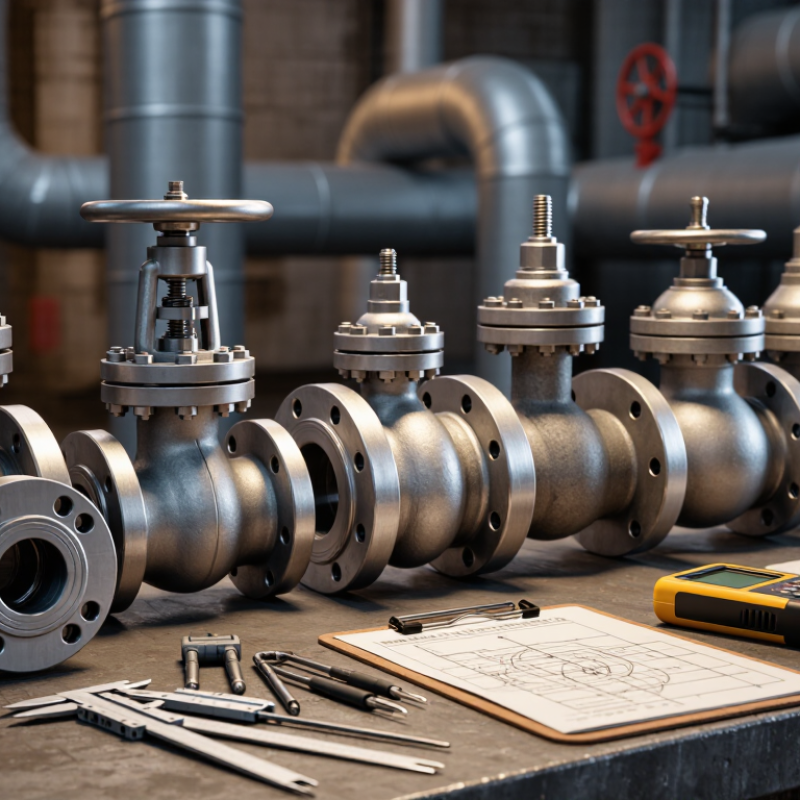
When selecting forged steel valves, understanding their types and applications is vital. Forged steel valves come in various forms, each designed for specific functions. The most common types include gate valves, globe valves, and check valves.
Gate valves, for instance, are ideal for on/off control but may not be best for throttling. Their design can lead to higher pressure drops if used improperly.
Globe valves excel at regulating flow, making them suitable for applications requiring precise control. These valves are often used in steam and water systems.
Check valves, on the other hand, prevent backflow and ensure one-way flow, crucial in many industrial processes. However, they can sometimes create turbulence and pressure surges if not correctly sized or installed.
Considerations also extend to materials and pressure ratings. Not all forged steel is equal, and some environments demand specific characteristics. It’s important not to overlook the potential for corrosion or wear in certain applications. Engaging with industry experts can help make informed choices. Thus, selecting the right type means balancing functional requirements with durability and application hazards.
When selecting forged steel valves, several factors play a critical role. The application environment is paramount. Valves must handle temperature and pressure variations. For instance, in the oil and gas sector, valves often encounter high pressures up to 10,000 psi. Choosing incorrectly can lead to severe leaks or system failures.
Material compatibility is another key consideration. The right alloy can prevent corrosion and wear. According to a report by the Global Valve Market, approximately 25% of valve failures result from material degradation. Notably, the selection process must assess the chemical composition of fluids being transported. This ensures optimal valve performance and longevity.
Additionally, manufacturing standards significantly influence valve quality. Valves should adhere to industry certifications, such as ASTM and ASME. The absence of proper standards can result in unreliable performance. Research indicates that failure rates increase by 30% without adherence to these benchmarks. It's crucial to weigh these factors carefully for effective valve selection. Each decision made should reflect a balance between performance needs and potential risks.
| Factor | Description | Considerations |
|---|---|---|
| Material Type | Stainless steel vs. carbon steel - affects corrosion resistance and strength. | Consider your application's environmental conditions. |
| Temperature Range | Know the operating temperature to avoid failures. | Select valves rated for your required temperature range. |
| Pressure Rating | Identify the maximum pressure the valve will handle. | Choose valves that meet or exceed pressure requirements. |
| End Connection Types | Threaded, flanged, or welded options for connections. | Align with pipeline requirements and installation methods. |
| Size | Determine required valve size for flow efficiency. | Consider pipeline diameter and flow requirements. |
When selecting forged steel valves, durability and maintenance are key considerations. These valves are known for their strength and resistance to wear. They are often exposed to high pressures and extreme temperatures. Regular inspection can prevent unexpected failures. It’s essential to establish a routine maintenance schedule to ensure longevity.
Choosing the right valve involves understanding your specific application. Ensure that you evaluate the operating conditions, such as pressure and temperature ranges. It is always beneficial to consult with industry experts when making your selection. They can provide valuable insights based on experience and knowledge.
Here’s a tip: always look for signs of corrosion or wear during inspections. This can save you from costly repairs in the future. Also, consider using a protective coating to enhance durability. Another tip is to keep a log of maintenance activities. This way, you can track performance over time and identify potential issues early.
When considering forged steel valves, budgeting is essential. Research indicates that the average cost of forged steel valves ranges from $100 to $800 per unit, depending on size and specifications. This broad price range means that careful evaluation of specifications is critical in aligning with your budgetary constraints. A larger valve could significantly impact your overall project costs, especially in extensive industrial applications.
Moreover, maintenance costs often constitute a hidden expense. Studies suggest that maintaining forged steel valves can add 20% to 35% to the initial purchase cost over their lifespan. In this context, selecting reliable valves can save money long-term, reducing repair needs. A detailed analysis of materials and potential usage scenarios will aid in estimating total expenses accurately.
Additionally, consult with industry experts who can provide insights tailored to your specific needs. Industry reports highlight that projects with professional guidance often stay within budget more effectively. Relying solely on price could lead to over-spending on low-quality options or underestimating essential features. It’s important to reflect on these factors before making an investment in forged steel valves.