Top 5 Api 602 Forged Steel Valves You Need to Know?
When it comes to industrial applications, choosing the right components is crucial. API 602 forged steel valves stand out for their durability and reliability. These valves are designed to withstand high pressures and temperatures, making them suitable for various environments, from oil and gas to chemical processing.
In this article, we will explore the top five API 602 forged steel valves that you need to know. Each valve is carefully examined for its features, benefits, and potential drawbacks. Understanding these options helps ensure correct application and installation. While API 602 valves are renowned for their quality, no product is flawless.
You may encounter challenges, such as compatibility issues or maintenance requirements. Thus, being informed empowers you to make critical decisions. Dive in as we discuss these essential valves and their role in enhancing system performance.
Understanding API 602 Forged Steel Valves
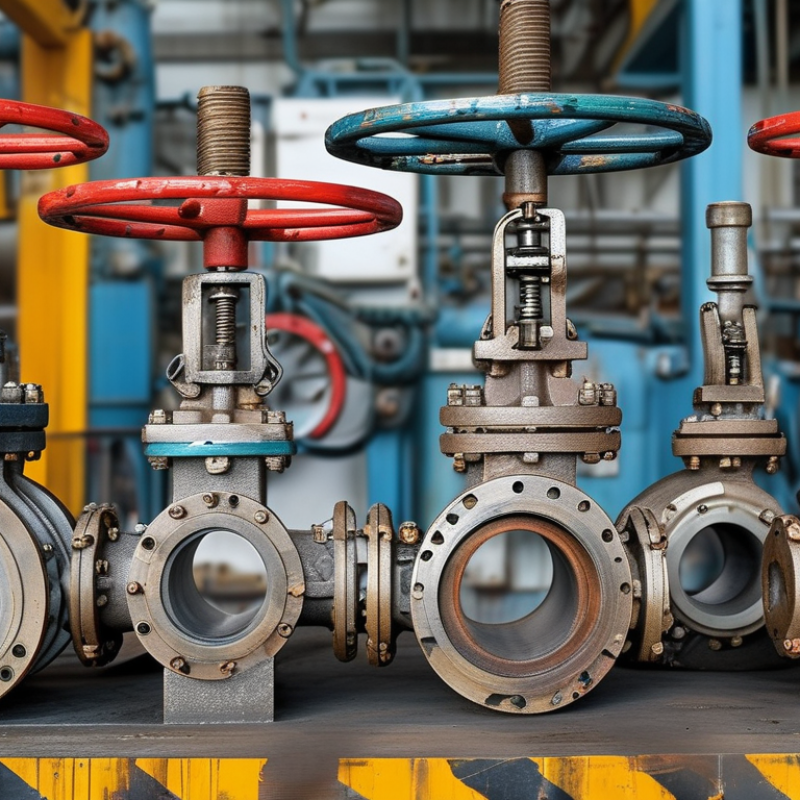
API 602 forged steel valves are crucial in various industries. These valves are notable for their durability and strength. They are primarily designed to handle high pressure and temperature scenarios. The manufacturing process ensures that they meet strict quality standards. This reliability makes them a preferred choice for many applications.
Understanding the construction of API 602 valves is essential. They are typically made from high-quality forged steel. This provides excellent resistance to various stress factors. The design often includes features that enhance their functionality and lifespan. However, it's important to note that not all forged steel valves are equal. Variations in quality can lead to performance issues.
Inspecting these valves regularly is critical. Even the best ones can have flaws or weaknesses. A proactive approach can help in identifying potential failures early. Taking the time to understand how these valves work will lead to better decision-making. Choosing the right valve may seem straightforward, but it requires careful evaluation of your specific needs.
Top 5 API 602 Forged Steel Valves - Performance Comparison
Key Features of API 602 Forged Steel Valves
API 602 forged steel valves play a crucial role in various industrial applications. These valves are designed to withstand high pressure and temperature, making them ideal for critical processes. With strong construction materials, they exhibit impressive durability and performance. According to a report by the Global Valve Market Analysis, the demand for forged steel valves grows by over 4% annually, reflecting their importance in modern industries.
A significant advantage of API 602 valves is their ability to handle extreme conditions. They are often used in oil and gas, water treatment, and chemical industries. Their compact design saves space without sacrificing strength. The valves generally contain high-quality steel, which enhances resistance to corrosion and erosion. However, careful selection of materials is vital. Choosing the wrong grade can lead to performance failures.
Manufacturing standards are stringent, ensuring high reliability. The API (American Petroleum Institute) sets clear guidelines for these products. These specifications ensure consistency and safety in operations. Nonetheless, the industry still faces challenges in efficiency and cost-effectiveness. Manufacturers must continuously innovate to improve technology and reduce environmental impact, reflecting a growing need for sustainability in valve production.
Top Applications for API 602 Forged Steel Valves
API 602 forged steel valves are essential in various industrial applications. They excel in high-pressure and high-temperature environments. Their robust design ensures durability and reliability in demanding conditions. Commonly, you will find these valves in oil and gas industries. They are also widely used in chemical processing plants. Their ability to handle corrosive substances makes them invaluable.
These valves play a critical role in maintaining flow control. They are ideal for pipelines requiring tight sealing. API 602 valves are often used in HVAC systems. They help regulate water flow efficiently. In power generation, these valves ensure the safety of operations. However, users must consider potential maintenance needs. Over time, wear and tear may affect performance. Regular inspections are essential to uphold their reliability.
Selecting the right type of API 602 valve can be complex. Each application has distinct requirements. Understanding the specific operating conditions is crucial. This knowledge can help prevent costly errors. It is necessary to evaluate all factors before making a choice. Take the time needed to ensure optimal application of these valves.
Top 5 Api 602 Forged Steel Valves You Need to Know
| Valve Type |
Size (inches) |
Pressure Rating (PSI) |
Temperature Rating (°F) |
Common Applications |
| Gate Valve |
1" |
1500 |
-20 to 400 |
Oil and gas applications |
| Globe Valve |
2" |
600 |
-20 to 200 |
Water and steam control |
| Ball Valve |
3" |
3000 |
-20 to 350 |
Chemical processing |
| Check Valve |
1.5" |
1500 |
-20 to 300 |
Pumping applications |
| Plug Valve |
4" |
150 |
-20 to 250 |
Oil and gas distribution |
Comparative Analysis of Leading Brands
When evaluating the top API 602 forged steel valves, a comparative analysis of leading brands becomes essential. The American National Standards Institute reported that for API valves, durability and pressure capabilities are critical. A reliable valve can withstand high pressure, ensuring optimal performance in various industrial applications. Typical pressures can reach up to 6000 PSI, making the selection process crucial for safety and functionality.
Recent studies also emphasize the significance of material composition in valve performance. Valves made from high-grade carbon steel exhibit superior tensile strength. Data indicates that forged steel valves have an extended lifespan, with some models operating effectively for over 30 years. However, not all valves meet these durability benchmarks. Quality control and adherence to manufacturing standards often vary, highlighting the importance of rigorous testing and certification.
Operational efficiency is another consideration. Some valves experience issues with flow rates that affect system performance. Inadequate design or material fatigue can lead to leaks and other failures. Industry experts stress the need for consistent maintenance schedules, as neglect can lead to costly repairs and downtimes. Understanding the differences among these products enhances decision-making and ultimately contributes to better system reliability.
Maintenance Tips for API 602 Forged Steel Valves
API 602 forged steel valves are vital components in many industrial applications. They can endure high temperatures and pressures, making them suitable for critical environments. Proper maintenance is essential to ensure their longevity and reliability.
One effective tip is regular inspection. A study from the Valve Manufacturers Association states that routine checks can enhance valve life by as much as 30%. Look for signs of wear or corrosion. Pay particular attention to seals and joints. These areas are often prone to leaks if neglected.
Another important aspect is lubrication. According to industry experts, appropriate lubrication can prevent friction and reduce wear on moving parts. Ensure that the lubricant used complies with the manufacturer's specifications, as improper types can lead to premature failure.
Lastly, training staff on proper valve handling is crucial. Many failures arise from mishandling during installation or adjustments. By investing in training, companies can create a more competent workforce and minimize costly mistakes.




 Zalo
Zalo