China Top 10 Forged Steel Gate Valve Manufacturers
China’s forged steel gate valve sector serves demanding applications in oil and gas, power generation, petrochemicals, and industrial processing. Forged Steel Gate Valves are often selected for high-pressure lines, compact installations, and services where dependable shutoff matters. Yet a polished product photo tells buyers very little. The pressure class, material grade, end connection, operating temperature, and inspection records deserve closer attention. Details matter.
This guide introduces ten Chinese manufacturers and the capabilities buyers may want to compare. It considers product range, manufacturing experience, quality controls, customization, and after-sales support. A reliable supplier should be able to explain how its valves are made and tested, and provide relevant technical documents for review. Ask about material traceability, pressure testing, applicable standards, and delivery schedules. Where possible, compare written specifications rather than relying on broad claims. No shortlist is perfect. Company rankings can shift with project requirements, export experience, and available evidence, so this overview should support due diligence, not replace it. Even small differences in trim, dimensions, or service support can affect whether a valve fits a real installation. The right choice depends on the line, the operating conditions, and the documentation behind the product.
Forged Steel Gate Valves: Design, Materials, and Applications
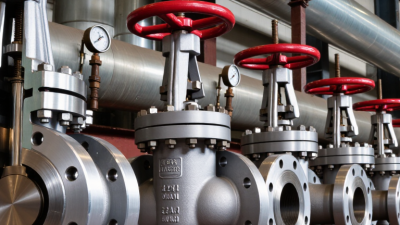
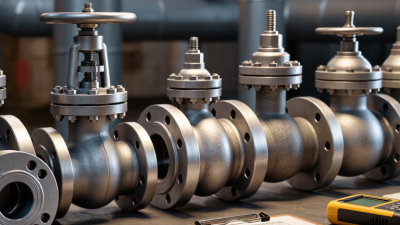
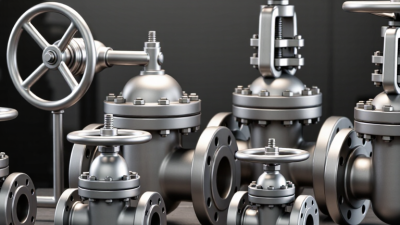
Forged steel gate valves are built for dependable isolation in demanding piping systems. Their bodies are shaped under pressure, producing a compact structure suited to many high-pressure services. Common designs use a solid or flexible wedge, a rising stem, and a bolted or pressure-seal bonnet. The wedge moves clear of the flow path when open, so these valves work best fully open or fully closed—not for routine throttling. Small details matter. Stem alignment and seat finish affect sealing and operating effort.
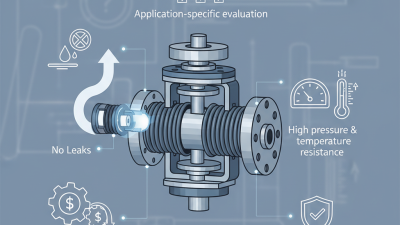
Material selection depends on pressure, temperature, and the fluid being handled. Carbon steel is common in steam and general process service; alloy steel can suit higher temperatures, while stainless steel may help with certain corrosive fluids. No material is universally best. A specification should also identify trim, pressure class, end connections, and required inspection or testing. A robust-looking body alone does not guarantee suitability.
Tips: Check the service conditions and valve rating together. Confirm the flow direction and installation clearance, especially where a rising stem needs overhead space. Ask for test records and material traceability. One point worth revisiting: buyers sometimes focus on body material and overlook trim compatibility, which can affect service life.
Forged Steel Gate Valves: Design, Materials, and Applications
Nominal size ranges in common steel valve standards (NPS). API 602 covers compact steel valves, including forged designs; API 600 covers steel gate valves.
API 602: NPS 1/4–4. API 600: NPS 1–24. These are standard scope ranges, not a guarantee that every size is available in every material, pressure class, or product design.
Overview of China’s Forged Steel Valve Manufacturing Industry
China’s forged steel gate valve industry is supported by a large domestic steel base and extensive machining capacity. The World Steel Association’s World Steel in Figures 2024 reports that China produced 1,019.1 million tonnes of crude steel in 2023, about 54% of global output. That figure does not measure valve-grade steel or valve production directly. It does, however, show the scale of the upstream supply network.
The National Bureau of Statistics reported that China’s manufacturing value added grew 5.0% in 2023. This broad indicator is not a valve-specific growth rate. It still helps explain why forging, heat treatment, machining, and pressure testing can often be sourced within established industrial clusters. On a factory floor, quality depends on more than a clean casting or a precise stem: operators must control forging temperature, inspect material records, and verify sealing surfaces after machining. Small flaws matter. Buyers should compare inspection records and test procedures, not rely on production capacity alone. Public data on forged gate valves remains limited, so industry-wide claims about output or market share deserve caution. That gap is worth noting.
China Top 10 Forged Steel Gate Valve Manufacturers - Overview of China’s Forged Steel Valve Manufacturing Industry
Industry overview of common forged steel gate valve specifications, materials, standards, and manufacturing considerations. Figures and options depend on the valve design, material, pressure rating, and purchaser requirements; this table is not a ranking of manufacturers.
| No. |
Industry Dimension |
Overview and Typical Data |
| 1 |
Product scope |
Forged steel gate valves are commonly used for on/off isolation. Typical configurations include bolted-bonnet and pressure-seal designs, with rising-stem and non-rising-stem options depending on the design. |
| 2 |
Typical size range |
Forged steel valves are commonly selected for small-bore services. API 602 covers compact steel gate, globe, and check valves in sizes up to NPS 4 (DN 100); the actual size range offered varies by design and manufacturer. |
| 3 |
Pressure classes |
Common ASME class designations include 150, 300, 600, 800, 900, 1500, and 2500, depending on the applicable product design. A class number is not a universal pressure value; allowable pressure depends on material and temperature. |
| 4 |
Common body materials |
Typical forged material specifications include ASTM A105 for carbon steel, ASTM A182 F304 or F316 for stainless steel, and ASTM A182 F11 or F22 for alloy steel. Material selection should match the service conditions and applicable specification. |
| 5 |
Low-temperature options |
ASTM A350 LF2 is a commonly specified low-temperature carbon steel forging material. Suitability depends on the specified minimum design temperature, impact-test requirements, valve design, and relevant code requirements. |
| 6 |
End connections |
Common options include threaded ends, socket-weld ends, butt-weld ends, and flanged ends. End type and dimensions should be stated in the purchase specification and checked against the applicable standard. |
| 7 |
Design and rating standards |
API 602 is a relevant standard for compact steel gate, globe, and check valves. ASME B16.34 addresses valve design and pressure-temperature ratings; the applicable edition and customer requirements should be confirmed for each project. |
| 8 |
Inspection and testing |
API 598 is commonly used for valve inspection and testing. Test scope, acceptance criteria, and any additional examination or documentation requirements should be defined by the order and governing specification. |
| 9 |
Manufacturing processes |
Typical production steps include forging, heat treatment, machining, assembly, pressure testing, and final inspection. The process route and required records depend on the material specification, design, and quality plan. |
| 10 |
Applications and selection |
Forged steel gate valves are used in industrial piping systems such as power, oil and gas, chemical, and general process services. Selection should consider fluid, operating pressure and temperature, corrosion requirements, materials, end connections, and applicable codes. |
Criteria for Evaluating Forged Steel Gate Valve Manufacturers
A credible forged steel gate valve manufacturer should prove more than machining capacity. Ask for material traceability, heat-treatment records, pressure-test procedures, and documented inspection results. For compact steel valves, API 602 defines relevant design requirements; ISO 5208 covers pressure testing and leakage-rate criteria. These references help buyers compare evidence, not just catalog claims.
Paper claims are easy.
Check whether the supplier can trace each valve body to its heat and test report. Review forging quality, critical dimensions, seat condition, and stem movement during witnessed inspections. ASME B16.34 provides pressure-temperature ratings and design requirements for valves, but compliance alone does not prove consistent production.
World Steel Association’s World Steel in Figures 2024 reports 1,892.2 million tonnes of global crude steel production in 2023. That scale makes raw-material availability less informative than a manufacturer’s control of its specific alloy grades and supply chain.
I would also examine corrective-action records; a polished audit file can still hide recurring defects. Ask for sample reports from recent production lots, then compare stated test pressure, duration, and acceptance criteria against the applicable standard. Small details matter. A stiff stem or incomplete traceability can become a costly field problem.
Profiles of 10 Leading Chinese Forged Steel Gate Valve Manufacturers
Profiles of 10 leading Chinese forged steel gate valve manufacturers should compare verifiable capabilities, not promotional claims. Look for details on forging methods, steel grades, machining tolerances, pressure testing, and production traceability. A useful profile also explains whether the manufacturer serves high-pressure steam, oil, or chemical process lines. These distinctions matter: a compact valve body may look robust, yet poor seat finishing can cause leakage. Ask for material certificates and test records.
Grand View Research estimated the global industrial valves market at USD 78.1 billion in 2023, with projected annual growth of 4.4% from 2024 to 2030. This broad market figure is not specific to forged steel gate valves, but it signals sustained demand for dependable flow-control equipment. Compare each manufacturer’s stated compliance with relevant specifications, such as API 602 or ASME B16.34, and verify the scope independently. A directory profile alone is not an audit. Some details may remain unclear.
Tips: Request a sample inspection report. Check pressure ratings, end connections, and temperature limits against your actual service conditions. Ask how defects are handled, too.
Comparing Manufacturers by Products, Certifications, and Services
China Top 10 Forged Steel Gate Valve Manufacturers
Comparing Manufacturers by Products, Certifications, and Services
A useful comparison starts with the valve itself, not a broad catalog claim. Check pressure ratings, body materials, trim options, bore design, and connection types against your operating conditions. For example, a valve for a hot steam line may need different material and sealing choices from one used in a water system. Ask for drawings and product data sheets. Details matter.
Certifications should be reviewed by scope and validity, then matched to the specific product series and manufacturing site. A certificate alone does not explain how each valve is tested or documented. Request sample inspection records, material traceability documents, and pressure-test procedures. Ask for proof. Service can separate otherwise similar suppliers: compare response times, engineering support, spare-part availability, and guidance during installation. A clear answer about lead time is more useful than a polished promise. If a supplier cannot explain how it handles a changed specification, pause and ask again. That may be an awkward step, but a comparison table can hide important gaps. Evaluate evidence, not just presentation.




 Zalo