Top 5 Forged Steel Gate Valves You Should Consider?
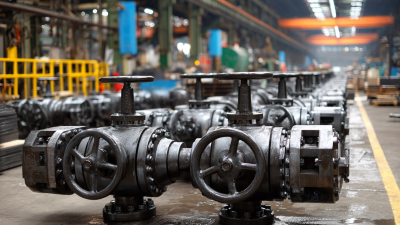
Forged Steel Gate Valves play a crucial role in various industrial applications. According to a recent report by MarketsandMarkets, the global gate valve market is projected to reach USD 9.5 billion by 2026, driven by increasing demand in oil and gas. Expert Jamie Sullivan states, "The reliability of forged steel gate valves ensures operational efficiency in critical systems."
In industries like oil and gas, water treatment, and power generation, selection is vital. Forged steel gate valves offer outstanding performance under high pressures and temperatures. Manufacturers invest heavily in quality assurance. Yet, not all products meet these demanding standards.
When choosing a valve, consider aspects such as size, pressure ratings, and materials. It's important to recognize that failures can occur. Even the best-designed forged steel gate valves might have flaws. Understanding these complexities can lead to better decision-making.
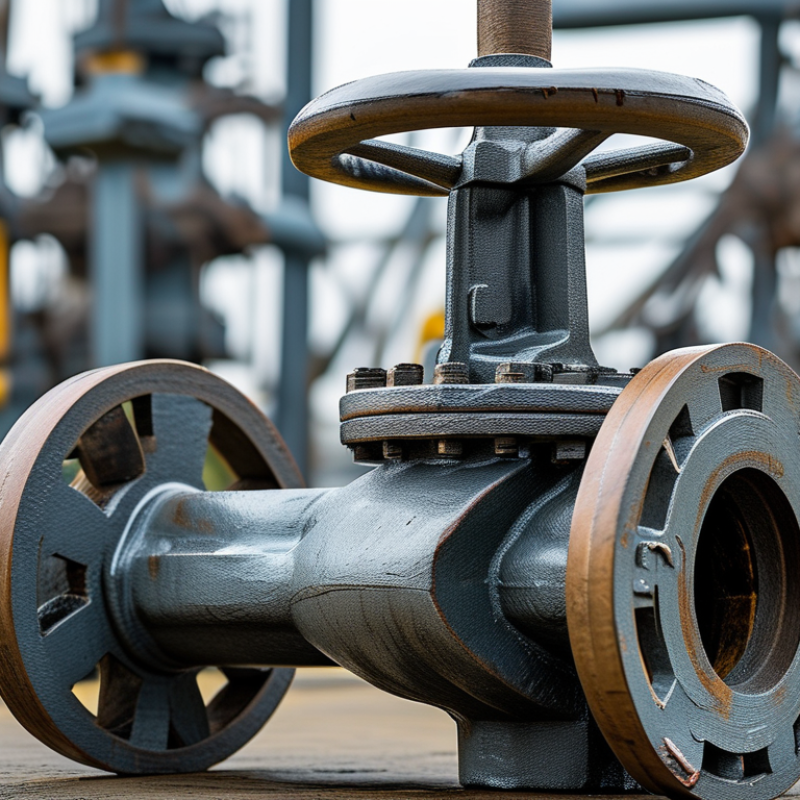
Top 5 Forged Steel Gate Valves: An In-Depth Overview of Options
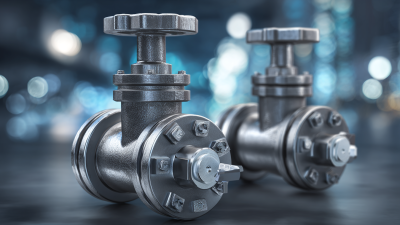
When selecting forged steel gate valves, consider the type of application and the environment where they will be used. These valves are critical in controlling flow in pipelines. Look for the right size and pressure rating to ensure optimal performance.
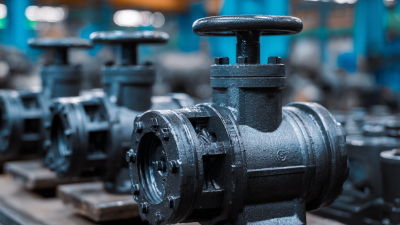
Material matters. Forged steel offers strength and durability. However, not all forged steel is created equal. Know the specifications that suit your project. A mismatch can lead to significant issues down the line. It's crucial to consider the temperatures and pressures your valves will face.
Tip: Regular maintenance is vital. Inspect valves periodically for wear and tear. Effective maintenance can extend the life of the valves significantly.
Pay attention to the end connections. Flanged, threaded, or welded types each have specific installation requirements. An incorrect connection can lead to leaks or failures. Ensure your team understands these details before installation.
Tip: Always consult with professionals when in doubt. Their experience can prevent costly mistakes.
Choosing the right forged steel gate valve requires careful thought and planning. Be mindful of not just performance but also long-term reliability. This approach can lead to better outcomes in your projects.
Key Features to Consider When Selecting Forged Steel Gate Valves
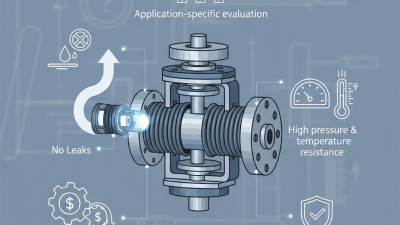
When selecting forged steel gate valves, several key features should be carefully evaluated. The material type is crucial for durability. AISI 1045 and AISI 4130 are common choices, offering good strength and wear resistance. The pressure rating is essential too. Most industrial applications require valves rated at least 150 PSI. Misjudging this can lead to leaks or catastrophic failures.
The design of the valve affects its performance significantly. A full-port design allows for maximum flow capacity. This feature is particularly important in applications requiring high flow rates. Weight and size also matter. Choosing the correct dimensions ensures proper fit and function in your system.
Tip: Always check the dimensions and fittings before purchase.
Another factor is temperature tolerance. Forged steel valves can handle extreme conditions, often rated from -20°F to 1000°F. This flexibility is ideal for various environments. Certification is another aspect; it provides assurance of quality. Look for valves adhering to ASME or API standards.
Tip: Reviewing test reports can highlight potential weaknesses in a valve’s construction.
Keep in mind the importance of routine maintenance. Checking seals and threads regularly prevents unexpected leaks or failures. Finally, consulting with industry experts can provide insights that improve your selection process. Trust but verify.
Comparison of Pressure Ratings in Forged Steel Gate Valves: ANSI Standards
When considering forged steel gate valves, pressure ratings are crucial. They determine how well a valve can cope with varying operational conditions. According to the American National Standards Institute (ANSI), these valves are categorized based on their pressure-temperature ratings. For instance, Class 150 can handle operating pressures up to 285 psi at 100°F, while Class 300 can withstand up to 720 psi.
Different industries set specific requirements for pressure ratings. Oil and gas sectors often demand higher ratings due to extreme pressures. A recent industry report indicated that 65% of high-pressure applications utilize valves rated at Class 600. However, not all forged steel gate valves meet these demands consistently. Poor manufacturing practices can lead to significant failures, raising safety concerns. This highlights the importance of selecting valves from reputable sources.
Understanding ANSI standards is essential. These standards influence the selection process. Yet, many professionals overlook specific testing methods. This gap can lead to costly mistakes. As much as 30% of valve-related failures are attributed to subpar quality checks. This calls for a reflective approach when choosing forged steel gate valves, ensuring both reliability and safety.
Top 5 Forged Steel Gate Valves You Should Consider
| Valve Model |
Pressure Rating (ANSI) |
Size Range (Inches) |
Material |
Applications |
| Model A |
Class 150 |
1" - 12" |
A105 Carbon Steel |
Oil & Gas, Water Supply |
| Model B |
Class 300 |
2" - 16" |
A350 LF2 |
Chemical Processing |
| Model C |
Class 600 |
3" - 24" |
A182 F22 |
Power Generation |
| Model D |
Class 900 |
4" - 20" |
A182 F316 |
Marine Applications |
| Model E |
Class 1500 |
6" - 30" |
A182 F51 |
High Pressure Systems |
Material Specifications and Corrosion Resistance in Forged Steel Gate Valves
When selecting forged steel gate valves, material specifications are crucial. Forged steel is known for its strength and durability. However, not all alloys are created equal. Important factors such as tensile strength and yield strength play significant roles in performance.
Corrosion resistance is another key factor. Different environments can significantly affect the longevity of a valve. For instance, stainless steel may offer superior resistance in acidic conditions. However, it might not be the best choice in high-temperature applications. Each application requires careful consideration of the specific materials used in construction.
**Tips:** Always review corrosion charts. Understand your operating conditions. This will help you make informed decisions.
While there are many options available, not every valve meets standard criteria. Be cautious with cheaper alternatives. They may use subpar materials that compromise integrity over time. Investing in high-quality materials pays off in the long run. Remember, durability is paramount in valve selection.
Industry Applications for Forged Steel Gate Valves: A Comprehensive Analysis
Forged steel gate valves are widely used in various industries. They excel in maintaining tight seals under high pressure. Their strength and durability make them ideal for critical applications. Oil and gas industries heavily rely on these valves for pipeline systems. In these sectors, safety and reliability are paramount. A small leak can lead to severe consequences.
Water treatment plants also utilize forged steel gate valves. These valves control the flow of water efficiently. They withstand harsh conditions and corrosive environments. However, misalignment during installation can lead to operational issues. Regular maintenance is essential to ensure they function properly. Neglecting this can result in costly repairs and downtime.
The power generation sector depends on these valves as well. They manage steam and hydro processes effectively. Yet, the demand for more efficient valve designs is growing. Innovations are needed to address energy loss and improve performance. Adapting to new technologies remains a challenge for many facilities. These factors highlight the importance of continuous improvement in valve engineering.
Top 5 Forged Steel Gate Valves: Application Performance Overview




 Zalo
Zalo