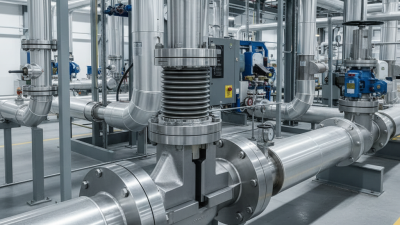
Top Benefits of Din Bellows Sealed Gate Valves for Buyers?
Din Bellows Sealed Gate Valves have gained traction in various industries due to their unique design and functional benefits. According to a recent market report, the demand for these valves is forecasted to grow significantly, driven by their performance in sealing and durability. Renowned expert, Dr. John Reynolds, states, "The innovation in Din Bellows Sealed Gate Valves addresses both efficiency and maintenance concerns, making them a preferred choice for many engineers."
Typically employed in high-pressure applications, these valves provide superior sealing under extreme conditions. Their bellows design eliminates the risk of leaks, ensuring reliable operation. A study by the Valve Manufacturers Association indicates that companies using Din Bellows Sealed Gate Valves reported a 30% reduction in maintenance costs over five years. This statistic highlights the long-term savings that can be realized.
Despite their advantages, it is crucial to consider the specific requirements of each application. Not all installations will benefit equally from using Din Bellows Sealed Gate Valves. Understanding the context and operational demands can drive better decision-making. As the industry evolves, investment in these valves might not be universally optimal, necessitating extensive evaluation to justify costs.
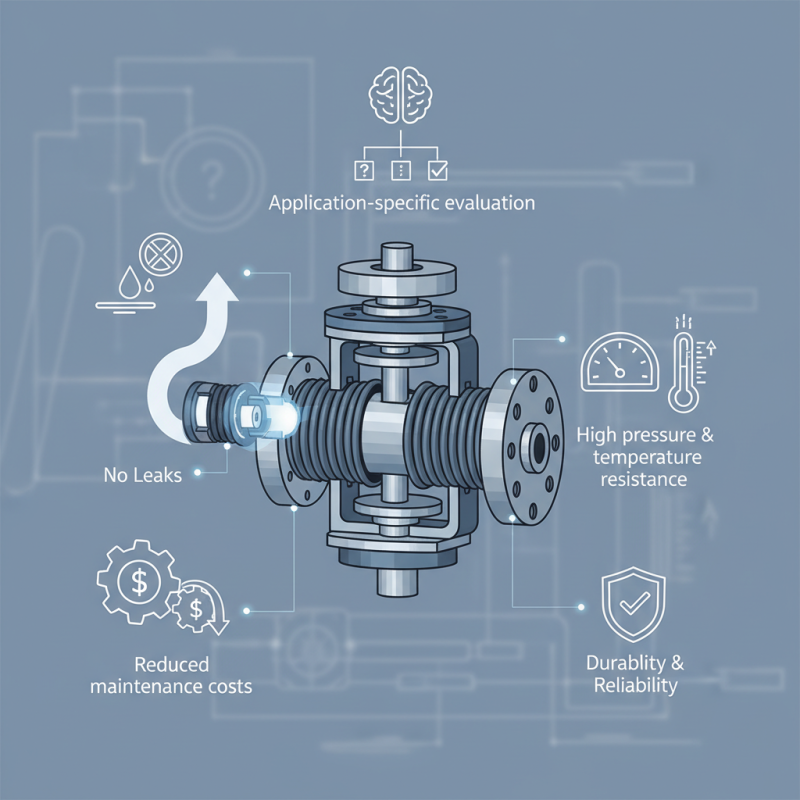
Key Features of Din Bellows Sealed Gate Valves That Enhance Performance
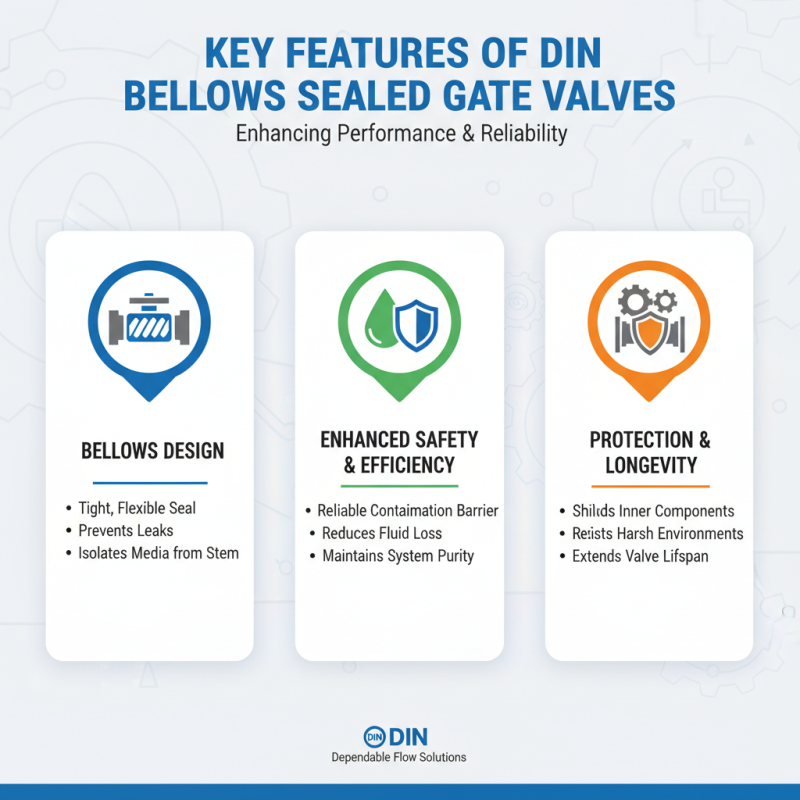
Din bellows sealed gate valves offer several key features that significantly enhance their performance. One notable characteristic is the bellows design, which creates a tight seal. This prevents leaks and protects the inner components from harsh environments. By minimizing leakage, these valves improve safety and efficiency. Users can rely on the dependable barrier against contamination.
Another important feature is the robust construction of these valves. They are made from high-quality materials that withstand extreme temperatures and pressures. The durability means less frequent replacements, reducing maintenance costs over time. Proper installation and regular inspections can further enhance lifespan.
**Tip:** Always check the compatibility of materials when selecting a valve.
Additionally, Din bellows sealed gate valves provide smooth operation. Their design allows for easy opening and closing, offering minimal resistance. This contributes to overall system efficiency. Users should be aware that while valves may be reliable, frequent monitoring is essential to prevent any unexpected failures.
**Tip:** Implement a regular maintenance schedule to ensure peak performance.
In conclusion, the features of Din bellows sealed gate valves, such as leakage prevention and durability, are significant for performance. Understanding these elements can help guide effective purchasing decisions.
Advantages of Using Din Bellows Sealed Gate Valves in Various Applications
Din bellows sealed gate valves offer several advantages across various applications. One primary benefit is their effective sealing capability. The bellows act as a barrier, preventing leakage of fluids. This design is crucial in industries where maintaining pressure and safety is essential.
These valves are particularly useful in corrosive and hazardous environments. Their robust build protects against chemical damage. This feature reduces maintenance costs and enhances the valve's lifespan. Operators can work with greater confidence, knowing the risk of leaks is minimized.
In some cases, these valves require careful handling. Improper installation can lead to issues, such as failure to seal correctly. Regular inspections can help identify potential problems early. While bellows sealed valves shine in many applications, users must remain vigilant. Understanding their limitations is key to maximizing their benefits.
Top Benefits of Din Bellows Sealed Gate Valves for Buyers
| Benefit |
Description |
Applications |
Material Compatibility |
| Leak Prevention |
The bellows sealing design minimizes leakage risks, providing enhanced security. |
Water Supply, Chemical Processing |
Compatible with various chemicals and liquids, including corrosive substances. |
| Durability |
Designed for long-lasting performance under high-pressure conditions. |
Oil and Gas, HVAC Systems |
Stainless Steel, Carbon Steel, Alloy Materials |
| Low Maintenance |
Reduced need for frequent maintenance and replacements due to reliable sealing. |
Industrial Plants, Water Treatment |
Suitable for use with both potable and non-potable water systems. |
| Thermal Expansion Resistance |
Excellent performance under temperature fluctuations, preventing seal failure. |
Power Generation, Food & Beverage |
Approved for use in food-grade applications. |
| Versatility |
Applicable in various sectors due to adaptable designs and specifications. |
Mining, Pharmaceutical |
Can be engineered using different materials for specific industry needs. |
Comparison of Din Bellows Sealed Gate Valves to Traditional Valve Types
When considering valve options, Din bellows sealed gate valves stand out compared to traditional types. These valves utilize a flexible bellows seal. This design reduces the risk of leakage, making them ideal for critical applications. Traditional valves often rely on packing or gaskets that can wear over time, leading to potential failures. The maintenance costs for traditional valve types can accumulate significantly.
The materials used in bellows sealed gate valves also play a crucial role in their performance. They are generally resistant to corrosion and high temperatures. This durability extends their lifespan and reduces the need for frequent replacements. In contrast, traditional valves may not offer the same level of resilience. Buyers may find themselves frequently assessing and replacing aging components.
However, it’s essential to consider the installation complexity of bellows sealed gate valves. While they are efficient, their setup may require specialized knowledge. This could lead to increased implementation costs. A potential buyer must weigh these factors carefully. It is a decision that impacts system reliability and overall operational efficiency.
Top Benefits of Din Bellows Sealed Gate Valves Compared to Traditional Valve Types
Cost-Effectiveness of Din Bellows Sealed Gate Valves for Buyers
When considering the cost-effectiveness of Din bellows sealed gate valves, several key aspects come into play. These valves often reduce the need for frequent maintenance, which can significantly lower overall operating costs. Their design minimizes leaks and enhances reliability, ensuring that users save money over time. Buyers appreciate valves that require fewer replacements and repairs, allowing for a more manageable maintenance budget.
Additionally, the upfront investment in Din bellows sealed gate valves may be higher than standard valves. However, this should not deter potential buyers. Over time, the durability and performance of these valves often outstrip their initial cost. In many cases, the long-term savings can offset the higher purchase price within a few years. Many buyers find this aspect hard to evaluate initially, which can lead to hesitation in making a purchase.
The longevity of these valves in various applications leads to fewer disruptions in operations. This reliability means less downtime, benefiting overall productivity. Yet, not every application may require such robust solutions, making it essential for buyers to assess their specific needs carefully. Working with a knowledgeable expert can illuminate these nuances, ensuring that the investment aligns with operational goals.
Maintenance Considerations for Din Bellows Sealed Gate Valves Users
When using DIN bellows sealed gate valves, maintenance plays a critical role. Regular inspection is essential. Industry studies indicate that improper maintenance can reduce valve lifespan by up to 30%. Users should routinely check for leaks in the bellows seal. Even small leaks can lead to excessive waste, especially in critical applications like wastewater treatment.
Another crucial aspect is the monitoring of operating temperatures. Bellows sealed valves are sensitive to thermal fluctuations. Inconsistent temperatures can cause material fatigue, leading to premature failure. It's advisable to keep operating conditions as stable as possible. Keeping valves clean from debris also cannot be overlooked. A study from the Valve Manufacturers Association noted that nearly 25% of valve failures are due to contamination.
Users should train staff on best maintenance practices. The investment in employee education can pay off significantly. Neglecting regular maintenance tasks can lead to larger operational costs. The consequences of overlooking minor issues can escalate quickly, resulting in unscheduled downtime. This reflects the importance of a structured maintenance program. Each step taken towards better upkeep can enhance system reliability and efficiency.




 Zalo
Zalo