
Inquiry
Form loading...

China Top 10 BS 5163 Resilient Seated Gate Valve Makers?

Choosing a manufacturer for Bs 5163 Non-Rising Stem Resilient Seated Gate Valves takes more than comparing prices or polished product photos. These valves are commonly considered for water networks, where reliable shutoff, suitable pressure ratings, and durable resilient seats matter. A buyer should check the stated standard, material grades, coating details, test documentation, and product traceability. Ask for evidence, not just assurances.

For transparency, the following comment is illustrative, not a verified quotation from a real industry expert. Hypothetical valve engineer Martin Hale puts the selection challenge this way: “A valve earns trust in the details: the seat, the stem, and the test record.” Small details matter. A useful “China Top 10” guide should compare manufacturers against clear criteria, such as manufacturing capability, quality controls, export experience, and accessible technical support. It should not imply that one ranking fits every project. A shortlist can still miss something.

Before requesting quotations, confirm connection dimensions and operating requirements against the project specification. Review inspection records and ask how the maker controls sealing performance across production batches. Where possible, compare like-for-like documents rather than relying on broad claims. This introduction sets up a practical review of ten Chinese makers, while recognizing that product ranges and evidence can change. Verify current details directly with each supplier.
China Top 10 BS 5163 Resilient Seated Gate Valve Makers?

What Is a BS 5163 Resilient Seated Gate Valve?

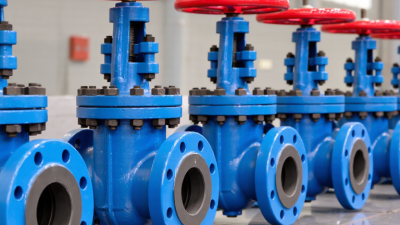
A BS 5163 resilient seated gate valve is an isolation valve for waterworks pipelines. A wedge moves across the flow path to stop or allow water. Its elastomeric seating surface helps create a tight seal when closed. When fully open, the gate retracts from the main passage, leaving a largely unobstructed bore. This design suits distribution mains, treatment facilities, and service connections where dependable shutoff matters. BS 5163 sets design requirements for this valve type; buyers should check the applicable edition and product documentation rather than assume every valve has identical limits.

Installation details matter. Pipe alignment, clean sealing surfaces, and correct operating torque all affect performance. Sediment or grit can damage the seat, even in a well-made valve. Not glamorous, but important. The WHO and UNICEF Joint Monitoring Programme reported that 2.2 billion people lacked safely managed drinking water services in 2022. That figure highlights the scale of water infrastructure needs, though it does not measure valve demand or prove any one design is suitable. For selection, engineers should verify pressure class, size, end connections, coating, and test records against the project specification. A resilient seat can provide reliable isolation, but it is not a substitute for inspection or sound installation practice.
How BS 5163 Shapes Valve Design and Performance

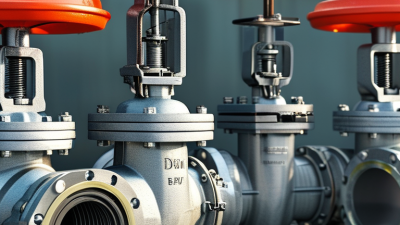
BS 5163 is more than a dimensional reference: it sets requirements for resilient-seated gate valve design, type testing, and marking for waterworks. The resilient wedge must close against the body seat, while the stem, guides, and coatings must withstand repeated operation and contact with water. Small details matter. Grit trapped near the seat can compromise shut-off, and poor alignment can raise operating effort.

The US Environmental Protection Agency’s 2023 Drinking Water Infrastructure Needs Survey and Assessment estimates $625 billion in investment needs over 20 years. That figure covers the wider drinking-water system, not valves alone, but it highlights why maintainability matters. In practice, operators need valves that can isolate a section reliably, tolerate infrequent use, and remain accessible in a buried chamber. A standard helps define consistent expectations; it cannot correct careless installation or unsuitable material selection.

For buyers comparing BS 5163 gate valves, check the stated pressure class, end connections, coating, and test documentation against the project specification. Also ask how the maker verifies sealing after cycling and handles production traceability. Paper compliance is useful, but field conditions are less tidy. A valve may meet its test criteria and still perform poorly if debris, pipe stress, or installation errors are overlooked.

Which Criteria Matter When Evaluating Chinese Manufacturers?

A credible BS 5163 resilient seated gate valve maker should explain how its products match the specified standard, not rely on a certificate alone. Ask for the standard edition, valve size range, pressure rating, face-to-face dimensions, and test records. Check that drawings and product markings agree. Small details matter.

Review the materials list for the body, stem, wedge, and resilient seat. Request evidence of material traceability and inspection records for pressure and sealing tests. If possible, compare a sample valve’s markings and dimensions with its documentation. A factory visit can reveal how parts are stored, measured, and assembled. Photos help, but they cannot replace direct checks.

Production capacity and delivery reliability deserve equal attention. Ask how the maker handles nonconforming parts, changes to materials, and spare-part requests after shipment. Responses should be specific, with named procedures and realistic timelines. No checklist removes uncertainty; a polished brochure can still leave gaps. I would also compare several suppliers using the same questions, though that takes time and may expose inconsistencies that a quick price comparison misses.

Ten Chinese Makers of BS 5163 Resilient Seated Gate Valves

A useful comparison of ten Chinese makers of BS 5163 resilient seated gate valves should begin with the valve, not the sales brochure. BS 5163 covers resilient seated gate valves for waterworks, but buyers should confirm the applicable edition and project requirements. Check pressure rating, nominal size range, end connections, and face-to-face dimensions against the specification. Small mismatches can delay installation.

Manufacturing quality shows up in details. Ask how each maker controls body casting, wedge encapsulation, and stem sealing. Request material certificates, pressure-test records, and traceability for the supplied batch. A clear test report is more useful than a broad claim of compliance. Details matter. Where possible, inspect a sample or review production records, especially for large orders.

The ten makers may differ in machining capacity, testing equipment, and experience with export projects. Compare lead times and spare-part support, too. A low quotation can hide costs in coatings, packaging, or unclear inspection terms. I would not treat a catalogue as proof; it is only a starting point. Confirm that the exact model—not merely a similar valve—matches the required standard and service conditions. A little uncertainty remains until documents and product agree.

BS 5163 Resilient Seated Gate Valves: Nominal Size Reference

Approximate DN-to-NPS nominal size equivalents commonly used for valve and pipe sizing.

DN is a nominal designation, not a measurement of the valve’s actual bore. This size-reference chart does not indicate manufacturer rankings or confirm that every size is covered by a particular BS 5163 product.

How to Compare Manufacturers for Quality and Application Fit

China Top 10 BS 5163 Resilient Seated Gate Valve Makers?

How to Compare Manufacturers for Quality and Application Fit

A useful comparison starts with the actual duty, not a catalogue headline. Record the required pressure class, nominal size, end connection, operating frequency, and water conditions. Then ask each manufacturer which edition of BS 5163 its product is designed to meet. Check dimensional drawings against your pipework; a small face-to-face mismatch can delay installation.

Look closely at the build. Request material specifications for the body, wedge, stem, and fasteners, plus details of the resilient seat compound. Ask how coating thickness is checked and whether pressure-test records are available for the quoted valve range. Details matter. A certificate is useful, but it does not tell you how production batches are controlled or how defects are handled. Request traceability and warranty terms in writing.

Application fit also depends on operation and maintenance. For a buried installation, confirm the stem extension, surface-box arrangement, and corrosion protection suit the site. For frequent operation, ask about operating torque and compatible actuators. Small parts count. I would not rank suppliers on price alone; lead time, spare-part access, and clear technical responses matter too. Still, paperwork cannot replace a review by the project engineer, especially where water quality or operating conditions differ from standard assumptions.

China Top 10 BS 5163 Resilient Seated Gate Valve Makers? - How to Compare Manufacturers for Quality and Application Fit

Comparison guide: This is a manufacturer-evaluation matrix, not a verified ranking of ten named companies. No company-specific performance is assumed. Confirm each supplier’s current documentation, product configuration, and compliance for the exact valve size and application. BS 5163 requirements depend on the applicable edition and product scope; verify them against the standard and project specification.

Comparison dimension What to request from each manufacturer How to assess the evidence Application-fit considerations
1. Standard and edition Product datasheet identifying the claimed BS 5163 edition, valve type, size range, pressure rating, and any additional standards applied. Check that the documents refer to the offered model and configuration. Ask the supplier to identify exclusions or differences between its design and the project specification. Confirm the specified standard and edition with the project engineer or purchaser; do not assume that a general standards claim covers every size or option.
2. Pressure rating and service conditions Declared nominal pressure rating, pressure-test procedure and results, and stated operating limits. Compare the declared rating and test evidence with the design pressure, surge conditions, temperature, and purchaser requirements. Verify the test scope and acceptance criteria. For water networks, assess normal and transient pressures. For other fluids or operating conditions, obtain confirmation that the materials and design are suitable.
3. Size range and end connections Dimensioned drawings for each required DN size, face-to-face dimensions, connection details, and drilling information. Check dimensions against the project drawings and mating equipment. Confirm whether the connection is flanged, socketed, or another specified end type. Compatibility with existing pipelines, flange drilling, installation space, and operating access can determine whether a nominally similar valve is a suitable replacement.
4. Body, bonnet, and stem materials Bill of materials listing material designations, applicable material standards, and traceability documents for pressure-containing components. Verify material grades from certificates and ensure they match the purchase specification. Check suitability for the fluid, environment, and expected mechanical loads. Ductile iron is commonly used for waterworks valve bodies, but the required grade and corrosion protection should be specified and verified for the project.
5. Resilient seat and elastomer compatibility Seat and elastomer material declarations, relevant test or conformity documents, and stated temperature and fluid limitations. Confirm the elastomer type and the evidence applicable to the offered product. Do not treat EPDM, NBR, or another material as interchangeable without checking service compatibility. Potable-water approval requirements vary by destination market. Check fluid chemistry, temperature, disinfection regime, and local drinking-water rules.
6. Coating and corrosion protection Coating specification, surface-preparation method, declared coating thickness, inspection records, and any required certification. Compare the offered coating system with the project specification. Review inspection methods and acceptance limits rather than relying only on a generic “epoxy coated” statement. Consider buried, submerged, indoor, and coastal exposure separately. External and internal coating needs may differ by installation environment and water quality.
7. Pressure and leakage testing Test plan and product-specific reports identifying test pressure, duration, method, acceptance criteria, and the tested valve configuration. Confirm that test records are traceable to the supplied production batch or serial number where required. Check that the test method matches the applicable standard and purchase requirements. Seat-tightness expectations and test conditions should be agreed before purchase; distinguish factory testing from independent third-party inspection.
8. Operation and installation details Operating torque data or limits, stem and gearbox details, opening direction, installation instructions, and available operating accessories. Check that the operating arrangement is appropriate for the valve size and installation. Confirm compatibility with any specified handwheel, gearbox, extension spindle, or actuator. Consider burial depth, chamber access, frequency of operation, available operating space, and the operator’s maintenance requirements.
9. Quality control and traceability Quality-management certificates, inspection and test plan, production checks, material traceability process, and sample inspection records. Verify certificate validity and scope with the issuing body where practical. A management-system certificate does not by itself prove that a particular valve meets its technical specification. For critical projects, define inspection hold points, document review, witness testing, and batch identification in the purchase order.
10. After-sales support and lifecycle Warranty terms, spare-parts list, maintenance guidance, response arrangements, and a clear process for handling non-conformities. Compare written commitments, lead times, and the availability of technical documentation. Confirm which costs and remedies are covered by the warranty. Assess support in the installation country, expected service life, access to compatible spares, and the cost of inspection or repair over the valve’s lifecycle.