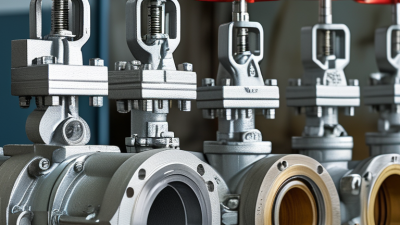
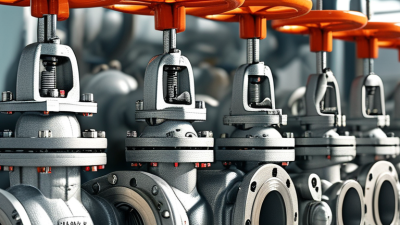
Why Choose DIN 3352 F4 Resilient Seated Gate Valves?
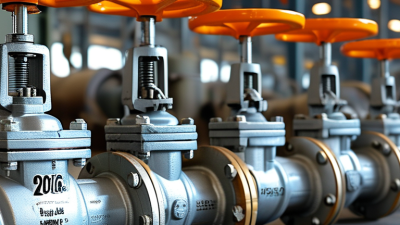
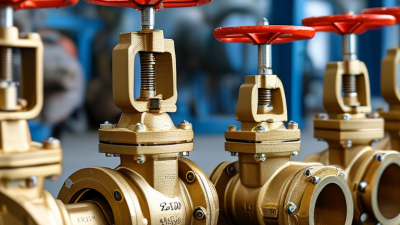
Choosing the right valve can influence pressure control, maintenance time, and the reliability of an entire water network. Din 3352 F4 Resilient Seated Gate Valves are widely considered for potable water, irrigation, wastewater, and industrial service applications. Their design combines a resilient elastomer seat with a wedge gate, creating a tight seal when the valve closes. This feature helps reduce leakage around the gate. It also supports dependable shutoff during routine operation and emergency maintenance.
Field experience shows that these valves are practical in chambers, treatment plants, and buried pipelines. Their full-bore passage can limit flow resistance when fully open. A corrosion-protected body and stainless-steel stem may improve service life in damp environments. However, material selection still matters. EPDM may suit drinking water, while other fluids may require a different sealing compound. The wrong elastomer can shorten operating life.
Installation details deserve equal attention. Pipe alignment, flange cleanliness, bolt tightening, and stem accessibility all affect performance. Small mistakes become expensive later. Operators should verify pressure ratings, temperature limits, coating quality, and applicable certifications before purchase. Regular inspections should include operating torque, gland condition, and visible corrosion. These checks provide useful evidence beyond a product brochure.
Din 3352 F4 Resilient Seated Gate Valves are not a universal solution. They are unsuitable for frequent throttling, where the seat may wear prematurely. A qualified engineer should match the valve to flow conditions, medium, pressure, and installation environment. When specification and installation are handled carefully, this valve design offers a credible balance of sealing performance, durability, and maintenance efficiency. Performance depends on details.
What Is a DIN 3352 F4 Resilient Seated Gate Valve?
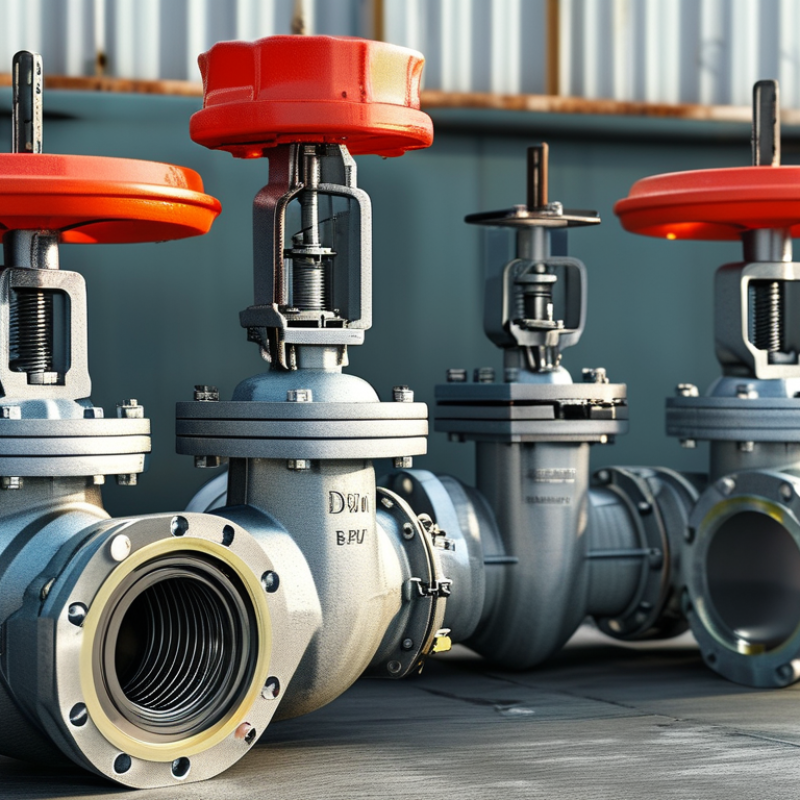
A DIN 3352 F4 resilient seated gate valve is an isolation valve for pressurized water networks. “F4” identifies a compact face-to-face pattern under the DIN dimensional framework. Its gate moves vertically, while an elastomer seat creates the sealing interface. When fully open, the passage is generally unobstructed. That reduces turbulence and permanent head loss. It is not a throttling valve. Typical designs use a ductile iron body, coated internals, and a non-rising or rising stem. Configuration must be verified against the datasheet.
The practical value appears in buried pipelines, treatment plants, and sectionalizing chambers. Operators can isolate a line with relatively low operating torque. However, torque depends on pressure, seat condition, stem lubrication, and sediment. A clean seat is essential. Water-sector guidance under EN 1074-2 emphasizes functional performance, leakage control, and durability. The standard does not replace pressure testing or correct installation. Face-to-face dimensions matter when replacing an older valve. A short F4 pattern can simplify space planning, but it may not match every flange arrangement.
The scale of the need is substantial. The WHO/UNICEF Joint Monitoring Programme reported that 2.2 billion people lacked safely managed drinking water in 2022. The 2024 UN World Water Development Report states that agriculture uses roughly 70% of global freshwater withdrawals. Field experience teaches a harder lesson: failures often begin with poor alignment, damaged coatings, or ignored exercise schedules. Certification helps. It is not everything. Inspectors should confirm pressure class, flange drilling, material compatibility, stem protection, and seat leakage before acceptance. Some projects also overlook temperature and fluid chemistry. That omission deserves a second review.
Why Choose a DIN 3352 F4 Resilient Seated Gate Valve?
Standardized face-to-face dimensions simplify replacement, installation, and pipeline layout planning.
The chart shows commonly specified DIN 3352 F4 face-to-face lengths for resilient seated gate valves across selected nominal diameters.
The compact F4 design supports efficient installation while maintaining standardized dimensions. Exact valve dimensions and pressure ratings should be confirmed against the applicable standard and project specification.
How Does Its Design and Sealing System Work?
A DIN 3352 F4 resilient seated gate valve isolates pipelines through a rising or non-rising stem and a guided wedge. Its full-port passage reduces turbulence when the gate is fully open. That matters in water networks, where pressure loss can increase pumping demand. The U.S. Environmental Protection Agency’s 2023 Drinking Water Infrastructure Needs Survey estimates a $625 billion investment requirement over 20 years. Reliable isolation valves support that aging infrastructure.
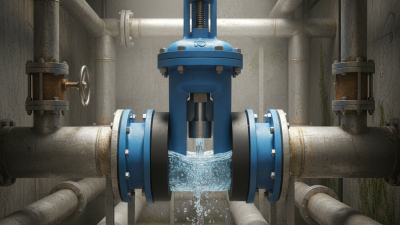
The sealing system is deliberately simple. An elastomer fully covers the wedge, while matching resilient seats sit inside the valve body. Closing force presses the coated wedge against both seats. This creates a tight seal around the entire flow opening. Stem O-rings limit external leakage, and a bolted bonnet supports inspection and maintenance. ISO 5208 provides pressure-testing and leakage-classification methods for industrial valves, helping verify performance beyond visual inspection.
Small details decide field results. Clean pipe interiors protect the soft seat from gravel and welding debris. Correct alignment prevents uneven wedge loading. A valve may pass a factory test yet fail prematurely after careless installation. That assumption deserves checking. Water temperature, disinfectant exposure, operating frequency, and elastomer compatibility also influence service life. The WHO/UNICEF Joint Monitoring Programme reported that 2.2 billion people lacked safely managed drinking water in 2022, making dependable network components more than a mechanical preference.
What Standards and Technical Features Define the F4 Model?
Why Choose DIN 3352 F4 Resilient Seated Gate Valves?
DIN 3352 F4 valves are designed for reliable isolation in water networks. Their resilient wedge creates a tight seal around the gate. This reduces metal-to-metal wear during repeated operation. The F4 model is commonly associated with a short face-to-face length under DIN 3202 requirements. That compact geometry can simplify installation inside crowded valve chambers. However, project documents should confirm the exact dimensional edition. Standards are not always applied identically across markets.
The technical definition usually includes EN 1074-1 and EN 1074-2 requirements for water supply valves. Flange drilling may follow EN 1092-2, while pressure testing can reference EN 12266-1 or ISO 5208. Typical configurations include PN10 or PN16 service ratings, ductile iron bodies, and EPDM resilient seats. Actual pressure limits depend on temperature, medium, and manufacturer testing. Do not treat PN16 as a universal operating guarantee.
The UN World Water Development Report 2024 states that 2.2 billion people lacked safely managed drinking water in 2022. That figure highlights the importance of dependable isolation equipment in expanding networks. Field experience shows that buried valves need corrosion protection, clear stem access, and accurate torque control. A poorly aligned valve can leak despite excellent materials. This is the part many specifications underestimate. Procurement teams should request material certificates, pressure-test records, coating details, and documented leakage results. DIN F4 is a useful technical reference, not a magic quality mark.
Why Choose DIN 3352 F4 Valves for Water and Industrial Systems?
Why Choose DIN 3352 F4 Valves for Water and Industrial Systems?
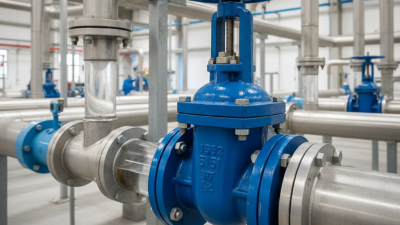
DIN 3352 F4 resilient seated gate valves are designed for dependable isolation in water and industrial pipelines. Their resilient wedge creates a tight seal around the gate and helps reduce leakage during service. The full-bore passage supports smooth flow with limited pressure loss. That matters when pumps operate continuously or pipelines carry suspended particles.
In practical installations, these valves suit drinking water, raw water, wastewater, and selected industrial fluids. Their flanged connection supports stable alignment and easier maintenance. A protected spindle can also reduce exposure to moisture, dirt, and mechanical damage. However, they are isolation valves, not precision flow-control devices. Using one for constant throttling may damage the seat and shorten service life. This is where project judgment matters. The valve may look suitable, but fluid temperature, pressure, chemistry, and installation space still require checking. Standards alone do not replace engineering review.
Tips: Confirm the current DIN 3352 F4 requirements before ordering. Check pressure ratings, face-to-face dimensions, flange compatibility, coating, and elastomer suitability. Flush the pipeline before operation. Open and close the valve gradually. Keep the spindle accessible for inspection. A simple maintenance log can reveal stiff movement or unusual leakage early. Field conditions are often less perfect than drawings suggest.
How Should These Gate Valves Be Selected, Installed, and Maintained?
Why Choose DIN 3352 F4 Resilient Seated Gate Valves?
Selecting a DIN 3352 F4 resilient seated gate valve starts with the service conditions. Confirm the pipe size, pressure class, temperature, and fluid composition. Drinking water, raw water, and mildly corrosive fluids may require different sealing materials. EPDM often suits water service, while NBR can suit certain oil-related applications. Always verify the manufacturer’s material data and the project standard. A lower purchase price can become expensive when the seat swells or leaks.
Installation needs careful alignment. The valve should match the pipeline flange dimensions without forced bolts or pipe stress. Keep the wedge fully open during flushing, then close it gently after debris is removed. The stem is usually best positioned vertically or within the approved orientation range. Support heavy valves independently. Do not use the handwheel as a lifting point. I have seen misaligned flanges create leaks that were wrongly blamed on the valve.
Maintenance is simple, but it is not optional. Exercise the valve periodically, especially when it remains open for years. Check the gland area, flange bolts, coating, and operating torque. A stiff handwheel may indicate corrosion, pressure imbalance, or trapped debris. Never force it blindly. Isolate and depressurize the line before inspection. Record opening dates, leak observations, and torque changes. Records reveal gradual failure earlier than occasional visual checks. One practical lesson remains: installation quality often matters more than the catalogue specification.




 Zalo
Zalo