
Inquiry
Form loading...

7 Best DIN 3352 F4 Resilient Seated Gate Valves

Choosing a gate valve is rarely about the name on the body alone. For water networks and building services, DIN 3352 F4 Resilient Seated Gate Valves are valued for their compact face-to-face dimensions and tight shutoff. Yet the right choice depends on more than a familiar standard. Pressure rating, end connections, coating, and operating conditions all deserve a close look. Details matter.

This guide reviews seven options and the practical differences buyers should check. Look for clear material specifications, such as ductile-iron body construction and an elastomer seat suited to the conveyed water. Confirm dimensions against the project drawings, and check the stated pressure and temperature limits. A handwheel may suit a small installation; a larger buried valve may need an extension spindle and a suitable surface box. Fit comes first.

Product descriptions can be incomplete, and a listed feature is not proof of long-term performance. Ask suppliers for current technical documents and relevant test information. Consider spare-part access, installation orientation, and maintenance requirements before comparing prices. No shortlist is perfect. Even a well-specified valve can be wrong for a particular system if its materials or operating limits do not match. The selections below offer a starting point, not a substitute for engineering review. Verify every detail before ordering.
7 Best DIN 3352 F4 Resilient Seated Gate Valves

What DIN 3352 F4 Resilient Seated Gate Valves Are

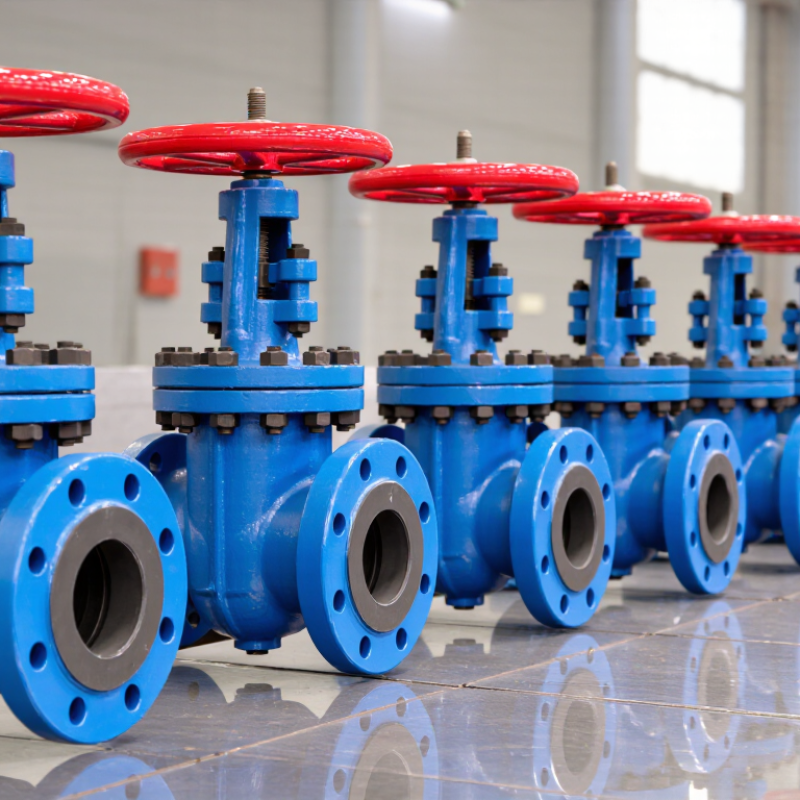
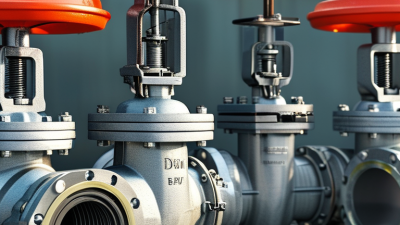
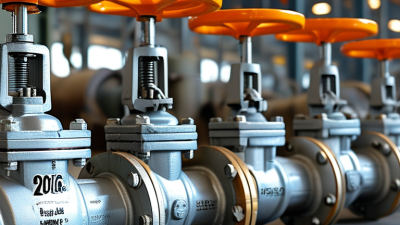
A DIN 3352 F4 resilient seated gate valve is an isolation valve for water pipelines. Its wedge is covered with an elastic sealing material, often an elastomer, which presses against the body’s sealing surfaces when closed. This creates a tight shutoff for routine service. The gate moves clear of the flow when open, leaving a relatively unobstructed passage. It is not designed to regulate flow; prolonged throttling can wear the seat.

“F4” identifies a dimensional pattern used in valve specifications, but the exact requirements should be checked against the applicable standard and project documents. Don’t assume every valve marked F4 has identical dimensions or materials. A technician should confirm face-to-face length, pressure rating, end connection, operating method, and permitted temperature range before ordering. That detail matters. For example, a valve may fit the pipework but still have an unsuitable elastomer for the conveyed water or operating conditions.

In service, the resilient seat can help reduce leakage when the valve is fully closed. Yet grit, scale, or a damaged coating can prevent proper sealing. Install the valve in the specified orientation, flush debris from the line, and operate the stem steadily. Small oversights count. I have seen specifications that named the pattern but left the seat material unclear; that gap deserves a second look before installation.
How F4 Gate Valve Design and Materials Affect Performance

A DIN 3352 F4 resilient seated gate valve is more than a compact fitting. F4 defines its face-to-face dimensions, helping it fit existing pipework. It does not guarantee a particular sealing result. Body material, wedge construction, and elastomer choice all affect service life.

Ductile iron bodies offer strength for buried water lines, while protective coatings help limit corrosion. The wedge’s elastomer—often EPDM for potable-water service—must suit the fluid and operating temperature. A poor match can harden, swell, or wear unevenly. Small details matter. Stem alignment and smooth guiding surfaces also help prevent binding during operation. Still, material selection cannot compensate for poor installation or infrequent inspection.

The scale of infrastructure investment makes careful specification practical, not cosmetic. The U.S. EPA’s 2023 Drinking Water Infrastructure Needs Survey and Assessment estimated $625 billion in drinking-water infrastructure needs over 20 years. That figure covers broad system needs, not valves alone. For a valve schedule, verify pressure rating, temperature limits, coating requirements, and applicable testing criteria. Check the actual medium, too; “water service” can hide meaningful differences in chemistry. One uncertainty remains: local operating conditions often reveal weaknesses that a datasheet cannot.

7 Best DIN 3352 F4 Resilient Seated Gate Valves – How F4 Gate Valve Design and Materials Affect Performance

Comparison of common F4 resilient-seated gate valve configurations. Values are indicative design characteristics, not product certifications; confirm dimensions, materials, pressure ratings, and approvals against the applicable valve datasheet and project requirements.
Configuration Typical body and wedge Seat and stem materials Common pressure / size range Performance characteristics Typical applications
1. General-purpose water service Ductile iron body and fully encapsulated wedge; F4 short-pattern face-to-face design EPDM wedge coating; stainless-steel stem Commonly PN 10 or PN 16; DN 50–DN 300 are frequent sizes EPDM provides resilient sealing for water service; compact F4 dimensions can reduce installation space. Pressure capability depends on the specific design. Water distribution, building services, and general utility networks
2. Corrosion-protected municipal service Ductile iron pressure-containing parts with a smooth internal passage EPDM-coated wedge; stainless-steel stem and corrosion-resistant fasteners Often PN 10 or PN 16; size range varies by design, commonly DN 50 and above A suitable external and internal protective coating helps limit corrosion; coating quality and thickness should be verified in the specification. Buried water mains and municipal distribution systems
3. Potable-water service Ductile iron body and encapsulated wedge with materials selected for drinking-water contact Potable-water-approved EPDM and compliant stem, coating, and elastomer materials Commonly PN 10 or PN 16; DN range depends on the approved design Material approvals are essential for potable-water use; resilient seating supports shutoff when correctly installed and maintained. Drinking-water treatment and distribution, subject to local approvals
4. Wastewater and drainage service Ductile iron body; wedge and flow passage selected to suit the expected solids and service conditions EPDM for many water-based services; NBR may be considered where oil exposure is expected, subject to compatibility Often PN 10 or PN 16; size and pressure limits are design-specific Elastomer selection affects resistance to the conveyed medium. Suspended solids, debris, and operating frequency should be assessed. Wastewater networks, drainage systems, and selected treatment-plant lines
5. Higher-pressure water-network option Ductile iron body and reinforced design details where offered for the specified pressure class EPDM wedge coating; stem and body materials specified for the design pressure and environment PN 16 is common; PN 25 is available in some designs but must be confirmed for the selected size and standard Higher pressure ratings require verification of the complete valve, end connections, and operating conditions; F4 geometry alone does not determine pressure capability. Pressurized water systems where the calculated design pressure calls for a higher-rated valve
6. Stainless-steel-stem corrosion-resistant option Ductile iron body with protective coating; stem material selected for the service environment EPDM or service-compatible elastomer; stainless-steel stem, with grade stated on the datasheet Commonly PN 10 or PN 16; size range varies by manufacturer and design A stainless-steel stem can improve resistance to corrosion compared with less corrosion-resistant stem materials; exact suitability depends on alloy grade and exposure. Humid locations, buried installations, and water systems with elevated corrosion concerns
7. Compact retrofit F4 configuration Short-pattern body intended to match the relevant F4 face-to-face dimension for the specified DN Typically EPDM-coated ductile iron wedge and stainless-steel stem; confirm exact material grades Typically offered in common water-service pressure classes; confirm size-specific limits The compact pattern can help with replacement in constrained spaces. Check the applicable dimensional standard, drilling, actuator clearance, and installed length before ordering. Retrofits and pipework where short face-to-face dimensions are required

Selection note: “F4” identifies a face-to-face dimensional pattern in relevant standards; it does not by itself define valve materials, pressure rating, seat leakage class, or potable-water approval. Verify the applicable edition of the dimensional standard and the valve’s test and material documentation.

Key Criteria for Choosing an F4 Resilient Seated Gate Valve

7 Best DIN 3352 F4 Resilient Seated Gate Valves
Key Criteria for Choosing an F4 Resilient Seated Gate Valve

Choosing an F4 valve starts with checking the installation dimensions and connection type. Confirm the face-to-face length against the pipeline drawings; even a small mismatch can complicate replacement work. Verify the pressure rating and operating conditions too. A valve intended for clean water may not suit a line carrying abrasive particles or chemically aggressive fluids.

The resilient seat needs to match the fluid and temperature range. Ask for material details and documented test results, rather than relying on a generic “rubber seated” description. Check whether the wedge fully opens without obstructing the flow, and whether the stem and body protection suit the installation environment. In a damp valve chamber, coating quality matters. So does access for maintenance.

A specification sheet cannot show every site condition. A practical check is to compare the valve’s declared torque with the actuator or handwheel arrangement, then confirm the required closure test. Look for clear traceability of materials and inspection records. Small details count. A well-matched valve should seal reliably, but installation alignment and clean pipework still affect performance. I would not treat a familiar standard designation as proof that every option fits the job.

7 Best DIN 3352 F4 Resilient Seated Gate Valves: Key Selection Criteria

Compare nominal valve size with the standard F4 face-to-face dimension. The chart shows representative dimensions for EN 558 Series 14, historically associated with DIN 3202 F4. Dimensions are in millimetres.

Seven criteria to check: nominal diameter (DN), pressure rating (PN), face-to-face standard, body and wedge materials, resilient-seat material, corrosion protection, and operating method. Confirm the applicable standard edition and the valve’s certified dimensions with the supplier before specifying or installing.

Seven F4 Gate Valves Compared by Features and Applications

An F4 designation commonly refers to a long-pattern resilient-seated gate valve under DIN 3352. Confirm the drawing and pressure rating for each model. A handwheel version offers straightforward control for routine water isolation. A gearbox suits larger diameters, where repeated turns can become tiring. Both use a resilient wedge to seal against the valve body. Slow operation matters.

A rising-stem model makes the open or closed position easy to see, but needs overhead clearance. A non-rising stem fits a low chamber; its position is less obvious. For buried mains, a stem extension and surface box bring operation up to ground level. Check extension alignment. An electric actuator supports remote or frequent operation, but adds wiring and maintenance points. It may be excessive for an occasional-use branch.

Flange drilling is another practical comparison: the connection must match the pipeline’s bolt pattern and pressure class. A mismatch can delay installation, even when the valve itself is suitable. These seven configurations are not mutually exclusive; a buried valve, for example, may also use an actuator. Compare face-to-face dimensions, coating, operating torque, and test records before specifying one. Small details matter, and catalogue descriptions do not always explain site constraints.

Installation, Inspection, and Maintenance of F4 Gate Valves

Before installing a DIN 3352 F4 resilient seated gate valve, confirm its face-to-face dimensions, connection type, pressure rating, and permitted operating conditions. F4 identifies a dimensional pattern, not every detail of the valve’s design. Check the product documents for flow direction and installation position. Clean the pipe interior, then align the valve without pulling misaligned flanges together with the bolts. Small debris matters. It can damage the resilient seat.

During installation, support heavy pipework so the valve body does not carry unnecessary strain. Tighten flange fasteners evenly, following the specified sequence and torque. Open and close the valve slowly, using the handwheel rather than an extension bar. Gate valves are intended for isolation, not routine throttling. Check for leaks around joints and the stem after the system is pressurized. Record the result; memory fades.

For inspection, look for external corrosion, damaged coatings, loose fasteners, and signs of leakage. Exercise the valve periodically when the operating plan permits, and note any unusual resistance or incomplete travel. Do not force a stiff valve. Isolate and depressurize the line before internal work, and replace worn parts with compatible components. After maintenance, verify full travel and check for leakage under the approved test procedure. A clean inspection sheet is useful, though it cannot replace careful observation.