
Inquiry
Form loading...
-
Phone
-
E-mail
-
Whatsapp
+86 19720579616

-
WeChat
+86 19720579616

-
 Zalo

+86 19720579616
+86 19720579616
Zalo
Forged Steel Gate Valves are often chosen for compact, high-pressure service, but a familiar product name is not a complete specification. Buyers should compare pressure class, body and trim materials, end connections, operating method, and the conditions the valve must handle. Small details matter. A stem that binds or a mismatched connection can complicate installation and maintenance.
Philip L. Skousen, author of Valve Handbook, is a recognized valve-engineering reference. Rather than invent a direct quotation, this guide uses a practical buying principle consistent with sound engineering: “Match the valve to the service, not just the purchase price.” Treat that as an editorial summary, not Skousen’s verbatim words. The sections ahead outline how to assess design requirements, material choices, applicable standards, inspection records, supplier capabilities, and total ownership costs. API 602 and ASME B16.34 may help frame comparisons, but buyers should confirm which requirements apply to their specific design and project. Check the datasheet against the actual line conditions. Then review documentation, traceability, testing, lead time, and after-sales support. A low quote can look attractive. It may still leave important questions unanswered. No single valve suits every application, and specifications deserve a careful second look before an order is placed.
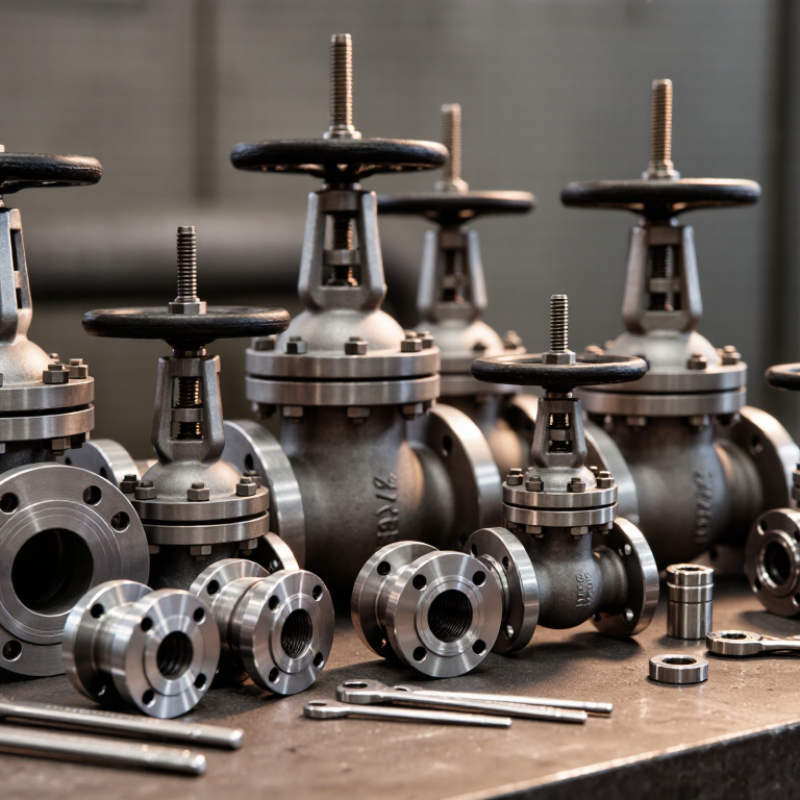
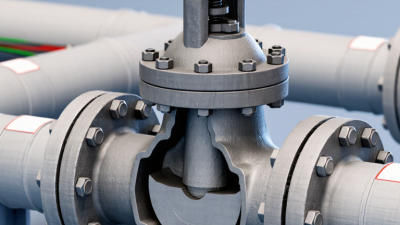
A forged steel gate valve controls flow with a sliding gate, often shaped like a wedge. Turning the handwheel moves a threaded stem, lifting the gate clear of the fluid path. Turn it closed, and the gate presses against two seats to stop flow. Simple motion. In a fully open valve, the passage is nearly straight, which helps limit obstruction. Gate valves are generally intended for fully open or fully closed service, not precise throttling.
Forging shapes heated steel under pressure, producing a compact body suited to demanding pressure service. API Standard 602 covers forged steel gate valves up to NPS 4 (DN 100) and lists pressure classes 150, 300, 600, 800, 1500, and 2500. ASME B16.34 provides pressure-temperature ratings and design requirements for valve bodies and other pressure-retaining parts. These standards offer useful selection references, but the class alone does not confirm suitability: material, temperature, fluid, and end connections matter too. A handwheel can feel firmly shut before a worn seat seals reliably. That detail is easy to miss. Examine the pressure rating and test documentation for the exact valve configuration.
| Buyer Consideration | Typical Details | How It Works or Why It Matters |
|---|---|---|
| Valve type | A linear-motion isolation valve with a forged steel body and a movable gate (wedge). | Turning the handwheel or actuator moves the stem and gate. The gate lifts clear of the flow path to open and lowers between the seats to close. |
| Primary duty | On/off isolation in pipelines and process systems. | Gate valves are generally intended to operate fully open or fully closed, rather than regulate flow for extended periods. |
| Common size range | Compact forged gate valves are commonly offered in small-bore sizes, often up to NPS 2; product ranges vary. | Confirm nominal pipe size, connection dimensions, and the applicable product standard for the specific valve. |
| Pressure class | Common ASME class designations include 800, 1500, and 2500, depending on design and size. | A class number is not a universal pressure value. Allowable pressure depends on material, temperature, size, and the governing pressure-temperature rating standard. |
| Body material options | Examples include ASTM A105 carbon steel, ASTM A182 F11 or F22 alloy steel, and ASTM A182 F304 or F316 stainless steel. | Select material based on fluid compatibility, design temperature, pressure, corrosion risk, and applicable material specifications. |
| Gate and seat arrangement | Common designs include solid or flexible wedges with integral or replaceable seating surfaces, depending on construction. | The wedge presses against the seats when closed. Seat and trim materials should be matched to the service fluid and operating conditions. |
| Bonnet construction | Bolted bonnet and pressure-seal bonnet designs are used; availability depends on valve size, class, and design. | The bonnet encloses the stem and gate and forms part of the pressure boundary. Check the design details and maintenance requirements. |
| End connections | Socket-weld and threaded ends are common on compact forged valves; butt-weld ends may also be available. | Match the end connection to the piping specification, installation method, and inspection requirements. |
| Stem configuration | Rising-stem designs are common; non-rising-stem designs are available in some configurations. | A rising stem provides a visible indication of travel but needs clearance above the valve. Check installation space and operating access. |
| Applicable standards to verify | API 602 is commonly specified for compact steel gate, globe, and check valves; ASME B16.34 addresses valve pressure-temperature ratings and construction. API 598 covers inspection and testing. | Confirm the required edition, scope, and any project-specific requirements before purchase. Not every valve is designed or tested to every listed standard. |
| Temperature limits | There is no single temperature range for all forged steel gate valves. | Check the pressure-temperature rating for the exact body and trim materials, packing, gasket, and service conditions. |
| Best-fit applications | Small-bore process, utility, steam, and hydrocarbon isolation services, where the selected materials and rating are suitable. | Evaluate fluid properties, operating frequency, expected leakage criteria, and maintenance access before choosing a valve. |
| Key purchase checks | Size, pressure class, body and trim materials, end connections, face-to-face dimensions, operation, testing, and documentation. | Request the dimensional drawing, material documentation, pressure-temperature ratings, applicable test records, and confirmation of the specified design standard. |
Note: Specifications are typical selection guidance, not a substitute for the valve’s certified data sheet or project requirements. Verify ratings and suitability with the applicable standards and service conditions.