
Inquiry
Form loading...

Why Choose API Bellows Sealed Gate Valves?

In process plants, a small leak around a valve stem can create a persistent maintenance problem. API Bellows Sealed Gate Valves use a metal bellows assembly to form a barrier between the process fluid and the external environment. This design can reduce reliance on conventional stem packing as the primary seal, making it worth considering where fugitive emissions, hazardous media, or frequent inspection are concerns. The bellows flexes as the gate moves. Its service life still depends on correct sizing, material compatibility, operating conditions, and cycle frequency.

There are practical trade-offs. Bellows assemblies add complexity, and unsuitable pressure or temperature conditions can shorten their life. A gate valve may also be a poor choice when frequent throttling is required; it is generally intended for isolation. Check the applicable API requirements, pressure-temperature ratings, end connections, body and bellows materials, and the manufacturer’s test documentation before specifying a valve. Ask how the bellows is protected from overextension and what backup sealing arrangement is provided. Details matter.

For engineers and procurement teams, the choice is not simply “more sealing” versus “less sealing.” It is a balance between process risk, maintenance access, operating cycles, and total lifecycle cost. A clear review of the service data helps prevent mismatches, though field conditions do not always match the original assumptions. That deserves a second look. When the application fits, these valves can offer a useful additional containment barrier and more confidence in critical isolation duties.
Why Choose API Bellows Sealed Gate Valves?

What Is an API Bellows Sealed Gate Valve?

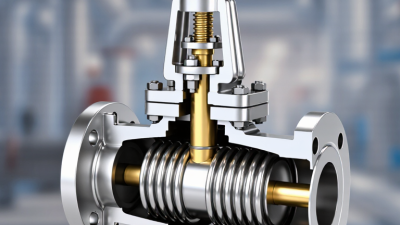
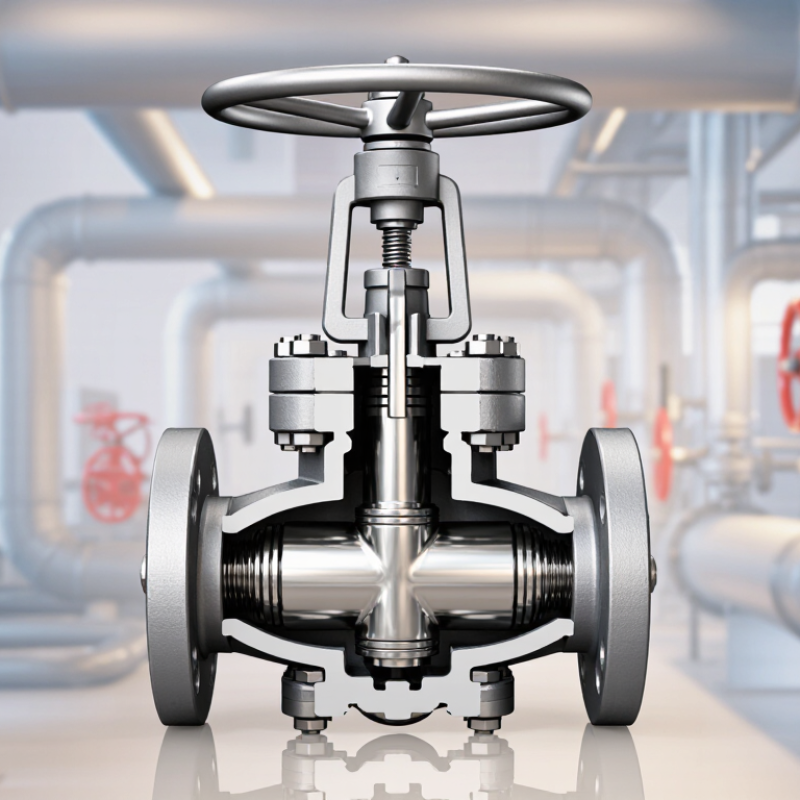
An API bellows sealed gate valve uses a flexible metal bellows around the stem to separate process fluid from the atmosphere. As the handwheel turns, the stem moves the gate away from or into the flow path. The bellows flexes with that movement while limiting leakage along the stem. No magic here. Many designs also include packing above the bellows as a backup seal.

This construction can suit services where stem leakage needs close control, such as hot oil lines or systems carrying irritating process fluids. The gate is intended mainly for isolation, not for regulating flow; leaving it partly open can cause wear. Bellows material, pressure, temperature, and cycle life all matter when selecting a valve. A poorly matched bellows can fatigue over time. That detail is easy to overlook. “API” refers to applicable industry design requirements, but the exact standard depends on valve type and size. Check the service conditions and maintenance plan before specifying one.
How Does the Bellows Sealing Mechanism Work?

Why Choose API Bellows Sealed Gate Valves?

How Does the Bellows Sealing Mechanism Work?

Inside a bellows sealed gate valve, a flexible metal bellows connects to the moving stem. Its lower end is welded to the stem, while its upper end is sealed to the bonnet. As the handwheel moves the stem, the bellows stretches or compresses. It forms a metal barrier between the process fluid and the atmosphere.

The gate still moves in a straight line to open or close the flow path. The bellows flexes with that movement, rather than allowing fluid to travel along the stem. No rotating seal is required there. A simple idea, but the details matter. Bellows material, pressure, temperature, and movement cycles must suit the service conditions. Poor matching can lead to fatigue or premature failure.

Many designs also use stem packing as a secondary seal if the bellows is damaged. That backup is useful, though it should not replace inspection. In practice, check for leakage, unusual operating resistance, or visible damage during maintenance. A bellows is not indestructible. It has a finite flex life, and frequent cycling can shorten it. Sizing and installation deserve careful review.

Why Choose API Bellows-Sealed Gate Valves?

A bellows creates a flexible metal barrier between the process fluid and the atmosphere, reducing reliance on stem packing as the primary seal.

Illustrative comparison of typical configurations: a conventional packed valve uses stem packing as its primary barrier; a bellows-sealed design uses the bellows as the primary barrier and may include packing as a secondary backup. Actual designs vary. This is a barrier-count comparison, not a measured leakage-rate result.

Which Design Features Support Reliable Performance?

An API bellows-sealed gate valve uses a flexible metal bellows welded between the stem and bonnet to limit leakage along the stem. As the handwheel turns, the bellows compresses or extends with stem movement. Its welds and alignment matter: a small defect can undermine the sealing function. That separation matters.

The bellows is not the only design feature supporting reliable service. A secondary stem packing seal can provide backup if the bellows fails, while a bolted bonnet and suitable gasket help contain pressure. Guided stem movement reduces side loading, which can otherwise fatigue the bellows over repeated cycles. Gate valves are intended mainly for fully open or fully closed service, not routine throttling. Partly open operation may cause vibration and seat wear.

Material selection must match the fluid, temperature, and pressure; stainless steel is not automatically suitable for every process. Operators should check the valve’s pressure-temperature ratings and confirm that testing and inspection requirements fit the service. Cycle life also deserves attention, especially where frequent operation is expected. A bellows seal reduces one leakage path, but it does not make maintenance unnecessary.

Honestly, sizing and installation details are easy to underestimate. Proper support, clean piping, and careful operation help protect the assembly over time.

What Benefits Do Bellows Sealed Gate Valves Offer?

Bellows-sealed gate valves use a welded metal bellows to isolate the moving stem from process fluid. This reduces reliance on stem packing as the primary barrier, helping limit fugitive emissions and protect workers from contact with hot, toxic, or valuable media. EPA’s 1995 Protocol for Equipment Leak Emission Estimates reports an average gas-service valve emission factor of 0.0056 kilograms per hour per valve. That figure describes a broad equipment category, not a direct test of bellows-sealed valves, but it shows how small leaks can add up across a plant. Details matter.

The bellows also supports cleaner operation around pump rooms, boiler lines, and chemical process equipment. A gate valve is designed mainly for full-open or full-closed isolation, not regular throttling; using it partly open can cause wear and unstable flow. ISO 15848-1 provides a test framework for fugitive emissions from industrial valves, so buyers can compare documented performance rather than rely on “leak-tight” claims alone. A bellows is not magic. It can fatigue under repeated cycling, vibration, or pressure and temperature extremes, so service conditions and inspection intervals deserve careful review. That is easy to overlook.

Why Choose API Bellows Sealed Gate Valves? — What Benefits Do Bellows Sealed Gate Valves Offer?

Design Feature Practical Benefit Where It Is Useful Important Consideration
Metal bellows stem seal Creates a barrier between the process fluid and the atmosphere, reducing the potential for leakage along the stem compared with a conventional packing-only seal. Services where containment of hazardous, toxic, volatile, or environmentally sensitive fluids is important. Bellows reduce leakage risk but do not guarantee zero emissions; selection and maintenance still matter.
Secondary stem packing in many designs Can provide an additional sealing barrier if the bellows is damaged or reaches the end of its service life. Installations that require an added layer of stem-sealing protection. Confirm the valve’s actual construction and inspection requirements with its technical documentation.
Gate-valve flow path When fully open, many gate-valve designs provide a relatively unobstructed passage with low flow resistance. On/off isolation in pipelines where a full-bore flow path is desired. Gate valves are generally intended for fully open or fully closed service, not routine throttling.
Isolation by a moving gate Provides a straightforward means of stopping flow when the valve is correctly selected and operated. Process lines, utility systems, and equipment isolation points. Pressure, temperature, fluid compatibility, end connections, and operating conditions must be checked before selection.
Reduced reliance on exposed stem packing May reduce the need for frequent packing adjustment associated with some conventional packed-stem valves. Locations where access for routine stem-packing maintenance is difficult. Bellows have a finite fatigue life and should be assessed for pressure, temperature, cycling, and corrosive-service suitability.
Standards-based valve specification API requirements can help define design and manufacturing expectations when the applicable standard is specified for the valve type and service. Projects that require documented dimensional, material, or pressure-related requirements. “API” alone does not identify one universal bellows-sealed gate-valve specification; verify the applicable standard, rating, and certification for the specific valve.

Where Are These Valves Used, and How Are They Selected?

API bellows-sealed gate valves are used where stem leakage needs tight control. Typical services include toxic or volatile chemicals, refinery process lines, steam systems, and heat-transfer fluids. Their welded metal bellows form a barrier around the moving stem, while the gate provides shutoff. They are intended for isolation, not routine throttling. The need is tangible. The International Energy Agency’s Global Methane Tracker 2024 estimated that oil and gas operations released about 80 million tonnes of methane in 2023. That figure is not a valve-specific estimate, but it highlights why leak prevention matters.

Selection starts with the operating envelope. Confirm pressure, temperature, fluid chemistry, required flow capacity, and applicable pressure class. Then check bellows material against corrosion risks and expected temperature cycles. A valve exposed to frequent cycling may need closer review of bellows fatigue life than one used for occasional isolation. Also verify end connections, seat and trim materials, and whether backup stem packing is provided. That detail matters. A bellows failure should not leave the line without a secondary sealing barrier. For critical service, review test documentation and plan inspection access before installation. No design eliminates maintenance; real operating conditions can be less tidy than the specification sheet.