
+86 19720579616
+86 19720579616
Zalo
Selecting a reliable manufacturer of Api Bellows Sealed Gate Valves begins with understanding the service, not the brochure. These valves use a welded metal bellows to limit stem leakage, making design quality and testing especially important in hazardous, toxic, or high-purity processes. Small details matter: bellows material, weld inspection, pressure class, operating temperature, and cycle life can all affect performance.
The market context is substantial. Grand View Research estimated the global industrial valves market at USD 79.4 billion in 2023 and projected a 4.3% compound annual growth rate from 2024 to 2030. This broad category includes many valve types; it does not measure bellows-sealed gate valves alone. That distinction matters. A market forecast is not a technical qualification.
For the 2026 manufacturer comparison, buyers should examine traceable material records, documented pressure testing, manufacturing controls, and service support. Confirm which product standards apply to the selected design, and request relevant fugitive-emissions test evidence, such as qualification under ISO 15848-1 where specified. API 602 may be relevant to certain steel gate-valve designs, but the standard’s scope should be checked against the actual valve and duty. Ask for evidence, not just claims. A polished datasheet can still leave gaps. This guide will compare manufacturers through verifiable product information, engineering capability, and practical lifecycle considerations. The ranking also deserves scrutiny: published information may not reveal every factory practice, and no single supplier suits every application.
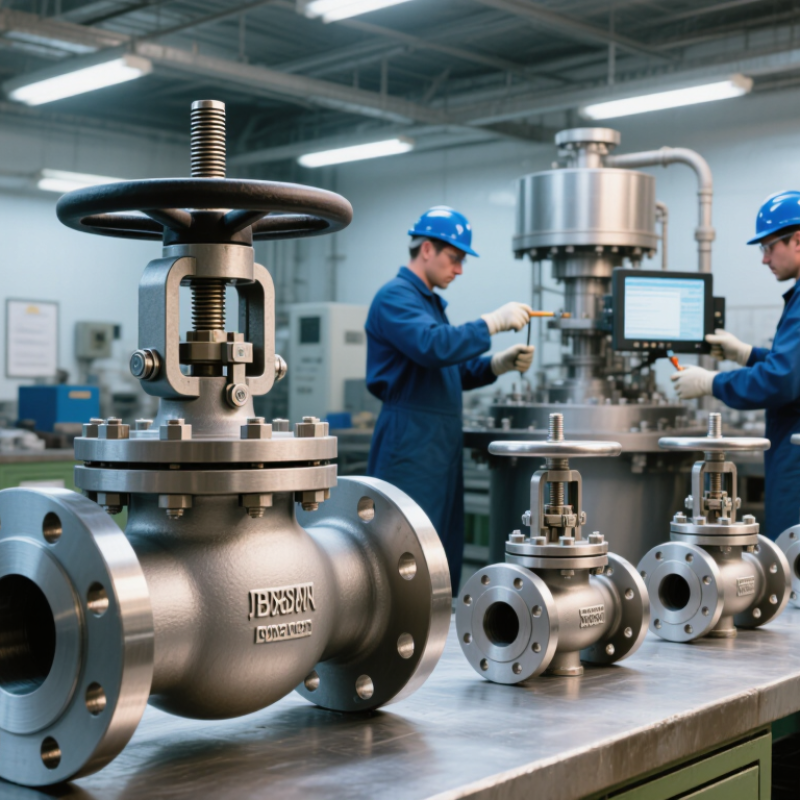
An API bellows-sealed gate valve is an isolation valve that uses a metal bellows to limit leakage around its moving stem. The bellows sits between the stem and bonnet, forming a flexible barrier as the gate opens or closes. This design is useful where fugitive emissions or process-fluid escape through the stem packing must be reduced. The gate moves across the flow path, so the valve is intended for fully open or fully closed service, not routine throttling.
The bellows flexes with each stroke. Its material, welds, and cycle life therefore matter, especially in hot service or frequent operation. A stem packing arrangement may also provide secondary containment if the bellows fails. That detail is easy to overlook. API requirements depend on the applicable valve specification and service conditions; buyers should confirm pressure and temperature ratings, materials, inspection records, and bellows testing with the manufacturer. A bellows seal is not a guarantee of zero leakage. It adds a barrier, but maintenance intervals and operating limits still deserve careful review. Do not assume every valve described as API bellows-sealed has the same construction or qualification.
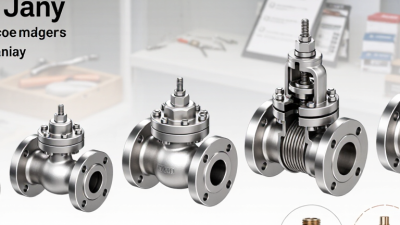
API standards influence a bellows-sealed gate valve from its design drawings through final inspection. API 600 provides design requirements for applicable steel gate valves, while API 598 covers inspection and pressure testing. The project specification still matters. Details matter.
A bellows assembly needs careful attention to material selection, weld quality, and movement during repeated operation. API requirements may not define every bellows-specific design detail, so manufacturers and purchasers should agree on acceptance criteria for the intended pressure, temperature, and service conditions. A standard is a baseline, not a guarantee of suitability.
During manufacturing, traceability links material heat numbers to components, and inspection records document key checks. Technicians can verify dimensions, review weld documentation, and test the assembled valve for pressure-boundary leakage. Small deviations count. One point deserves reflection: passing a test at the factory does not erase the effects of poor installation or unsuitable operating conditions. Clear specifications and complete records help engineers assess what was built, what was tested, and where further review is needed.
Manufacturer evaluation framework: the information below summarizes relevant standards and verifiable design or quality considerations. API standards do not, by themselves, certify a manufacturer or establish a universal bellows-cycle requirement.
| Evaluation Dimension | Relevant Standard or Reference | What the Standard Covers | Practical Evidence to Request |
|---|---|---|---|
| Gate-valve design basis | API 600 | Design, materials, dimensions, inspection, testing, and marking for bolted-bonnet steel gate valves within its stated scope. | Valve datasheet identifying the applicable standard, size, pressure class, end connections, materials, and any specified deviations. |
| Compact forged-steel valve applications | API 602 | Requirements for compact steel gate, globe, and check valves within the standard’s scope; it is not a bellows-specific qualification standard. | Confirmation that the selected valve type and dimensions fall within the standard’s scope, plus drawings and material documentation. |
| Pressure-temperature rating | ASME B16.34 | Pressure-temperature ratings and design-related requirements for valves covered by the standard. Allowable operating conditions depend on material, pressure class, and temperature. | Published rating information for the exact body and trim materials, pressure class, and intended operating temperature. |
| Inspection and pressure testing | API 598 | Inspection and pressure-test requirements for valves, including applicable shell and closure tests and acceptance criteria. | Inspection and test procedure, test records, test medium, applicable acceptance criteria, and identification linking results to the valve. |
| Bellows assembly qualification | Project specification and documented design qualification | API 600 and API 602 do not define a single universal bellows cycle-life requirement. Bellows performance needs to be assessed against the specified pressure, temperature, stroke, medium, and operating cycles. | Bellows material and construction details, design limits, cycle-test method and results, and the stated test conditions and acceptance criteria. |
| Stem-seal and fugitive-emissions testing | API 624; ISO 15848-1 and ISO 15848-2, where specified | API 624 addresses fugitive-emission type testing of rising-stem valves equipped with graphite packing. ISO 15848 provides fugitive-emission type-testing and production-acceptance frameworks. Applicability to a bellows-sealed configuration depends on the test arrangement and specification. | Test report naming the tested valve configuration, stem-seal arrangement, test conditions, leakage measurement method, and whether the tested design matches the offered valve. |
| Body and bonnet material selection | Applicable ASTM material specifications and purchase specification | Common material designations include ASTM A216 WCB cast carbon steel, ASTM A351 CF8M cast stainless steel, and ASTM A182 F316 forged stainless steel. Selection must suit the service and valve design. | Material test certificates with grade, heat number, chemical and mechanical results, and traceability to pressure-containing components. |
| Welding and examination | Applicable construction code, project specification, and qualified procedures | Welded ends, pressure-boundary repairs, and examination requirements depend on the valve design, governing code, and purchase specification; there is no single universal NDE extent for every valve. | Approved welding procedures and welder qualifications where applicable, repair records, and NDE reports with acceptance criteria. |
| Manufacturing quality and traceability | Quality-management system and order-specific inspection plan | Quality-system certification can support consistent manufacturing controls, but it does not replace product-specific design conformity, inspection, or testing. | Quality-system certificate scope and validity, inspection and test plan, serial-number traceability, nonconformance records, and final manufacturing dossier. |
| Application suitability | End-user specification and service conditions | Valve selection should account for fluid compatibility, pressure, temperature, cycling frequency, corrosion or erosion risk, installation orientation, and any required secondary stem seal. | Completed technical datasheet and written confirmation of operating limits, exclusions, maintenance requirements, and recommended inspection intervals. |
When comparing API bellows-sealed gate valve manufacturers in 2026, check how clearly they define the valve’s operating limits. Request pressure-temperature charts, material specifications, and the applicable API design and inspection standards for your exact size and service. A broad “API compliant” statement is not enough. The documents should identify the standard and revision used.
Bellows performance deserves close review. Ask for cycle-test methods, test conditions, and acceptance criteria, along with stem-seal leakage results. Check whether test records apply to the offered design, not merely to a similar product. No datasheet tells the whole story. Manufacturing controls matter too: look for material traceability, welding qualifications, inspection records, and clear procedures for handling deviations. A neat certificate can still leave gaps.
Compare practical support, not just purchase price. Can the manufacturer explain how temperature, pressure changes, and operating frequency affect bellows life? Ask about spare-part availability, stated lead times, and the process for investigating field failures. Specific answers are useful. Vague promises are not. It is also reasonable to request a sample inspection plan before placing an order. Even careful evaluations have limits; published test data may not reflect every installation, so document assumptions and confirm critical details with the engineering team.
Use these suggested screening weights to structure a manufacturer comparison—not as market-survey results or manufacturer ratings. Verify applicable standards and request supporting documents, such as material traceability, pressure-test records, fugitive-emissions qualification, and bellows cycle-test evidence. Applicable requirements depend on valve design and service conditions.
Leading API Bellows-Sealed Gate Valve Manufacturers in 2026
In 2026, strong manufacturers stand out through verifiable engineering, not polished claims. Buyers should check pressure-temperature ratings, body and trim materials, bellows cycle-life data, and documented production testing. For compact steel gate valves, confirm whether API 602 applies to the specified design. Also request fugitive-emissions test evidence, such as qualification to ISO 15848-1. A datasheet alone is not enough.
The IEA’s Global Methane Tracker 2024 estimated that fossil fuel operations released nearly 120 million tonnes of methane in 2023. That figure is not a valve-specific emissions estimate, but it shows why leak-control design matters. A well-specified bellows assembly separates process fluid from the stem seal; its performance still depends on material choice, weld quality, and operating cycles. Ask for traceable inspection records and test conditions, not just a certificate.
Compare suppliers on practical details: Can they explain bellows fatigue limits? Do they provide drawings, material certificates, and spare-part guidance? Can they document inspection of the bellows welds? Small gaps matter. One caution: published test results may not match your temperature, pressure, or media. Request project-specific confirmation. There is no reliable public, apples-to-apples ranking of every manufacturer, so treat “leading” as proven capability supported by records.
For a bellows-sealed gate valve, select the manufacturer around the service conditions, not a broad product claim. Define pressure, temperature, fluid, cycle frequency, and required leakage performance. Then check whether the proposed design matches the applicable API and project specifications. Ask for material traceability, pressure-test records, and documented bellows cycle testing. Details matter: a valve handling hot steam may need different materials and weld procedures than one used on a clean utility line.
Fugitive emissions deserve close attention. The International Energy Agency’s Global Methane Tracker 2024 estimates that energy operations released nearly 120 million tonnes of methane in 2023. That figure is not valve-specific, but it highlights why sealing performance deserves scrutiny. Request the exact test standard, test conditions, and results for the offered configuration; a generic certificate may not cover your size or pressure class. Ask how the supplier controls bellows forming, weld inspection, and final assembly. Small process gaps matter.
Check manufacturing capacity, spare-parts availability, and repair support at the intended site. Review drawings and confirm face-to-face dimensions before ordering; a mismatch can delay installation. Speak with references serving similar temperatures and fluids, while recognizing that one successful installation proves little. A datasheet alone can mislead. Compare evidence, not just promises.