Top Forged Steel Valves for Global Buyers in 2026?
The demand for Forged Steel Valves is on the rise globally. In 2026, several factors will shape their market appeal. Buyers need to be aware of these dynamics to make informed decisions.
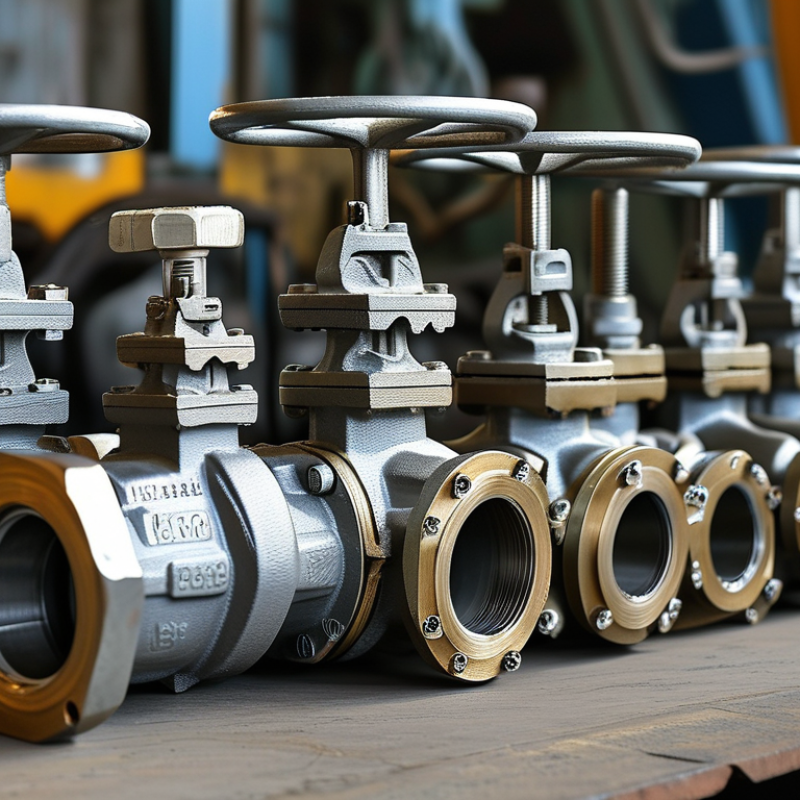
Forged Steel Valves offer outstanding durability and performance. They are crucial in various industries, including oil and gas, water management, and manufacturing. Their strong construction prevents leaks and withstands high pressures, ensuring reliability.
However, the market is not without challenges. Price fluctuations and supply chain issues can affect availability. Buyers must consider these factors. It's essential to research suppliers thoroughly. Seeking reputable manufacturers can help ensure quality and reliability. Regularly reviewing industry standards will provide better insights for future needs.
Overview of Forged Steel Valves and Their Applications
Forged steel valves play a crucial role in various industries. They are essential components in systems that handle high pressures and extreme temperatures.
These valves are known for their durability and strength. Their applications range from oil and gas to power generation and chemical processing.
In the oil and gas sector, forged steel valves ensure safe and efficient operations. They regulate the flow of liquids and gases, contributing to process efficiency. Additionally, in power plants, they manage steam and gases, maintaining system integrity.
Forged steel valves are also used in water treatment facilities. They help control water flow, ensuring compliance with environmental regulations.
However, the market faces challenges. Not all forged steel valves meet performance standards. Quality control is vital to avoid failures. Some manufacturers may cut corners to reduce costs. Buyers must be vigilant about sourcing reliable products.
Investing in quality valves leads to long-term savings and safety. Ultimately, understanding the properties and applications of forged steel valves is essential for any industry professional.
Key Features to Consider When Choosing Forged Steel Valves
Choosing forged steel valves requires careful consideration of several key features. Durability is paramount. These valves must withstand high pressure and temperature. Look for valves made from high-quality materials to ensure longevity. Corrosion resistance is another vital factor. Valves exposed to harsh environments need protection against rust and wear.
Tip: Always inquire about the material properties. Test reports can provide insights into performance under various conditions.
The design of the valve impacts its functionality. A well-engineered valve can improve flow efficiency. Consider the type of sealing used. Reliable seals prevent leaks and ensure safety. Pressure ratings are critical too. Ensure the valve meets the required specifications for your application.
Tip: Consult with industry experts when in doubt. Getting feedback can help avoid costly mistakes.
Installation and maintenance also deserve attention. Forged steel valves can be complex. Make sure your team is trained properly. Regular inspections are necessary for optimal performance. Over time, wear can compromise reliability.
Tip: Develop a maintenance schedule to prolong valve life. Regular checks can help identify issues early.
Top Forged Steel Valves for Global Buyers in 2026
| Model |
Material |
Pressure Rating (PSI) |
Temperature Range (°C) |
End Connection Type |
| FSGV-100 |
A105 |
1500 |
-46 to 121 |
Flanged |
| FSGV-200 |
F22 |
2500 |
-29 to 593 |
Welding |
| FSGV-300 |
F91 |
3000 |
-29 to 815 |
Socket Weld |
| FSGV-400 |
A350 LF2 |
600 |
-46 to 204 |
Flanged |
Market Trends Influencing the Forged Steel Valve Industry in 2026
The forged steel valve industry is evolving rapidly. By 2026, several market trends are reshaping this sector. Increased demand for energy-efficient solutions drives innovation. Industries are seeking valves that offer greater durability and performance under extreme conditions. This trend is crucial for oil, gas, and water management sectors.
Sustainability is another significant influence. Companies are pressured to adopt greener practices. The need for valves that reduce emissions and waste is becoming critical. This shift is impacting product designs and material sourcing. Manufacturers are exploring alternatives to traditional materials. The goal is to create valves that are not only high-performing but also environmentally friendly.
However, challenges remain. Many manufacturers struggle with the rising costs of raw materials. Market fluctuations can also hinder production efficiency. This situation prompts companies to re-evaluate their supply chains. Balancing quality with affordability is not easy. As the market develops, continuous adaptation will be essential for success.
Top Forged Steel Valves Market Trends in 2026
Top Manufacturers of Forged Steel Valves for Global Buyers
The demand for forged steel valves is projected to rise significantly by 2026. Various industry reports indicate that this sector could experience a CAGR of around 5% from 2021 to 2026. This growth is attributed to increased investments in infrastructure and energy projects globally. The need for robust and reliable valves in critical applications, such as oil and gas, will drive this trend.
Leading manufacturers are focusing on innovative solutions to meet diverse customer needs. They invest in advanced technology to improve valve durability and performance. Reports suggest that the Asia-Pacific region will dominate market growth, largely due to rapid industrialization. However, challenges remain. Supply chain disruptions and fluctuating raw material costs affect overall production. Ensuring product quality while managing these external pressures can be a complex task.
Forged steel valves must meet stringent standards. The American Society of Mechanical Engineers (ASME) provides guidelines that manufacturers must adhere to. Compliance with these standards is vital for safety and efficiency. Yet, many companies struggle with this. Continuous training and development of skilled staff are necessary to maintain high standards. This ongoing challenge highlights the need for expertise in the sector.
Future Innovations in Forged Steel Valve Technology and Design
The forged steel valve industry is poised for significant advancements by 2026. As global demand increases, innovations in technology and design will be critical. According to a recent market analysis, the global forged steel valve market is expected to grow at a CAGR of 5.8% through 2026. This growth reflects rising investments in infrastructure and energy sectors, highlighting the importance of efficient valve solutions.
Future design trends focus on creating more durable and efficient products. Companies are exploring materials that enhance resistance to corrosion and wear. This can improve valve lifespan and reliability, with studies suggesting a 20% reduction in failure rates for new steel alloys. However, some industries still struggle with integrating these new materials effectively. Challenges include the need for specialized manufacturing processes and skilled labor to ensure quality control.
Moreover, digital technologies play a crucial role. The implementation of IoT devices in valve monitoring systems promises enhanced performance and predictive maintenance. Reports indicate that such tools can reduce unexpected failures by 30%. Despite these advancements, there's skepticism regarding the cost of implementing these technologies. Many companies find it hard to balance innovation with budget constraints, leading to missed opportunities.




 Zalo
Zalo