China Top Forged Steel Valves What You Need to Know
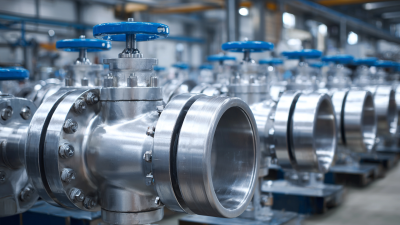
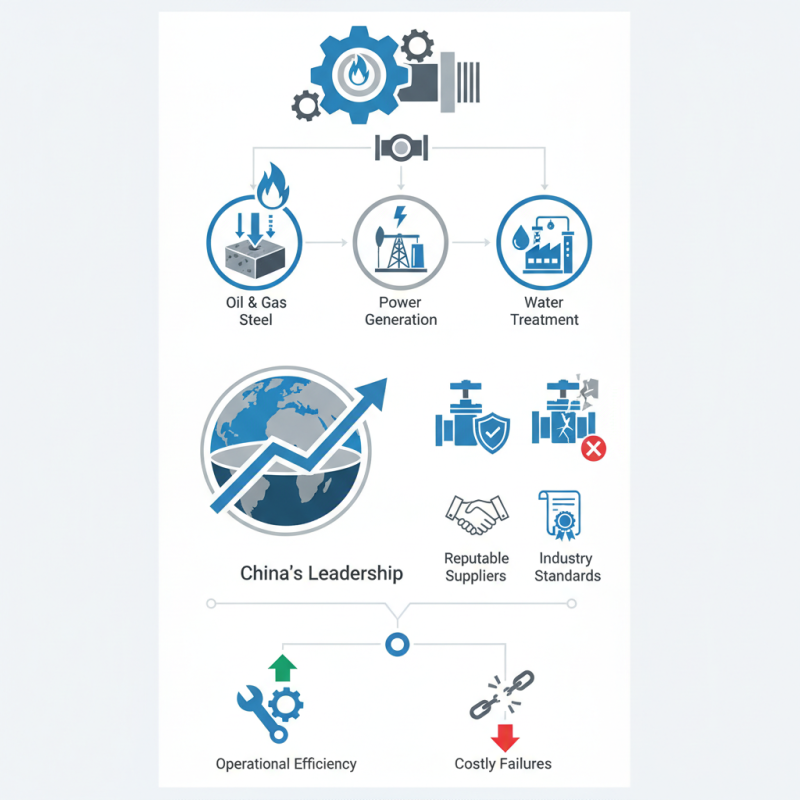
China has established itself as a leader in manufacturing forged steel valves. These components are vital in various industries, ensuring fluid control and pressure management. Understanding the intricacies of forged steel valves can help businesses make informed decisions.
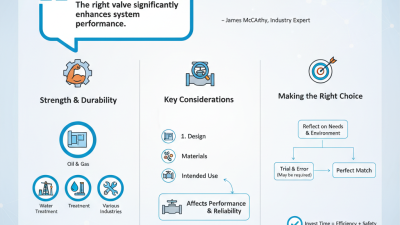
Forged steel valves are known for their durability and strength. They are often used in demanding environments, such as oil and gas, power generation, and water treatment. The manufacturing process involves high heat and pressure, resulting in a dense structure that can withstand harsh conditions.
However, not all forged steel valves are created equal. Variations in manufacturing quality and materials can affect performance. It's essential to partner with reputable suppliers who adhere to industry standards. This ensures reliability and longevity in your applications. A thoughtful approach to selecting forged steel valves can prevent costly failures and enhance operational efficiency. Understanding these nuances is key to leveraging the benefits of forged steel valves effectively.
Overview of Forged Steel Valves in China
Forged steel valves are critical components in various industries, particularly in China. They are known for their superior strength and durability. In 2022, China's forged steel valve market was valued at approximately $10 billion. This reflects a substantial growth trend in recent years, driven by demand from sectors like oil and gas, petrochemicals, and water treatment.
However, challenges persist. Production quality can vary significantly among manufacturers. Many companies prioritize cost savings over quality, leading to inferior products. According to a report by the China Valve Association, 15% of forged steel valves do not meet industry standards. This raises concerns about reliability and safety in critical applications.
Technological advancements are enhancing manufacturing processes. Automation and improved forging techniques increase precision and consistency. Still, the industry faces issues like skill shortages and fluctuating raw material costs. Experts suggest that addressing these challenges is vital for sustaining growth. Innovation is essential to maintain competitiveness in the global market.
Key Manufacturers of Forged Steel Valves in China
When exploring the landscape of forged steel valves in China, it’s essential to recognize key manufacturers that dominate the sector. These companies excel in producing high-quality valves tailored to various industrial applications. They emphasize durability, precision, and adherence to international standards. Understanding their capabilities can help you choose the right supplier for your needs.
Tips: Look for manufacturers with certifications. Quality assurance can significantly impact your project outcomes. Engaging with suppliers who verify their products through third-party testing ensures a high level of reliability.
Moreover, many manufacturers focus on innovation. They invest in research and development to produce valves that meet evolving market demands. However, it’s crucial to evaluate their technological advancements critically. Not all innovations guarantee performance improvements, so firsthand reviews and case studies can provide valuable insights.
Tips: Seek customer testimonials and feedback. Real-world experiences from other users can highlight potential shortcomings in specific products or companies, helping you make informed decisions. Regularly reassess your supplier relationships to ensure they align with your quality standards and operational needs.
China Top Forged Steel Valves What You Need to Know - Key Manufacturers of Forged Steel Valves in China
| Manufacturer Location |
Annual Production Capacity (tons) |
Types of Valves Produced |
Export Markets |
Years in Operation |
| East China |
15000 |
Ball, Gate, Globe |
North America, Europe |
20 |
| South China |
12000 |
Butterfly, Check |
Asia, Middle East |
15 |
| North China |
10000 |
Pressure Relief, Stainless Steel |
South America, Africa |
25 |
| Central China |
8000 |
High Pressure, Pneumatic |
Australia, Japan |
10 |
Advantages of Using Forged Steel Valves
Forged steel valves are increasingly popular in various industries. Their strength and durability make them ideal for high-pressure applications. According to a recent report by MarketsandMarkets, the global valve market is expected to reach $100 billion by 2026, with forged steel valves making up a significant portion of this growth.
One of the key advantages of forged steel valves is their resistance to corrosion and wear. This means they last longer, reducing replacement costs. They can withstand extreme temperatures and pressures. Additionally, the manufacturing process enhances their molecular structure, leading to increased toughness. A study by Valcor Engineering indicates that forged steel valves can handle pressures 40% higher than cast valves.
Another benefit is their versatility. Forged steel valves are used in oil and gas, power generation, and water treatment. Their adaptability makes them a preferred choice for engineers. However, it is crucial to consider the specific needs of each application. Not every situation may favor the high cost associated with forged steel valves. Therefore, thorough analysis and expertise are essential in decision-making.
Advantages of Using Forged Steel Valves
The bar chart above illustrates the advantages of using forged steel valves, highlighting their exceptional durability, corrosion resistance, pressure handling capabilities, weight reduction benefits, and cost efficiency. Each metric reflects the performance and reliability that forged steel valves offer in various applications.
Applications of Forged Steel Valves in Various Industries
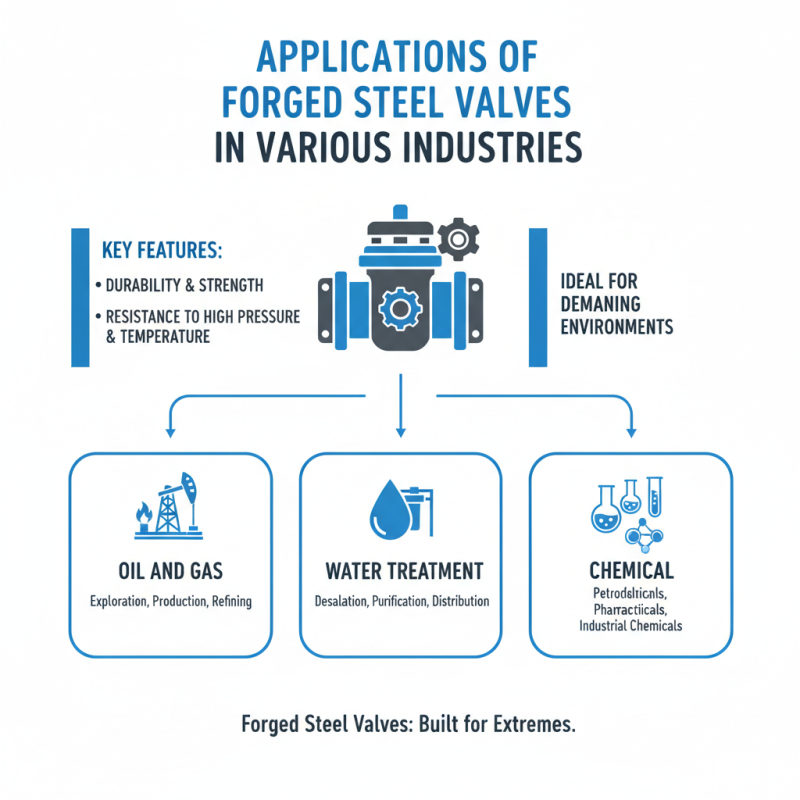
Forged steel valves are crucial in various industries. They are known for their durability and strength. These valves are widely used in oil and gas, water treatment, and chemical processing sectors. Their resistance to high pressure and temperature makes them ideal for demanding environments.
In oil and gas, forged steel valves control flow and regulate pressure. They ensure safe and efficient operations. In water treatment plants, these valves manage the flow of water, preventing contamination. Each valve plays a vital role in maintaining water quality.
Tips: Regular maintenance of forged steel valves is essential. This ensures long-lasting performance and reliability. Check for signs of wear or damage periodically. It’s also important to choose the right valve for specific applications. Each industry has unique requirements that should be considered.
In chemical processing, these valves handle aggressive substances. The materials must be compatible with chemicals to prevent leaks. Even with their robust design, operators should remain vigilant. There can be unexpected challenges, and each scenario requires careful monitoring. Understanding these dynamics is key for success.
Quality Standards and Certifications for Chinese Forged Steel Valves
When considering the purchase of forged steel valves, understanding quality standards is essential. Chinese manufacturers often adhere to various certifications that demonstrate their commitment to quality. Common standards include ASME, API, and ISO. These certifications ensure that the valves can withstand high pressures and temperatures. They are critical for applications in oil, gas, and water treatment industries.
Tips: Always check for certification labels. They are proof of the manufacturer’s compliance with international standards.
Another vital aspect is the material quality of the valves. High-quality forged steel valves are made from alloy steel or stainless steel. These materials offer superior strength, corrosion resistance, and durability. However, not all manufacturers maintain the same level of quality control. It’s necessary to request detailed specifications and test reports.
Tips: Don’t hesitate to ask for samples. Physical inspection can reveal a lot about the construction and finish of the product.
The importance of selecting certified suppliers cannot be overstated. Engaging with reputable manufacturers reduces the risk of receiving inferior products. Always conduct thorough research and consider third-party reviews to ensure reliability.




 Zalo
Zalo