How to Choose the Right Din Bellows Sealed Globe Valves for Your Needs?
Choosing the right Din Bellows Sealed Globe Valves requires careful consideration. Experts in the field highlight the importance of understanding your specific requirements. Dr. Amelia Lane, a renowned engineer in valve technology, states, "Selecting the right valve can significantly impact system efficiency and longevity."
The selection process begins with comprehending the working conditions. Factors like temperature, pressure, and type of fluid are vital. Din Bellows Sealed Globe Valves offer unique advantages, such as preventing leakage and providing reliable performance. Users often overlook these details, which can lead to costly mistakes.
Additionally, compatibility with existing systems is crucial. It is important to consider installation requirements and maintenance practices. Many professionals learn the hard way that not all valves perform as expected in real-world conditions. A thoughtful approach can mitigate issues and enhance overall functionality. Remember, making informed choices is key to achieving lasting results with Din Bellows Sealed Globe Valves.

Understanding the Functionality of Din Bellows Sealed Globe Valves
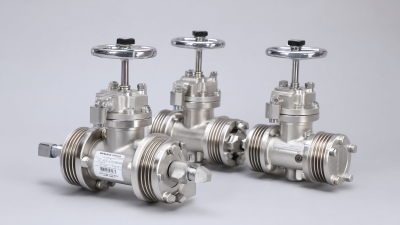
Din bellows sealed globe valves are essential in various industries. They control the flow of liquids and gases effectively. Their design includes a bellows that prevents leakage. This feature is crucial for maintaining system integrity and safety.
Understanding their functionality is vital before making a selection. When fluid flows through these valves, the bellows act as a barrier. This minimizes risks associated with leakage. They excel in high-pressure applications. The bellows can handle extreme temperatures without compromising performance.
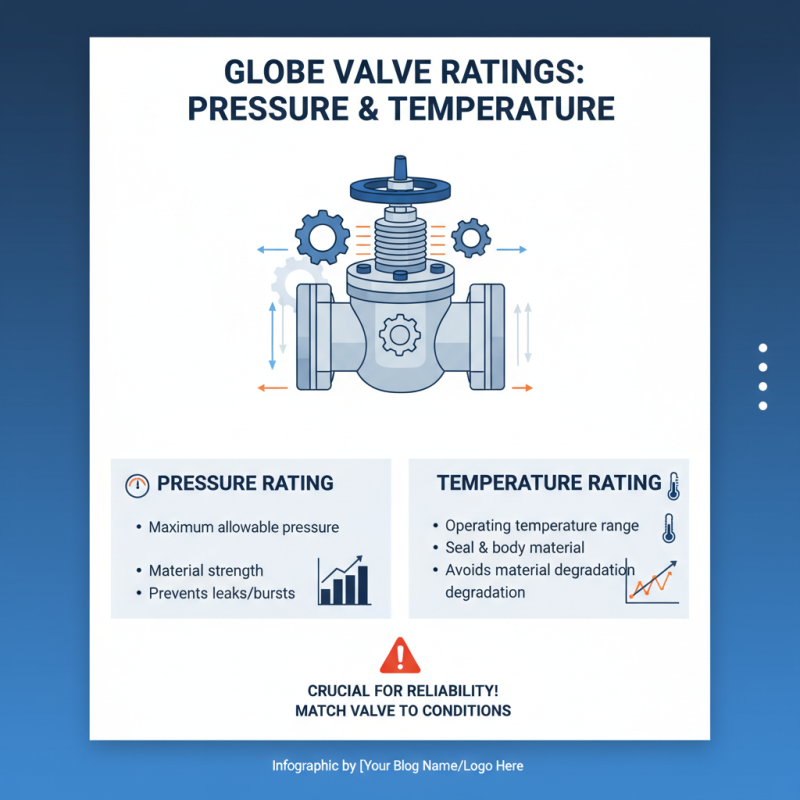
Choosing the right valve involves considering specific conditions. Evaluate the media to be controlled. Corrosive substances may require special materials. Pay attention to the pressure and temperature limits. These factors influence the valve's longevity and reliability. A poorly selected valve can lead to system failures. Hence, a thorough assessment of your needs is necessary.
Comparison of Din Bellows Sealed Globe Valves Characteristics
This chart illustrates the comparison of different sizes of DIN bellows sealed globe valves based on their pressure and temperature ratings. The values provided are indicative of the performance characteristics to help you select the right valve for your application.
Key Factors to Consider When Choosing Din Bellows Sealed Globe Valves
When selecting DIN bellows sealed globe valves, several critical factors come into play. The first aspect to consider is the application. Different industries have varying requirements, such as temperature and pressure limits. Knowing your specific conditions ensures you choose a valve that suits your operational needs.
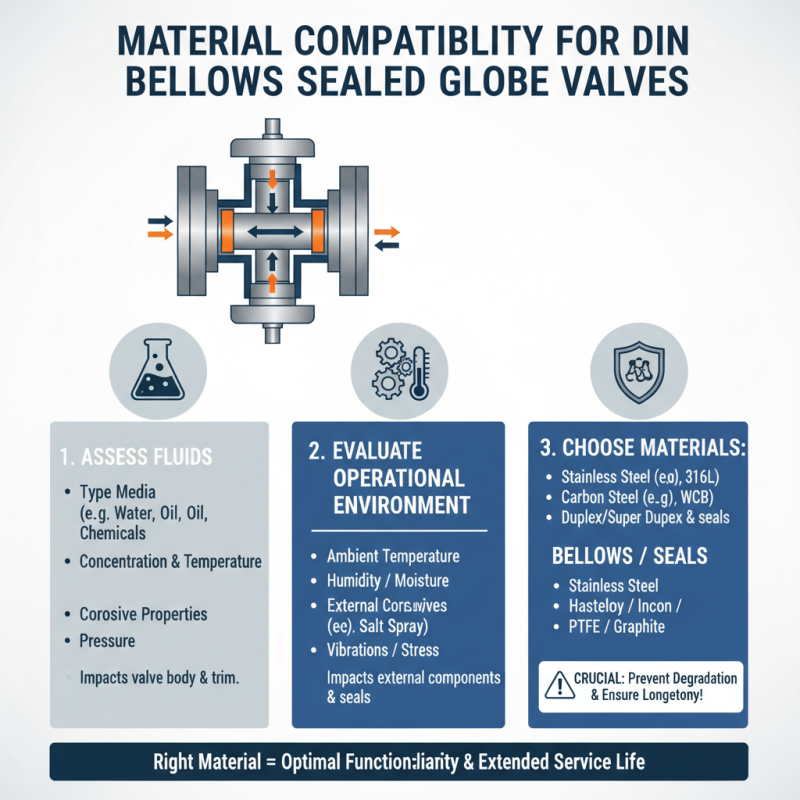
Material compatibility is another key consideration. The valve's materials must withstand the fluids being handled. A mismatch can lead to premature failure, which may incur significant costs. Evaluate the chemical properties of the processes involved to avoid unforeseen issues.
Finally, the size and flow capacity of the valve are crucial. An oversized valve can cause inefficiencies, while an undersized one may restrict flow. Accurate measurements and calculations are essential here. Many overlook these dimensions, leading to operational challenges later on. Each choice plays a role in overall system performance, so careful thought is necessary.
Assessing Material Compatibility for Your Application Needs
Choosing the right material for DIN bellows sealed globe valves is crucial. It directly impacts their functionality and longevity. Compatibility must be assessed based on the fluids involved and the operational environment. For example, valves used in corrosive applications may require a stainless steel body or special coatings to prevent degradation.
Research indicates that 75% of valve failures stem from material incompatibility. This underlines the importance of testing and verifying material properties. A material's resistance to temperature, pressure, and specific chemical interactions is key. Detailed compatibility charts and reports can provide valuable insights.
Consider the application carefully. Sealing materials, such as elastomers, could suffer from exposure to certain chemicals. They might fail prematurely if not compatible. Regular evaluations of chemical properties can help in identifying potential risks. There is no one-size-fits-all solution, and outdated materials may lead to operational issues. Adapting to evolving material technology and conducting periodic reviews ensures better performance and reliability in the field.
Comparing Cost and Quality to Make an Informed Decision
When selecting DIN bellows sealed globe valves, understanding cost and quality is crucial. A recent industry report indicates that valve performance can vary significantly with cost. The report shows that lower-cost options may lead to failures, resulting in expensive system overhauls. For instance, 78% of companies reported increased downtime due to valve leakage from subpar products. Investing in higher quality valves can mitigate these risks.
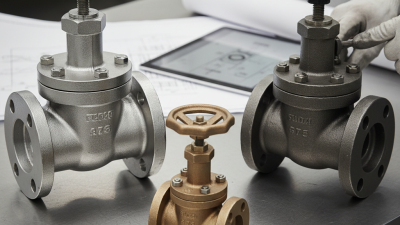
Quality factors include material composition and manufacturing standards. Valves made from premium alloys and adhering to stringent quality controls often last longer. According to studies, quality valves have a lifespan that is 30% greater than their cheaper counterparts. However, initial costs for durable valves are often higher. Budget constraints may push buyers toward cheaper alternatives, potentially leading to higher long-term costs due to replacements.
Shopping around is essential. Seek out technical specifications and user reviews. Some valves may sound similar but differ significantly in reliability. A thorough evaluation of the cost-benefit ratio is necessary. It is common for companies to overlook this, resulting in poor purchasing decisions. Remember, balancing cost and quality requires diligence and informed choices.




 Zalo
Zalo