How to Choose the Right Din Globe Valves for Your Needs?
Choosing the right Din Globe Valves is crucial for various industries. Expert Mark Thompson, a renowned valve specialist, emphasizes, "Selecting the appropriate valve can enhance both efficiency and safety." Din Globe Valves are essential components in regulating flow and pressure in pipelines. With many options available, determining the best type for your system requires careful consideration.
When evaluating Din Globe Valves, factors such as material, size, and application play significant roles. Each valve type serves a unique purpose in fluid management. Understanding these differences ensures better operational reliability. Yet, the sheer variety of choices can confuse. Many overlook critical details, leading to suboptimal performance.
Balancing cost and quality is another common challenge. Sometimes, less expensive options seem appealing. However, investing in high-quality Din Globe Valves is wise in the long run. They provide better durability and efficiency. Failing to do so can result in higher maintenance costs and system failures. Therefore, a thoughtful approach is essential when selecting Din Globe Valves for your needs.
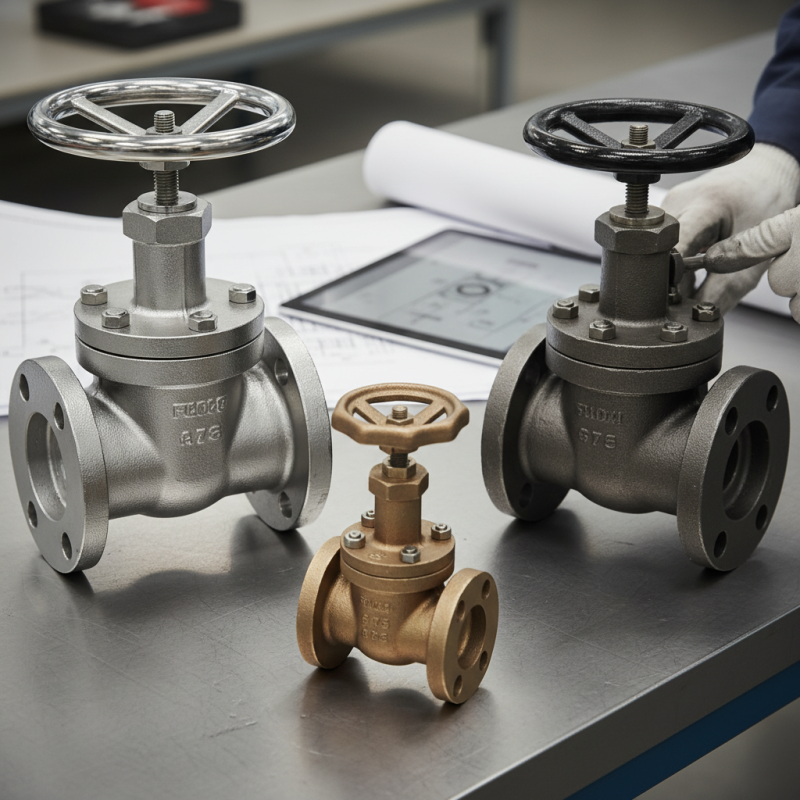
Understanding Din Globe Valves: Types and Applications
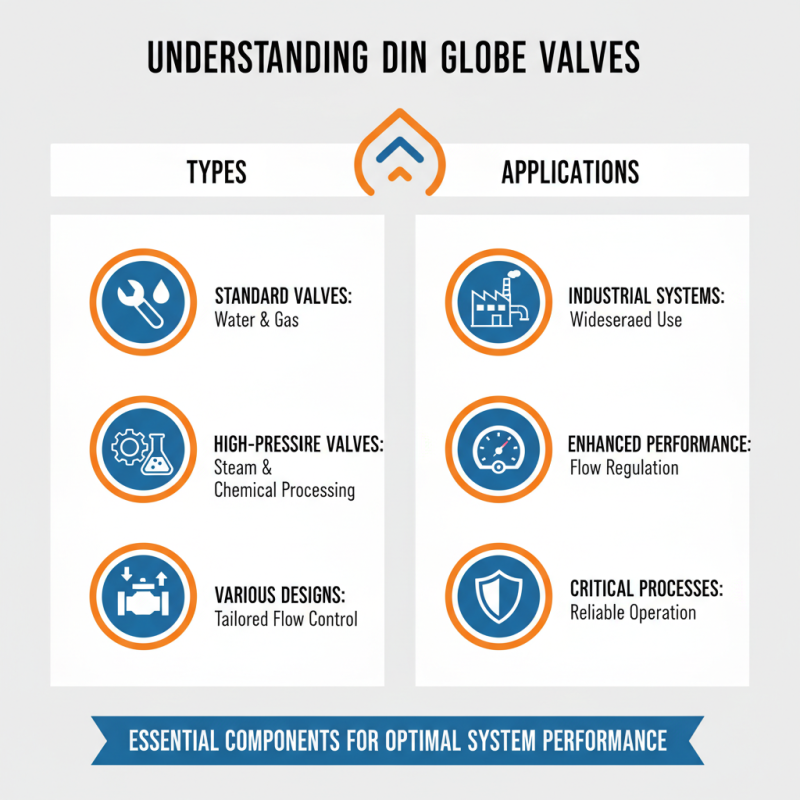
Din globe valves are essential components in many industrial applications. Understanding their types and uses can greatly enhance system performance. There are several types of Din globe valves, each tailored for specific purposes. For instance, standard valves are common in water and gas applications. However, high-pressure valves are necessary for steam or chemical processing.
The material of the valve is crucial. Bronze and stainless steel are popular choices due to their durability and resistance to corrosion. In contrast, plastic valves might be suitable for less demanding environments. Choosing the wrong material can lead to leakage or failure.
Operation of globe valves can vary. Manual handles offer direct control, while actuated options provide automation. It's important to assess the operational environment. The pressure and temperature levels can greatly influence the valve's performance. Always consider the specific requirements of your application. Don't underestimate the importance of these details. A well-chosen valve enhances safety and efficiency.
Key Factors to Consider When Choosing Din Globe Valves
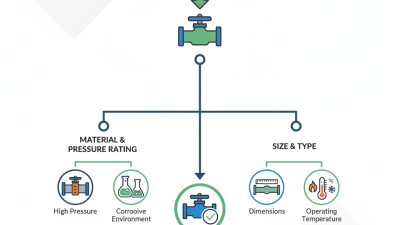
Choosing the right DIN globe valves requires careful consideration of various factors. One important element is the material of the valve. Different applications may require specific materials to withstand corrosion or high temperatures. Stainless steel is a popular choice for its durability and resistance to oxidation, while brass might be better for low-pressure applications.
Another key factor is the valve size. Ensure you select a size that matches your piping system. An oversized valve can lead to flow restrictions, while an undersized valve may cause pressure loss. Pay attention to the pressure ratings as well. Make sure your selected valve can handle the pressure levels in your system.
Tips:
Consider the fluid type as well. Some fluids may require specific sealing materials to prevent leaks. Always check compatibility with the valve material. Also, installation ease is vital. A valve that fits your system seamlessly will save time and reduce potential issues.
Evaluate the manufacturer’s reputation. Look for reviews or professional recommendations before making a purchase. This ensures reliability and good performance. Remember, choosing the right valve is not just about immediate needs. Think long-term about maintenance and potential changes in your system.
Material Selection for Durability and Compatibility
Selecting the right material for DIN globe valves is crucial for ensuring durability and compatibility. Various materials are available, including stainless steel, cast iron, and brass. Each material offers different benefits and drawbacks.
Stainless steel is known for its corrosion resistance, making it suitable for harsh environments. However, it can be more expensive than other materials.
Cast iron is sturdy but may corrode if not properly maintained.
Brass provides excellent sealing properties but has limitations in high-temperature applications.
Compatibility with the fluid medium is another key consideration. For instance, if the valve will handle acids or alkaline fluids, ensure the material can withstand those corrosive properties. A mismatch can lead to premature failure, which is costly.
Talk to experts in the field. They can guide material choices based on operational conditions and fluid characteristics.
Be wary of oversimplifying the selection process.
Each application is unique, and proper evaluation is necessary to avoid mistakes. This awareness will enhance the performance and longevity of the valves while ensuring they function as intended.
Sizing and Pressure Considerations in Din Globe Valves
Sizing and pressure considerations are crucial when selecting din globe valves. The right size impacts flow efficiency and pressure drop. A valve that is too large can lead to turbulence, causing wear over time. Conversely, a smaller valve may restrict flow, resulting in inadequate system performance. Understanding the requirements of your application should guide your decision.
Pressure ratings are equally important. Each globe valve has a specific pressure limit. Exceeding this can lead to valve failure or leaks. Check the system’s pressures regularly. This ensures that the chosen valve remains within operational limits. It's also wise to consider factors like temperature and fluid characteristics. These can affect valve performance and longevity.
Installation plays a key role as well. Improper setup can lead to unexpected issues, like leakage or pressure loss. Remember, each installation is unique. Custom solutions might be necessary, making it essential to consult industry standards or experts. Reflecting on past installations may reveal oversights. Consistent evaluation helps maintain optimal operation over time.
Maintenance Tips for Optimizing Valve Performance
Maintaining the performance of DIN globe valves is crucial for efficient operation. Regular inspection can uncover potential issues early. Look for signs of wear or corrosion. If the valve is leaking or stiff, it may need immediate attention. Keeping the operating environment clean helps too. Dirt and debris can hinder valve function.
Regular lubrication is vital. A well-lubricated valve operates smoothly. Be cautious with the type of lubricant used, as some may degrade valve materials. Inspecting seals and packing periodically ensures integrity. Avoiding over-tightening can help prevent damage to components.
Testing the valve under actual operating conditions can reveal performance issues. It's essential to assess how it reacts in real scenarios. Pay attention to the pressure drops across the valve. If results differ from expectations, adjustments may be necessary. Reflection on your system's needs will inform the best maintenance practices for your valves.
How to Choose the Right Din Globe Valves for Your Needs? - Maintenance Tips for Optimizing Valve Performance
| Valve Type |
Size (mm) |
Material |
Pressure Rating (PN) |
Temperature Range (°C) |
Application |
| Globe Valve A |
50 |
Carbon Steel |
16 |
-10 to 120 |
Water, Oil |
| Globe Valve B |
65 |
Stainless Steel |
25 |
-40 to 150 |
Chemical Processing |
| Globe Valve C |
80 |
Bronze |
20 |
0 to 180 |
HVAC |
| Globe Valve D |
100 |
Ductile Iron |
10 |
-20 to 140 |
Wastewater Treatment |




 Zalo
Zalo