How to Choose the Right Forged Steel Valves for Your Applications?
In the ever-evolving field of industrial applications, selecting the right Forged Steel Valves is crucial for ensuring efficiency and safety. As John Smith, an expert in valve manufacturing, states, "The right valve makes all the difference in performance and longevity."
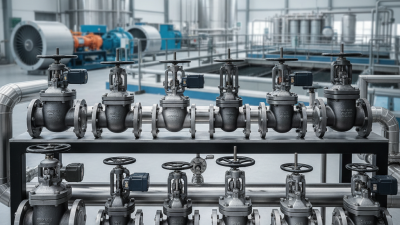
Forged Steel Valves, known for their durability and strength, are widely used in high-pressure environments. Understanding their varied functionalities can be overwhelming. Each application requires specific valve characteristics, which can significantly impact operational success.
However, not all Forged Steel Valves are created equal. Factors such as pressure rating, temperature tolerance, and material composition need careful consideration. Many fail to factor in these critical elements, resulting in poor performance. This highlights the necessity for informed choices, backed by reliable expertise in the industry. Prioritizing quality and application suitability will ultimately lead to better outcomes in valve selection.
Understanding Forged Steel Valves and Their Benefits
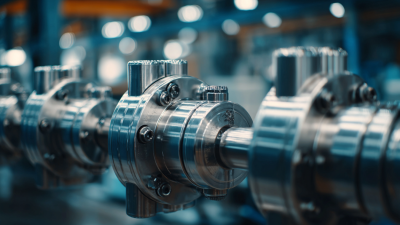
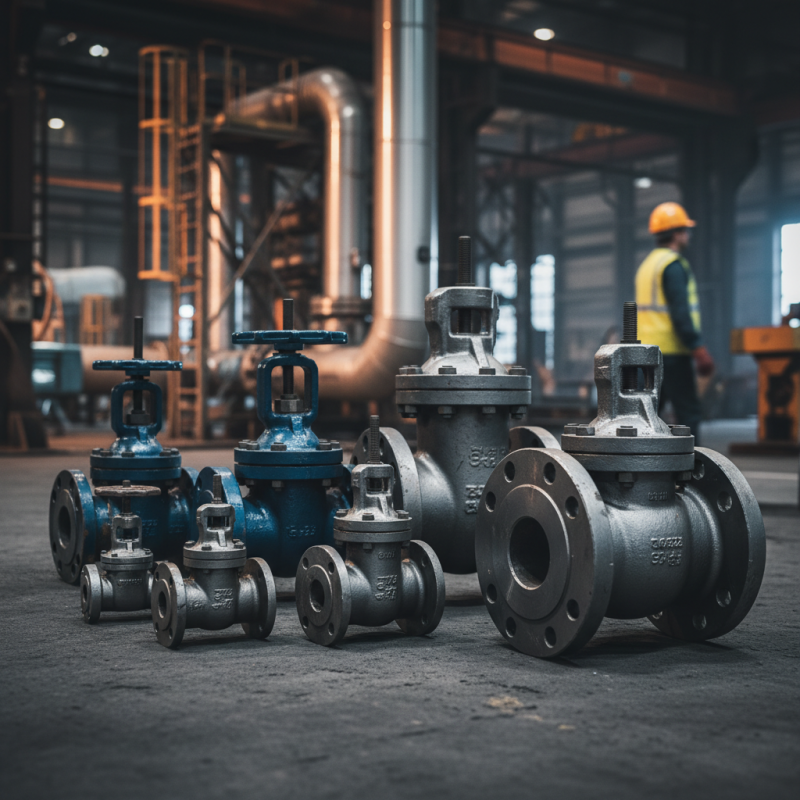
Forged steel valves are essential components in various industries due to their durability and reliability. These valves are made through a process that includes heating and shaping steel, which enhances its mechanical properties. According to industry reports, forged steel valves can handle high pressures and temperatures, making them ideal for oil and gas, chemical processing, and power generation applications. Their ability to withstand extreme conditions ensures a longer service life and reduced maintenance costs.
The benefits of forged steel valves extend beyond their strength. They exhibit excellent corrosion resistance and can be customized to meet specific application needs. Studies show that using forged steel valves can lead to a decrease in failure rates by nearly 30%. This statistic emphasizes their value in critical systems where safety and efficiency are paramount. However, selecting the right valve requires careful consideration of the operating environment and the fluid dynamics involved.
While forged steel valves are often the go-to choice, they are not without drawbacks. Their initial cost is higher than other valve types, which can be a barrier for smaller projects. Additionally, improper installation can lead to performance issues, prompting the need for expert guidance. Understanding these factors is crucial for making informed decisions about your valve selection process.
How to Choose the Right Forged Steel Valves for Your Applications?
| Valve Type |
Pressure Rating (ANSI) |
Temperature Range (°F) |
Applications |
Material Grade |
| Gate Valve |
150 to 2500 |
-20 to 450 |
Oil & Gas, Water Supply |
ASTM A105 |
| Globe Valve |
150 to 600 |
-20 to 450 |
Power Plants, Chemical Processing |
ASTM A216 WCB |
| Ball Valve |
150 to 2500 |
-40 to 450 |
Food Industry, Water Systems |
ASTM A351 CF8 |
| Check Valve |
150 to 1500 |
-20 to 600 |
Pipelines, HVAC Systems |
ASTM A352 LCC |
| Butterfly Valve |
150 to 300 |
-20 to 300 |
Water Treatment, Air Systems |
ASTM A48 |
Key Factors to Consider When Selecting Forged Steel Valves
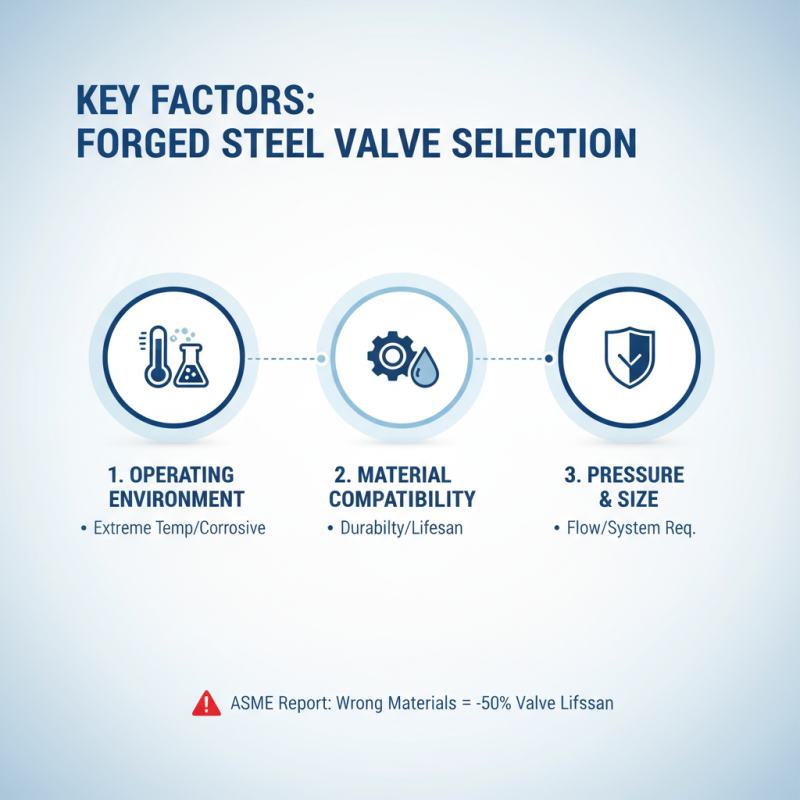
When selecting forged steel valves, several key factors deserve careful consideration. The operating environment plays a crucial role. For instance, valves exposed to extreme temperatures or corrosive substances require specific materials to ensure durability. According to a report by the American Society of Mechanical Engineers (ASME), using the wrong materials can significantly reduce valve lifespan, sometimes by over 50%.
Another important aspect is the valve's pressure rating. Valves must match the pressure requirements of your system to function effectively. A mismatch can lead to leaks or catastrophic failures. The engineering community recommends consulting pressure ratings provided by organizations like the American National Standards Institute (ANSI) for guidance.
Tips: Always check for industry certifications or compliance with standards. Valves with third-party testing are often more reliable. Additionally, consider the long-term costs associated with maintenance and replacement. Investing in quality forged steel valves may incur a higher upfront cost, but it pays off in the long run. Remember, failure to address these factors can lead to costly downtime and safety risks. Evaluate your needs thoroughly before making a decision.
Different Types of Forged Steel Valves and Their Applications
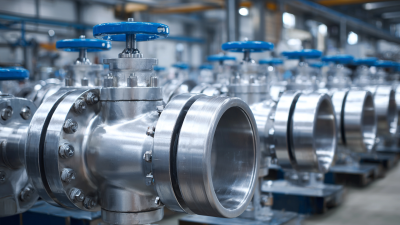
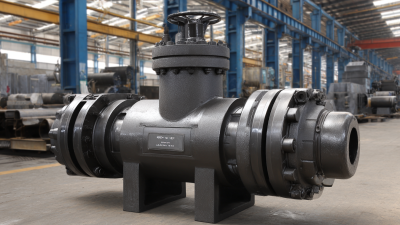
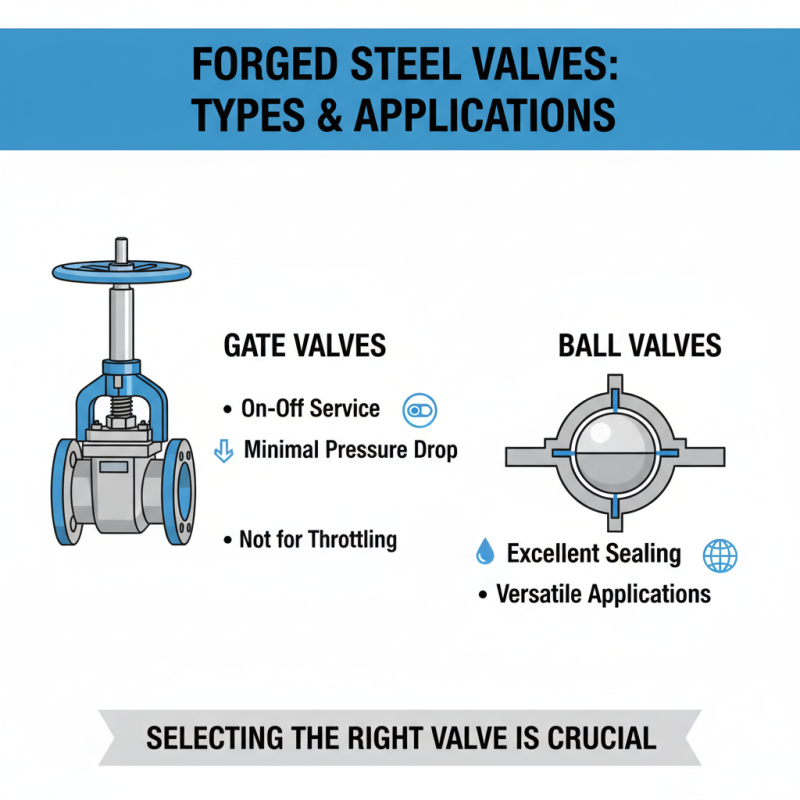
When selecting forged steel valves, understanding their types and applications is crucial. There are several designs, each suited for specific functions. Gate valves are common for on-off services. They offer minimal pressure drop but aren’t ideal for throttling. Ball valves are another popular choice. They provide excellent sealing and are versatile in various environments.
Butterfly valves, known for their compact design, are often used in large piping systems. They allow for quick operation. However, their sealing may not always be perfect in extreme conditions. Globe valves are favored for flow regulation. Their design facilitates adjustments but can lead to increased pressure loss.
It's essential to consider the operating environment as well. High temperatures and corrosive substances demand special attention. Not all forged steel valves provide the same level of durability. Performance can vary based on manufacturing standards. Choosing the right valve requires balancing factors like flow requirements, pressure ratings, and maintenance needs. Each application might reveal a need for reflection on better choices.
Common Industries Utilizing Forged Steel Valves
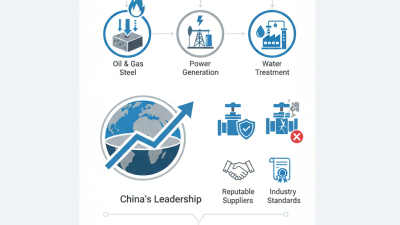
Forged steel valves are crucial in various industries. These valves provide strength and durability in high-pressure applications. Industries such as oil and gas, power generation, and water treatment heavily rely on these valves for their critical operations.
In the oil and gas sector, forged steel valves ensure safe and efficient flow management. They help withstand extreme temperatures and corrosive environments. The right choice can prevent costly failures. In power generation, these valves control steam and gases. Their reliability is vital for operational efficiency. Water treatment facilities also utilize forged steel valves for maintaining fluid integrity and pressure.
Tips for choosing the correct valve include evaluating material compatibility. Determine the media type and temperature. Look for certifications that guarantee quality. Sometimes, less expensive options appear appealing but may lack longevity. Always consider long-term costs versus initial investment. Use expert recommendations cautiously, even if they seem straightforward. Reflect on past choices to improve future decisions. Each application is unique, and a tailored approach often yields better results.
Maintenance Tips for Ensuring Longevity of Forged Steel Valves
Forged steel valves are critical in many industrial applications, from oil and gas to water treatment. Proper maintenance ensures their longevity and operational efficiency. Regular inspection helps identify wear and tear early. A report by the American Society of Mechanical Engineers states that 70% of valve failures result from inadequate maintenance. Understanding this is crucial.
Routine maintenance includes cleaning, lubrication, and checking for leaks. Contaminants can cause significant damage over time. Industry surveys indicate that 60% of operators neglect these essential tasks. Using high-quality lubricants can reduce friction and prolong valve life. Additionally, frequent performance evaluations help detect issues before they escalate.
Training staff on valve maintenance is essential. Proper education reduces operational risks. Unfortunately, many companies overlook this, leading to avoidable failures. Implementing a structured maintenance program could improve reliability by over 30%, according to a recent analysis. Prioritizing maintenance can save resources and optimize the lifespan of forged steel valves.




 Zalo
Zalo