How to Choose Bs 5163 Non-Rising Stem Resilient Seated Gate Valves?
Choosing the right Bs 5163 Non-Rising Stem Resilient Seated Gate Valves can be daunting. Experts recommend careful consideration. John Smith, a fluid control specialist, once stated, “Selecting the right valve enhances system performance.” This highlights the importance of proper choices in the industry.
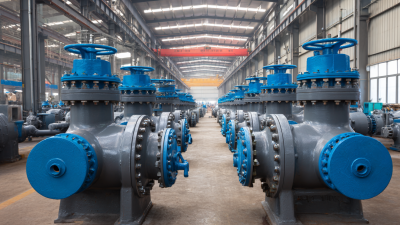
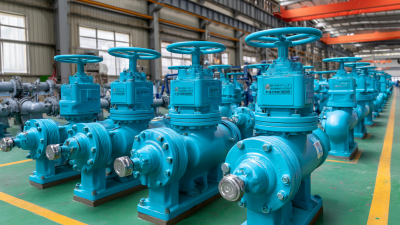
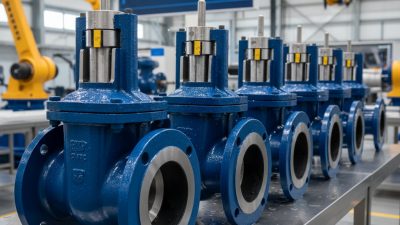
The Bs 5163 Non-Rising Stem Resilient Seated Gate Valves are vital for various applications. These valves provide reliable sealing and are ideal for water supply systems. Their design prevents rising stems, making them suitable for confined spaces. However, not all valves meet quality standards.
When exploring options, users must assess material quality and manufacturer reputation. Attention to detail matters, as overlooking small specifications can impact functionality. Ensuring reliable performance requires thoughtful evaluation. Understanding the common pitfalls can lead to better decision-making in the long run. Balancing cost and efficiency is crucial in the selection process.
Understanding the Basics of Bs 5163 Non-Rising Stem Gate Valves
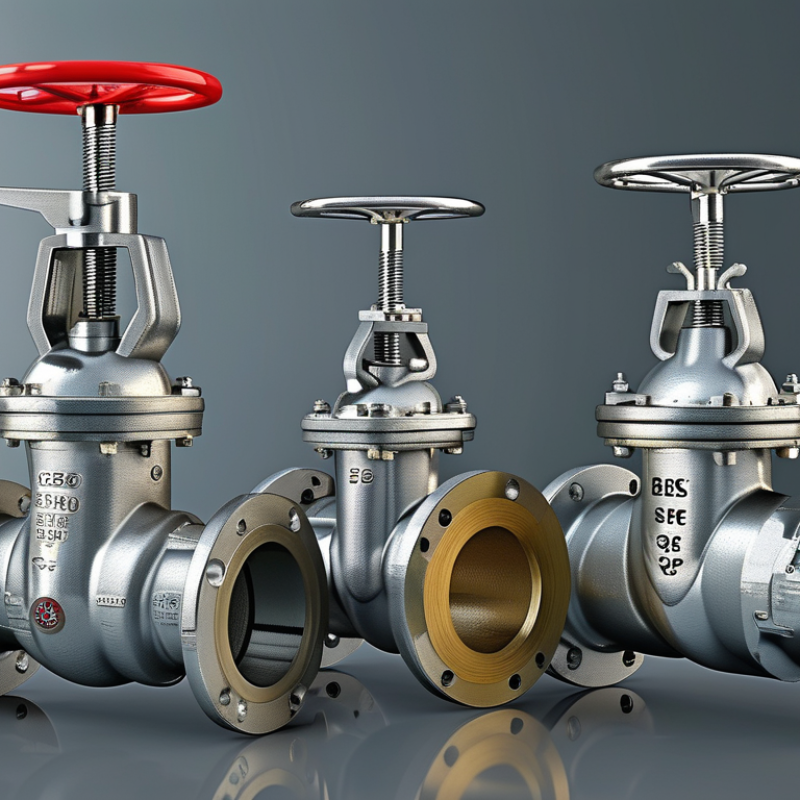
Understanding the basics of BS 5163 non-rising stem gate valves is essential for making informed decisions. These valves are designed to control fluid flow in various pipelines. They are particularly suitable for applications where space constraints or other factors prevent the installation of rising stem valves.
BS 5163 valves operate efficiently under high pressure and temperature conditions. They typically feature a resilient seated design, providing a tight seal to prevent leaks. The construction materials are crucial, as they determine the valve's durability and resistance to corrosion.
According to industry reports, the global valve market is projected to grow at a CAGR of 5.1% through 2025. This reflects the increasing demand for reliable valve solutions across industries.
Selecting the right valve requires considering specific application needs. Not all environments are the same. In some cases, contamination or fluid type may impact valve performance. Users should ensure they understand these factors. Misunderstanding the requirements could lead to premature valve failure. Regular maintenance is also vital to ensure these valves perform optimally over time. Proper installation and operation cannot be overlooked, as they significantly affect longevity and efficiency.
Key Features of Resilient Seated Gate Valves Explained
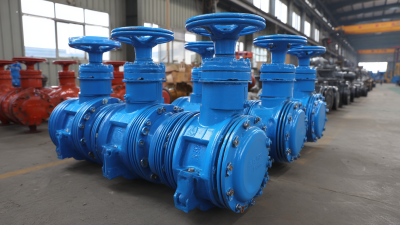
When selecting resilient seated gate valves, understanding their key features is crucial. These valves are designed for reliability and efficiency in various applications. One significant aspect is their robust construction, often made from ductile iron, which enhances durability. A resilient seated valve features a rubber gasket that provides a wATERTIGHT seal. This design minimizes leakage and offers smooth operation.
Another important feature is the non-rising stem. This design saves space and simplifies installation in tight spots. It allows the valve to open and close without requiring extra height. The stem is usually made of stainless steel, ensuring longevity against corrosion. Maintenance becomes easier due to simple disassembly processes, as components are easily accessible.
It's essential to consider pressure ratings and temperature ranges. Not all valves are created equal in this aspect. Understanding system requirements will guide you in choosing the right valve. Be aware of potential pitfalls, like using a valve unsuited for extreme conditions. A poorly matched valve may lead to failures, resulting in costly repairs. Thoughtful selection practices will promote system reliability in the long run.
Factors to Consider When Selecting Gate Valve Sizes
Selecting the right gate valve size is critical for ensuring optimal flow control in various applications. Several factors come into play when making this decision. The diameter of the pipes in your system has a direct correlation with the valve size. In a report by the American Water Works Association, it is noted that mismatched sizes can lead to excessive pressure drops. This affects efficiency and could increase operational costs.
The pressure rating is another point to consider. Valves must withstand the system's maximum pressure without failure. According to the International Association of Plumbing and Mechanical Officials, using inappropriate ratings can lead to catastrophic leaks. An understanding of your system's requirements will guide you in selecting the correct gate valve that meets these specifications.
Additionally, the material construction of the valve must align with your fluid characteristics. Whether dealing with corrosive substances or high-temperature conditions, the valve's durability is paramount. Inadequate material choice leads to premature wear and potential system failures. Engaging with industry standards and consulting professionals can aid in making informed decisions. These insights emphasize that careful consideration is necessary to avoid costly mistakes in valve selection.
Installation Guidelines for Bs 5163 Non-Rising Stem Valves
When installing BS 5163 non-rising stem resilient seated gate valves, precise steps are vital. Begin by inspecting the site. Ensure the valve fits the intended pipeline dimensions. Look for any obstructions nearby. Clear any debris to avoid complications during installation.
Next, check the valve's orientation. The valve should be installed in a horizontal position for optimal function. Installing it upright may lead to performance issues. Use proper alignment tools to secure it. Tighten the valve nuts firmly, but avoid over-tightening. Over-tightening can damage the valve or the pipeline.
During installation, remember to adhere to industry standards. This ensures safety and functionality. If you find misalignments, reflect on the process. Adjustments might be necessary to maintain system integrity. Regular maintenance checks will help prevent future issues. Always keep an eye on leaks and the valve's overall performance for a reliable system.
Maintenance Tips for Longevity of Gate Valves in Service
Gate valves play a crucial role in various piping systems. Proper maintenance is essential for ensuring their longevity and reliability. Regular inspections can help identify issues early. Look for signs of wear, corrosion, or leaks. These problems can lead to significant failures if not addressed promptly.
Lubrication is vital for gate valve performance. Use appropriate lubricants on stem threads. This helps prevent seizing and promotes smooth operation. It's worth noting that over-lubrication can attract dirt, causing more problems. Striking a balance is key. Routine cleaning should also be part of your maintenance plan. Keeping the valve exterior clean prevents rust and enhances visibility for inspections.
Regular operational checks are necessary. Open and close the valves periodically to ensure they function as intended. Sometimes they may get stuck due to inactivity. If that happens, you may need to use some force, but be careful. Excessive force can lead to damage, further complicating maintenance efforts. Tracking all maintenance activities can help you see patterns over time and make informed adjustments.




 Zalo
Zalo