2026 Best Bs 5163 Non-Rising Stem Gate Valves for Buyers?
In the realm of industrial piping systems, the selection of gate valves plays a crucial role in ensuring efficiency and reliability. The BS 5163 Non-Rising Stem Resilient Seated Gate Valves have gained recognition for their durability and ease of installation. According to industry reports, the global gate valve market is projected to reach approximately $12.5 billion by 2026, emphasizing the growing demand for dependable valve solutions.
Manufacturers are increasingly focusing on innovation and quality. This trend enhances the performance of BS 5163 valves. These valves, known for their high resistance to corrosion and wear, are essential in various applications, from water supply to irrigation. However, it is vital for buyers to consider factors such as pressure ratings and material compatibility when making their selections.
Despite the advancements, some limitations remain in the market, such as inconsistent quality and varying standards across regions. Buyers must do their due diligence to ensure they receive reliable products. Understanding these challenges is essential to making informed choices in the evolving landscape of gate valves. The pursuit of optimal solutions in 2026 will undoubtedly shape the future of this critical component.
Overview of BS 5163 Non-Rising Stem Gate Valves
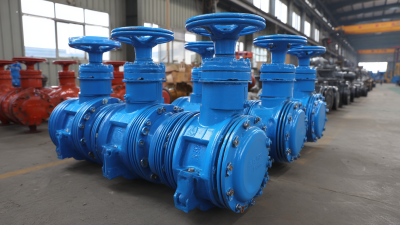
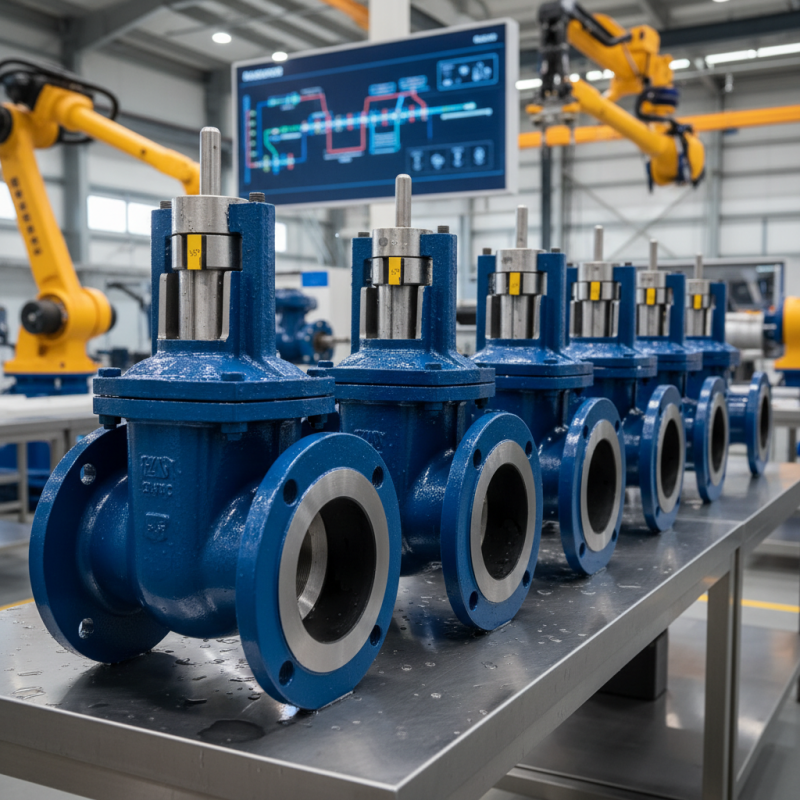
BS 5163 non-rising stem gate valves are crucial in various industrial applications. These valves are designed for full flow but do not extend above the pipeline, making them ideal for specific installations. According to industry reports, their design minimizes space requirements while maintaining efficiency.
In standard applications, these valves are often used in water supply systems. Their robust construction allows for reliable operation under pressure. Studies indicate that non-rising stem valves can extend service life by reducing wear on mechanical components. Regular maintenance checks are essential, as wear over time can lead to performance degradation.
The market shows a growing demand for these valves. Projections indicate a rise in usage in sectors like wastewater management and irrigation. However, buyers should evaluate the specifications carefully. Not all models are created equal, and some may underperform. Understanding the right application boundaries is vital to avoid disappointing results.
Key Features and Specifications of BS 5163 Valves
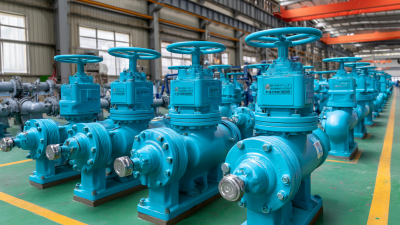
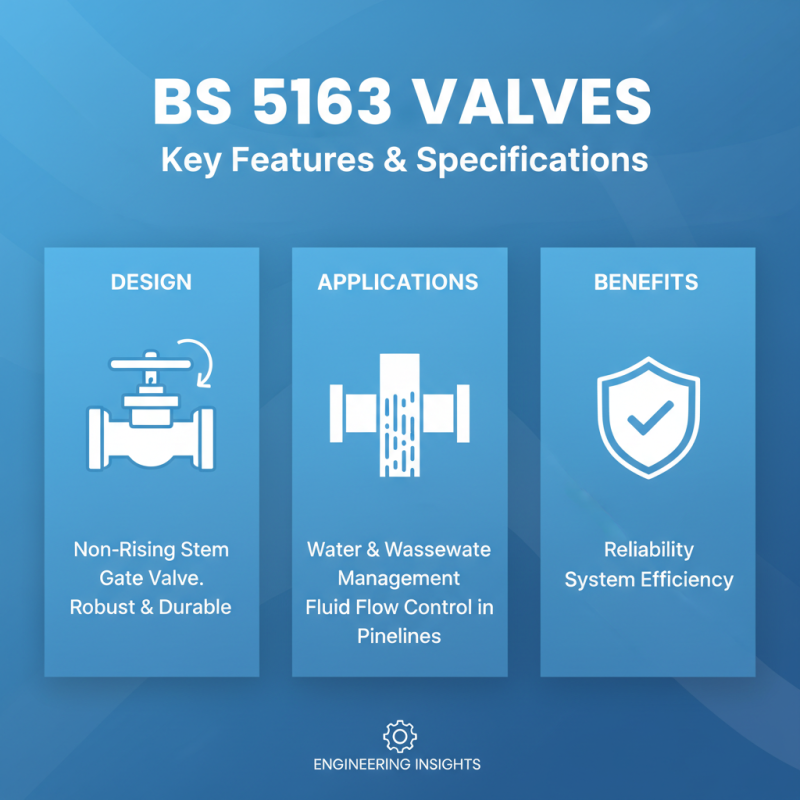
The BS 5163 non-rising stem gate valves are essential components in water and wastewater management. Their robust design ensures durability and reliability in various applications. These valves are primarily used to control fluid flow in pipelines, making them vital for maintaining system efficiency.
Key specifications include a cast iron body, which provides strength and corrosion resistance. The non-rising stem design is especially beneficial in confined spaces, allowing for installation where vertical space is limited. According to industry reports, this feature reduces the risk of potential damage caused by rising stems in tight quarters.
The valves are typically available in various sizes, accommodating a wide range of flow requirements. Many manufacturers offer options for different pressure ratings, enhancing versatility in various installations. However, buyers should carefully evaluate the specifications from different sources. A common issue is the inconsistency in manufacturing quality, which can affect performance. Ensuring compliance with relevant standards is crucial for long-term reliability.
Top Manufacturers of BS 5163 Non-Rising Stem Gate Valves in 2026
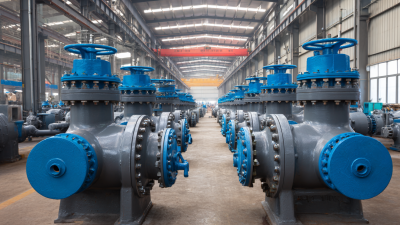
In 2026, the demand for BS 5163 non-rising stem gate valves continues to grow. These valves are crucial in controlling fluid flow in various industries. Buyers need to consider their specific requirements carefully. The design ensures minimal leakage and maximum durability, making them a reliable choice for many applications.
Several top manufacturers are setting benchmarks in quality and innovation. They offer a range of sizes, materials, and pressure ratings. However, selecting the right manufacturer can be challenging. Some brands may promise high performance but fall short in actual use. Conducting thorough research is essential. Reviews and certifications can provide valuable insights.
While many manufacturers excel, not all meet every buyer's needs. Potential buyers should analyze how these valves perform under different conditions. This reflection can lead to better purchasing decisions. After purchasing, testing under real-world conditions is advisable. Ultimately, diligence in choosing a manufacturer can significantly impact operational efficiency.
Factors to Consider When Buying BS 5163 Gate Valves
When purchasing BS 5163 non-rising stem gate valves, several key factors must be kept in mind. Start with the material selection. Common materials include ductile iron and carbon steel. These materials define the valve's durability and suitability for different environments. A report from the World Pipeline indicates that about 75% of valve failures are due to material-related issues. This statistic highlights the importance of reliable material choices.
Additionally, consider the valve’s pressure rating and temperature range. BS 5163 valves are typically rated for diverse operating conditions. They should match or exceed the operational requirements of your system. An evaluation by the International Journal of Pressure Vessels suggests that incorrect ratings lead to about 20% of premature failures. Regular maintenance is also crucial. Many valves suffer from wear and tear that can significantly impact performance.
Installation practices are another vital element. Proper installation ensures that valves operate as intended. Poor installation can cause leaks or failures, leading to costly repairs. Reports indicate that around 30% of valve problems can be traced back to installation mistakes. Understanding these factors will empower buyers to make informed choices and enhance the reliability of their systems.
Maintenance and Installation Tips for BS 5163 Valves
When it comes to installing BS 5163 non-rising stem gate valves, attention to detail is crucial. Proper maintenance prolongs the life of these valves. According to industry reports, regular inspection can reduce failures by up to 30%. It is essential to check for wear and tear, particularly in the stem and seat areas. Lubrication is needed, but over-lubrication can cause complications.
The installation process requires precision. Ensure that the valve is aligned correctly with the pipeline to avoid leaks. Incorrect installation can lead to performance issues over time. A study in the Journal of Flow Control found that improper alignment can increase maintenance costs by 25%.
Users should also consider the environmental conditions. Corrosive materials can accelerate wear. Therefore, using corrosion-resistant materials can be a valuable investment. Monitoring the valve’s performance regularly can help identify potential issues before they escalate. Remember, even the best valves need care and attention.
Maintenance Frequency for BS 5163 Non-Rising Stem Gate Valves
This chart illustrates the recommended maintenance frequency for various sizes of BS 5163 Non-Rising Stem Gate Valves. Regular maintenance is crucial for ensuring optimal performance and longevity of the valves.




 Zalo
Zalo