
Inquiry
Form loading...

China Top 10 DIN Globe Valve Manufacturers 2026

China’s valve industry continues to attract global buyers seeking dependable flow-control equipment. This guide examines the China Top 10 DIN Globe Valve Manufacturers 2026, focusing on practical manufacturing strength rather than promotional claims. It considers production capacity, engineering experience, quality systems, export performance, and after-sales support.

The selected companies are reviewed through visible evidence. This includes factory capabilities, material options, pressure ratings, machining accuracy, and inspection procedures. Attention also goes to casting quality, stem alignment, seat performance, and handwheel operation. These details matter when Din Globe Valves operate in steam, water, oil, chemical, or industrial utility systems. A reliable manufacturer should explain its testing methods clearly. Certificates alone are not enough.

Real-world suitability remains important. A supplier may offer attractive prices but struggle with documentation, delivery consistency, or customized dimensions. That weakness deserves attention. Product descriptions can also simplify difficult engineering decisions. Buyers should verify applicable DIN standards, connection types, temperature limits, pressure classes, and sealing materials before placing orders.

This ranking is intended as a practical starting point, not a permanent verdict. Manufacturer performance can change with equipment upgrades, management decisions, raw-material sourcing, and market conditions. Information should be checked directly with each supplier. Samples and inspection records help reduce uncertainty. Small details often reveal more than polished brochures. Through a balanced comparison, readers can identify manufacturers with stronger technical credibility, clearer communication, and more dependable support for long-term valve projects.
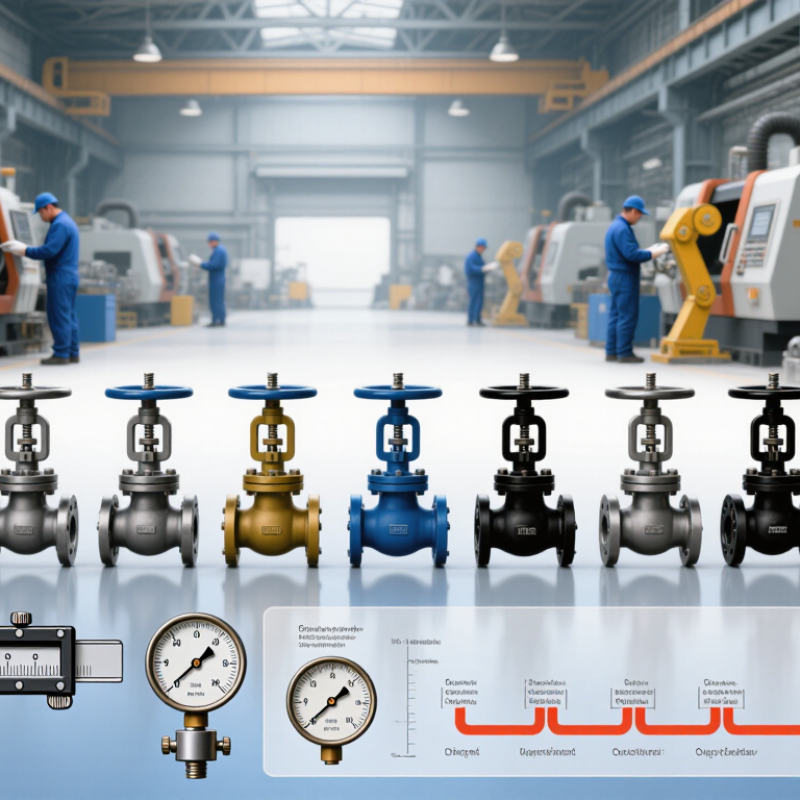
China Top 10 DIN Globe Valve Manufacturers 2026

DIN Globe Valves: Standards, Design, and Industrial Applications

China Top 10 DIN Globe Valve Manufacturers 2026 should be assessed through standards, design control, and field performance. DIN globe valves regulate flow by moving a disc against a seat. Their guided stem supports accurate throttling in steam, water, oil, and process systems. DIN EN 13709 covers many industrial globe valve requirements, while EN 558 defines face-to-face dimensions. Flange compatibility often follows EN 1092.

Design details matter in real installations. A rising stem gives visible position feedback, but it needs sufficient clearance above the valve. Bolted bonnet construction supports maintenance, while pressure-sealed designs suit demanding temperature conditions.

Trim selection depends on pressure, temperature, erosion, and fluid chemistry. Stainless steel trim can improve resistance, yet it is not automatically suitable for every medium. That assumption causes trouble.

During supplier evaluation, buyers should request material certificates, pressure-test records, dimensional drawings, and traceability documents. Testing should address shell strength, seat leakage, and functional operation under relevant conditions. I have seen valves pass factory tests but perform poorly after incorrect pipe alignment. Installation quality matters. Excessive handwheel force may indicate packing friction, stem damage, or downstream pressure imbalance. A reliable manufacturer should explain these risks clearly and provide usable maintenance data. The strongest candidates among China’s top ten are not judged by catalog size alone. Their engineering calculations, inspection discipline, response records, and application experience deserve closer attention. No design is perfect. Field feedback should still change the next design.

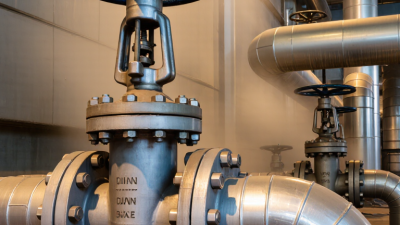
How China’s DIN Globe Valve Manufacturers Are Evaluated

China Top 10 DIN Globe Valve Manufacturers 2026

Evaluating China’s DIN globe valve manufacturers requires more than comparing catalog prices. The process begins with design compliance, material selection, and production consistency. Engineers should check whether valve dimensions match relevant DIN requirements. Pressure ratings must also suit the intended pipeline service.

A reliable evaluation includes factory audits, sample inspections, and witnessed pressure tests. Inspectors examine body castings for pores, cracks, and uneven machining. They check stainless steel or carbon steel certificates against actual heat numbers. Seat leakage testing is especially important. A valve may look precise but still fail after repeated cycling. Production records, calibration reports, and traceability systems reveal how seriously a manufacturer controls quality.

Practical experience matters.

Manufacturers with strong project histories can explain installation problems, maintenance intervals, and common failure points. Technical teams should provide clear drawings, test data, and responsive communication. Delivery performance also deserves attention, because delayed valves can disrupt an entire construction schedule. After-sales support should include troubleshooting and replacement guidance, not vague promises.

A fair ranking combines technical capability, documented quality, production capacity, delivery reliability, and service performance. No scoring model is perfect.

Public information may be incomplete, while factory conditions can change between audits. For that reason, buyers should verify recent samples and request project references before making a final judgment.

Price remains relevant, but it should not outweigh leakage control, material credibility, or long-term operating safety.

China’s Top 10 DIN Globe Valve Manufacturers in 2026

China’s Top 10 DIN Globe Valve Manufacturers in 2026 reflect a broad industrial market shaped by engineering discipline, export experience, and production consistency. The strongest manufacturers usually support DIN-compliant designs, pressure testing, material traceability, and documented inspection procedures. Their valves may serve steam lines, water treatment systems, chemical facilities, and general process pipelines.

From practical purchasing experience, buyers should examine more than catalog photographs. Check body materials, trim options, pressure classes, end connections, and operating temperature ranges. Ask for test certificates, dimensional drawings, sealing data, and evidence of batch control. A reliable factory should explain how it manages machining tolerance, seat finishing, welding, and final assembly. Factory audits can reveal details that brochures hide, such as storage conditions or calibration habits. Certification alone is not enough. That point is easy to underestimate.

Tips: Compare at least three technical quotations. Confirm the exact DIN standard and edition. Request sample inspection records before placing a large order. Discuss spare parts, packaging, delivery controls, and after-sales communication. A clear warranty process also matters, especially for valves installed in difficult locations.

The top ten should not be judged by price alone. Long-term valve performance depends on design accuracy, material suitability, operator quality, and maintenance access. Some suppliers appear impressive online but provide weak technical responses. Others have modest presentations and stronger workshop practices. Buyers should verify claims through drawings, inspection reports, reference projects, and direct factory communication. Careful evaluation creates a more reliable shortlist for 2026 procurement.

Comparing Product Quality, Certifications, and Manufacturing Capabilities

China’s DIN globe valve manufacturers are not equal in product quality. Buyers should examine body materials, trim selection, and machining accuracy. A valve may look robust but still fail under repeated thermal cycling. Check whether castings receive visual inspection, radiography, or ultrasonic testing. Material certificates should match the heat number stamped on each component. Small details matter.

Certification evidence needs careful review. ISO 9001 supports process control, but it does not prove every valve performs correctly. Ask for pressure-test records, calibration dates, and inspection plans. For European projects, verify applicable CE and pressure-equipment requirements. DIN EN 13709 alignment should be confirmed through drawings and test procedures. Certificates must cover the actual factory and product range. A copied certificate is not enough.

Manufacturing capability separates experienced suppliers from simple assemblers. Strong facilities usually operate CNC lathes, controlled welding areas, dedicated testing benches, and traceability software. Ask how they manage casting defects, sealing-surface repairs, and final packing. Factory audits can reveal practical weaknesses quickly. Look at unfinished parts, not only polished samples. Production capacity also matters during urgent orders, especially when custom pressure classes or large diameters are required. Some suppliers report impressive monthly output, yet their inspection records remain incomplete. That should invite questions, not immediate rejection. Include spare-part support, technical drawings, and response times in the comparison. A technically excellent valve still creates project delays when documentation arrives late.

China Top 10 DIN Globe Valve Manufacturers 2026

Comparing Product Quality, Certifications, and Manufacturing Capabilities

This non-branded reference chart presents standardized nominal pressure ratings commonly used for DIN/EN industrial valve selection, from PN10 to PN320. Manufacturer evaluation should also verify ISO 9001 quality systems, applicable PED requirements, EN 12266-1 or API 598 pressure testing, fugitive-emission control under ISO 15848-1, material traceability, CNC machining capability, pressure testing facilities, and documented inspection procedures.

How to Select the Right Chinese DIN Globe Valve Supplier

How to Select the Right Chinese DIN Globe Valve Supplier

China’s DIN globe valve market serves chemical, power, water, and process industries. Mordor Intelligence estimates the global control valve market could reach about USD 10.5 billion by 2030, with steady annual growth. That expansion increases choice, but also increases verification work. Do not select a supplier from catalog photos alone.

Check dimensional compliance with DIN EN 558 and flange details against DIN EN 1092-1. Request material certificates under EN 10204 3.1, including body, stem, and trim grades. Ask for pressure-test records following ISO 5208. A reliable factory should provide serial-number traceability from casting to final inspection. It should also explain the valve’s pressure-temperature limits clearly.

Inspect the production line if possible. Look for machining records, calibrated test benches, clean sealing surfaces, and protected packing. Ask how many spare parts are stocked locally or regionally. Confirm lead times in writing, including inspection and shipping dates. MarketsandMarkets reports continued investment in industrial automation, yet manual quality gaps still occur in smaller factories. That matters.

Request one sample before a large order. Measure face-to-face length and inspect the handwheel thread yourself. A supplier may pass a document review but fail practical communication. I have seen technically correct quotations hide vague gasket specifications. That is an uncomfortable warning. Compare total cost, not only the valve price. Include testing, documentation, replacement parts, and after-sales response.

China Top 10 DIN Globe Valve Manufacturers 2026 - How to Select the Right Chinese DIN Globe Valve Supplier
Rank Anonymous Supplier Profile Primary DIN Standards Nominal Size Range Pressure Classes Typical Body Materials Common Trim Materials Temperature Range End Connections Inspection & Testing Typical Lead Time Best-Fit Applications Selection Score
1 Supplier Profile 01 DIN EN 13709; DIN EN 558; EN 12266-1 DN15–DN600 PN16–PN160 Carbon steel, stainless steel, low-temperature steel 13Cr, stainless steel, Stellite-faced options -46°C to 400°C Flanged; butt-weld; socket-weld Shell, seat, backseat and functional tests; material certificates available 35–55 days Power generation, steam, process piping and general industrial service 9.2/10
2 Supplier Profile 02 DIN EN 13709; DIN EN 1092-1; EN 12266-1 DN15–DN500 PN16–PN100 WCB carbon steel, CF8M stainless steel, alloy steel 304/316 stainless steel, hardened seat surfaces -29°C to 425°C Flanged; threaded for small sizes; welded Hydrostatic and pneumatic seat testing; PMI and visual inspection on request 30–50 days Oil and gas, chemical processing, water treatment and utilities 9.0/10
3 Supplier Profile 03 DIN EN 13709; DIN EN ISO 5211; EN 12266-1 DN20–DN400 PN16–PN100 Carbon steel, ductile iron, stainless steel 13Cr, 316 stainless steel, PTFE soft-seat options -20°C to 350°C Flanged; wafer-style configurations for selected designs Pressure testing to EN 12266-1; dimensional and coating inspection 25–45 days HVAC, water systems, building services and light industrial plants 8.7/10
4 Supplier Profile 04 DIN EN 13709; DIN EN 1092-1; DIN EN 558 DN15–DN800 PN16–PN250 Forged carbon steel, alloy steel, austenitic stainless steel Stainless steel, hard-faced alloy, anti-erosion trim -46°C to 550°C Flanged; butt-weld; extended-body cryogenic options Hydrotest, seat leakage test, NDE options and traceable material documentation 45–70 days High-pressure steam, petrochemical, refinery and energy projects 8.9/10
5 Supplier Profile 05 DIN EN 13709; EN 12266-1; ISO 15848-1 available DN15–DN600 PN16–PN160 Carbon steel, stainless steel, duplex stainless steel 316L, duplex stainless steel, tungsten-carbide coating options -50°C to 450°C Flanged; welded; special low-emission packing arrangements Low-emission testing available; shell and seat tests; NDE by project requirement 40–60 days Chemical, LNG-related auxiliary systems and corrosive media service 8.8/10
6 Supplier Profile 06 DIN EN 13709; DIN EN 558; EN 1092-1 DN15–DN500 PN16–PN100 Cast carbon steel, cast stainless steel, ductile iron 13Cr, 316 stainless steel, renewable seat designs -29°C to 300°C Flanged; threaded; socket-weld Routine hydrostatic testing; dimensional inspection; third-party inspection support 25–40 days Industrial water, compressed air, steam and maintenance replacement projects 8.4/10
7 Supplier Profile 07 DIN EN 13709; EN 12266-1; DIN EN 1092-1 DN15–DN300 PN16–PN63 Stainless steel, carbon steel, bronze for selected designs 304/316 stainless steel, PTFE and graphite packing systems -196°C to 400°C Flanged; threaded; welded; cryogenic extensions Shell and seat tests; cryogenic test capability subject to order specification 35–55 days Food processing, pharmaceutical utilities, cryogenic and clean-service systems 8.5/10
8 Supplier Profile 08 DIN EN 13709; DIN EN 558; EN 12266-1 DN15–DN400 PN16–PN100 Carbon steel, stainless steel, cast iron 13Cr, stainless steel, resilient insert options -20°C to 350°C Flanged; threaded; compact welded ends Factory pressure testing; coating inspection; certificates available for major components 20–40 days OEM equipment, waterworks, district energy and general-purpose installations 8.1/10
9 Supplier Profile 09 DIN EN 13709; DIN EN 1092-1; EN 12266-1 DN25–DN600 PN16–PN160 Forged carbon steel, stainless steel, chrome-molybdenum steel 13Cr, 410 stainless steel, hard-faced trim for severe service -29°C to 540°C Flanged; butt-weld; pressure-seal designs for selected sizes Hydrostatic, pneumatic and backseat tests; radiographic or ultrasonic testing by specification 45–65 days Boiler feedwater, superheated steam and high-temperature process lines 8.6/10
10 Supplier Profile 10 DIN EN 13709; DIN EN 558; EN 12266-1 DN15–DN250 PN16–PN63 Stainless steel, carbon steel, corrosion-resistant alloy options 316L, 17-4PH, PTFE and graphite packing options -40°C to 400°C Flanged; threaded; welded Pressure testing, material traceability and inspection documentation available by contract 30–50 days Corrosive media, laboratory utilities, water treatment and small process skids 8.2/10
Selection criteria should be verified against the supplier’s current technical datasheet, quality records, applicable project specifications, pressure-temperature ratings, test reports and required certifications before purchase.