China Best Api 602 Forged Steel Valves for Global Buyers?
The demand for API 602 forged steel valves is rapidly growing in the global market. As industries seek reliable solutions, the quality of these valves becomes essential. According to a report by Global Market Insights, the market for forged steel valves is projected to expand at a CAGR of 5.2% from 2022 to 2030. This trend highlights the need for manufacturers to maintain rigorous standards.
Industry expert John Miller, a senior engineer specializing in valve technology, states, "Quality and precision in API 602 forged steel valves are critical for performance." His perspective underscores the importance of adopting advanced manufacturing techniques to ensure that products meet international standards.
While China has positioned itself as a leading exporter, challenges such as quality control and consistency remain. Many buyers struggle to identify reputable suppliers. Increasing awareness and careful selection can mitigate these risks. By focusing on craftsmanship, China's manufacturers can enhance their reputation globally in producing API 602 forged steel valves.
Overview of API 602 Forged Steel Valves
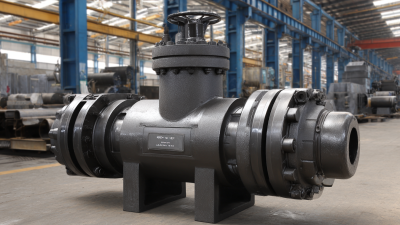
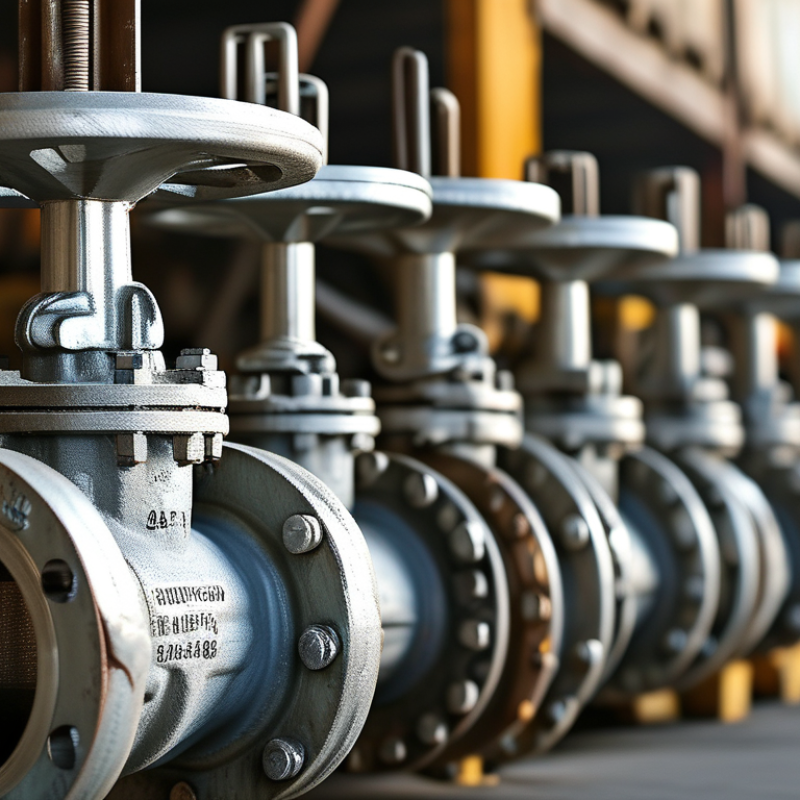
API 602 forged steel valves are essential components in various industries. These valves are designed for high-pressure applications. Their robust construction ensures reliability in demanding environments. Made from high-quality steel, they offer excellent resistance to corrosion and wear. This durability makes them suitable for oil and gas, power generation, and chemical processing.
Understanding the specifications and benefits of API 602 valves is crucial for global buyers. These valves feature a compact design, which allows for easy installation. They are often used in critical flow control situations, where precision is vital. The forging process enhances the material's strength. However, buyers might encounter variations in quality. It’s wise to verify the manufacturing standards.
The selection of the right valve can impact overall system efficiency. Incorrect choices may lead to leaks or failures. Buyers should consider factors like pressure ratings, temperature ranges, and compatibility with fluids. Knowledgeable suppliers can provide insights into these aspects. Relying on expert advice ensures better decision-making in valve selection.
China Best Api 602 Forged Steel Valves for Global Buyers? - Overview of API 602 Forged Steel Valves
| Model |
Material |
Pressure Rating |
Size Range |
End Connection |
Temperature Range |
| API 602-A |
ASTM A105 |
Class 150 |
1/2" to 2" |
Threaded |
-20°C to 200°C |
| API 602-B |
ASTM A182 F304 |
Class 300 |
1" to 3" |
Socket Weld |
-50°C to 350°C |
| API 602-C |
ASTM A182 F316 |
Class 600 |
2" to 4" |
Flanged |
-50°C to 450°C |
| API 602-D |
ASTM A350 LF2 |
Class 900 |
1/2" to 2" |
Butt Weld |
-29°C to 230°C |
Key Features of China’s API 602 Forged Steel Valves
China has emerged as a key player in manufacturing API 602 forged steel valves. These valves are essential in various industries, including oil and gas, water treatment, and power generation. They feature excellent durability and resistance to high pressures and temperatures. This makes them suitable for demanding applications.
One key aspect is their construction. Made from high-quality steel, these valves offer robust performance. They are designed to withstand harsh conditions, ensuring reliability over time. The forging process enhances the material's strength. This leads to fewer failures and reduced maintenance costs.
Tips for selecting the right valve include assessing the material compatibility with the fluid handled. It’s important to consider the temperature and pressure ratings for optimal performance. Make sure to consult with industry experts to find the best options. Not all solutions may fit every need, so understanding requirements is crucial.
Another consideration is the supply chain. Delays in materials can impact projects significantly. Opting for local suppliers may reduce lead times. However, evaluate their quality and certifications carefully. Some may not meet international standards, leading to potential issues later on.
Performance Comparison of China’s API 602 Forged Steel Valves
Competitive Advantages for Global Buyers in China
In recent years, China's forged steel valves have seen a remarkable rise in global demand. A report by Mordor Intelligence highlights that the valve market is expected to grow at a CAGR of 5.4% through 2025. This growth is driven by the booming pharmaceutical and energy sectors, which rely heavily on high-quality valves for efficiency and safety.
China offers competitive advantages that appeal to global buyers. One significant factor is the country’s advanced manufacturing techniques. For instance, China has implemented precision forging technology that enhances the strength and longevity of steel valves. According to a study by Research and Markets, approximately 70% of manufacturers in China adhere to international standards, ensuring product reliability.
Moreover, cost efficiency is crucial for global buyers. Reports indicate that forged steel valves in China can be produced at a 20-30% lower cost compared to Western counterparts. However, the challenge remains in quality control. While many manufacturers excel, inconsistency can still occur. Buyers need to conduct thorough supplier evaluations. Balancing cost-effectiveness with quality assurance is vital in this competitive landscape.
Quality Standards and Certifications for Forged Steel Valves
When discussing forged steel valves, quality standards and certifications emerge as crucial factors. These standards ensure that the valves are fit for various demanding applications. One common standard is the API 602, which outlines the necessary requirements for forged steel valves. Adhering to these guidelines reflects a commitment to quality and reliability in manufacturing.
Certifications often involve rigorous testing. Valves undergo pressure tests, leak tests, and other assessments to confirm their durability. Different certifications may focus on materials or functional performance. Buyers should look for well-documented testing processes. It's not unusual for some manufacturers to overlook these essential checks, potentially compromising product integrity.
In this fast-paced market, buyers must prioritize certified products. Uncertified valves might save costs but can lead to failures. Understanding the importance of these certifications helps in making informed decisions. A careful examination of quality standards reveals a manufacturer's dedication to safety and performance. It is worthwhile to research if a product truly meets the required standards.
Market Trends and Future of API 602 Valves in Global Trade
The market for API 602 forged steel valves is evolving rapidly. Demand is increasing across various sectors, including oil and gas, chemicals, and water management. Buyers are looking for valves that guarantee reliability and durability. This rising demand drives manufacturers to enhance their production techniques.
Investors should pay attention to the specifications and certifications of valves. Quality varies significantly in the market. Some products may lack essential guarantees for performance. To avoid costly mistakes, it’s crucial to conduct thorough research before making purchasing decisions.
Global trade trends show an emphasis on sustainability and innovation. Eco-friendly materials are becoming more sought after. Yet, some manufacturers struggle to adapt. This creates opportunities for those who prioritize sustainability in their designs. In a competitive landscape, keeping informed is vital.
Tip: Always verify certifications and compliance with industry standards. It might save you from future headaches. Stay connected with supplier updates to catch potential innovations. Regular reviews of market trends could give you an edge in making better purchasing decisions.




 Zalo
Zalo