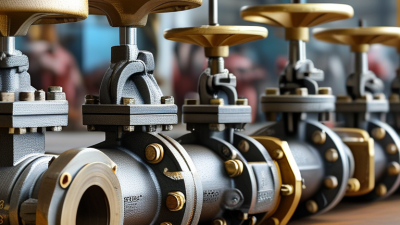
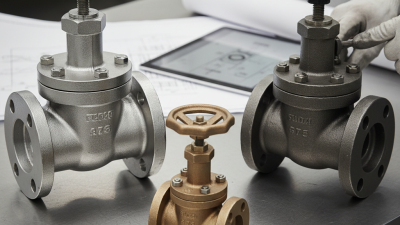
7 Best API Bellows Sealed Globe Valves for Global Buyers
Selecting the right Api Bellows Sealed Globe Valves is not simply a matter of comparing prices. Global buyers must examine pressure ratings, materials, emission control, operating temperature, and supplier consistency. A valve may look excellent on paper, yet perform poorly after repeated thermal cycles. That gap deserves attention.
According to valve reliability specialist David H. Olson, “A bellows seal is only as reliable as the testing and installation behind it.” This practical observation reflects field experience. The bellows must resist fatigue, vibration, corrosion, and pressure changes. The body, stem, welds, and packing arrangement also require careful evaluation. Small details matter.
This guide reviews seven Api Bellows Sealed Globe Valves for international purchasing teams. Each option is considered through practical criteria, including API and ASME alignment, material traceability, leakage performance, cycle testing, maintenance access, and documentation quality. Suppliers should provide pressure-test reports, material certificates, drawings, and clear warranty terms. Without these records, comparison becomes uncertain.
The strongest choice depends on service conditions. Steam duty is different from toxic, corrosive, or ultra-clean applications. Buyers should confirm whether the proposed valve matches the actual media and operating profile. Sometimes, the cheapest quotation hides expensive installation work. That is easy to overlook.
The selection process is not perfect. Manufacturer data may be incomplete, and test methods may differ between factories. Independent verification remains valuable. This overview therefore combines technical benchmarks with purchasing realities, helping global buyers reduce risk before approving their final valve specification.
API Bellows-Sealed Globe Valves: Definition, Design, and Applications
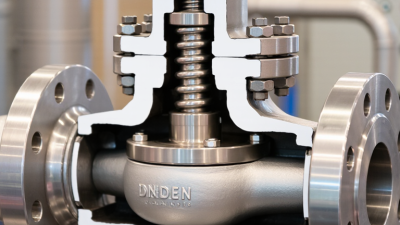
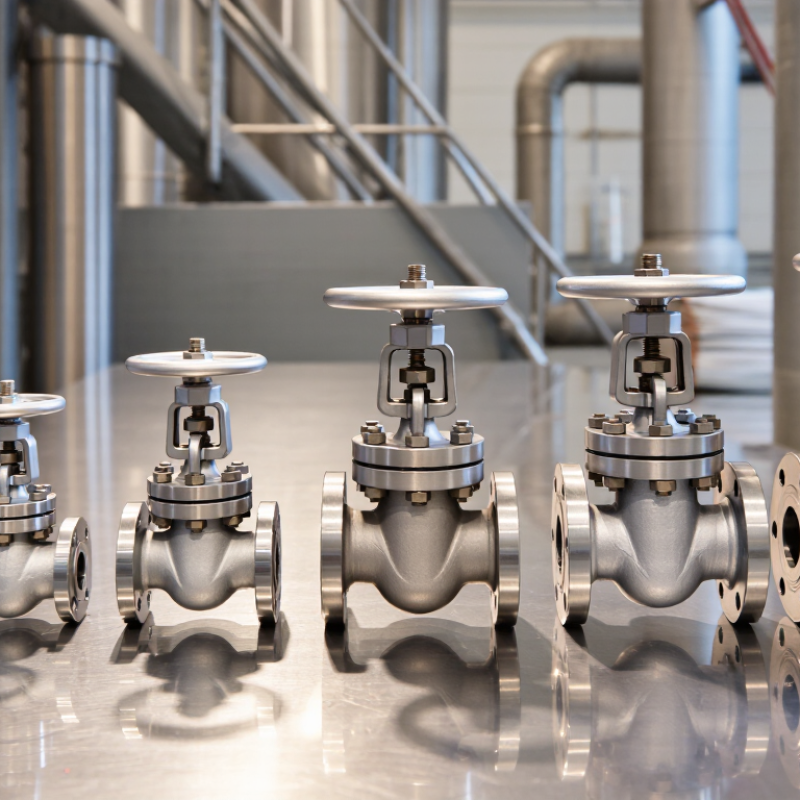
API bellows-sealed globe valves control fluid flow while limiting stem emissions. A formed metal bellows surrounds the moving stem inside the bonnet. It creates a primary barrier between the process medium and the atmosphere. The valve’s packing usually provides secondary protection. No valve is maintenance-free.
The design depends on bellows material, wall thickness, stroke length, and weld quality. These factors affect fatigue life during repeated opening and closing. Globe-style discs support accurate throttling, but pressure drop can be significant.
Buyers should check pressure class, temperature range, body material, trim, and end connections. That detail matters. Factory documents should include pressure tests, bellows cycling results, and relevant fugitive-emission verification.
These valves suit toxic, costly, volatile, or oxygen-sensitive services. Common applications include chemical processing, refining, power generation, cryogenic systems, and high-purity gas lines.
In field inspections, leakage often begins around connections, not the bellows itself. Poor alignment, thermal expansion, or unsuitable gasket materials can create trouble. A welded bellows may still fail after excessive cycling or vibration. Selecting a valve by size alone is a weak practice. Global buyers should review operating cycles, installation space, local maintenance skills, and applicable regional standards before purchase. Supplier claims need evidence, not confident wording.
Key API Standards and Performance Criteria for Global Buyers
When comparing seven API bellows sealed globe valves, global buyers should verify standards before comparing price. API 623 provides a useful basis for steel globe valve design and testing. ASME B16.34 helps confirm pressure-temperature ratings, materials, and end-connection requirements. Face-to-face dimensions should match ASME B16.10. Flanged ends may require ASME B16.5 or B16.47 compatibility.
Bellows protection is central to performance. Ask for documented bellows material, cycle testing, weld inspection, and shell pressure-test records. ISO 15848-1 can support fugitive-emission evaluation, while API 624 may apply to rising-stem emission testing. Confirm the exact test scope. Standards are not interchangeable. A valve rated for high pressure may still perform poorly under frequent thermal cycling. Check shutoff class, flow direction, operating temperature, corrosion allowance, and actuator torque. Small details matter, especially around steam lines and toxic process fluids.
Tips: Request a full compliance matrix, not a certificate alone. Compare the same pressure class and trim material. Inspect sample drawings for bonnet height and maintenance access. Review test reports with serial numbers. Do not assume “bellows sealed” means zero leakage forever; bellows fatigue remains a design risk. A perfect checklist is unrealistic. Even experienced buyers can miss installation conditions, such as vibration or uneven pipe loading. Include these conditions in the technical inquiry and require performance evidence for the intended service.
Seven Leading Bellows-Sealed Globe Valve Options Compared
7 Best API Bellows Sealed Globe Valves for Global Buyers
Seven leading bellows-sealed globe valve options deserve comparison by service, pressure, temperature, and maintenance access. In practical plant reviews, the strongest choice is rarely the most expensive one. It is the valve that matches the process accurately.
A cast carbon-steel option suits common steam and hydrocarbon lines with moderate corrosion risk. A forged-steel design offers compact strength for high-pressure service. Stainless steel performs better when moisture or aggressive media challenge conventional materials. An angle-pattern valve can reduce piping stress and improve flow direction around equipment. Cryogenic versions use extended bonnets to protect the bellows from extreme cold. Jacketed valves help maintain temperature around waxy or viscous fluids. Pressure-balanced designs may reduce operating force in larger sizes.
Each option needs careful document checking. API 623 alignment should be confirmed through drawings, inspection records, pressure-test results, and material certificates. The bellows should have a defined cycle rating, not vague durability language. Weld quality matters near the stem seal. A small alignment error can become a leak path after repeated operation.
I would not select a valve from the catalog alone. Face-to-face dimensions, actuator torque, drain position, and spare-part availability can change the real cost. Some comparisons also overlook installation space. That is a mistake. A valve may meet pressure requirements yet remain awkward to service beside a hot pipe. Global buyers should request traceable testing and clear environmental limits before approval.
How to Select the Right Valve for Pressure, Temperature, and Media
Selecting among the 7 best API bellows sealed globe valves starts with operating conditions, not catalogue rankings. Record the maximum pressure, normal pressure, design temperature, and temperature cycling. Then compare the valve’s pressure-temperature rating under ASME B16.34. A valve rated for 600 psi at room temperature may have a lower allowable pressure at 400°C. That detail is often missed.
Media compatibility is equally important. Stainless steel may suit steam, nitrogen, and many hydrocarbons, but chlorides can trigger stress corrosion cracking. For oxygen service, specify cleaned components and confirm the supplier’s documentation. For toxic, radioactive, or volatile media, bellows integrity matters more than a low purchase price. API 624 testing includes 310 mechanical cycles, helping buyers evaluate fugitive-emission performance. However, laboratory cycles do not reproduce every plant condition. I would still request weld inspection, helium leak results, and material certificates.
The International Energy Agency’s Global Methane Tracker 2024 reports that around 40% of fossil-fuel methane emissions could be reduced at no net cost. That finding strengthens the case for well-tested stem sealing in gas facilities. Check the bellows material, stroke limit, seat design, and end connections together. Also verify certificates, inspection plans, and local conformity requirements before ordering. A tidy spreadsheet can still hide an unsuitable alloy or an incorrect pressure class. Ask for actual test records, not only a compliance statement.
Global Purchasing Factors: Materials, Certifications, and Supplier Support
Global buyers should treat a bellows sealed globe valve as a system component, not a catalog item. Material selection starts with fluid chemistry, pressure, temperature, and cycling frequency. Forged carbon steel suits many steam services, while stainless steel offers stronger resistance in wet or corrosive environments. Bellows often require 316L stainless steel, but aggressive media may justify higher-alloy construction. Small details matter.
The IEA’s Global Methane Tracker 2024 estimates that fossil fuel operations released about 120 million tonnes of methane in 2023. UNEP’s Global Methane Assessment reports that available measures could reduce human-caused methane emissions by up to 45%. These figures support strict fugitive-emission control. Buyers should request API 624 or ISO 15848-1 test evidence, not vague “leak-free” claims. API 623 and ASME B16.34 also help verify valve design and pressure-temperature suitability. A perfect specification rarely exists. That choice can fail.
Supplier support deserves equal attention. Request EN 10204 3.1 material certificates, weld records, pressure-test reports, and traceable serial numbers. For critical service, add helium leak testing, radiography, and witnessed factory acceptance testing. Confirm spare bellows availability and replacement procedures before purchase. The World Bank’s Commodity Markets Outlook repeatedly highlights supply-chain volatility in industrial materials, so quoted lead time needs written assumptions. A capable supplier should explain deviations clearly, provide dimensional drawings, and support installation training across regions.
7 Best API Bellows Sealed Globe Valves for Global Buyers
Global Purchasing Factors: Materials, Certifications, and Supplier Support
This chart summarizes commonly referenced international standards and documentation areas used when evaluating API bellows-sealed globe valves. API 623 and ASME B16.34 are mainly associated with valve design and construction, while API 598 and ISO 5208 address pressure testing. ISO 15848-1 supports fugitive-emission evaluation, NACE MR0175/ISO 15156 addresses sour-service material selection, and EN 10204 Type 3.1 is commonly requested for material certificates. Requirements vary by project, fluid, temperature, pressure class, and destination market.




 Zalo
Zalo