





TECHNICAL LITERATURE

Why Choose Ductile Iron GGG40 Bellows Sealed Valves
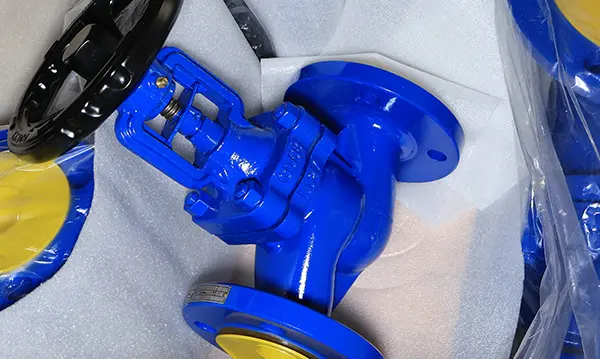
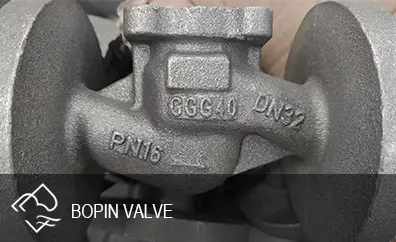
BOPIN VALVE focuses on producing bellows sealed valves including ductile iron GGG40 body bellows sealed globe valves. When selecting valves for industrial applications, it is crucial to consider factors such as material strength, durability, corrosion resistance, and sealing performance. Among the various valve materials available, ductile iron (also known as nodular cast iron) is increasingly favored, especially in critical systems where leakage, corrosion, and wear can cause significant operational issues. The GGG40 grade of ductile iron, combined with a bellows seal, offers a highly effective and long lasting solution. Here’s why choosing ductile iron GGG40 bellows sealed valves is a smart decision for industries ranging from chemical processing to power generation.
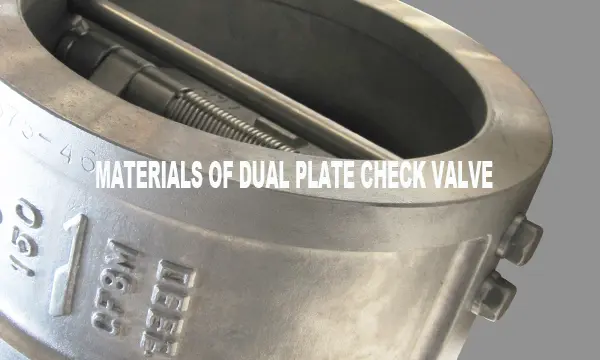
OPTIONAL MATERIALS OF DUAL PLATE CHECK VALVES
BOPIN starts with the selection of suppliers for castings and components, and proceed to each step including machining, assembly, and rigorous testing. We comprehensively control the details to ensure that every check valve meets the high standards expected by our customers, providing them with reliable solutions. We continuously research and improve our manufacturing processes, always keeping our product quality at the forefront of the industry. Providing you with high-end quality check valves is our unchanging goal.
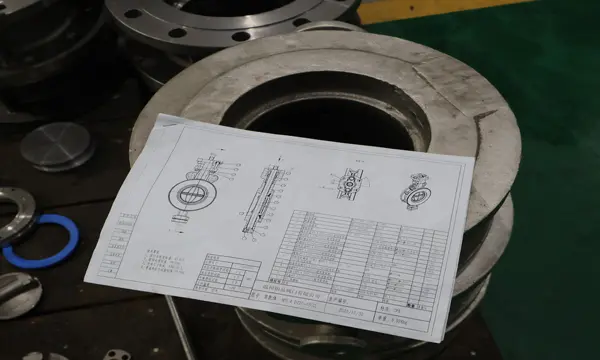
How to Identify Double Eccentric High-Performance Butterfly Valves by Appearance
Double eccentric high-performance butterfly valves are an advanced type of valve commonly used in industries where high performance, reliability, and tight shut-off are required. These valves are characterized by their unique design, which includes a double offset mechanism, setting them apart from standard butterfly valves. Understanding their appearance and identifying features is crucial for engineers, operators, and maintenance personnel to ensure correct application and operation.
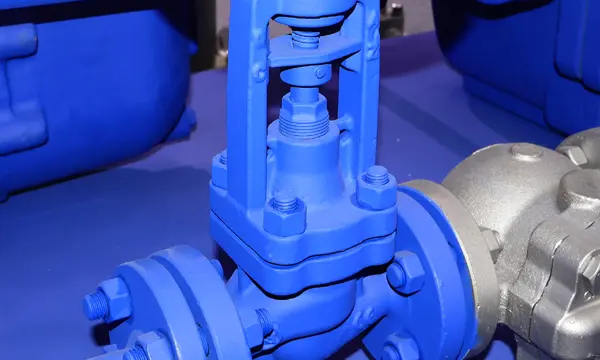
Factors That Determine the Quality of Bellows Sealed Globe Valves
Bellows globe valves are essential components in a wide range of industrial applications where the prevention of leakage, precise flow control, and the ability to withstand demanding operating conditions are critical. The bellows in these valves act as a sealing mechanism to prevent fluid leakage around the valve stem, which is crucial in industries dealing with hazardous, toxic, or corrosive fluids. While the bellows are an integral part of the valve's performance, the overall quality of a bellows globe valve is influenced by a range of factors, from material selection to manufacturing precision and performance under different operating conditions. BOPIN VALVE will explore the key factors that determine the quality of bellows globe valves, focusing on aspects such as material selection, design integrity, manufacturing precision, performance characteristics, and reliability.
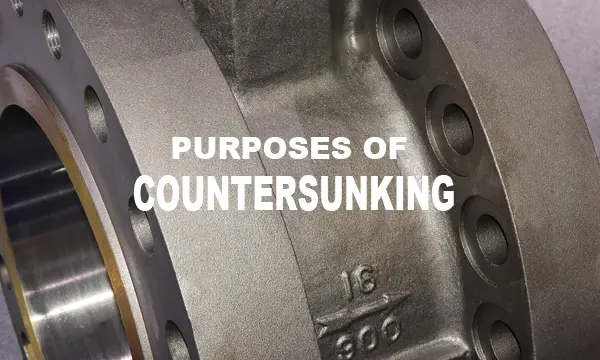
IMPORTANCES OF FLANGE HOLE COUNTERSUNKING FOR LOW PRESSURE & SMALL SIZE FLANGED VALVES.
Dimpling is a process of machining countersunk holes on flanges to ensure a good fit between bolt heads or nuts and the flange surface, avoiding stress concentration. For low-pressure and small-diameter valves, the requirements for countersunking processing need to be analyzed in conjunction with specific standards and application scenarios.
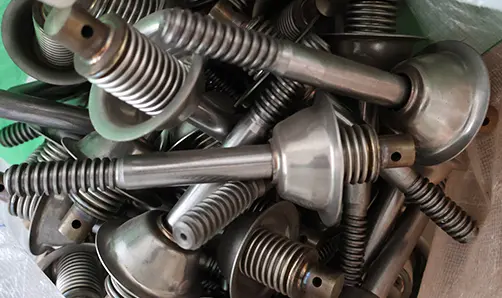
How to Choosing The Best Bellows for Your Bellows Sealed Valves
Choosing the best bellows for a bellows-sealed valve is critical to ensure reliable performance, leak prevention, and long service life, especially in demanding applications where valves are exposed to high pressures, temperatures, and potentially corrosive or abrasive environments. The bellows seal is designed to prevent leakage of fluids, gases, or other media by providing a tight seal between the valve stem and the valve body, while also allowing the valve to open and close without causing wear on the sealing surfaces.

What Is Shot Blasting & Importance of Shot Blasting
A shot blasting facility is an industrial setting where a process called shot blasting is performed. Shot blasting is a method of cleaning, strengthening, or polishing metal, concrete, or other surfaces through the use of abrasive media (usually steel shot or grit) propelled at high speed using mechanical means. This process is commonly used for surface preparation, such as cleaning rust or corrosion from metal surfaces, creating a rough texture for better coating adhesion, or improving the mechanical properties of materials.