



Inquiry
Form loading...
SINGLE DISC WAFER TYPE CHECK VALVE MANUFACTURER
CHECK VALVES

SINGLE DISC WAFER TYPE CHECK VALVE MANUFACTURER

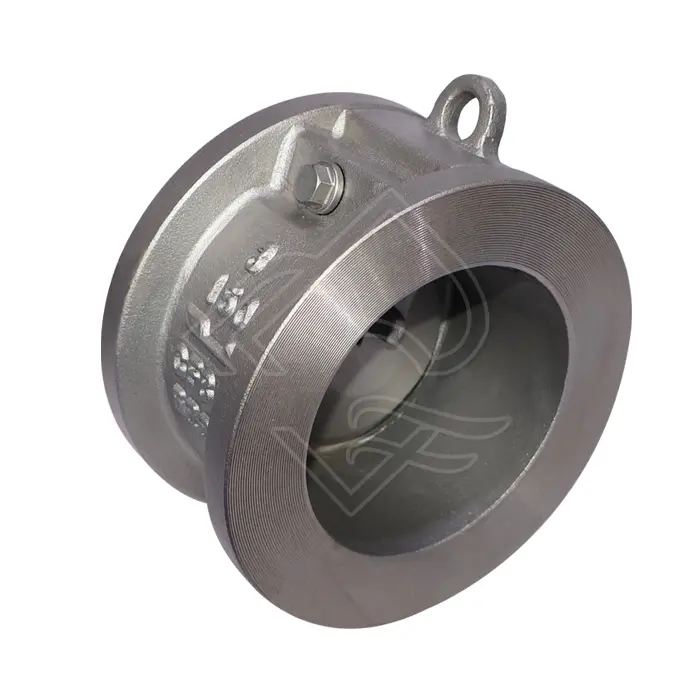
The API 594 Stainless Steel Wafer Type Single Plate Swing Check Valve offers a blend of reliable performance, cost-effectiveness, and durable construction, making it ideal for various fluid control applications across multiple industries. Its corrosion-resistant properties, lightweight wafer design, and effective backflow prevention mechanism ensure that it meets the demands of both high-pressure and corrosive environments. As industries continue to prioritize reliability and efficiency, valves like the API 594 will remain integral to safe and effective fluid management.

    1.About API 594 Swing Check Valve

    Check valves are critical components in a wide range of piping systems, primarily designed to ensure that fluids flow in one direction and prevent backflow. The API 594 Check Valve is a specialized design, focusing on performance and durability within demanding applications, such as those in the oil, gas, chemical, and power industries.
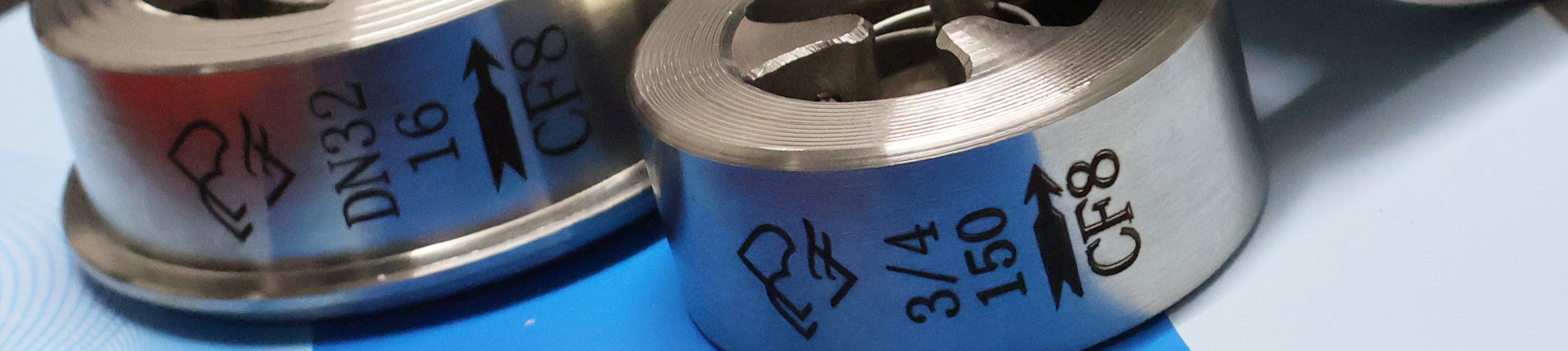
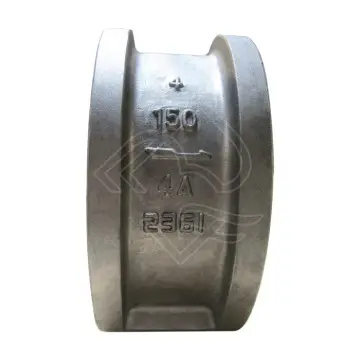
    The API 594 standard provides guidelines for the design, materials, construction, and testing of check valves. Specifically, the Stainless Steel Wafer Type Single Plate Swing Check Valve (often referred to as a single plate swing check valve) is widely used in industries that require precise flow control, like water treatment, HVAC, and oil & gas processing. The stainless steel material ensures corrosion resistance, durability, and strength under high-pressure and extreme-temperature conditions.
    IMG_2661.jpg

    2.  Key Characteristics of API 594 Swing Check Valve

     Material Composition:
    The API 594 Stainless Steel Check Valve is typically made from high-quality stainless steel alloys, such as AISI 304 or AISI 316, known for their excellent resistance to corrosion and high-temperature stability. The valve body is fabricated from stainless steel to withstand the harsh conditions typically found in fluid handling systems, including exposure to chemicals, heat, and pressure.
     
     Wafer Type Design:
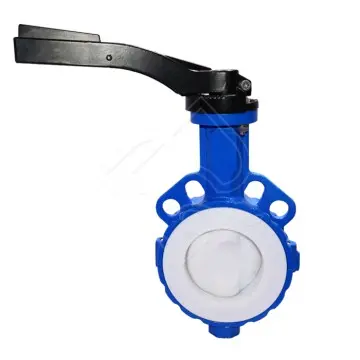
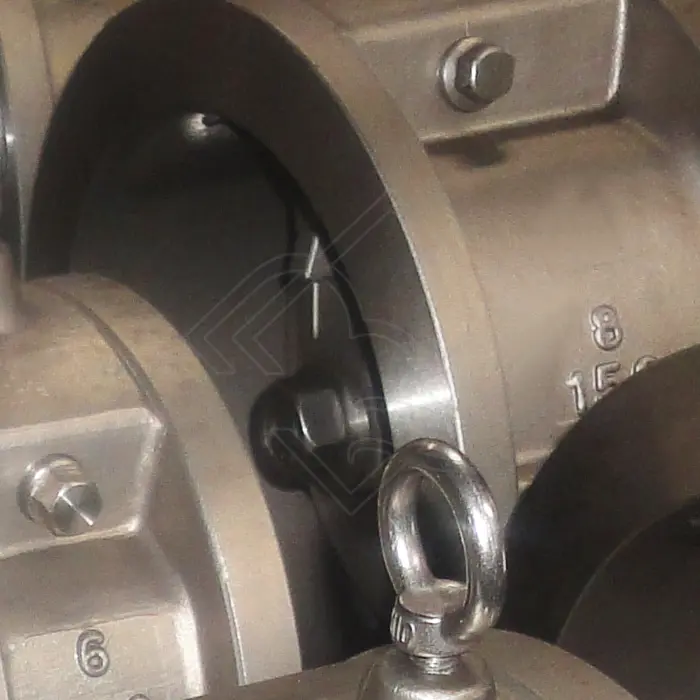
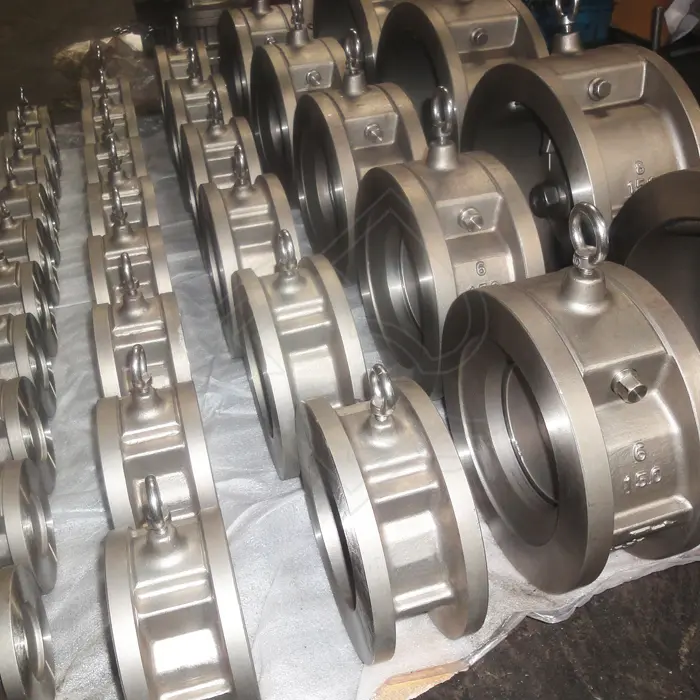
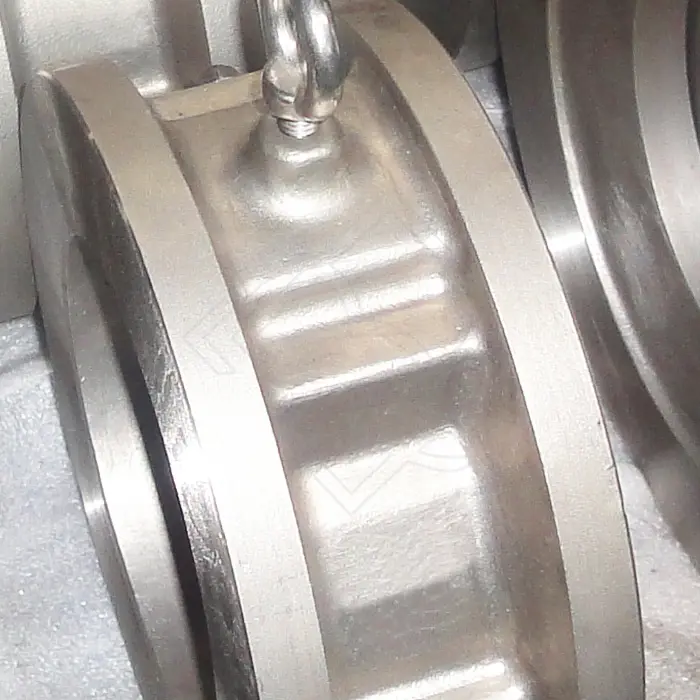
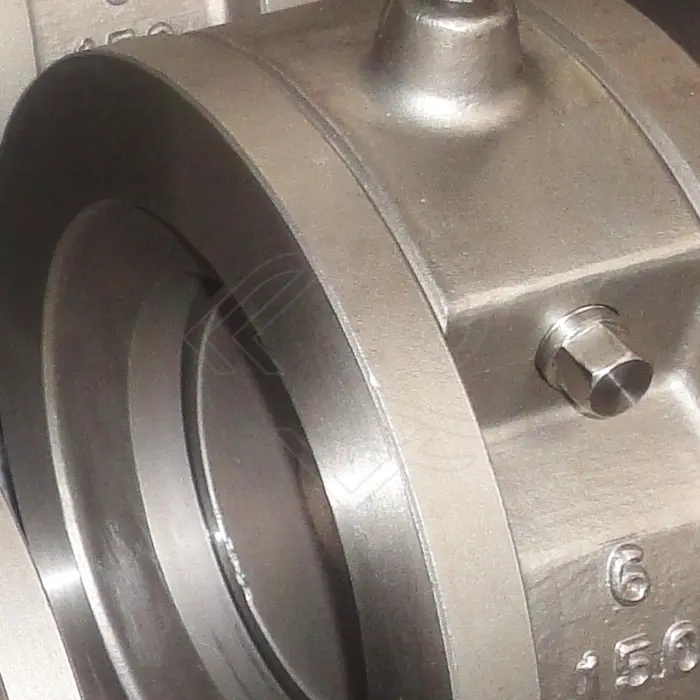
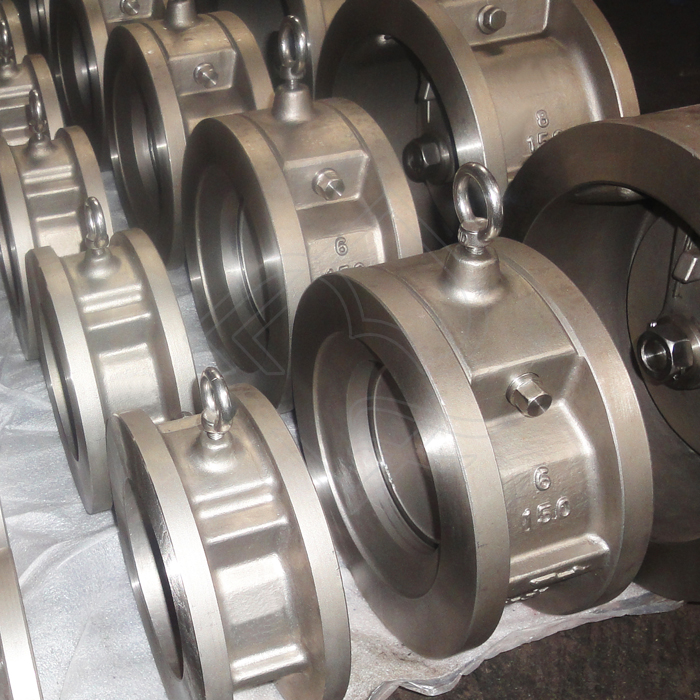
    The wafer design refers to the compact form of the valve, where the valve body has a thin, flat shape that fits between two flanges in the pipeline. This design makes the API 594 check valve extremely space-efficient and lightweight, compared to other types of valves. Wafer valves are typically easier to install and cost-effective due to their simplicity and low maintenance requirements.
     
     Single Plate Design:
    The single plate mechanism distinguishes this swing check valve from other variants, such as dual plate or spring-assisted designs. The valve utilizes a single disc or plate that swings open and closed in response to the flow direction. When fluid flow is in the correct direction, the plate swings open, allowing the fluid to pass through. If the flow direction reverses, the plate swings back, sealing the valve and preventing backflow.
     
     Swing Check Mechanism:
    The swing check design operates via a hinge or pin mechanism that allows the valve disc to rotate about its axis. This rotational movement opens and closes the valve in response to the force exerted by the flow of the fluid. In contrast to poppet or ball check valves, swing check valves are ideal for applications where the fluid is at a higher velocity or when fluid turbulence is a concern.
      Size and Pressure Range:
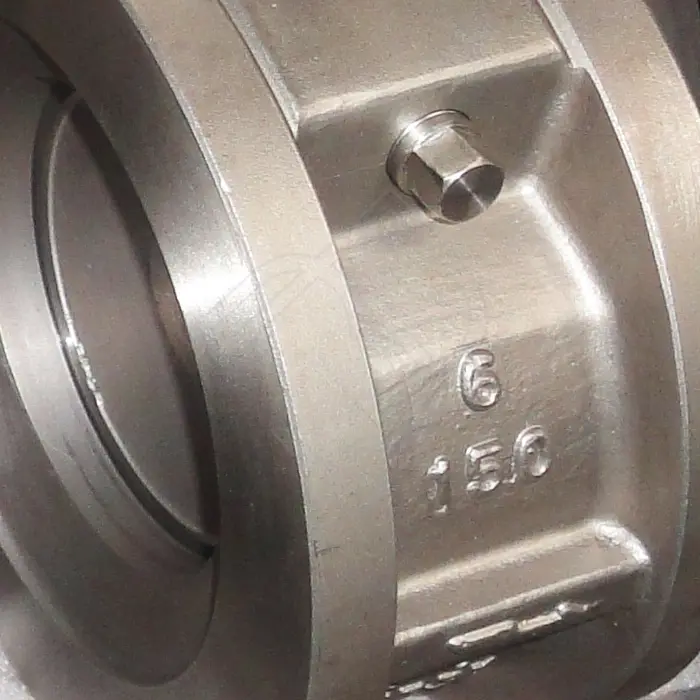
    The API 594 stainless steel swing check valve is available in a variety of sizes, from small nominal diameters (DN 50 or 2 inches) to large diameters (DN 1200 or 48 inches). The pressure ratings can range from Class 150 to Class 2500, meaning the valve can handle pressures anywhere from 150 psi to 2500 psi, depending on the specifications.

    3.  Working Principle of a Swing Check Valve

    A swing check valve operates based on the principle of fluid pressure. When the fluid flows in the direction that the valve is designed to allow, the pressure forces the valve disc to swing open. This allows fluid to pass through the valve unobstructed. When the fluid flow stops or reverses direction, the valve disc swings shut due to the back pressure from the reverse flow or the weight of the disc itself, ensuring that no fluid flows back into the system.


     The swing mechanism is typically aided by a hinge pin or hinge pin assembly that allows the plate to move freely. The motion of the valve plate ensures that there is a tight seal when the valve is closed, preventing backflow and thus protecting downstream equipment from damage or contamination.

    4. Advantages of API 594 Stainless Steel Swing Check Valve

    Prevention of Backflow:
    The primary function of any check valve, including the API 594 swing check valve, is to prevent backflow. This is crucial in applications where reverse flow could damage equipment, contaminate fluids, or lead to unsafe conditions.
    Corrosion Resistance:
    The use of stainless steel in the construction of the valve body and components provides excellent corrosion resistance to harsh chemicals, salts, and various environmental factors. This makes the API 594 particularly useful in marine, petrochemical, chemical, and other corrosive environments.
    Cost-Effective and Space-Efficient:
    Due to its wafer design, this valve requires less space in the piping system and is easier to install. The cost of materials is also relatively low compared to other valve types, especially those made from exotic alloys.
     Simple Design and Easy Maintenance:
    The swing check valve's simple design reduces the need for intricate parts that can wear over time. As a result, the valve is typically more durable, easier to maintain, and less expensive to repair or replace than other types of check valves.
     Reliable Flow Control:
    The swing mechanism enables smooth operation with minimal turbulence, contributing to efficient fluid flow control. The valve’s design ensures that it works reliably under a variety of operating conditions, including fluctuating pressures and temperatures.

    5. Applications of API 594 Swing Check Valve

    Water and Wastewater Treatment:
    In water treatment plants, swing check valves prevent backflow and ensure the integrity of the flow in various stages of the filtration and treatment processes. These valves help protect pumps, filters, and other critical equipment from contamination by reversed flow.
    Oil and Gas Industry:
    In the oil and gas sector, swing check valves are used extensively in pipeline systems to ensure that oil, gas, and other fluids flow in one direction, preventing backflow into the reservoir or production systems. They are crucial in applications where reverse flow could cause equipment damage or loss of production.
     Chemical Processing:
    Chemical plants often use swing check valves to prevent dangerous backflow of reactive chemicals into other sections of the plant. The valve's resistance to corrosive materials makes it ideal for these applications.
     HVAC Systems:
    In heating, ventilation, and air conditioning (HVAC) systems, swing check valves ensure that water or other fluids flow properly and that reverse flow does not occur, which could disrupt the system's balance or cause equipment failure.
     Power Generation:
    Swing check valves are also used in power plants, particularly in cooling water circuits and steam lines. These valves help ensure that flow is maintained in the correct direction, preventing damage to turbines and other vital equipment.

    Leave Your Message