





STRAINERS
0102030405


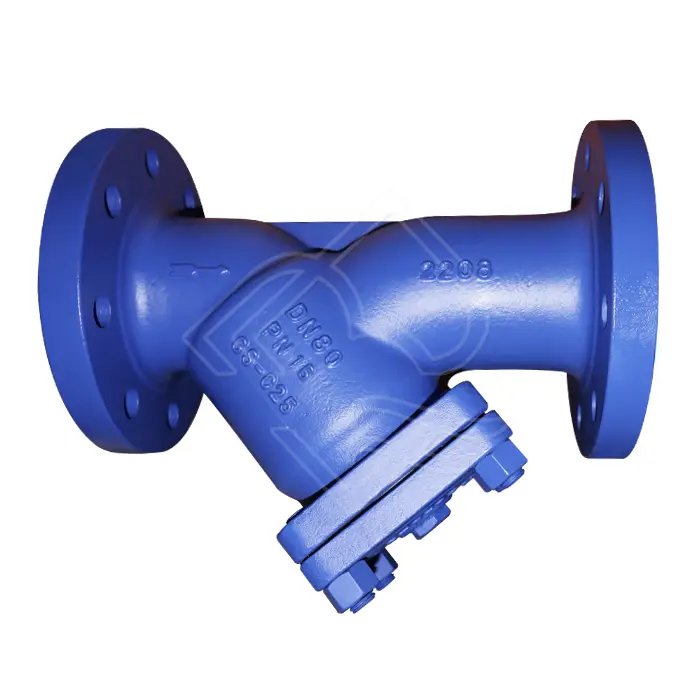
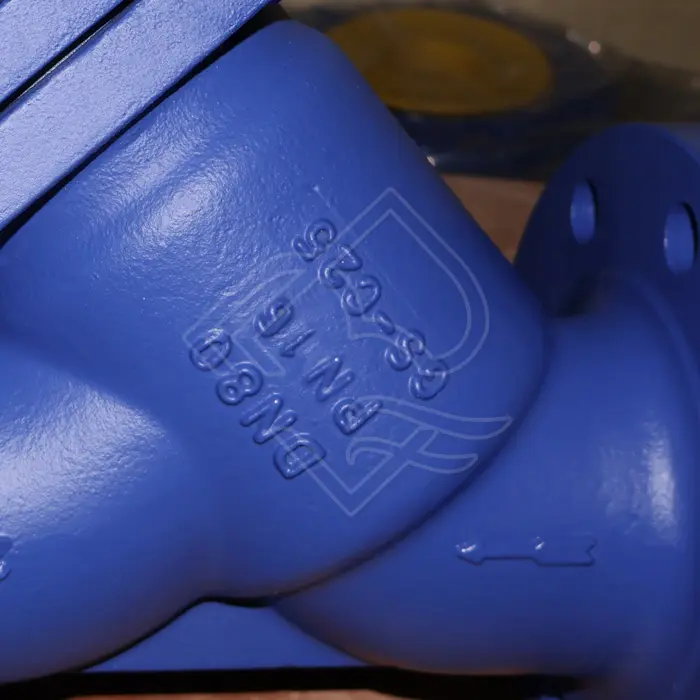
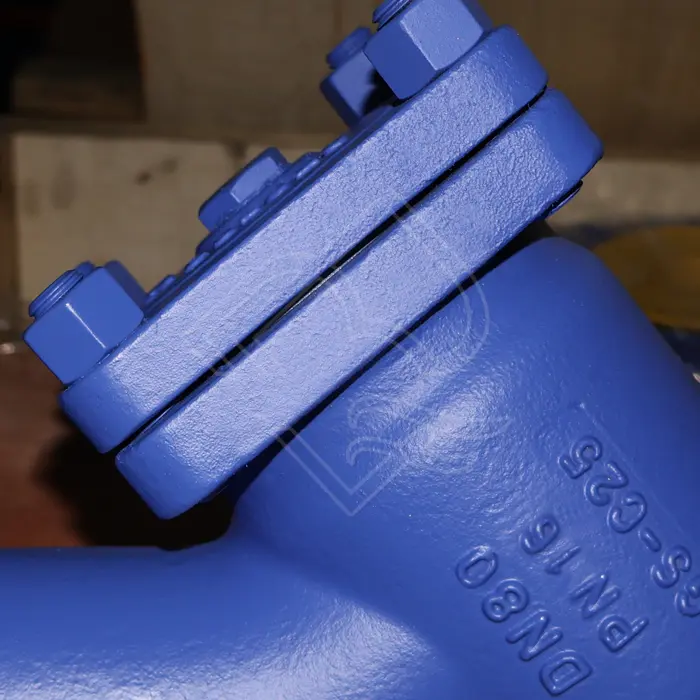
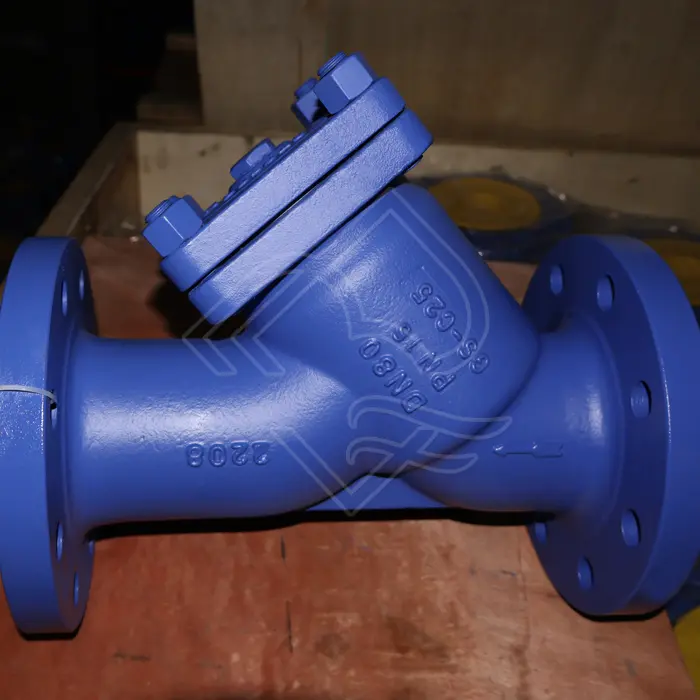
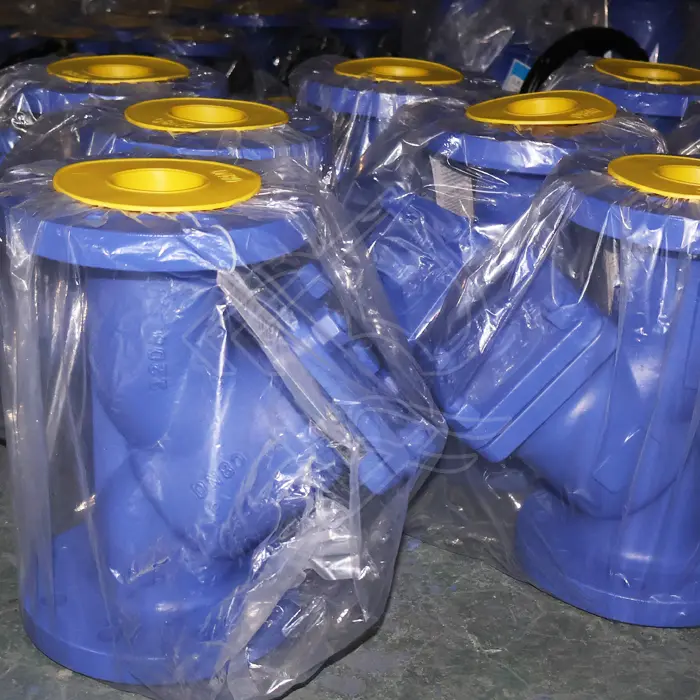
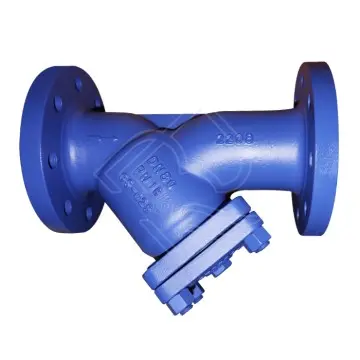
DIN Y TYPE STRAINER MANUFACTURER
Overview of GS-C25 Carbon Steel
GS-C25 is a grade of carbon steel commonly used for manufacturing valves and pipe fittings, thanks to its excellent mechanical properties and affordability. It is a ductile material with good weldability and can withstand high temperatures and pressures. The GS-C25 material is a nodular cast iron, making it strong yet lightweight, ideal for various industrial applications. The carbon content in GS-C25 steel contributes to its hardness, while the alloying elements provide resistance to corrosion, wear, and fatigue.
Key Features of Design
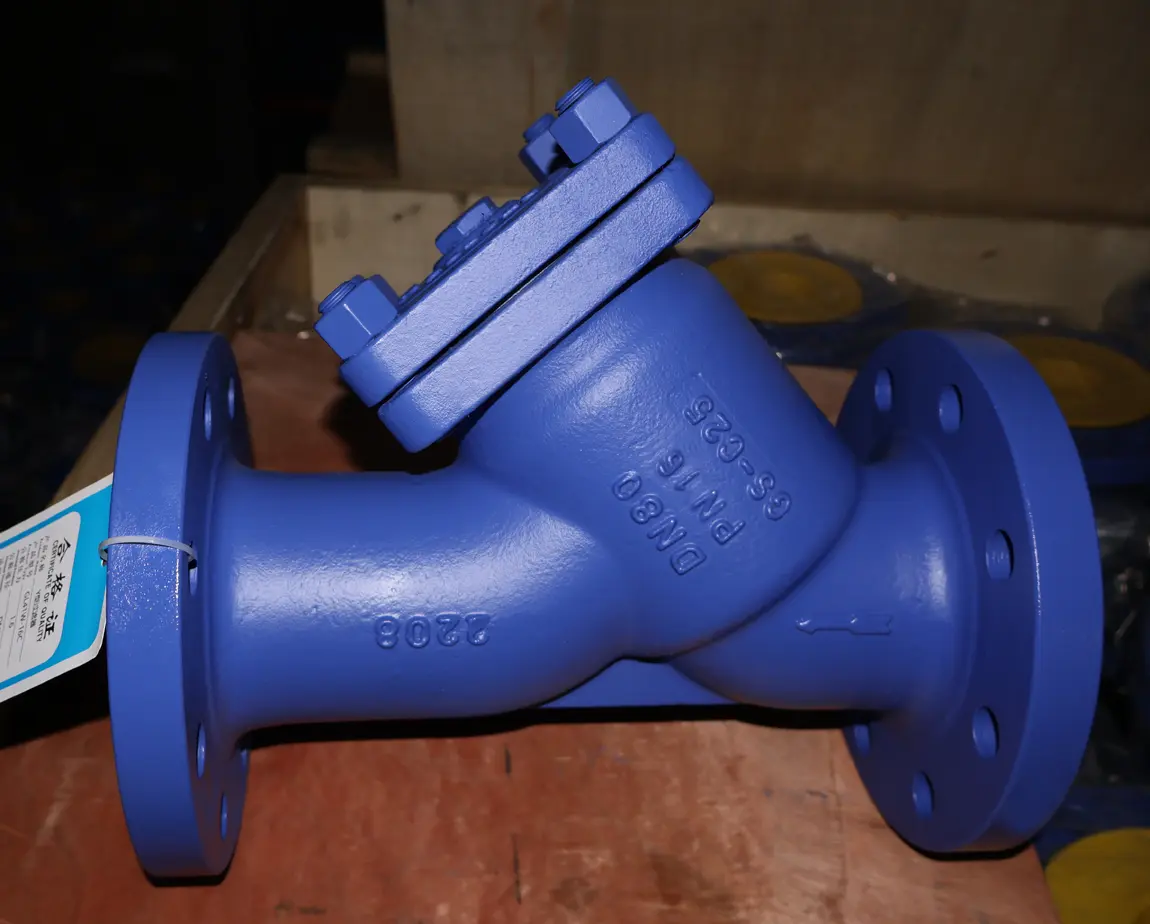
The Y Type Strainer is named for its distinctive "Y" shape, which helps in streamlining the flow of media. The design optimizes fluid flow, preventing turbulence that could damage the system. This type of strainer is typically used in pipelines where space is limited but where robust filtration is necessary. The Y Type Strainer is especially useful in applications requiring a compact design that still provides high filtration efficiency. The key features of a Y-type strainer include:
Efficient Filtration: The strainer’s perforated mesh or filter screen removes debris and particles from the pipeline, ensuring the uninterrupted flow of the media.
Compact Design: Its "Y" shape allows it to be installed in tight spaces, unlike other strainers that require more room for installation.
Easy Maintenance: The design allows easy access for cleaning or replacing the strainer element without disrupting the entire system.
High Flow Rates: Despite its compact size, the Y-type strainer can handle high flow rates, making it suitable for both small and large-scale industrial applications.
Flange End Connection
The flange end is one of the most common methods for connecting the Y Type Strainer to a pipeline. In this design, the strainer has two flanged ends, allowing it to be bolted onto a pipeline. The flanged connection provides a strong, leak-proof seal, making it ideal for high-pressure systems where reliability is paramount. The DIN standard ensures that the flange dimensions are consistent with industry standards, facilitating easy integration with other pipe components.
The flanged connection is generally used in:
High-pressure systems: Flanged connections ensure a reliable seal, reducing the risk of leakage.
Large diameter pipelines: The flange end allows for better integration with larger diameter pipes without sacrificing the structural integrity of the system.
Ease of installation and maintenance: Flanged joints are easy to install, and maintenance is simpler as flanges can be detached quickly.
Efficient Filtration: The strainer’s perforated mesh or filter screen removes debris and particles from the pipeline, ensuring the uninterrupted flow of the media.
Compact Design: Its "Y" shape allows it to be installed in tight spaces, unlike other strainers that require more room for installation.
Easy Maintenance: The design allows easy access for cleaning or replacing the strainer element without disrupting the entire system.
High Flow Rates: Despite its compact size, the Y-type strainer can handle high flow rates, making it suitable for both small and large-scale industrial applications.
Flange End Connection
The flange end is one of the most common methods for connecting the Y Type Strainer to a pipeline. In this design, the strainer has two flanged ends, allowing it to be bolted onto a pipeline. The flanged connection provides a strong, leak-proof seal, making it ideal for high-pressure systems where reliability is paramount. The DIN standard ensures that the flange dimensions are consistent with industry standards, facilitating easy integration with other pipe components.
The flanged connection is generally used in:
High-pressure systems: Flanged connections ensure a reliable seal, reducing the risk of leakage.
Large diameter pipelines: The flange end allows for better integration with larger diameter pipes without sacrificing the structural integrity of the system.
Ease of installation and maintenance: Flanged joints are easy to install, and maintenance is simpler as flanges can be detached quickly.
Applications of GS-C25 Carbon Steel Y Type Strainers
The GS-C25 Carbon Steel DIN Flange End Y Type Strainer can be used in a variety of industrial sectors:
1. Oil & Gas Industry
Oil filtration: The strainer ensures that impurities in oil are removed, preventing equipment damage and improving operational efficiency.
Natural gas filtration: In natural gas pipelines, this strainer filters out particles and debris that can damage valves and other components.
2. Chemical Processing
Chemical flow systems: In chemical industries, the strainer removes any unwanted solids or contaminants from the chemicals to protect downstream equipment.
Acidic and corrosive fluids: GS-C25’s carbon steel construction can handle certain acidic and corrosive chemicals, providing cost-effective filtration solutions.
3. Water Treatment Plants
Water filtration: This strainer removes solids and particulate matter from the water before it enters other treatment systems, ensuring the quality of the processed water.
Wastewater treatment: In wastewater systems, the strainer ensures that debris does not damage pumps, valves, and other equipment.
4. Power Generation
Cooling water systems: Power plants often use large volumes of water for cooling purposes. The Y-type strainer removes debris, ensuring smooth and uninterrupted flow in the cooling systems.
Steam and gas turbines: Filtration helps prevent damage to turbine components by removing impurities in the fluid.
5. HVAC Systems
Heating and cooling fluids: The strainer can be used in HVAC systems to filter out any debris or particles from the circulating heating or cooling fluid.
Chilled water systems: In air conditioning systems, the strainer ensures that contaminants don’t clog the valves or pumps.
1. Oil & Gas Industry
Oil filtration: The strainer ensures that impurities in oil are removed, preventing equipment damage and improving operational efficiency.
Natural gas filtration: In natural gas pipelines, this strainer filters out particles and debris that can damage valves and other components.
2. Chemical Processing
Chemical flow systems: In chemical industries, the strainer removes any unwanted solids or contaminants from the chemicals to protect downstream equipment.
Acidic and corrosive fluids: GS-C25’s carbon steel construction can handle certain acidic and corrosive chemicals, providing cost-effective filtration solutions.
3. Water Treatment Plants
Water filtration: This strainer removes solids and particulate matter from the water before it enters other treatment systems, ensuring the quality of the processed water.
Wastewater treatment: In wastewater systems, the strainer ensures that debris does not damage pumps, valves, and other equipment.
4. Power Generation
Cooling water systems: Power plants often use large volumes of water for cooling purposes. The Y-type strainer removes debris, ensuring smooth and uninterrupted flow in the cooling systems.
Steam and gas turbines: Filtration helps prevent damage to turbine components by removing impurities in the fluid.
5. HVAC Systems
Heating and cooling fluids: The strainer can be used in HVAC systems to filter out any debris or particles from the circulating heating or cooling fluid.
Chilled water systems: In air conditioning systems, the strainer ensures that contaminants don’t clog the valves or pumps.
Advantages
Durability: The GS-C25 carbon steel material is highly durable and capable of withstanding wear, corrosion, and high temperatures, making the strainer ideal for harsh industrial environments.
High Performance: The Y-type design ensures high-performance filtration with minimal flow resistance. The strainer effectively captures even the smallest particles, ensuring the protection of expensive downstream equipment.
Cost Efficiency: GS-C25 carbon steel is an affordable material compared to other high-performance alloys, making it a cost-effective choice for industries seeking reliable filtration systems without breaking the budget.
Reduced Maintenance: The Y-type strainer’s design allows for easy cleaning and maintenance. The strainer element can be removed or cleaned without the need to disassemble the entire pipeline.
Easy Installation: With the flange end design, installation is straightforward and quick. The flanged ends are compatible with a wide range of pipeline components, ensuring ease of integration into existing systems.
Flexibility: The GS-C25 Y Type Strainer is available in different sizes, filter ratings, and pressure classes, allowing it to be customized to suit a variety of applications and operational conditions.
High Performance: The Y-type design ensures high-performance filtration with minimal flow resistance. The strainer effectively captures even the smallest particles, ensuring the protection of expensive downstream equipment.
Cost Efficiency: GS-C25 carbon steel is an affordable material compared to other high-performance alloys, making it a cost-effective choice for industries seeking reliable filtration systems without breaking the budget.
Reduced Maintenance: The Y-type strainer’s design allows for easy cleaning and maintenance. The strainer element can be removed or cleaned without the need to disassemble the entire pipeline.
Easy Installation: With the flange end design, installation is straightforward and quick. The flanged ends are compatible with a wide range of pipeline components, ensuring ease of integration into existing systems.
Flexibility: The GS-C25 Y Type Strainer is available in different sizes, filter ratings, and pressure classes, allowing it to be customized to suit a variety of applications and operational conditions.
Challenges & Considerations
Corrosion Resistance: Although GS-C25 carbon steel offers good corrosion resistance, it may not be ideal for extremely aggressive chemicals or environments with high moisture content. In such cases, a different material, such as stainless steel, may be preferred.
Temperature Limitations: While the GS-C25 material can handle high temperatures, there may be limits to its performance at elevated temperatures or under extreme pressure conditions. Careful selection based on system specifications is crucial.
Flow Restrictions: If not properly sized, the Y-type strainer may cause flow restrictions, which could affect system efficiency. It is important to choose the right size and mesh rating to balance filtration with optimal flow performance.
Temperature Limitations: While the GS-C25 material can handle high temperatures, there may be limits to its performance at elevated temperatures or under extreme pressure conditions. Careful selection based on system specifications is crucial.
Flow Restrictions: If not properly sized, the Y-type strainer may cause flow restrictions, which could affect system efficiency. It is important to choose the right size and mesh rating to balance filtration with optimal flow performance.