Top Forged Steel Gate Valves for Global Buyers Needs?
In today's industrial landscape, the demand for reliable and durable components is critical. Forged Steel Gate Valves are essential in various sectors, including oil and gas, water treatment, and chemical processing. Recent studies show that the global valve market is projected to reach $97 billion by 2026, with forged steel valves showing a significant growth trend. Their high tensile strength and ability to withstand high temperatures make them ideal for severe service conditions.
However, not all forged steel gate valves are created equal. The market is flooded with options, and buyers must carefully assess the quality and specifications of these products. A common mistake is prioritizing price over performance. Lower costs can often lead to inferior materials, which may fail under pressure or adverse conditions. Industry experts emphasize the importance of selecting reputable manufacturers who adhere to international standards.
As buyers review their options, they should consider the long-term implications of their choices. Investing in high-quality forged steel gate valves not only enhances operational safety but can also reduce maintenance costs over time. Making informed decisions in valve procurement can lead to better efficiency and reliability in critical systems.
Top Characteristics of Forged Steel Gate Valves for Buyers
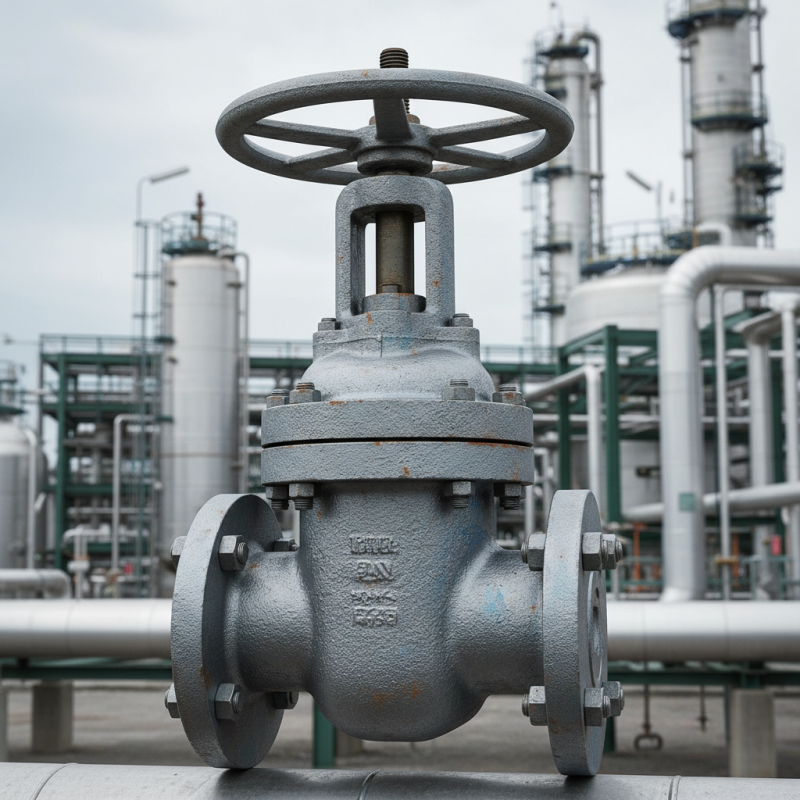
When considering forged steel gate valves, buyers must focus on key characteristics. These valves are widely known for their strength and durability. Made from solid steel, they can withstand high pressures and temperatures. This makes them ideal for critical applications in industries like oil and gas, water supply, and chemical processing.
Another important feature is their tight sealing capability. This ensures that there is minimal leakage during operation. Additionally, the design promotes smooth flow and reduces turbulence. A well-designed forged steel gate valve can enhance system efficiency over time. Buyers should also be aware of the importance of the valve’s corrosion resistance. Choosing the right coating or materials is crucial in harsh environments.
However, not every forged steel valve performs equally. Variations in manufacturing processes can affect quality. Buyers should consider the reputation of the manufacturers. Reliable testing and certification processes should be priorities. Understanding material specifications and compliance with industry standards can help buyers avoid costly mistakes.
Key Applications of Forged Steel Gate Valves in Various Industries
Forged steel gate valves play a crucial role across various industries. These valves are essential for controlling the flow of fluids and gases. Their robust design makes them ideal for high-pressure and high-temperature applications. Common uses include oil and gas, power generation, water treatment, and chemical processing. Each application requires a specific valve type, ensuring safety and efficiency.
In oil and gas, for example, forged steel gate valves withstand extreme conditions. They effectively manage fluid flow in pipelines and storage facilities. In the power generation sector, these valves control steam and cooling water flow. Their reliability ensures uninterrupted operations.
**Tips:** Consider the size and pressure requirements before choosing a valve. Always consult with industry professionals for the best practices. Maintenance is crucial; regularly inspect and service your valves to ensure longevity. Seek further feedback from users to improve your selection process.
Major Manufacturers of Forged Steel Gate Valves Worldwide
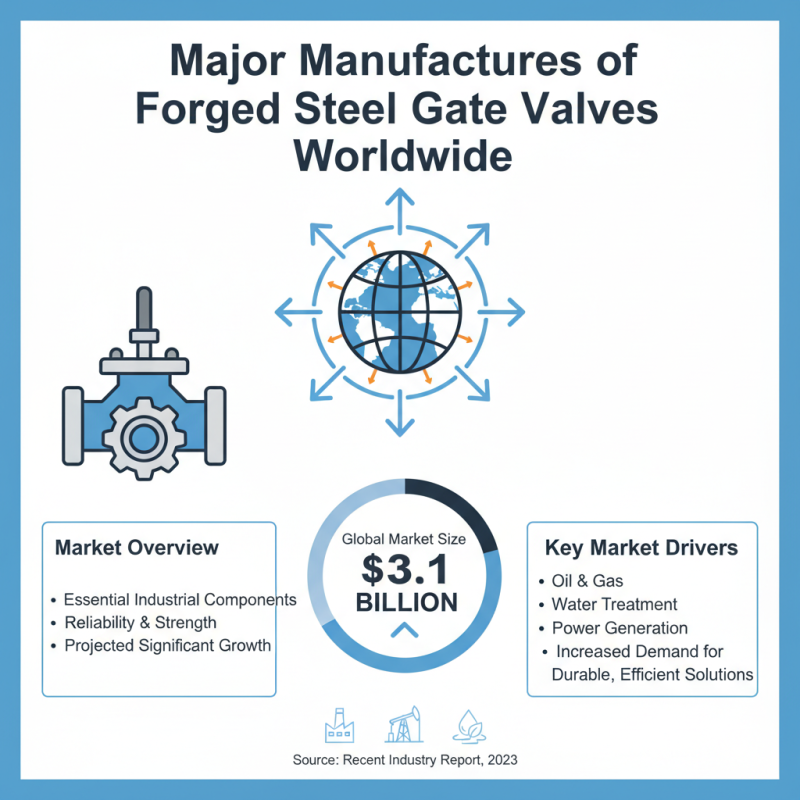
Forged steel gate valves are essential components in various industries, offering reliability and strength. The global market for these valves is projected to grow significantly. According to a recent industry report, the market size reached approximately $3.1 billion in 2023. This growth reflects the increasing demand for durable and efficient valve solutions in sectors such as oil and gas, water treatment, and power generation.
Major manufacturers are continuously innovating to meet changing customer needs. Their product lines feature advanced designs that enhance performance and reduce maintenance costs. For example, some manufacturers focus on developing valves that can withstand extreme temperatures and pressures. This adaptability is crucial, particularly in industries where operational safety is paramount. Yet, not all manufacturers meet stringent quality standards. Some offerings in the market still show inconsistencies in performance and durability.
The competitive landscape highlights the importance of reliable sourcing. Many buyers are cautious, seeking suppliers with proven track records. However, navigating this landscape can be challenging. It remains essential for industry stakeholders to conduct thorough research. Understanding the unique requirements of their applications can lead to better purchasing decisions. In a market filled with options, careful analysis is the key to securing effective valve solutions.
Comparative Analysis of Pricing for Forged Steel Gate Valves
When considering forged steel gate valves, pricing plays a crucial role. Different suppliers often offer varied rates. These discrepancies arise from multiple factors, including manufacturing methods, material quality, and service provided. Some manufacturers might use higher-grade steel, which can increase costs. Others might cut corners, offering lower prices at the risk of reduced longevity.
Buyers must analyze these pricing structures carefully. A cheaper valve may seem appealing, but it might not perform adequately under pressure. Product durability and maintenance costs can outweigh the initial savings. It's essential to consider the total cost of ownership over time. The right valve must balance price with performance and reliability.
Understanding the landscape of forged steel gate valves requires deeper insights. Many buyers may not realize the importance of certification and regulatory compliance. Valves that meet industry standards often come at a premium but offer peace of mind. Investing in quality can lead to fewer operational issues down the line, underscoring the value of thoughtful purchasing decisions.
Factors Influencing the Selection of Forged Steel Gate Valves
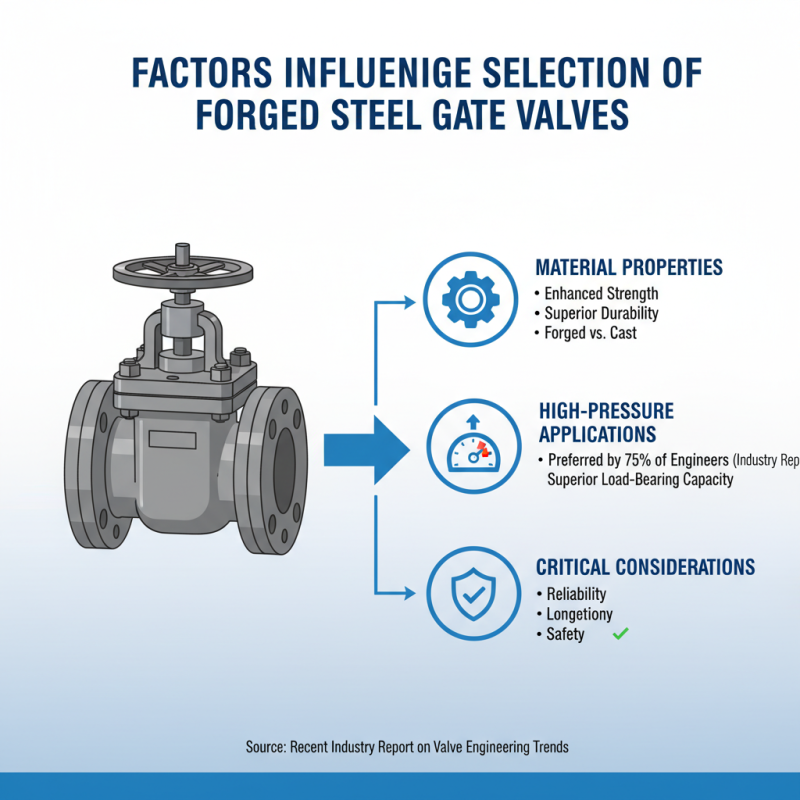
When considering forged steel gate valves, several factors influence the selection process. One critical aspect is the valve's material properties. Forged steel valves provide enhanced strength and durability compared to cast variants. According to a recent industry report, approximately 75% of engineers prefer forged steel for high-pressure applications due to its superior load-bearing capacity.
The environment where the valve will be installed also plays a significant role. For instance, temperature and pressure conditions heavily influence the choice of materials. In corrosive environments, additional coatings may be necessary. These coatings can add costs. However, the right selection prevents failures that can lead to downtime and safety hazards.
Another factor is the intended application. Different industries require specific design features. The oil and gas sector often demands valves that can withstand extreme conditions. A survey indicated that 60% of professionals prioritize performance metrics over initial costs. This reflects a broader trend toward long-term reliability. Valves that fail early can disrupt processes and increase operational costs. Understanding these factors ensures that buyers choose the right forged steel gate valves for their needs.




 Zalo
Zalo