Top 5 Bs 5163 Non-Rising Stem Resilient Seated Gate Valves?
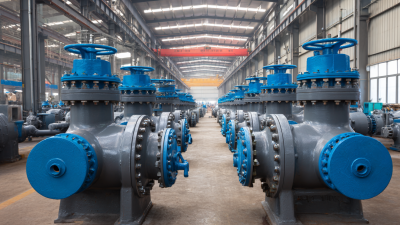
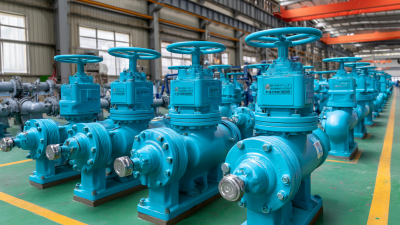
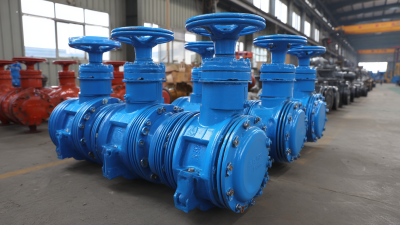
In the world of industrial valves, the "Bs 5163 Non-Rising Stem Resilient Seated Gate Valves" stand out for their durability and efficiency. These valves are designed for demanding applications where reliable performance is crucial. They provide a tight seal that controls the flow of fluids effectively. Many industries rely on them, ranging from waterworks to general engineering.
Understanding the intricacies of these valves is essential. Professionals appreciate their non-rising stem feature, allowing installation in tight spaces. This unique design minimizes wear and enhances lifespan. However, not all Bs 5163 valves are created equally, and knowing the top choices is vital for informed decisions.
This article explores the top selections of Bs 5163 Non-Rising Stem Resilient Seated Gate Valves. Each valve's unique traits will be highlighted. By evaluating these options, industries can better align their specific needs with superior valve performance. It's a journey towards safer, more efficient fluid management.
Overview of BS 5163 Non-Rising Stem Resilient Seated Gate Valves
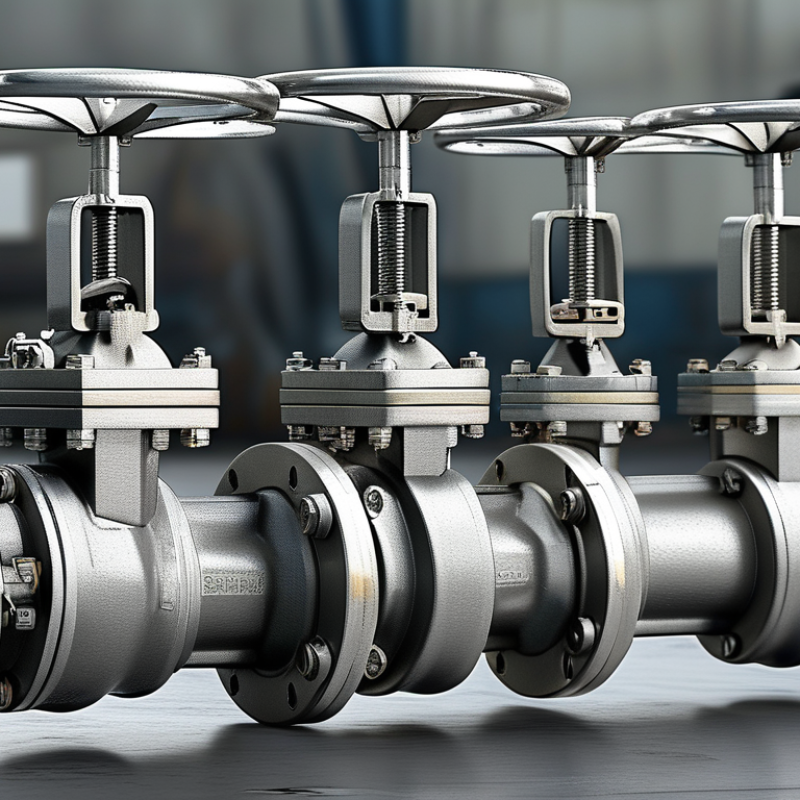
BS 5163 non-rising stem resilient seated gate valves are widely used in water and waste management systems. They feature a unique design that ensures a reliable seal without rising stems. This design reduces the height requirement, making them ideal for limited spaces. These valves perform well in a variety of applications, offering durability and long service life.
When selecting a valve, consider the media it will handle. It is essential to match the valve material to the fluid type. Corrosive substances can shorten a valve's lifespan. Regular maintenance is crucial to ensure optimal performance. Keep an eye on wear and tear. Ignoring small issues can lead to larger problems.
Keep installation guidelines in mind. Proper alignment during installation prevents future leaks. It's beneficial to consult with professionals to avoid mistakes. Awareness of common problems, like seat wear or valve corrosion, can save costs. Regular inspections can provide insights into the valve condition and help in timely replacements.
Key Features of Non-Rising Stem Resilient Seated Gate Valves
Non-rising stem resilient seated gate valves are vital in many industrial applications. These valves operate efficiently in various environments due to their unique design. The non-rising stem feature allows for space-saving installations, making them ideal for tight spaces. This design minimizes exposure to external elements.
These valves boast a robust construction, typically made from high-quality materials. The resilient seating provides a reliable seal, preventing leaks even under high pressure. Maintenance is often simplified with these valves, reducing downtime. However, installation precision is crucial. Poor alignment can lead to operational issues, ultimately affecting their performance.
While these valves offer numerous advantages, users should remain vigilant. Regular inspections help identify wear and tear before they escalate. Seeking professional advice can also enhance the decision-making process. Understanding the application's specific needs is vital for optimal valve selection. This focus on tailored solutions ensures efficiency and longevity in operations.
Top 5 Bs 5163 Non-Rising Stem Resilient Seated Gate Valves
| Model |
Size (inches) |
Pressure Rating (PN) |
Body Material |
Seal Material |
Temperature Range (°C) |
| Model A |
2 |
16 |
Ductile Iron |
NBR |
-10 to 80 |
| Model B |
3 |
10 |
Cast Iron |
EPDM |
-20 to 90 |
| Model C |
4 |
16 |
Stainless Steel |
Viton |
-10 to 100 |
| Model D |
6 |
20 |
Carbon Steel |
NBR |
-15 to 85 |
| Model E |
8 |
16 |
Bronze |
EPDM |
-20 to 95 |
Applications and Benefits of BS 5163 Valves in Various Industries
BS 5163 non-rising stem resilient seated gate valves have diverse applications in various industries. These valves are crucial in water supply systems, wastewater treatment, and industrial processes. Their design ensures durability and effective sealing, making them ideal for handling both clean and dirty fluids.
The benefits of BS 5163 valves extend beyond their reliable performance. They possess a compact structure, which is advantageous in space-constrained environments. The resilient seat prevents leaks, ensuring efficient operation. Choosing the right valve can significantly enhance the safety and performance of your systems.
Proper maintenance is essential. Regularly check for signs of wear or corrosion to avoid costly replacements. It's also vital to ensure the valve operates within its specified limits. Monitoring pressure and flow rates can help identify potential issues early. Assessing the installation site can reveal environmental factors that might affect valve longevity.
Top 5 Applications of BS 5163 Non-Rising Stem Resilient Seated Gate Valves
Comparison of Top 5 BS 5163 Valves: Performance and Specifications
When choosing BS 5163 non-rising stem resilient seated gate valves, performance and specifications are crucial. These valves serve as essential components in various piping systems. They operate by either fully opening or closing to control fluid flow. The materials used in their construction influence durability and resistance to pressure.
Consider the design. A resilient seat enhances sealing capabilities. This minimizes leaks, which could lead to significant losses. Valves often feature brass or ductile iron bodies, which add to their strength. The operating temperature range is also important. Many models can withstand extreme conditions, but each has limits.
Reflecting on the specifications, users must assess size requirements and pressure ratings. Some valves perform better under higher pressures, while others excel in low-pressure systems. It’s worth noting that maintenance can be an overlooked area. Regular inspections help identify potential issues. Small leaks can lead to larger problems over time and require immediate attention.
Maintenance and Installation Guidelines for BS 5163 Gate Valves
When working with BS 5163 non-rising stem resilient seated gate valves, proper maintenance and installation are crucial. Regular inspections ensure valves function effectively. Look for signs of wear or corrosion on the valve body and seals. Over time, these components can weaken, leading to leaks. Routine checks help identify these issues early.
Installation should follow specific guidelines for optimal performance. Valves should be positioned straight along the pipeline. This alignment prevents stress on the valve components. It is essential to apply the correct torque when tightening bolts. Over-tightening can cause damage, while too little torque may lead to leaks.
Remember that even experienced technicians can make mistakes. It’s easy to overlook minor details, which can lead to bigger issues later. Keeping a checklist during installation and maintenance can mitigate these risks. In the end, attention to detail makes all the difference in valve longevity and reliability.




 Zalo
Zalo