
Inquiry
Form loading...

2025 Top 10 Forged Steel Valves for Industrial Applications

In the evolving landscape of industrial applications, the demand for robust and reliable components has never been more critical. Forged steel valves stand out as a preferred choice due to their superior strength and durability, making them essential in various sectors such as oil and gas, power generation, and water management. According to a report by MarketsandMarkets, the global valve market is expected to reach USD 85.9 billion by 2025, reflecting an annual growth rate of 4.8%. This growth underscores the increasing reliance on high-performance materials, such as forged steel, which can withstand the rigors of high pressure and temperature environments.

As the industry progresses toward greater efficiency and sustainability, the selection of valves becomes pivotal in ensuring operational success. Forged steel valves offer enhanced sealing performance and longevity compared to their cast counterparts, significantly reducing maintenance costs and downtime. Moreover, with advancements in manufacturing technologies, these valves are becoming more precise and versatile, allowing for customization to meet specific operational needs. As we delve into the top 10 forged steel valves for industrial applications in 2025, it is crucial to consider the interplay of innovation, efficiency, and reliability that these components bring to the table.
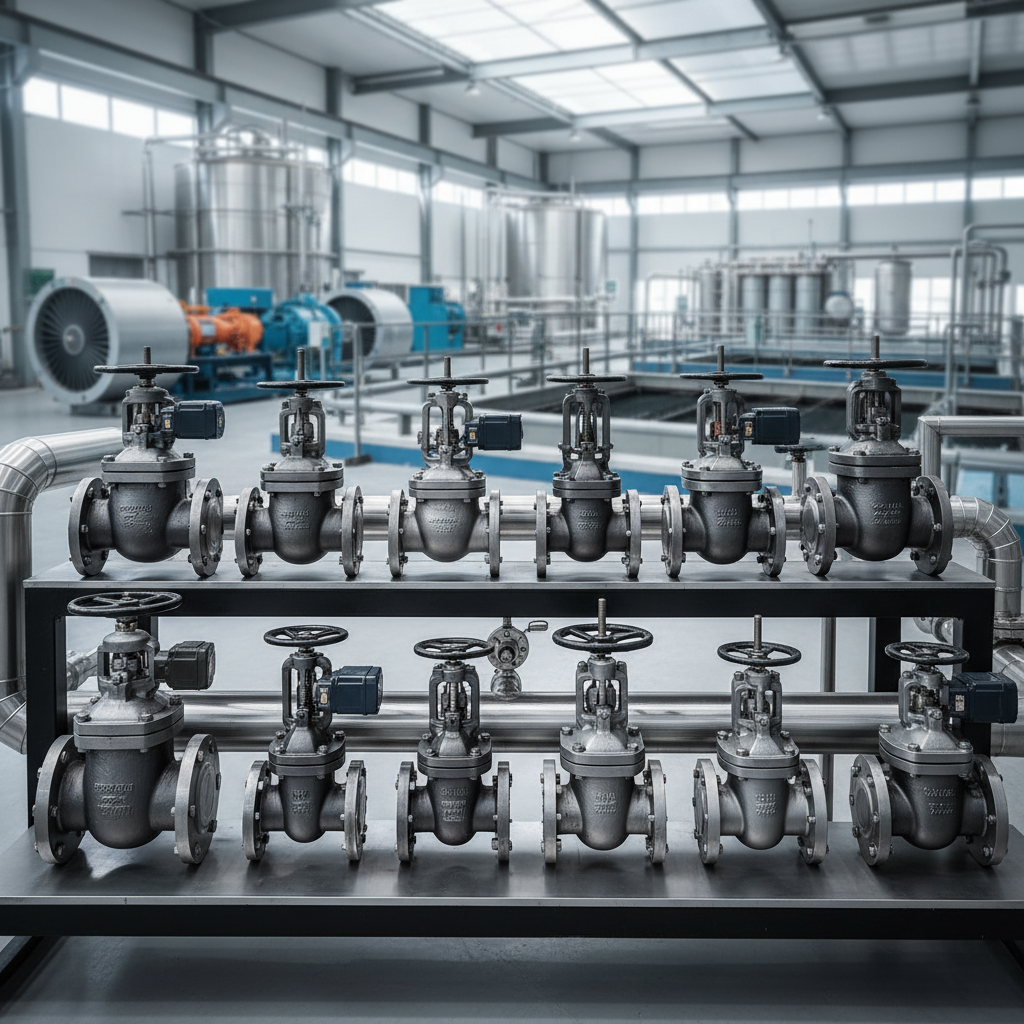

2025 Top 10 Forged Steel Valves for Industrial Applications

Top 10 Forged Steel Valves Revolutionizing Industrial Efficiency in 2025

2025 Top 10 Forged Steel Valves for Industrial Applications

In 2025, the landscape of industrial efficiency is set to be revolutionized by the leading forged steel valves, which are now pivotal in sectors like oil and gas, water treatment, and power generation. According to a report by Markets and Markets, the global valve market is projected to reach USD 83.52 billion by 2025, with forged steel valves becoming increasingly important due to their durability and superior performance under high-pressure conditions. These valves not only enhance operational efficiency but also contribute to significant cost savings, as they offer remarkable resistance to corrosion and wear.

Advanced manufacturing technologies have allowed for the production of forged steel valves that are not only lightweight but also capable of withstanding extreme temperatures and pressures. The American Society of Mechanical Engineers (ASME) indicates that using high-quality forged valves can reduce maintenance downtime by up to 30%, thereby increasing overall productivity. Furthermore, the integration of smart technologies in valve operations is expected to streamline processes, enabling real-time monitoring and predictive maintenance, which is crucial for minimizing unplanned outages in industrial plants. As industries continue to seek solutions that bolster efficiency and reliability, these top forged steel valves will play a central role in achieving operational excellence in 2025 and beyond.
Best Materials and Technologies Driving the Future of Forged Steel Valves

The future of forged steel valves in industrial applications is being shaped by innovative materials and advanced technologies. As industries strive for efficiency and durability, manufacturers are exploring high-performance alloys and composite materials that enhance corrosion resistance and thermal stability. These advancements not only prolong the lifespan of valves but also reduce maintenance costs, making them an attractive investment for various industrial sectors.

Tips: When selecting forged steel valves, consider the specific application requirements, such as pressure ratings and fluid characteristics. Look for valves made from advanced materials that can withstand extreme conditions while maintaining performance integrity.

Moreover, cutting-edge manufacturing techniques, including precision machining and additive manufacturing, are revolutionizing the production processes of forged steel valves. These technologies allow for greater design flexibility and improved quality control, ensuring that each valve meets the stringent demands of modern industrial applications. Emphasizing these technologies can significantly improve reliability and efficiency across various systems.

Tips: Always assess the manufacturer's capabilities in terms of technology and material sourcing. Engaging with suppliers who invest in state-of-the-art manufacturing practices can lead to better product outcomes and support for future upgrades.

Leading Brands to Watch for High-Performance Forged Steel Valves in 2025

As industries continue to prioritize durability and efficiency, forged steel valves are becoming increasingly essential in various applications. For 2025, several leading brands stand out in the marketplace, setting benchmarks for high-performance forged steel valves. These companies focus on innovation, leveraging advanced manufacturing techniques and materials to deliver products that withstand extreme conditions, ensuring reliability and longevity.

Key players to watch include manufacturers renowned for their commitment to quality and performance. Brands like Val-Matic, Cameron, and Parker Hannifin are at the forefront, offering a diverse range of valves that cater to sectors from oil and gas to water management. These companies emphasize rigorous testing and certification processes, ensuring their products meet and exceed industry standards, which is crucial for clients looking for dependable solutions in their operations.

Innovative Designs in Forged Steel Valves for Enhanced Durability and Reliability

In the industrial landscape, forged steel valves are essential components that ensure the smooth operation of various systems. The innovative designs emerging in 2025 emphasize enhanced durability and reliability, catering to the rigorous demands of modern industrial applications. These advancements focus on improving material compositions and manufacturing processes, which result in valves that can withstand extreme pressures and temperatures while maintaining structural integrity.

When selecting forged steel valves, consider these tips for optimal performance:
Firstly, always verify the material certifications and standards to ensure long-term durability.
Secondly, assess the design features of the valve, such as enhanced sealing mechanisms and corrosion-resistant coatings, which contribute significantly to reliability and decrease maintenance needs.
Lastly, check for compatibility with the specific fluids and conditions of your application to avoid premature wear and ensure seamless integration into your systems.

As manufacturers push the boundaries of valve design, features like modularity and ease of maintenance will continue to evolve. Implementing these innovative designs not only extends the lifespan of valves but also significantly reduces operational costs in industrial settings.

Key Industrial Applications Benefiting from Advanced Forged Steel Valve Solutions

2025 Top 10 Forged Steel Valves for Industrial Applications

The evolving landscape of industrial applications is increasingly relying on advanced forged steel valve solutions due to their superior performance and durability. Industries such as oil and gas, power generation, and chemical manufacturing are prime beneficiaries of these robust valves. In the oil and gas sector, forged steel valves are essential for withstanding high pressures and temperatures, ensuring safe and efficient operation in demanding environments. Their reliability minimizes downtime and enhances the overall efficiency of drilling and refinement processes.

Moreover, in power generation plants, forged steel valves play a crucial role in steam and water control systems, where precision is vital for optimal efficiency. The ability to maintain integrity in extreme conditions not only protects the infrastructure but also supports sustainability initiatives by increasing operational efficiency and reducing waste. In chemical manufacturing, these valves are integral to managing corrosive fluids, offering a level of resilience that minimizes maintenance costs and extends service life. As industries continue to innovate, the adoption of advanced forged steel valve technology will remain pivotal in driving growth and enhancing operational performance.