Top 10 Din Gate Valves You Should Consider for Your Projects?
When planning a project that requires fluid control, choosing the right components is crucial. Din Gate Valves are essential for various applications due to their durability and efficiency. These valves stand out for their ability to provide a tight seal and regulate flow effectively. With many options available, selecting the best Din Gate Valves can be overwhelming.
In this article, we explore the top 10 Din Gate Valves worth considering. Each valve is evaluated based on performance, materials, and reliability. The insights shared are grounded in industry expertise and experience. Details about the construction and operational features of these valves provide a clearer understanding of their suitability for different projects.
Understanding the nuances of these valves is important for making informed decisions. Factors like pressure ratings and temperature limits can greatly impact your project's success. We aim to present a reliable selection that caters to diverse needs. However, the importance of analyzing each valve’s specifications can’t be overlooked; not all valves perform the same in every situation. This exploration of Din Gate Valves serves as a guide to ensure your project runs smoothly and efficiently.
Understanding DIN Gate Valves and Their Applications
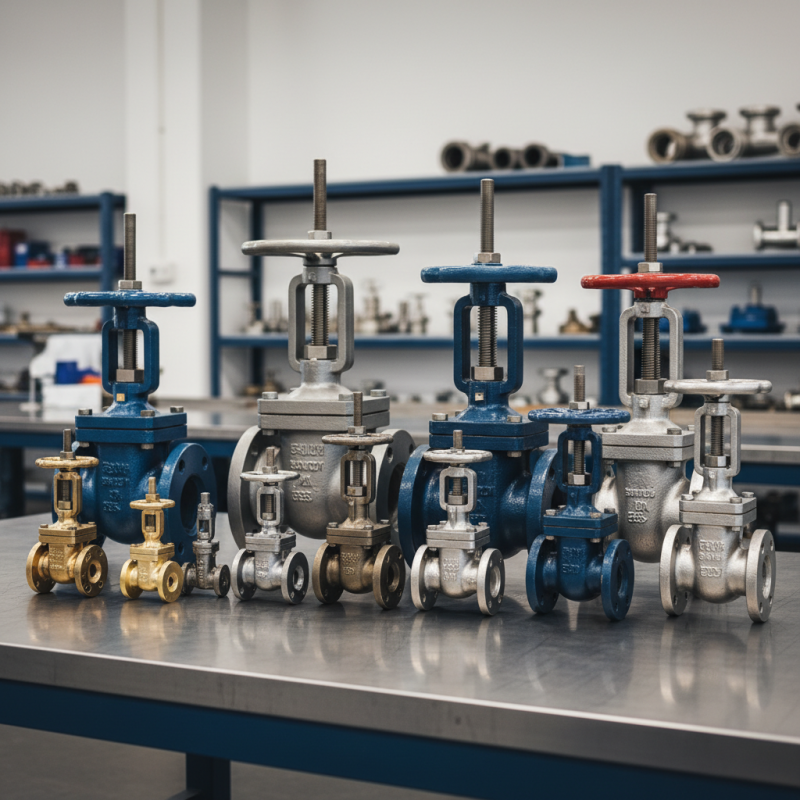
DIN gate valves play a crucial role in various industrial applications. They are primarily used for on-off control of fluid flow. These valves can handle high pressure and temperature conditions, making them suitable for many sectors. According to industry reports, the global gate valve market is projected to reach $9.4 billion by 2027, with substantial growth driven by infrastructure investments and water management projects.
The construction and oil & gas industries are significant users of DIN gate valves. Their design allows for minimal pressure drop and efficient flow control. For example, a well-structured valve can reduce energy consumption in fluid transport systems. However, improper installation or maintenance can lead to operational inefficiencies. It's essential to ensure the valves are compatible with the specific application requirements. Misalignment or corrosion can compromise their performance.
In terms of material selection, DIN gate valves come in various materials like stainless steel and cast iron. Each material offers unique benefits and limitations in terms of durability and corrosion resistance. Not all valves perform optimally in corrosive environments. It prompts serious consideration of the specific conditions where the valves will be placed. Making the right choice could minimize unexpected downtime and reduce long-term costs.
Key Features to Look for in DIN Gate Valves
When selecting DIN gate valves, key features play a crucial role in ensuring project success. A reliable valve should have robust materials to withstand high pressures. Commonly used materials include carbon steel and stainless steel. Each material has its own benefits and weaknesses, impacting lifespan and performance in various conditions.
Flow performance is another critical aspect. The design should minimize turbulence for efficient fluid transport. A well-designed valve can reduce pressure drops by up to 20%, enhancing system efficiency. Pay attention to the valve’s seal design. Effective seals are essential for preventing leaks, which can lead to costly repairs.
Tips: Consider the installation space. Ensure that the valve's size complements your system. It's also wise to evaluate maintenance needs. Some models require more frequent servicing. Ensure you have access to reputable suppliers for spare parts.
Another point to reflect on is the valve's operational range. Some DIN gate valves may not perform well under extreme temperatures. Always check the manufacturer’s specifications to avoid surprises. This diligence can significantly extend the valve's operational life.
Top 10 DIN Gate Valves You Should Consider for Your Projects
This chart illustrates the key features of the top 10 DIN gate valves suitable for various projects. The features evaluated include pressure rating, temperature range, size options, and material types.
Top 10 Recommended DIN Gate Valves for Various Projects
The selection of DIN gate valves plays a crucial role in project success. These valves are essential for controlling fluid flow in various industrial applications. According to industry reports, around 30% of valve failures are due to poor selection and installation. This statistic highlights the need for careful consideration.
Here are some recommended DIN gate valves to consider. Look for those made from high-quality materials, such as stainless steel or ductile iron. These materials offer optimal strength and corrosion resistance. A valve with a pressure rating adequate for your project needs is vital. Ensure it can withstand the operating conditions you anticipate.
Tips for choosing are important. Always check the manufacturer’s specifications. Fact sheets can provide insights into key features. Consult with industry experts if unsure about compatibility. Take the time to compare different options. Each choice can significantly impact performance. Small flaws in selection could lead to larger operational issues later. The right valve can enhance efficiency and reduce maintenance costs significantly. Always prioritize reliability and performance.
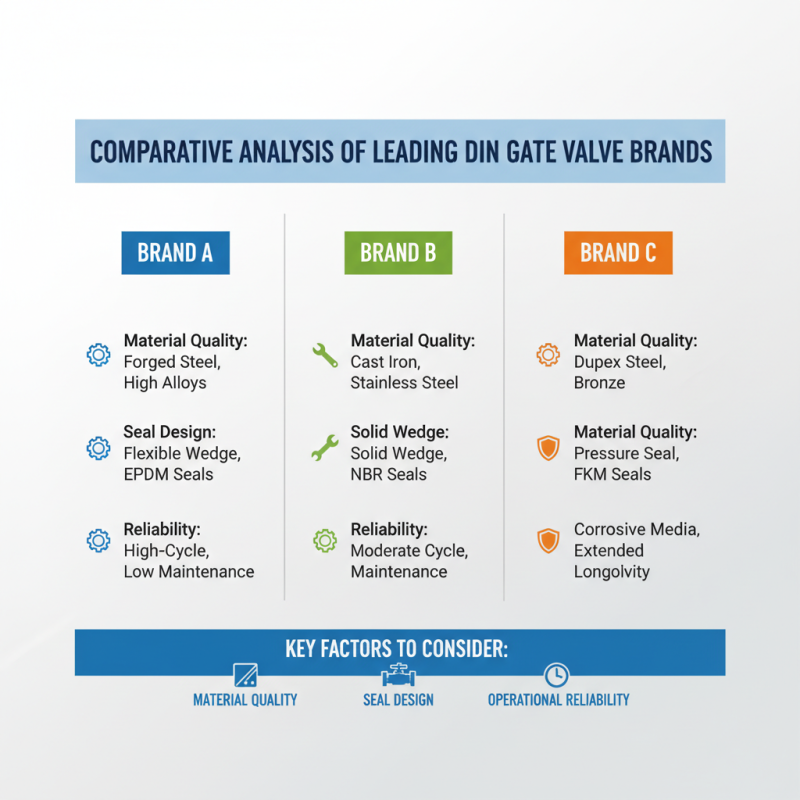
Comparative Analysis of Leading DIN Gate Valve Brands
When evaluating DIN gate valves, a comprehensive analysis of leading brands is essential. Different manufacturers offer unique features and constructions. Factors like material quality, seal design, and operational reliability vary, impacting performance and longevity. It's crucial to weigh these elements when choosing the right valve.
Some valves come with advanced seal technologies, reducing leaks significantly. Others might have a simpler design, which could compromise reliability over time. Consider the end-use environment. For instance, valves in corrosive settings require more durable materials. Be prepared to research.
Tips: Always check for certification marks. They indicate compliance with industry standards. This can save you from future issues. Regular maintenance schedules can prolong valve life. Ensure you understand how each brand performs under stress. Taking this time can prevent costly errors.
Installation and Maintenance Tips for DIN Gate Valves
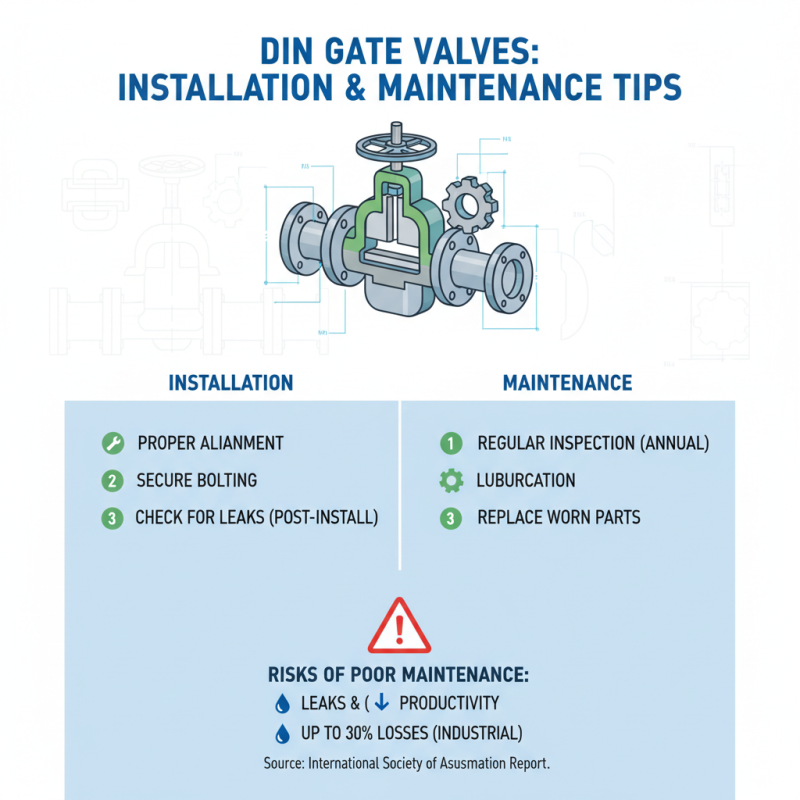
When considering the installation and maintenance of DIN gate valves, attention to detail is crucial. Regular inspection is essential to identify wear and tear. Inadequate maintenance can lead to leaks, which can cause significant downtime. According to a report by the International Society of Automation, improper valve maintenance results in losses up to 30% in industrial environments.
Proper installation is also vital. Ensure that the piping aligns correctly with the valve. Misalignment can create stress points. These can lead to premature failures. The American Society of Mechanical Engineers (ASME) highlights that approximately 50% of valve failures trace back to installation errors. Using the right tools is just as important; they ensure no damage occurs during the process.
Maintenance procedures should be documented meticulously. Create a proactive schedule for valve inspections under extreme conditions. A study from the International Journal of Pressure Vessels and Piping found that regular maintenance extends valve life by up to 40%. However, many organizations neglect this aspect, resulting in operational inefficiencies. Recognizing potential shortcomings in your current practices can significantly enhance reliability in your projects.




 Zalo
Zalo