2026 How to Choose Forged Steel Valves for Your Needs?
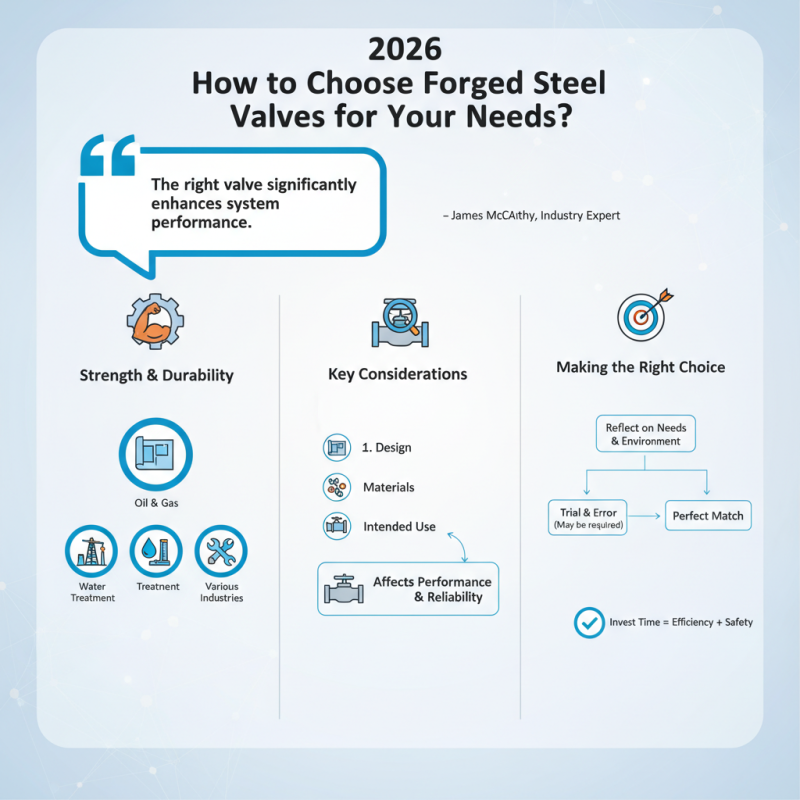
Choosing the right forged steel valves can be daunting. With a multitude of options available, it’s essential to make informed decisions. According to industry expert James McCarthy, "The right valve significantly enhances system performance." This emphasizes the importance of selecting the right forged steel valves tailored to specific applications.
Forged steel valves are known for their strength and durability. They are used in various industries, from oil and gas to water treatment. When evaluating forged steel valves, consider their design, materials, and intended use. Each aspect affects performance and reliability. Small details can lead to big outcomes.
While there are many options, not all forged steel valves are created equal. It’s crucial to reflect on your needs and the environment in which the valve will operate. Ensuring a perfect match may require trial and error. However, investing time in selection will pay off in efficiency and safety.
Understanding Forged Steel Valves and Their Applications
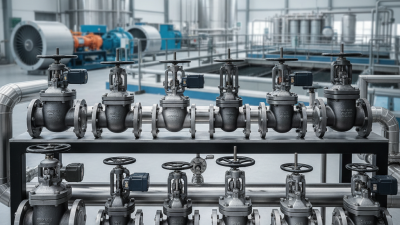
Forged steel valves are essential components in various industrial applications. They are known for their strength and durability. Made from solid steel, these valves can withstand high pressure and temperature. This makes them ideal for critical environments, like oil and gas operations, power generation, and chemical processing.
Understanding their applications is crucial when selecting the right valve. Forged steel valves are often used in pipelines that transport harsh materials. They offer excellent sealing capabilities that prevent leaks. In industries where safety is paramount, the reliability of these valves cannot be overstated. However, selecting a valve requires careful consideration of specific needs. Factors like pressure, temperature, and fluid type should be evaluated.
One area for reflection is the environmental impact of these valves. While forged steel has advantages, it also has a carbon footprint. Manufacturers are exploring ways to create more sustainable products. Understanding the balance between performance and environmental responsibility is increasingly important. As industries evolve, so do the requirements for reliability and sustainability in valve design. Choosing the right forged steel valves demands both expertise and a willingness to adapt to changing standards.
Key Factors to Consider When Choosing Forged Steel Valves
When selecting forged steel valves, several key factors come into play. The steel grade is essential. It impacts strength, durability, and corrosion resistance. Common grades include ASTM A105 and A182. Understanding the application's service conditions will guide your choice in this critical area.
Design is another crucial consideration. Different types of valves, such as globe, ball, or gate valves, offer unique benefits. For example, globe valves are popular for throttling. You should assess acceptable pressure and temperature ratings for your application. The wrong choice could lead to failure.
Tips for choosing forged steel valves include consulting with experts. They can provide insights specific to your industry. Always review the manufacturer's certifications. This ensures the valves meet industry standards. Additionally, consider the maintenance requirements. Some valves require frequent checks and take more time than others. Responsiveness to these factors can save on costs over time. Select wisely for long-term reliability in your system.
Types of Forged Steel Valves and Their Unique Features
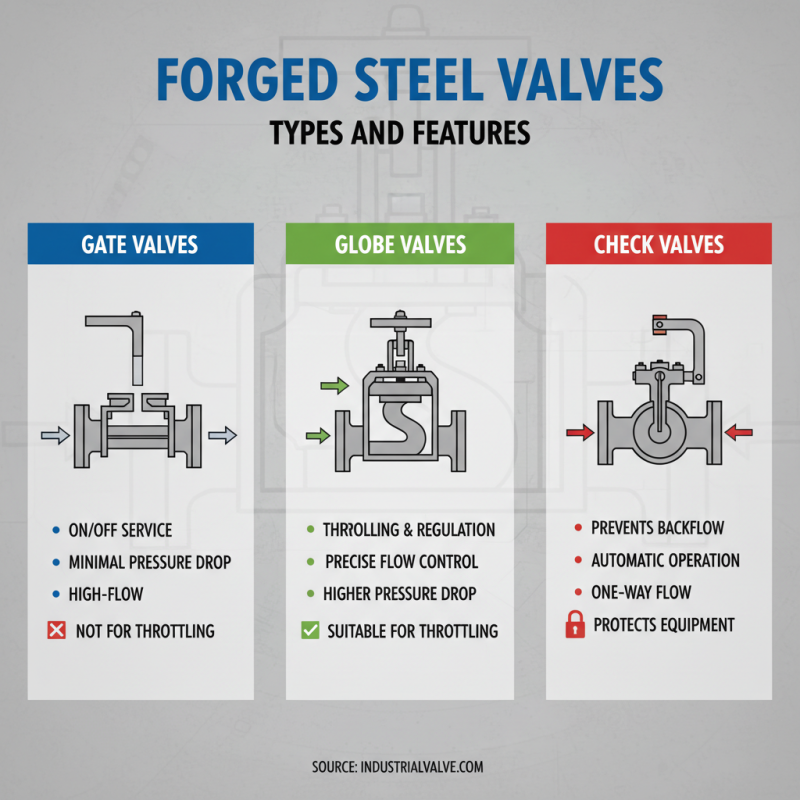
Forged steel valves come in various types, each serving specific functions. The three main types include gate, globe, and check valves. Gate valves are primarily used for on/off services. They provide minimal pressure drop, making them ideal for high-flow applications. However, they may not be suited for throttling.
Globe valves, on the other hand, excel at regulating flow. Their design allows for precise control, but they often incur higher pressure drops. This can lead to inefficiencies in large systems. Check valves automatically prevent backflow. They are essential in preventing reverse flow that could damage equipment. However, their performance can be affected by flow velocity and orientation.
It's crucial to consider material, size, and pressure ratings. Forged steel valves offer strength and durability. Yet, ensure they meet specific application requirements. Inspecting options physically can reveal potential flaws or imperfections. Evaluate the unique features of each type carefully before making a choice. This decision impacts overall system efficiency and safety.
Evaluating Performance and Durability in Forged Steel Valves
When selecting forged steel valves, performance and durability are critical factors. High-quality valves are engineered to withstand extreme conditions. According to recent industry reports, valves made from forged steel provide higher tensile strength. This makes them more reliable in high-pressure environments.
Durability is often tied to materials. Many manufacturers adhere to strict ASTM standards. Valves that meet these standards typically last longer, resisting wear and failure. Data shows that valves crafted from top-grade steel can endure temperatures up to 1,200°F. This capability minimizes the risk of accidents. Yet, not all forged steel valves meet these benchmarks. Some products may compromise on quality.
Another aspect to consider is maintenance. Even the best valves require regular checks. Neglect can lead to significant downtimes. A study highlighted that routine maintenance can prevent costly shutdowns. In some cases, valves fail due to improper installation. Investing in training can enhance installation practices, directly impacting valve lifespan. Performance and durability are intertwined; without proper attention, even the best valve can underperform.
Cost Considerations and Budgeting for Forged Steel Valves
When budgeting for forged steel valves, understanding cost implications is essential. The price of forged steel valves can vary widely based on size, pressure rating, and manufacturer. Often, prices reflect the valve's durability and application. A robust valve may cost more upfront, but it can save money long-term due to lower maintenance needs. It is vital to balance quality against budget constraints.
Consider all expense factors. Installation costs can add significantly to the overall budget. Additional expenses might include testing and inspections. Don’t overlook potential downtime during replacement. Sometimes, cheaper options lead to higher costs down the line. A valve that fails may disrupt operations, leading to lost revenue.
Evaluate your specific needs carefully. Consult with experts who understand the intricacies of valve applications. They can provide insights into long-term savings versus initial investments. Collecting multiple quotes helps inform your decision. Weighing these elements can lead to a more informed choice. Making the right choice is critical, as a wrong decision could result in unforeseen costs.




 Zalo
Zalo