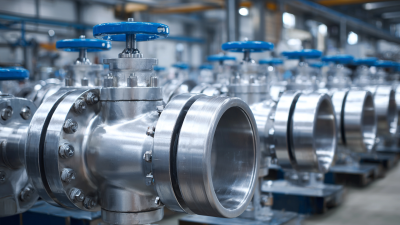
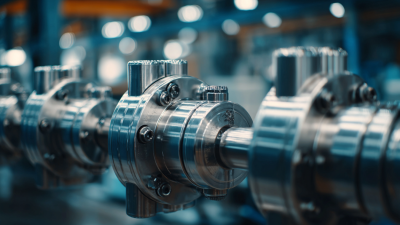
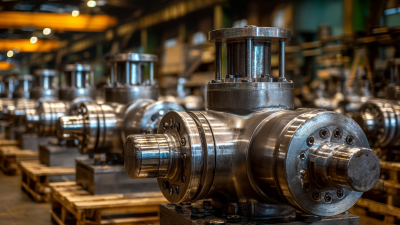
Why Choose Forged Steel Gate Valves for Your Industrial Needs?
In today's competitive industrial landscape, the choice of valve materials significantly impacts operational efficiency. Forged Steel Gate Valves stand out due to their strength and reliability. Reports indicate that nearly 60% of industrial failures stem from inadequate valve performance. The durability of forged steel ensures long-lasting service, minimizing downtime.
Industries heavily rely on the performance of their valve systems. The adoption of Forged Steel Gate Valves can lead to enhanced productivity. Specialized manufacturers have reported that these valves provide a tight seal, effectively preventing leaks. This is crucial in sectors such as oil and gas, where even minor leaks can have catastrophic consequences.
While Forged Steel Gate Valves offer numerous advantages, they are not without challenges. The higher initial investment can deter some companies. Furthermore, understanding the specific needs of each application is vital for optimal performance. A one-size-fits-all approach often fails, highlighting the need for careful consideration in valve selection.

Benefits of Forged Steel Gate Valves Over Other Valve Types
Forged steel gate valves stand out in industrial applications due to their durability and performance. Unlike other valve types, forged steel valves exhibit remarkable strength under high pressure. According to a recent industry report, these valves can withstand pressures exceeding 10,000 psi, making them suitable for demanding environments.
Another significant advantage is their resistance to corrosion and wear. Forged steel has a fine grain structure, which enhances its toughness. This quality reduces the likelihood of failures in critical operations. A study indicated that forged steel valves often have a service life that is 30% longer than cast iron alternatives. This longevity translates into lower maintenance costs over time.
However, there are some considerations. Forged steel valves can be more expensive upfront. This initial cost may deter some businesses. Additionally, proper installation and maintenance are essential to optimize their lifespan. While the benefits are clear, not every operation may find them immediately feasible. Careful analysis is necessary to ensure the right fit for specific requirements.
Applications of Forged Steel Gate Valves in Industrial Settings
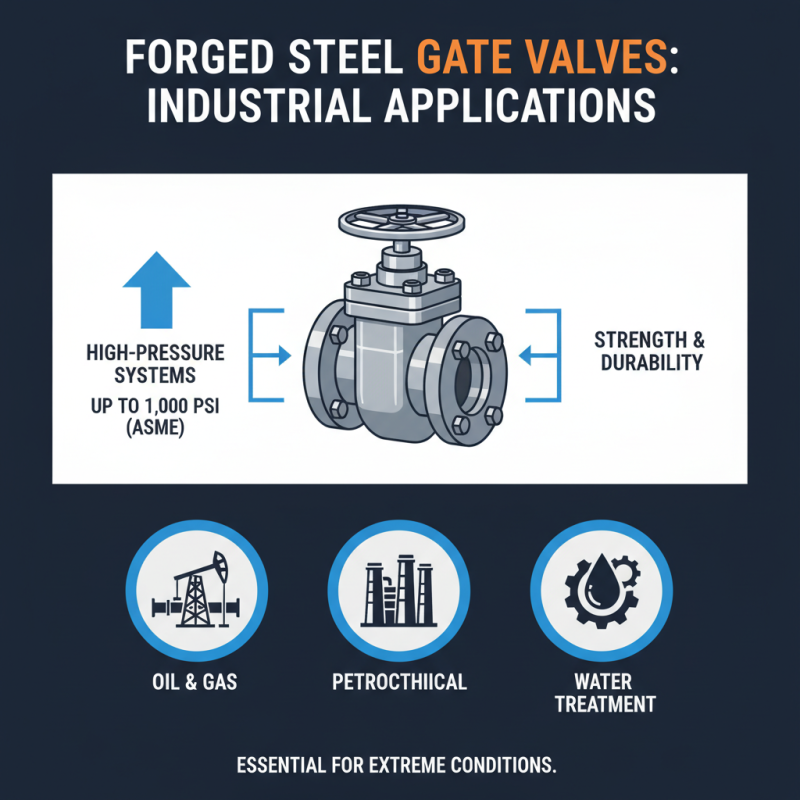
Forged steel gate valves are essential in many industrial applications. They are known for their strength and durability. These valves are often used in high-pressure systems. Industries such as petrochemical, oil and gas, and water treatment rely on them. According to the American Society of Mechanical Engineers, forged steel valves can handle pressures up to 10,000 psi. This makes them suitable for extreme conditions.
In petrochemical plants, these valves control flow with precision. They are crucial in pipelines transporting crude oil. A study from Engineering ToolBox highlights that faulty valves can lead to system failures. This can cause significant downtime and repair costs. Moreover, forged steel valves exhibit excellent corrosion resistance, making them perfect for aggressive chemicals.
While they offer many benefits, some challenges remain. Maintenance can be labor-intensive and costly. Additionally, improper installation can lead to leaks. This highlights the need for qualified personnel during setup and upkeep. Ensuring that valves are used correctly is key to maximizing their lifespan. Using forged steel gate valves demands careful consideration of both benefits and potential drawbacks.
Key Features of Forged Steel Gate Valves That Enhance Performance
Forged steel gate valves are essential for various industrial applications. Their robust construction provides excellent strength and durability. This makes them suitable for high-pressure environments. The high carbon content in forged steel enhances its toughness. Consequently, these valves can withstand harsh conditions better than many alternatives.
One major feature of forged steel gate valves is their precision machining. Each valve is crafted to fit perfectly. This leads to improved flow efficiency. Additionally, the design minimizes leakage, which is crucial in many settings. However, while they are reliable, manufacturers must ensure that quality control is consistent. Any defect can lead to failure, impacting system performance.
Another important aspect is the ability to operate smoothly over time. A well-maintained forged steel gate valve offers long service life. Yet, proper maintenance is often overlooked. Many users might neglect routine checks, leading to unexpected issues. Therefore, users must be aware of this responsibility. Regular inspection can prevent costly downtime and ensure optimal functionality.
Why Choose Forged Steel Gate Valves for Your Industrial Needs? - Key Features of Forged Steel Gate Valves That Enhance Performance
| Feature |
Description |
Benefits |
| High Strength |
Manufactured under high temperatures and pressures, ensuring superior strength. |
Enhanced durability and reliability in high-pressure applications. |
| Corrosion Resistance |
Made from steel alloys that resist corrosive environments. |
Extended lifespan and reduced maintenance costs. |
| Tight Seal |
Design ensures minimal leakage, providing a tight seal. |
Improved efficiency and safety in operations. |
| Versatility |
Suitable for various applications across different industries. |
Flexibility to use in diverse environments. |
| Ease of Operation |
Smooth opening and closing mechanisms. |
Saves time and labor in operation. |
Durability and Reliability of Forged Steel Gate Valves in Harsh Environments
Forged steel gate valves are essential components in various industrial settings. They excel in harsh environments due to their durability and reliability. The forging process enhances the strength of the steel, making it resistant to high pressures and temperatures. This resilience is particularly valuable in industries like oil and gas, where extreme conditions are commonplace.
In many applications, the cost of failure is significant. A faulty valve can lead to leaks or catastrophic failures. Forged steel gate valves help mitigate these risks. Their robust construction allows them to withstand corrosive substances and mechanical stress. Regular maintenance is important, though. Over time, even the best valves need attention to ensure they function correctly. Operators must be vigilant in checking for signs of wear or damage.
The installation is also a critical consideration. Misalignment or poor installation can compromise valve performance. Careful planning and execution during installation lead to better outcomes. However, it's easy to overlook small details. Even minor errors can become costly if not addressed. Forged steel gate valves present a solution, but only if used correctly and maintained properly.
Cost-Effectiveness of Forged Steel Gate Valves for Long-Term Investment
Forged steel gate valves are becoming a popular choice in various industrial applications. Their strength and durability make them ideal for high-pressure environments. According to the Global Market Insights report, the demand for forged steel valves is projected to grow significantly, reinforcing their cost-effectiveness over time.
One issue often overlooked is the initial investment cost. While forged steel gate valves can be pricier than alternatives, their long lifespan justifies the expense. Data from the ASTM suggests that these valves can last up to 30 years with proper maintenance. This longevity translates into lower replacement frequencies, reducing overall operational costs. Additionally, they tend to offer superior sealing capabilities. A study from the Hydraulic Institute indicates a 15% better performance in leakage prevention compared to lesser options.
Finally, consider the energy savings associated with forged steel valves. Their robust design minimizes friction and enhances flow efficiency. Reports indicate that adopting these valves can result in up to 10% lower energy consumption over time. However, industries must evaluate their specific needs. Not every situation may warrant the switch to forged steel. Careful consideration is essential for making the right investment.




 Zalo
Zalo